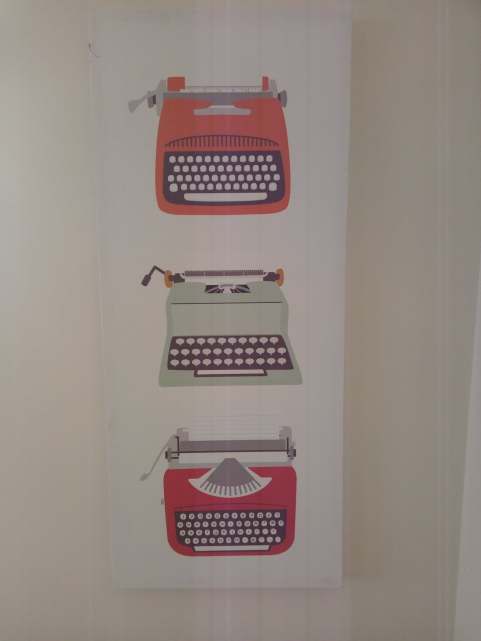
inspiration and evocation

post-Sweden isolation

flying ducks sought for wall
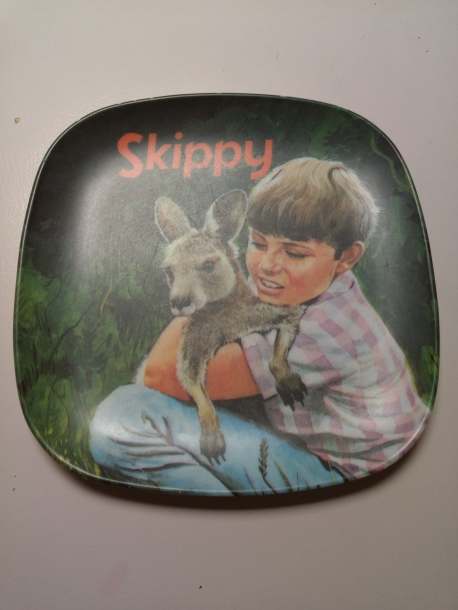
a song of innocence

stylish in Physics teacher brown
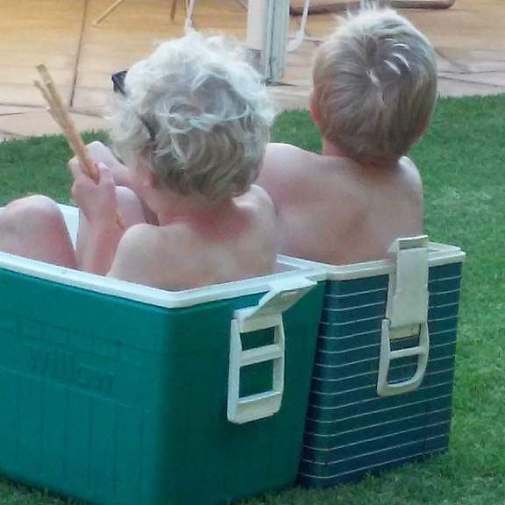
the boys
inspiration and evocation
post-Sweden isolation
flying ducks sought for wall
a song of innocence
stylish in Physics teacher brown
the boys
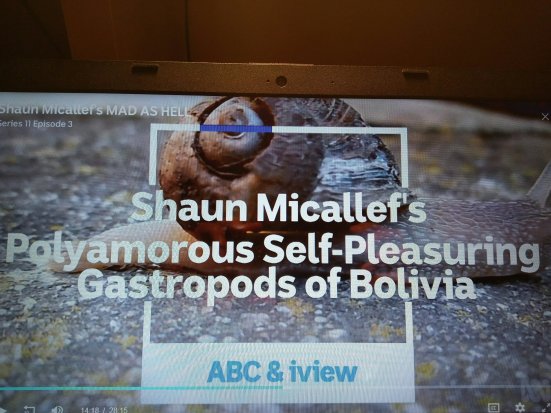
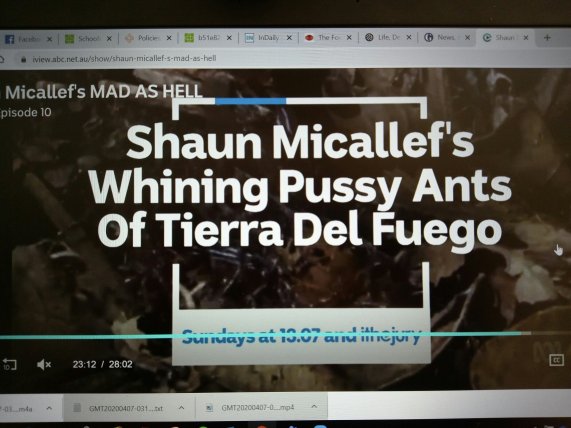
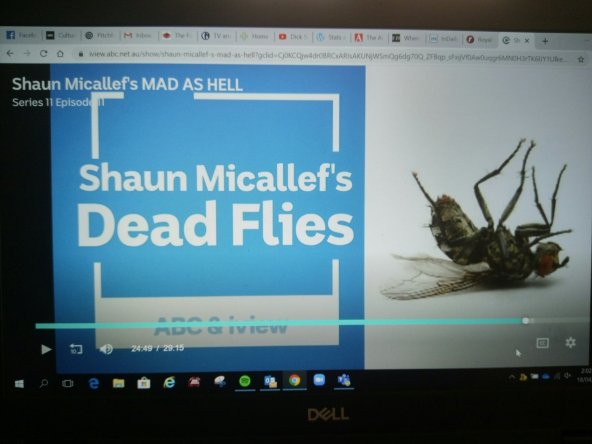
Among the week’s high points is watching Shaun Micallef’s Mad as Hell with Alex. Our favourite part is his preview for a ridiculous nature documentary which always makes us laugh like lizards.
We think it genius.

Shuffling past the Old Gum Tree Reserve at lunchtime my boys are playing golf.
They’ve designed a course and while each hole is unique they share one green, located near the back fence and made with a disposable drink cup. Both carry various irons and woods and they’ve the park to themselves, but I hope the putters don’t suddenly become light sabres or Samurai swords.
Continuing west I mourn that in 2020 we’ve not yet had a BBQ in the park as circumstances haven’t allowed the simple joy of snags in a public place. This now belongs to a distant, almost unknowable era but one day…

Every Proclamation Day the park hosts formalities and a morning tea to mark the province’s beginning. A few years’ ago a friend, Sarah, took a selfie with Julia Gillard, who was in town for Christmas.
Bounding up to the then PM as she made her way through the scone-loving crowd, Sarah asked the question and so they both paused, smiled and click. Just like that. No burly black suits panicking into their lapel microphones and leaping like bears onto a salmon. I love that this could happen, just down the road.
It’s a kilometre from home to the beach and then another along the waterfront so my round trip’s about four kilometres. While I once ran, to now call it a jog might be hopeful. I could time myself with a sundial.
Over Tapleys Hill Road, I pass the MacFarlane Street reserve with its playground guarded by orange bunting. Alex learnt to ride a bike here. Palm trees patrol the perimeter and on spring mornings magpies swoop me. One once pecked my skull but I was clearly under-cooked as he didn’t come for a second bite. I wouldn’t eat my head either.

Waiting for me is the unhurried Patawalonga River. It’s only seven kilometres in length, but this is decidedly Mississippian compared to Kuokanjoki, the shortest river in Finland which connects lakes Sumiainen and Keitele. It’s three and a half metres long.
The King Street Bridge conquered I reach the esplanade and the sea swims into happy view. To my left is the sand castle-like Marina Pier with its now ghostly restaurants and apartment balconies. Turning right the pavers follow the beach and bounce along the dune line. There’s an energetic torrent of walkers and cyclists.
Glenelg North’s beach is wide and dotted by dogs, and with a gentle sky above it’s easy to momentarily ignore the cataclysm. People appear joyful. There’s communicable resilience.
Rip-rap rocks armour the shoreline against erosion. I recall how in 1983 during a Year 12 Geography excursion with our teacher Ali Bogle we visited this very spot on a balmy Thursday prior to our penultimate Kapunda High School social. I was astonished when Ali told us that it costs a million dollars a kilometre to build this protection.

The esplanade rises gently as I go, but on a rough day with a headwind it seems Himalayan. The eastern side is flanked by houses, all glass and chrome and dazzlingly white. Soon all will be modern, when the sixties-build apartments are bulldozed.
I often smirk at Number 20 with its outsized silver numerals on the front wall, and remember Shrek seeing the size of Lord Farquaad’s castle, and asking Donkey, “Do you think maybe he’s compensating for something?”

A sunshiny addition to this landscape is Audrey’s coffee caravan. It’s homemade with wooden window frames and pop-riveted aluminium and a chalkboard menu out the front. There’s always a punter or two waiting and drinking in the aroma.
I’m nearly at West Beach and the enviably positioned Sewerage Treatment Works on Anderson Avenue. Gee, poo often enjoys an idyllic (temporary) coastal address. Just short of the dunes there’s a small shelter. Occasionally, a pair of Jehovah’s Witnesses sets up a pamphlet display to conscript the dog-walking, beach-loving, track-suited clientele so affectionately referred to in the Old Testament.

Although they cheerfully ignore me I recall the words of Bill Bryson: I don’t know why religious zealots have this compulsion to try to convert everyone who passes before them – I don’t go around trying to make them into St Louis Cardinals fans, for Christ’s sake – and yet they never fail to try.
I turn for home.

In the driver’s seat and turning the key I notice the windshield is dusty. It’s nearly a month since my car went anywhere. It’s been in quarantine too.
Having reversed out the garage I change gears. Crunch. Like a dawn golfer on the opening tee-block I’m easing into my routines.
Up the end of our street I see a girl, bent down in the driveway, admiring her chalk drawings of pink and blue on the grubby concrete. Home-schooled, her Art lesson’s done.
I’ve not been outside in Australia since early March. April 1st is a fitting date to tiptoe out. Over the past fourteen days the mostly imagined, newsfeed horror of supermarket fights, deserted malls and shut playgrounds has battered me. A girl drawing out the front of her home is a welcoming image; at once pristine and sweetly unknowing.
Heading towards the city Anzac Highway is quiet although a bus cuts me off. I almost applaud. The ancient annoyances are now likely to comfort. I see an old man at a bus-stop. Squatting next to him is his terrier. Both appear calm. There’s a patience about them. What choice do we have?

Triple J is playing something antagonising. Maybe now, I’m finally too old. I push the radio button for Triple M. Some dire 1980’s song. Maybe not.
I pass the monolithic and charmless Highway Inn, all shut except for its drive through. It’s mid-morning, but a couple utes are in there. Taking opportunities when they can. Never have I so acutely felt the tension between self and family and community.
Up near South Road a new petrol station is being built. Half a dozen tradies are in the forecourt, on the canopy, putting in windows. Previously, I’d connect this to cars, fossil fuels, climate change. But today it’s a reluctant symbol of growth and hope.
I then see an old BP. Fuel is 84 cents. This seems more 1991 and not 2020. I rub the back of my neck. No. No mullet there. The day before we flew to Sweden fuel was $1.40.
On our final night in isolation I shaved off the first-ever beard I’d grown. Confinement offered opportunity too. The patio pavers enjoyed their first pressure clean in a decade. Claire got stuck into the cupboards. I rang family and friends. Sat in the sun.
Arriving at work to collect a camera for the globally-compulsory Zoom meetings, I pulled into the barren carpark.
I was also there for my flu shot.
In our world of heightened immuno-consciousness, this seemed an urgent idea. I fumbled for my security tag.

In 1983, during Year 12, these are the songs I unforgivably thought were cool:
“Twisting by the Pool” by Dire Straits
“Bop Girl” by Pat Wilson
and this, yes, this
“Safety Dance” by Men Without Hats.
How could this ever have happened?
Later that year, just after I turned seventeen, Kenny Rogers and Dolly Parton released “Islands in the Stream” (named after a Hemingway novel) and I scoffed at it. Country music! Old people! Corny! I was seventeen.
It was unlikely played on 5SSA-FM as SA-FM was then known. I can’t recall hearing it on the Morning Zoo with John Vincent and Grant Cameron as I drove my sky-blue HR Holden to Kapunda High to endure the poetry of Gerard Manly Hopkins (“I caught this morning morning’s minion, kingdom of daylight’s dauphin, dapple-dawn-drawn Falcon”).

I didn’t appreciate its alternating lead vocals, superb harmonies, and thrilling key change until, I’m ashamed to share, much later in life. And Dolly, somehow both tiny and colossal, is the perfect partner to Kenny’s warm yet seasoned voice.
Often now making an appearance on the back patio at a BBQ it’s one of the great duets.
*
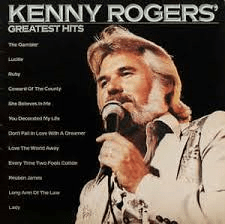
Growing up in the 70s, Mum and Dad had some of Kenny Rogers’ vinyl including his greatest hits and the compelling Eyes That See in the Dark (of course, he could never have been Ken Rogers for he’s obviously the manager of your local hardware store). The albums are long gone but I remember him spinning on the Pye 3-in-1 (turntable, cassette and radio) and his voice. It was golden but with an edge of experience and slight menace as needed. It also hinted at a mythic America of adventure and promise. It evoked a place I wanted to go.
As with much in art and music there’s often a dramatic gap between the sunny melodies and the lyric’s dark narrative. “Coward of the County” is about sexual violence, “Reuben James” explores deep-seated racism and “Ruby” concerns a Vietnam veteran whose disability renders him unable to satisfy his wife so she ventures into town- “painted up your lips and rolled and curled your tinted hair”- to get her needs met, but my childhood ears were deaf to these distant themes.
*
The Big Lebowski is my favourite film and Kenny contributes to this too. In this shaggy-dog story bringing together a congregation of random, found objects, “Just Dropped In (to See What Condition My Condition Was in)” fits the much-loved dream sequence perfectly. It’s by The First Edition and lead vocals are by Kenny. The scene begins when porn star Jackie Treehorn drugs The Dude’s White Russian.

The Dude is the main character played by Jeff Bridges and presents like Kenny if he’d let himself go and frequented his local supermarket Ralph’s in his house pants and dressing gown. Featuring bowling, Saddam, love interest Maude in Viking costume, and some Johnson-dismembering Nihilists welding novelty-sized scissors, this psychedelic pop track is an irresistible accompaniment, and gave Kenny some late-career pop culture panache.
The lyrics open thus:
I woke up this morning with the sundown shining in
I found my mind in a brown paper bag within
I tripped on a cloud and fell-a eight miles high
I tore my mind on a jagged sky
I just dropped in to see what condition my condition was in.
Just like the Dude, and most of The Big Lebowski, these are joyously nonsensical.
*
Early this century on my first big overseas trip I saw much that bedazzled me. The Berlin Wall, Big Ben, the Colosseum. But, among the strangest sights was one at the start in Penang. Wandering about Georgetown, the muggy, sister-city of Adelaide, and staring at the Chinese, Indian, Islamic and British architecture beyond the downtown markets, I saw what appeared as yet another American restaurant.
Getting closer, I squint at the signage. Kenny Rogers Roasters. Oh, must be another of that name I thought. A local icon I’ve not heard of. Fantastic. That’s why we travel. But the face seems familiar. White beard, grandfatherly. Vaguely Colonel Sanders so that is right for a chook place. Intrigued I stroll in.
It was that Kenny Rogers. With his own restaurant! In the middle of Asia! A long way from Nashville. What a glorious, unforeseen world.
Inside the walls were festooned with gold records and beaming (possibly photo shopped) pictures of Houston’s favourite country star. “The Gambler” strummed out beneath the slowly circulating ceiling fans. Still disbelieving, and considering the menu, it seemed neither Southern American nor Asian but possibly a Mississippian/ Malaysian fusion.
A decade or so later there was a Kenny Rogers Roasters (although the last American KRR diner closed in 2011, it’s still powering in Asia) across from my Singaporean condominium at the geographically-confused shopping centre Great World City. Fresh to the country, I took the boys there once for a dreadfully expensive meal of chicken and chips, and wondered how mad the unrelenting stream of Kenny’s Greatest Hits might send even the most devoted of wait staff.

*
Kenny Rogers has drifted in and out of my life in both affectionate and minor ways. Glancing at his back catalogue, there’s an ungodly number of Christmas albums, but he’s made a personal mark. Yesterday with everything spiralling, a mate sent me a message which said:
Kenny Rogers dippin’ out in the middle of an apocalypse is the most “know when to fold ‘em” shit I’ve ever heard.
Well played, Kenny. Thanks.
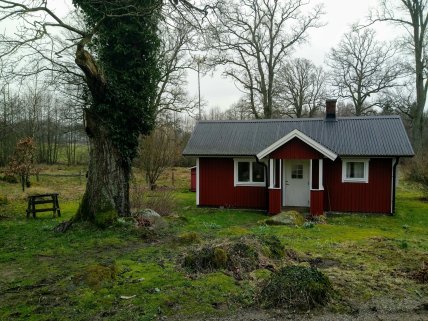
It was with glowing-heart astonishment that I found myself in a small wooden cabin just outside Ljungbyhed, a town in Skåne County, Sweden.
This European week began for Claire and me when, jet-lagged and head-fuzzy and grumpy that our initial hire car booking was somehow lost, I spent ten befuddled minutes trying to jolt a 2020 model BMW into life (tip for readers: press the start button and brake simultaneously). It’s a technological distance from a HQ Holden. I felt like a baby-boomer with an X-box.
I hadn’t driven on the right for fifteen years and among my first challenges was the Øresund Bridge linking Copenhagen and Malmo. Setting the wipers a-flapping every time I indicated was compulsory for your Mr Magoo.
It was blustery on the elevated bridge and a dizzying way above the sea. I kept my eyes arrow-straight and tried to not imagine our Germanic sports wagon being blown into the Sound where we’d doubtless perish among some bemused flounder, turbot and halibut.

Ljungbyhed is home to around 2,000 folks. It has a cinema. It has a welcoming supermarket or Hemköp. It has two Italian restaurants: Oregano and one named after the famed Napoletano pizza pioneer, Adam. It has no pub or bar and the two Italian restaurants are unlicenced. It has no government-owned liquor outlet, the Systembolaget.
Beside our red cabin is a forest. In this is a lake and, moored on the near bank, are a couple of pontoons. Each has a wooden table, and some chairs. On the older one is a squat barbeque kettle. On the deck of both vessels is a single oar. The water is dark and, I imagine, dreadfully cold.
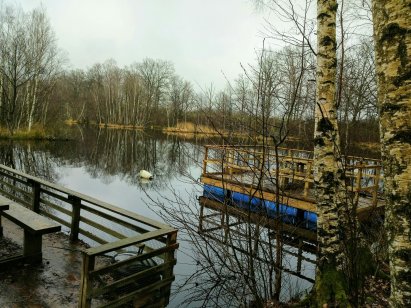
Claire and I decide to self-host (a most 2020 term) a happy hour. The wane sun is suspended high in the blue sky as we climb onto the far pontoon. We’re in coats and drape a rug across our laps. Looking like I’m about to rob a servo, or barrack for Port, I put on a black beanie. The beech trees are all bared and grey like ash, and awaiting the spring. Large, honking geese fly in and skid across the lake beside its island. These are called Sknegs, or Scania Geese.
With no wi-fi or signal our phones have become cameras (remember those?) and we ensnare some blissful moments. In Adelaide it’s about 2.00am, the Fringe has finished for the night and most are sleeping through a warm March evening. On our gently itinerant deck we chat of family and friends; shared high school days; the afternoon’s trek through Söderåsens national park; the languid autumn weeks ahead back home.
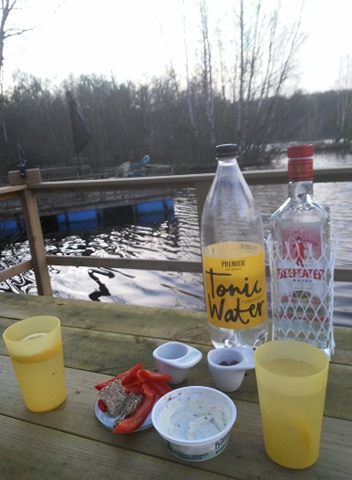
I have another olive and it’s delicious. Kalamata is king. Mediterranean joy in a Nordic setting. We have gin and tonic, too (like half the planet, I’m a recent convert) and this seems as London as the Hammersmith & City line.
There’s an endless twilight here but in half an hour we’ll hike back through the forest to our cabin. We’ll light the wood stove and open a duty-free Primitivo Cabernet Sauvignon from Puglia to enjoy with our pasta.
Scandinavian happy hour is terrific. You don’t even need a pub.

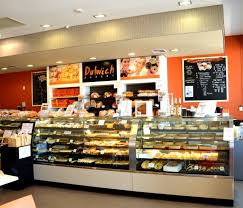
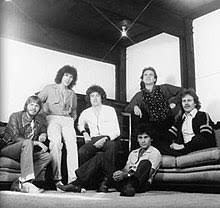
At noon I remember my quest: to eat this country’s finest sausage roll. The two proximate bakeries offer products of middling quality like Little River Band’s 1978 album Sleeper Catcher which after the hit single “Lady,” falls away dispiritingly.
The Dulwich bakery began in Adelaide’s eastern suburbs (yes, in Dulwich) and has since expanded like the belly of the man who ate all the pies and now there’s one in Glenelg South too.
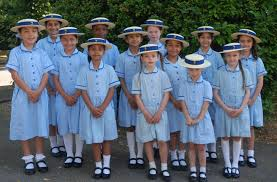
Heading along Partridge Street I pass a school where it’s also lunchtime and I see all the straw-hatted girls, all eating entitled food, all named Charlotte.
Gliding through the roundabout near the Broadway pub and despite being a modest Korean model, my car issues a little automotive whimper as I cruelly ignore the lure of beer garden refreshment and carry on.
Outside the bakery are shiny nubs of metal tables and chairs while inside are wooden booths, and my sausage roll, having been, “plated up” as Gordon Ramsey might bark, I take a quiet corner.
I have a bite.
Food and memory are coupled. Fish and chips on the breezy foreshore; a bucket of undrinkable coffee in an airport dawn; the languid schnitzel in a wine valley pub.
Sausage rolls speak of the past. Even if you trot out after reading this and buy one, I reckon you’re time-travelling to your childhood. They live in a black and white era when you were small and the world was unthinkably big. Sausage rolls, home-made with fork marks sealing the pastry, at a primary school birthday, when the fun was unscripted and there was running, lots of aimless, skun-knees running.
Today, the pastry is tasty and of a welcoming texture. It avoids the twin evils of being greasy and soggy or dry and flaky. A bright opening like, “Help Is On Its Way” the first song on Diamantina Cocktail. 1978 was a great year for LRB and for sausage rolls.
The filling is a pleasure: warm, with a suggestion of spice and pepper and showing a brownish, beefy hue unlike the Barbie pink of other sausage rolls loitering within this postcode. Various lunch punters come and go; variously corporate, high-vis, matronly, harried parent.
If I applied the Pitchfork (an alternative music website) album review metric I’d give my sausage roll an 8.3.
And with my lunch now commencing its growling digestive journey I considered my good fortune on this autumnal afternoon. I had the three essentials for a happy existence: something to do; something to look forward to; someone to love.
If peak Little River Band is the full version of, “It’s A Long Way There” the first song from their eponymous album, then while the Dulwich bakery release is excellent, I’ve not yet located the sausage roll equivalent.
My quest continues.

As Wordsworth lamented, doubtless about Mondays, “the world is too much with us” and on the first day of the week he’s right. Thursday and Friday are too frivolous for these matters, and Wednesday, at least in my house, belongs to Micallef and Mad as Hell.
After deep introspection I choose Tuesday night, and Tuesday night it is.
Formerly, if somewhat brazenly called Sex Ed, the evening session of Growth and Development for children and parents begins at our primary school.
Looking about from the back row I see Max’s soccer coach and his son, our neighbour and his lad, and other slightly uncomfortable children and their significantly more uncomfortable mums and dads. Alex tells me he helped put out the chairs. We’re in the school gym. While it’s a place of fun and games I wonder about the kids for whom sport means humiliation and tears.
As such tonight’s about puberty.
The presenter is sunny and welcoming and she has a PowerPoint with amusing cartoons including the compulsory picture of a boy at his local pool on the diving board. It’s obvious to the world that he finds particular physical pleasure in wearing Tony Abbott swimwear.
We discuss a diagram of the female genitalia and use a glossary to identify what’s what. Working through the list our leader says, “Can anyone tell me another word for labia?”
One eager boy blurts, “Pecker!”
We then had the legislated vulva and Swedish car joke which always goes down well, especially on a warm Tuesday night in a beachside suburb.
Moving to the male anatomy chart the cheerful host pauses at scrotum, as we all do, and asks for alternate names.
“Ball sack,” yells a small boy up the front of the gym.
A disembodied, pre-pubescent voice squeaks, “Nut sack.”
“Good, good,” replies our expert and then in a synonymic surprise she chirps, “Now does anyone here call it a Santa sack?”
There’s much roaring from the floor. Alex and Max jump and dance in their chairs. Your correspondent guffaws.
I then find myself contemplating Vas Deferens, and wondering if as well as starring in the Male Reproductive League (MRL) he was a footballer in the 1970s. I can hear Rex Hunt calling, “Vas Deferens collects the air conveyance, breaks a tackle and goes looooong!”
What characterised his career? Impressive clearances (of course) and dour defence, but he couldn’t lock down a spot with Carlton, so moved to South Adelaide in the SANFL, played one hundred serviceable games and now runs a pizza bar at Port Noarlunga where among older footy fans he enjoys a cult following. To this day not even his closest mates call him “VD.”
Our host subsequently speaks of each male producing 30 to 250 million sperm per millilitre of semen and I feel proudly productive, if suddenly tired.
The PowerPoint then shows a teenager mid-wet dream and I’m sure the dads in the gym become distantly nostalgic although no knowing nods are exchanged among us in the back row.
Our final topic is on being kind to yourself through the challenges of puberty. We’re reminded that being a loyal friend is far more important than any temporary looks, and how we should think of the things we’re good at like caring for others or reading or helping at home.
She then asks us to be glad for other blessings, and I lean in to Alex, newly twelve and veering between young man and innocent boy and whisper, “I know you and Max are grateful for Dad’s tremendous comedy” and he punches me on the thigh with affection and I feel pleased for this tiny moment.
Walking home I’m keen to talk about our evening, but excited and with pent-up energy, the boys run and wrestle and bounce along the footpath like an enthused epididymis and I don’t mind. They’re busy being kids.
We’ll speak of sperm and scrotums in the morning. Or not.
There’ll be time next Monday.

Apologies to Triple J, those entrusted with preparing gravy, Billie Eilish, fans of the long barbeque lunch, Humphrey B. Flaubert, Jock Cheese, Eugene de la Hot Croix Bun and Ron Hitler-Barassi.
In a very particular order, and with no editorialising, here they are. Judges votes are final etc.
10. And Stubby Holder of the Week (SHOTW) goes to the Cobdogla and District Club (est.1958).

9. And Stubby Holder of the Week (SHOTW) goes to the Kapunda Footy Club. Congratulations. Your prize will be sent by carrier pigeon.

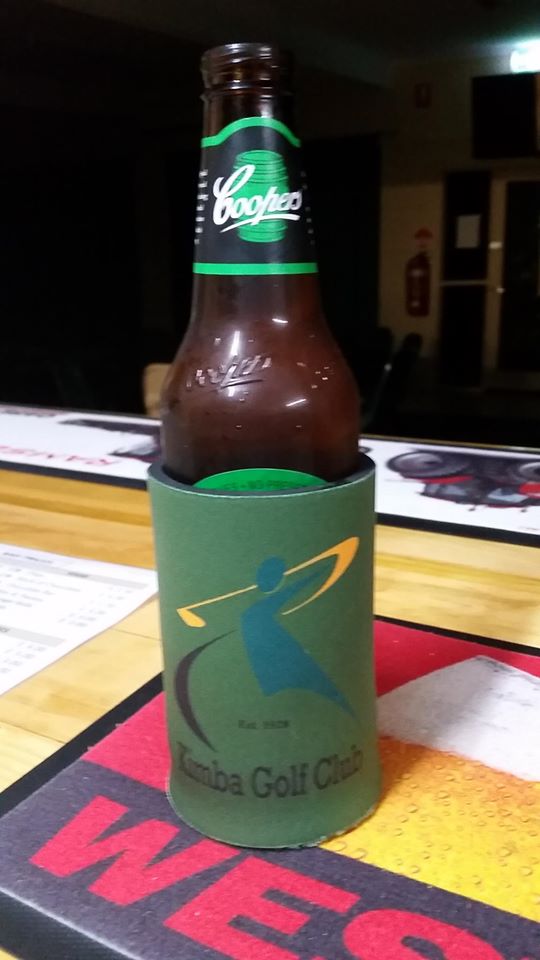
8. And Stubby Holder of the Week (SHOTW) comes to you live today from the Kimba Golf Club where, in a curious twist, the winner is the Kimba Golf Club.
7. And the winner of Stubby Holder of the Week (SHOTW) is the Footy Almanac. Congratulations to all involved.

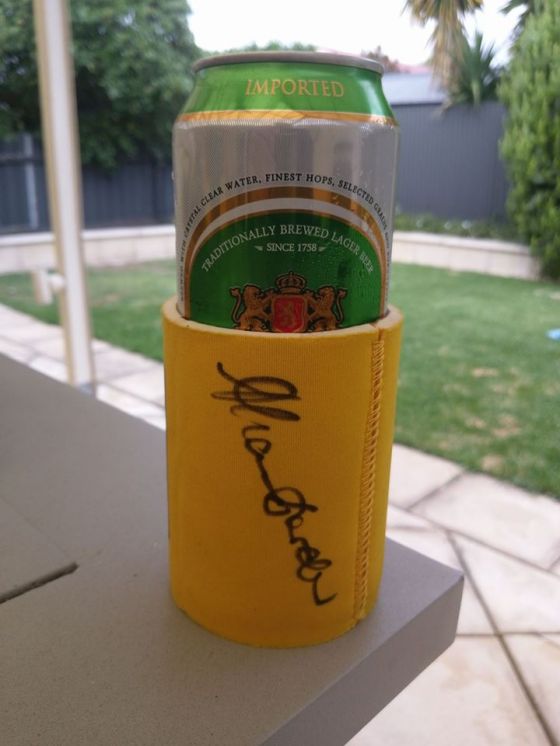
6. And Stubby Holder of the Week (SHOTW) is the one Allan Border signed when I met him at the Holdy. Yes, it is a XXXX Gold holder (don’t show your kids).
5. And the winner of Stubby Holder of the Week (SHOTW) is the Sharks FC, one of Singapore’s finest Australian Rules footy clubs. Your prize will be posted shortly.

4. And the winner of Stubby Holder of the Week (SHOTW) is Coopers Session Ale. Obviously, no actual beer was harmed during the taking of this photo.

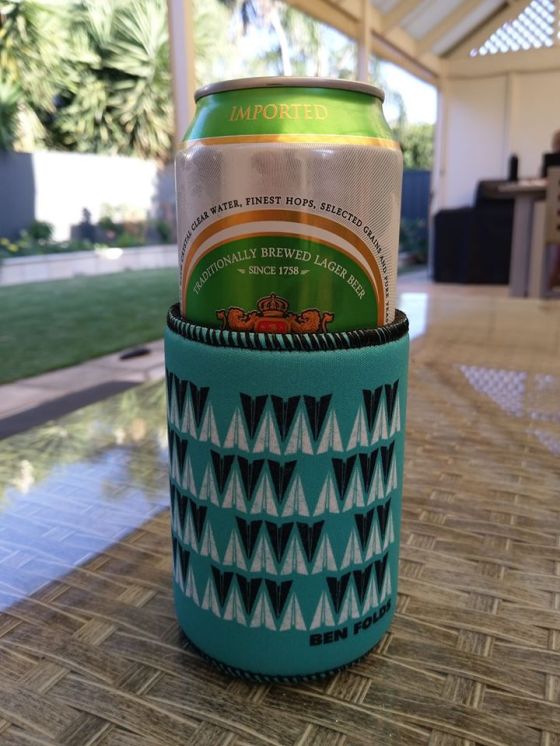
3. Congratulations to former Adelaide resident and Le Cornu shopper Ben Folds on receiving Stubby Holder of the Week (SHOTW).
2. And the winner of Stubby Holder of the Week (SHOTW) is Crows’ icon Darren Jarman- Around the body, that will do. That. Will. Do. Congratulations Darren, your prize will be mailed to you.
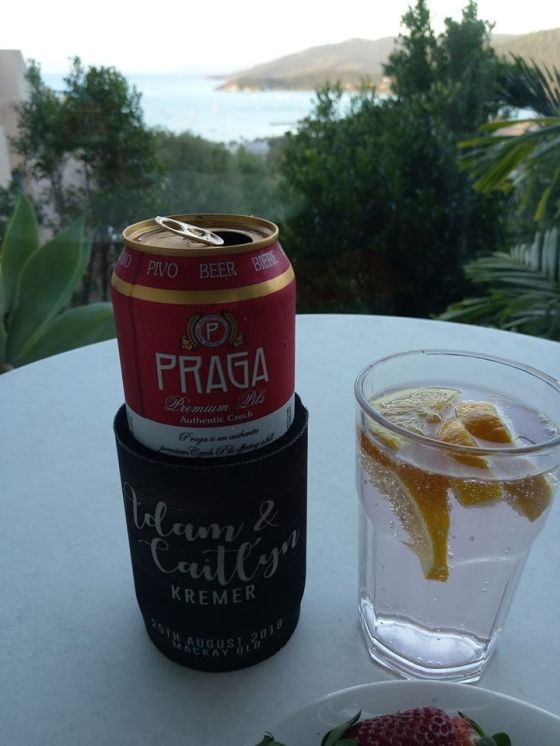
1. And Stubby Holder of the Week (SHOTW) goes to Adam and Caitlyn. I bloody love youse. I have never met you.
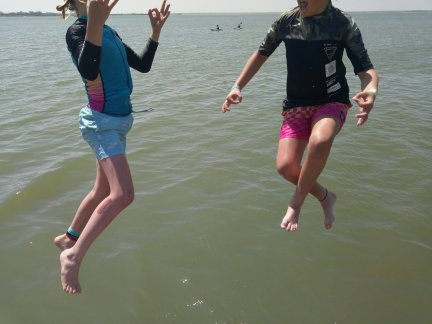
I need to apologise to the wonderful Kimba Area School Year 9 class of 1992 whom I took on a week-long camp to Burra, Barmera, Renmark and Clare.
Planning the event I booked some aquatics at Lake Bonney and struggled to find another activity when I stumbled across the Cobdogla Steam and Irrigation Museum. It somehow seemed reasonable. Recently in the car my youngest Max said to his brother Alex, “Why would you ask Dad a big-brained question when we know he’s a small-brained man?” and dwelling now upon that early- 90’s afternoon, I see this as a terrible pattern on my behalf.
I should’ve taken the Year 9’s to Lake Bonney and demanded they jetty-jump for six or seven hours. Provided they had their swimming jeans.
We had a tour guide: an aged man of terrifying, non-infectious passion and an ability to lecture at length matched only by his ability to not sense the crushing boredom he was inflicting upon his audience. If teenaged violence had erupted that day in Cobby, no judge would’ve convicted anyone.
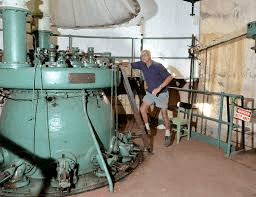
He spoke to us for 45 excruciating minutes on the world’s only working Humphrey pump with charcoal-fired gas producers. During his unbroken monologue I found myself wondering if I’d turned off the iron, how the Nicaraguan soccer team was travelling and what Allan Border might’ve had for breakfast that very morning. I’m sure the actual inventor of that wretched pump would’ve nodded off himself.
So, again I’m sorry. I owe you a drink.
However, just up the road is the Cobdogla Club which is one of my favourite places. We were there last Thursday and this happened to be Schnitzel Night. If you live in this part of the world the pubs and clubs have it neatly organised so that every night of the week is Schnitzel Night, although this could be both a dietary blessing and a curse.

On the front door is a friendly sign asking the patrons to not swear, and in 2020 when the casualisation of this is rampant, I like it and get the boys to read it.
Inside is spacious and rustic. The boys rush to the free iPads which is fair enough as they’ve endured a horrific ten-minute car ride from the holiday park without a device.
The drinks menu is broad and the wine prices seem frozen at 1995. A glass of white (no, not Hock) is $4.70, and the lack of Coopers on tap is disappointing, but XPA cans are a fiver.
The salad and veggie bar is always a treat. Brussel sprouts are what Max calls, “balls of leaves” and I inhale six. There’s corn, carrots, and cauliflower and broccoli bake. It’s terrific.
We talk of the coleslaw. It can’t be easy being coleslaw, especially if you’re mostly cabbage and therefore overly pale and grim. Next to the rich colours of the beetroot and the Asian noodles you, poor coleslaw, look more ghostly than the long-gone inventor of the Humphrey pump, sitting quietly across the fields, in its dusky horror.
The schnitzels arrive quickly and are a generous size. They’re tasty, perfectly cooked and in another demonstration of the Cobby Club’s timelessness, the meat isn’t on top of the poor fecking chips, making them squashed and sweaty as happens in too many places forcing diners to go through the mindless ritual of rescuing their fried potato friends.

No, dickhead. Not like this.
Who started this nonsense? Bring them to me, and I will scold them for 45 excruciating minutes, in an unbroken monologue, about the profound annoyance of this, and how in a world crying out for simple, uncluttered joy we must keep our schnitzel and our chips separate.
But, of course, this doesn’t happen at The Cobby Club. And that’s one reason we’ll be back next year.


I notice it early. The drummer, lashing and bombastic and then gentle, is wearing a Collingwood jumper. Chris Thomson is the stickman for Vampire Weekend and here in The Forum, in the heart of Melbourne, it’s a gesture emblematic of this band’s magnanimous outlook. I’m not a Magpie fan, but I smile. It’s an offering, a symbol of hopeful connection.
*
I instantly love The Forum. An arts venue must be evocative and not simply functional. It should also be an instructive text, and a participant in the unfurling theatre. Inside’s a blue night sky, kitsch yet confirming Roman busts, spaciousness, coolness, and a beguiling solidarity amongst the eclectic gathering, all there for the same connection. A generous security guard takes our photo, while the beardy Scottish one near the VIP section is chirpy denial when we ask to sneak in.

*
Third song in is, “Unbelievers” from Modern Vampires of the City. It’s chugging, train-like rhythm and stubborn optimism, but I love the distillation, the there’s-a-life-right-there, gorgeous binary of
I know I love you
And you love the sea.
*
An Oxford comma is a controversial punctuation mark. It’s also the title of the first Vampire Weekend song I heard in which it’s a symbol to critique affectation and exclusivity. It references Dharamshala in India, site of the world’s most strikingly situated cricket ground with the snow-capped Himalayas creating a painterly mis-en-scene. Dharamshala is also home to the Dalai Lama. I hope Vampire Weekend write a song about the apostrophe. Gee, we need’s it.

*
Fresh from lunch at Il Tempo on Degraves Street we amble up Flinders Street to investigate The Forum. The capitalised black font on the front’s white hoarding rouses a frizz of frisson. Next door Hosier Lane ribbons with its urban art while across the road is angular and aggressive Federation Square. Like the difficult, exciting world itself we’re at once confronted and comforted.

*
That other 2020 Australian phenomenon, the power outage, quieted the band part way into “Cape Cod Kwassa Kwassa” and twenty minutes later they took up the song where it had collapsed before it plunged again and Ezra said that a third, and final attempt to fix the electrical issue would proceed, but we dreaded our night would suffer voltage interruptus and Claire and I would wing back to Adelaide, unrequited and hollow. Blissfully, the show then rollicked through 27 songs including an encore request for, “Ottoman” which shares lyrical intertextuality with, “Cape Cod” courtesy of the gently self-mocking
it feels so unnatural, Peter Gabriel too.
It could be a nod to the band’s supposed Afro-beats cultural appropriation.
*
To soar music needs space and silence. Within songs and across songs this transpires Tuesday night in The Forum. I like being invited to dart into the air and light by harmony. Colour and texture and welcoming lulls for my mind and ears. Art’s a conversation, a handshake, an invitation to make an investment. I can hear former band member Rostam Batmanglij’s legacy: bewilderingly pretty piano lines; unique guitar resonances; sonic and human fragility.

*
Greta Morgan’s a multi-instrumentalist touring with Vampire Weekend and like everyone on stage, she contributes effervescently. We enjoy her 80’s dancing behind the keyboard during which she sways from side to side like she’s in a Human League tribute band. Brilliant. She plays a maraca too, and in a 7-piece outfit, in this age of drowning sounds and buffoon noise, we watch and concentrate and pick out its tiny sunny rattle. At once each band member is both within the ensemble and without, operating in a private territory and yet coupled to organic whole.
*
Of the songs I’ve anticipated across both hemispheres and many decades we especially want to hear Vampire Weekend’s “Hannah Hunt.” It’s a text of deep and shuddering significance. At 2.40 the music bursts, and the moment is perfectly formed with beauty and despair and somehow, despite it all, triumph. After the song, front man Ezra Koenig describes how the opening lines were inspired by dialogue from Picnic at Hanging Rock. It’s also an offering, a symbol of hopeful connection.
A gardener told me some plants move
But I could not believe it
Till me and Hannah Hunt
Saw crawling vines and weeping willows
As we made our way from Providence to Phoenix
*
Two giant blue and green globes are thrown among the mosh pit who bounce and tumble them about with joyous physics. It’s been a superb set and the realisation of a shared goal. The final song is “Ya Hey” and it’s introduced with an acknowledgment of the bushfire crisis and there’s poignancy in the lines
Through the fire and through the flames
You won’t even say your name.
It’s also an offering, a symbol of hopeful connection.


Such is my undying dedication to critical thinking with regard to contemporary baked goods that although it was already one hundred degrees (Fahrenheit is decidedly apocalyptic) just prior to midday I gritted my teeth, pushed through the punishing heat, walked in and bought their finest specimen.
Is $5 too much? In 2020 and enjoying life in my seventh different decade, I guess not. Of course, I then heard these sinister words.
“Would you like sauce?”
No, came my overly curt reply. I should’ve worn my patented anti-sauce cap to save her the bother.

Back outside I found a table and chair on the footpath/sidewalk/pavement (delete as required). I had no competition. It was hot.
My sausage roll and I were ready for each other, like contestants on Perfect Match, except there’d be no lies about loving bushwalking and horse-riding and rock-climbing. And no Dexter to provide a compatibility percentage.

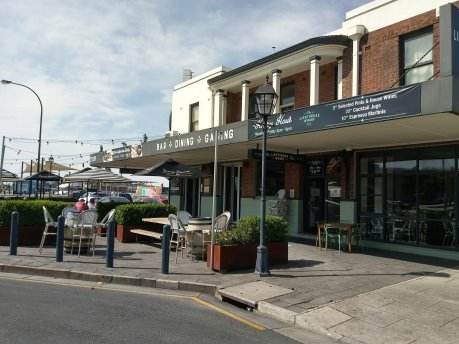
I looked across the road and saw the Watermark. The extra-large, charisma-free, over-priced, charmless, mid-strength beer-haunted, pokies-riddled pub. I must get in there again soon I thought to myself. Especially around five on a Friday if I feel an odd need to receive a kickin’ from a high vis type who has been in there all day and because his jet-ski is about to be repossessed, is angry with the world, in a generalised, nagging, Cro-Magnon sort of way.

I took a bite of my sausage roll. It certainly tasted like one. This was a promising start, but then again, if you hear “Hey Jude” on the radio it’s instantly recognisable although it mightn’t be the Beatles but some pale photocopy of a boy band, all clothes and choreography and clueless.
The aroma confirmed this but didn’t engage me. It sat there in my nostrils, but like me at a salsa party, there was no dancing, just a sullen inertia.
I think the pastry fundamental to the sausage roll experience and this was somewhat sweaty and fell just short of that most disagreeable state: oily.
The meat was of an appropriate consistency, but as the aroma suggested, lacked memorable character and arresting spiciness.

Just over in Colley Reserve I imagined the big hole by the Patawalonga. Recently, the replica of the HMS Buffalo, proudly built in 1980, was finally demolished. In 2030, Mayor Chad Cornes will announce plans to build a replica of the replica of the Buffalo as it will “create exciting tourist opportunities” for Glenelg. Not any humans mind you, but seagulls and pigeons and exiled magpies. There’s nothing more likely.

I continued with my meal, but like a small child found it no longer had my interest. If I was a toddler it could have been the day’s third apple out of which had been taken a solitary bite.
Safely home, I reflected on my sausage roll with Claire and we decided that I could be seeking higher meaning where none exists. Despite the endless awards – name a country bakery that hasn’t won a prize for its pies – the very best ones are the home-made variety. You know, those with the fork marks sealing shut the pastry, the fork marks that suggest love and family and hope.
Oh, how I love those blessed fork marks!
Yes, that’s what I need to do. Make some home-made sausage rolls. These will solve my existential crisis, and correct my view of the world on this hot, punishing day!
Right, where’s the mince and pastry and my precious fork?
Hang on. Just as soon as I’ve had a restorative nap and watched the cricket.
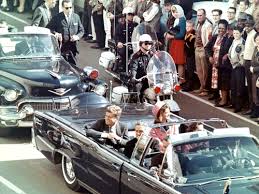
The 22nd of November 1963 was a dark day in American history, but also one of the brightest too. Their president, John F. Kennedy, was assassinated in Dallas, but A Christmas Gift For You From Phil Spector was released. It didn’t perform well at the time, but is among the greatest festive records, and has now enjoyed both commercial and critical success.
The album has been on high rotation for me and running for just over half an hour, it features The Ronettes and The Crystals. Its songs are secular and mostly covers, but performed with wide-eyed innocence, speaking of mid-Western values, fresh snow and an idealised version of an American Christmas.
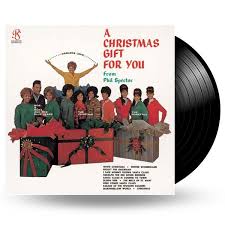
They are uniformly effervescent. Produced by visionary record producer Phil Spector using his famous “wall of sound” methodology he described this as a Wagnerian approach and it’s akin to a musical collage. Often in mono, the instrumentation is layered and sumptuous, and influenced the Beach Boys, most notably on ‘God Only Knows.’

Paul Kelly’s ‘How to Make Gravy’ and ‘Fairytale of New York’ by The Pogues are central to my auditory experience of the year’s penultimate week, but not that nameless aspirant squawking at the Sidney Myer Music Bowl in front of those sleeping babes during Carols by Candlelight. You know the one: she came seventh in season 6 of X Factor and is now upsetting Alf in Summer Bay. At time of writing I trust the cryogenic defrosting of serial baritone warbler Dennis Walter is on schedule.
‘Christmas (Baby Please Come Home)’ is the highpoint of A Christmas Gift For You From Phil Spector and rightly assumes an elevated position in popular culture. It’s performed by Darlene Love (a minister’s daughter) who like Aretha Franklin, Whitney Houston and Marvin Gaye learnt to sing in church.
And what benefits her religious upbringing has brought us! Sadly, for your correspondent, a sustained childhood in Kapunda’s St Rose’s Church, with a suitably pious stint as an altar boy, provided me with no vocal assistance as my ungodly atonality attests.

In addition to Darlene Love performing it for thirty consecutive years on Letterman it’s used as a dramatic counterpoint in Martin Scorsese’s acclaimed gangster film Goodfellas. Robert De Niro’s character Jimmy (of course) has just pulled off the country’s biggest ever robbery at JFK airport, the so-called Lufthansa heist, and at their Christmas party various mobsters are bragging about what they’ve bought. Jimmy is upset. They need to keep low.
What did you say? You being a wiseguy with me? What did I tell you? What did I tell you? You don’t buy anything, you hear me? Don’t buy ANYTHING!
Despite all its sweetness and joy the song generates jukebox menace as we know there’ll be ugly consequences. It might be Christmas, but someone’ll get wacked! After all, De Niro’s involved.
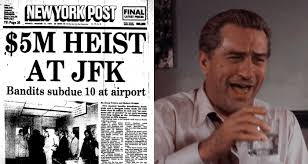
This aside, it’s a gorgeous, uplifting track; rollicking along in an irresistible, up-tempo way that evokes connection and fireplace closeness. I reckon if you listen carefully, you can also hear seventeen-year-old Cher singing backup vocals. It was among her first jobs.
But in 1963, back when our planet was alive with youthful promises of the space age and small-town purity and neighbourly generosity, Darlene Love gives an almighty musical performance.
Go on, play it as you enjoy Christmas lunch. The pudding will never have tasted better.
She appeared at the doorway, and said hello.
Like most boys at thirteen, his youth and inexperience in the world rendered him essentially inarticulate, but within him something profound spoke, as it would every time he saw her across the next four decades.
She was summery: pretty swirling dress, tennis shoes, hair in pigtails. She was cute, unaffected, curious. Fresh cheekbones, wide smile, bright eyes. She came from the city she said. Magill. He’d heard of it, but couldn’t place it on a map.
He found her electric, but smartly aware of her surroundings. She had a compelling voice. It was melodic, confident and engaged him as if he were an infant. In his universe it would ultimately occupy an exalted place. Its warmth blanketed him in previously unidentified ways, and made the space around him melt so that all else vanished. It was a voice from which he’d happily never recover.
It was the first quality about her that he loved.
A cloudless November day, the little primary school room was empty. His former art teacher invited him to run a disco at the annual fete, so he’d brought his cassette player and it moved along with songs from Grease, Saturday Night Fever and other tunes of the day.

Involuntarily committing this moment to memory, his higher-self took charge and the infinite, twinkling stars comprehended more than he, as we need stars to do. Over the years he’d return to that enchanted sliver of time and space, and strain to recall the detail.
But he had no cinematic vision, no snippets of dialogue to replay in his mind. Just a knowing sensation below the crust, the lithosphere, the mesosphere, in his now-surrendered inner core.
With the trajectory of a distant comet, prodigious events were at that point set in silent motion. He couldn’t see them, and of course this knowledge would have been both comforting and terrible in its certainty.
Cosmology intervened and before she left, he had subscribed to her orbit. How remarkable that his short life had been a rehearsal for this dream role. He was unaware that he’d already been cast.
She was with him in that wooden room for eleven minutes.
His molecularity, his neurology, and his fledgling heart now had a brief meeting. At its conclusion they all nodded towards each other. Let the record show, they chorused, that this would be the defining moment.
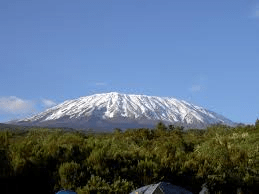
Later reflecting that he could scarcely list the actual beginnings of any key relationships, this one would stand above all others like Kilimanjaro above the savannah.
He was thirteen.
Although it wasn’t an urgent and consuming affection, he knew it was a significant encounter, unlike a meteorite which collapses to earth, and is forgotten, for it was more substantial than that.
They were to be classmates and friends and inescapably connected. High school’s happy days extended out beyond their immaculate horizon. Then would follow university, other loves, travel, kids, sadness and the wider planet.
She skipped back out through that doorway, and he was happy he’d see her again soon.
And so, he fell in love with her.
Their story had begun.

Lighthouses have significant symbolic power as they represent saving innocent lives, but also those lost to the infinite power of waves. Tributes to consuming love and optimistic simplicity, lighthouses are also emblematic of aspirational elegance.
Besides, who hasn’t entertained the thought of a month in one, with the person of your dreams?
According to them internets Australia’s lighthouses are variously classified as: active, deactivated, destroyed, automated, solar-powered, survived cyclone Tracy, abandoned, struck by lightning, and my favourite, kerosene-driven. Is kerosene still available? I hope so, and might later pop down my local servo with a rusty tin and get some, just to keep in my shed.
With its suggestions of whale-boned corsetry Lady Bay Lower Lighthouse in Victoria is an evocative example while Malcolm Point on Lake Alexandrina features the country’s only inland lighthouse built to support River Murray trade. I can picture Sigrid Thornton frowning beneath its towering majesty in a big frock and bonnet. It was turned off in 1931.

South Australia has 27 lighthouses and there’s one on the Port River following its relocation in 1986. Red and white, cast iron skeletal and hexagonal, it stands 82 feet tall and is adjacent to the Lighthouse Wharf Hotel.
Drifting in around 5 bells as part of my now annual visit to this part of town I’m impressed by the light and breeze and welcoming mis en scene, all exposed brickwork and craft beer taps. I mention Greg Phillips the former publican, Port Magpie powerhouse and sire of Erin Phillips, herself an icon, but the bar staff reply
“I’m only new.”
“Check with Nick. I’ve only been here a month.”
“Greg who?”
Waiting for my $5 happy hour pint of Coopers Pale Ale (delicious and inexpensive) I note a poster advertising the pub’s Trivia Quiz Nights. I can only conclude that these include questions like
What is the most common form of trivia?
Did Shakespeare use the word trivia in any of his comedies?
What are the top five topics for trivia in Moldova?
Should pubs avoid tautology in their marketing and have either trivia nights or quiz nights?

Old mate Bob and his lad Jack join me out the front and we take in the Customs House, sailing ships and knots of punters (maritime metaphors are compulsory down here) who are also in their Thursday, Adelaide Test eve, chirpy cups. Jack has a Coke and a bag of chips, which is surely all that an eight-year-old needs after basketball training and with a mere month until Christmas.
Nautical suburbs are inescapably compelling and Port Adelaide, with its tangle of narrow streets and grand architecture, is wonderful. However, its promised rejuvenation seems a way off. Bob and I agree that a key strategy must be to increase the local population with affordable housing.
The Hilltop Hoods are playing in the background and urging us in myriad ways, to myriad unforeseen destinations. We have another beer.

Lighthouses feature in music too. British prog-rock pioneers Van der Graaf Generator have a song in their sludgy catalogue called, “A Plague of Lighthouse Keepers,” a ten-part, 23-minute concept piece ruminating on the complexities of lighthouse keeping, what with all those storms and ships smashing upon jagged rocks and sailors perishing. But it’s not blasting over the speakers in this beer garden today.
I prefer Sydney troubadour Josh Pyke’s paean to these beacons called, rather unconfusingly, “The Lighthouse Song.” It’s about the beauty of binary and the need to flee a crushing planet.
So we are moving to a lighthouse, you and I
While seas drown sailors, we’ll be locked up safe and dry
And though our doors may knock and rattle in the wind
I’ll just hold you tight and we’ll not let those fuckers in
We vow to return soon. There’s much left to experience such as a meal hopefully not featuring a schnitzel inexcusably crushing its desperate bed of hot chips, live music, and that most potent symbol of great hostelry, the giant connect four game in the beer garden.

 mickeytales