0

Mystery Pub: Plenty of Room at the Hotel Colac

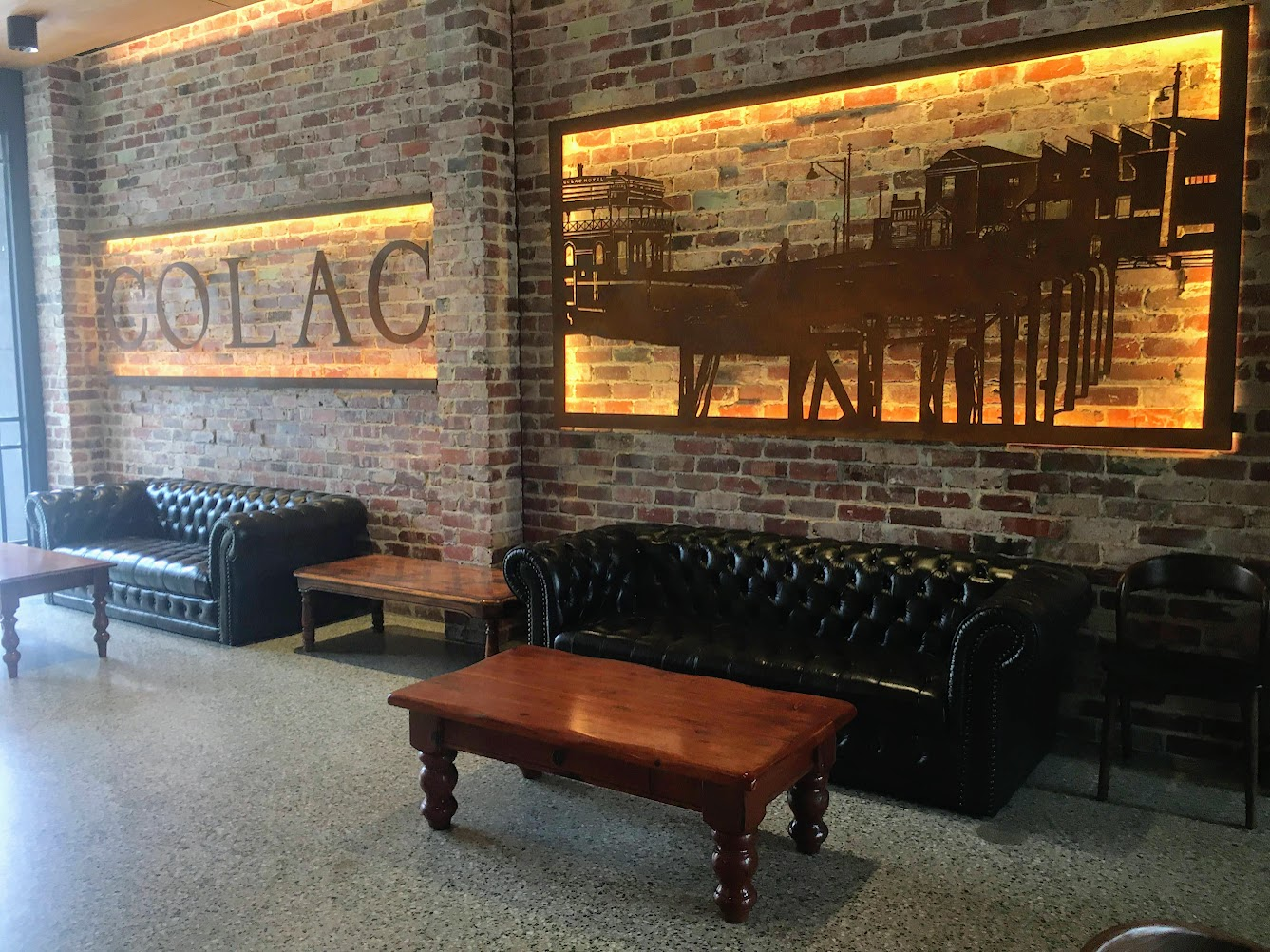
In a suburb stuffed with notorious pubs, The Colac was Port Adelaide’s worst. It was known as The Bloodhouse. It was abandoned for decades. The land around it formerly summoned The Great Gatsby.

This is the valley of ashes—a fantastic farm where ashes grow like wheat into ridges and hills and grotesque gardens

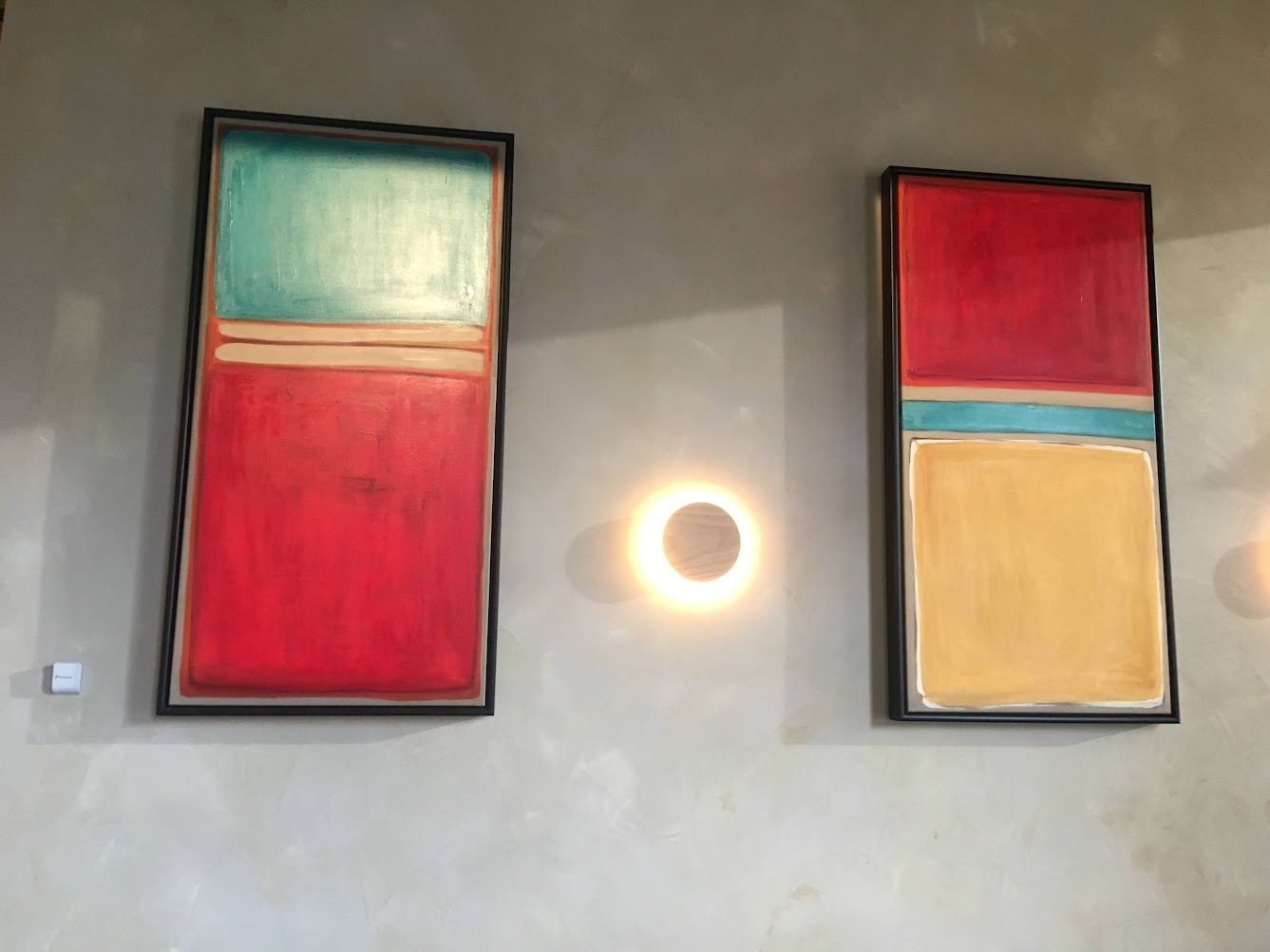
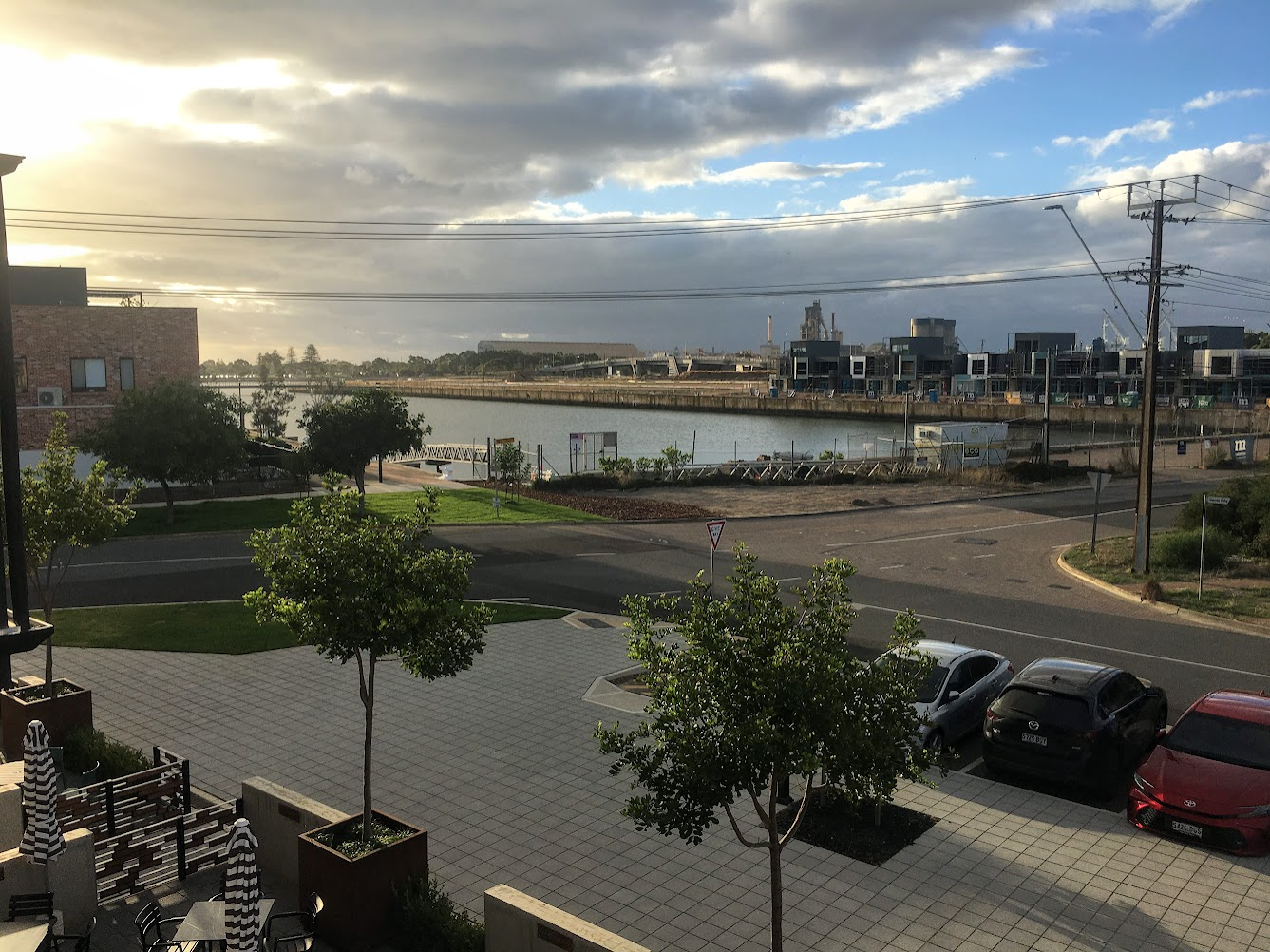
The pub has reopened and is splendidly appointed. Opulent furnishing, sublime art, strangely odourless air. Light drenches the two stories and three distinct spaces, having bent in from the becalmed Port River. Later jazz, a piano ready on the stage. Wagyu and other prized cuts in a cabinet.

The wait staff were welcoming but began yapping at us like terrier pups, having gone from attentive to nutso annoying.

How were the customary hot chips? Sprinkled with fetta, garlic oil, wolfed.

The Colac is now crowded in by eager rows of boxy terrace homes, like an English village. Is the invigoration of the Port finally underway?

*

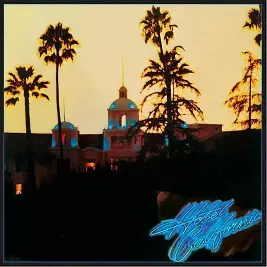
Home, with the dark descending. It’s my favourite hour for a vinyl album so I popped on Hotel California.  Shoeless, Claire busied herself cheerfully. I plonked myself in a chair.

I read recently the title track is, among many other things, a reggae song. This genre is difficult to love due to its repetitive boing-boing. For me The Eagles’ tour de force is now tainted. I hope I can reverse this.

Clasping a refreshment, Life in the Fast Lane began with its sunset swagger. As Claire scurried in and out, I contemplated how the guitars are like a Chevy Impala hurtling down Mulholland Drive. The melody and the lyrics marry. When sound mirrors the meaning is this word painting the musical equivalent of onomatopoeia?

The penultimate track is the sun-kissed Try and Love Again, sung by the late Randy Meisner. He’s best known for Take It to the Limit, where his voice soars — arguably their finest. But the nightly demand of it became a private terror. ‘I was always kind of shy… They wanted me to stand in the middle of the stage… but I liked to be out of the spotlight.’ He quit at the zenith of their fame. How cruel to be haunted by your gift?

*

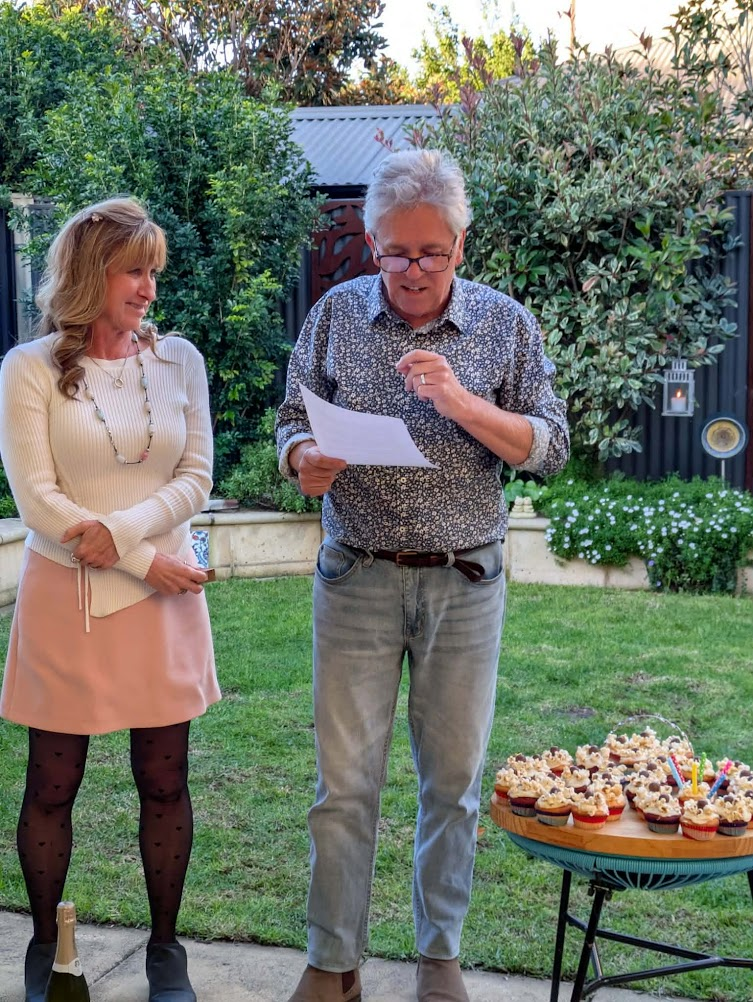
Saturday saw the next in this year’s succession of milestone parties. A 5.30pm start for our dear friend, JB. On the veranda, I wondered aloud to nobody that our social functions now conclude at the hour they once would have begun.

The theme was a reprise of her previous big celebration: come as the person, you’d like to be, so Claire and I both transmogrified to seventeen-year-olds. A school dress (Claire) and Kapunda High blazer (me). Are we misguided in wanting to be younger versions of ourselves?

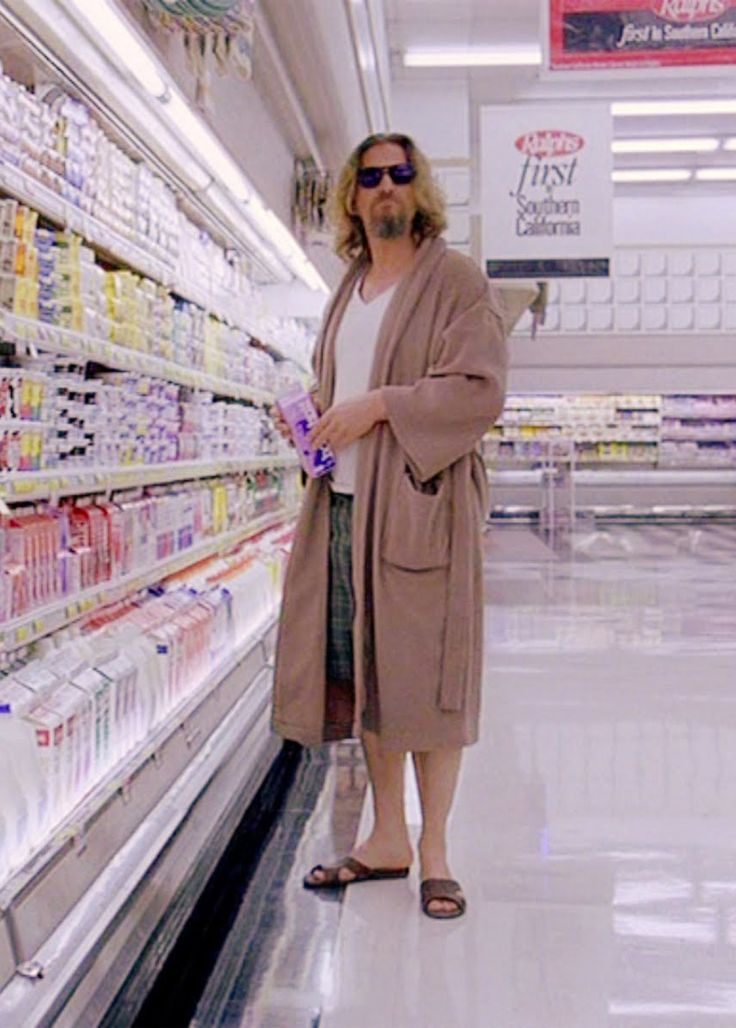
At JB’s 2016 birthday, I’d gone as The Dude from The Big Lebowski. He remains a profound inspiration but now proved too difficult to properly source, sartorially.

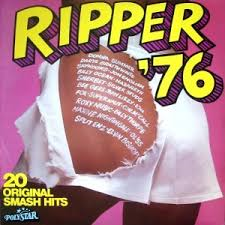
Across the backyard, Eagle Rock chugged. With Michelle’s kind kidnapping, I participated — trousers hitched. Later the song Mickey played. Trish performed a cruelly accurate impression of year 12 me doing the Health Hustle.

In the courtyard, they danced on, sweet with summer sweat — some to remember, some to forget.

It was a heartening weekend.

0

The Eighth Caller Through: The Cars, Neil Young, and Goanna

Aside from Derek and Clive, Caddyshack, and late capitalism, old mucker Lukey and I natter and laugh about music. He played drums in 90’s Adelaide bands Imelda’s Shoes and Fuge. I remember my late-night excitement at hearing him keeping time on a song Richard Kingsmill introduced on Triple J. At 10pm on a Tuesday, it was fame by association.

Last Christmas, Lukey dropped off a stack of old vinyl — hefty, musty, and packed with sentimental promise.

*

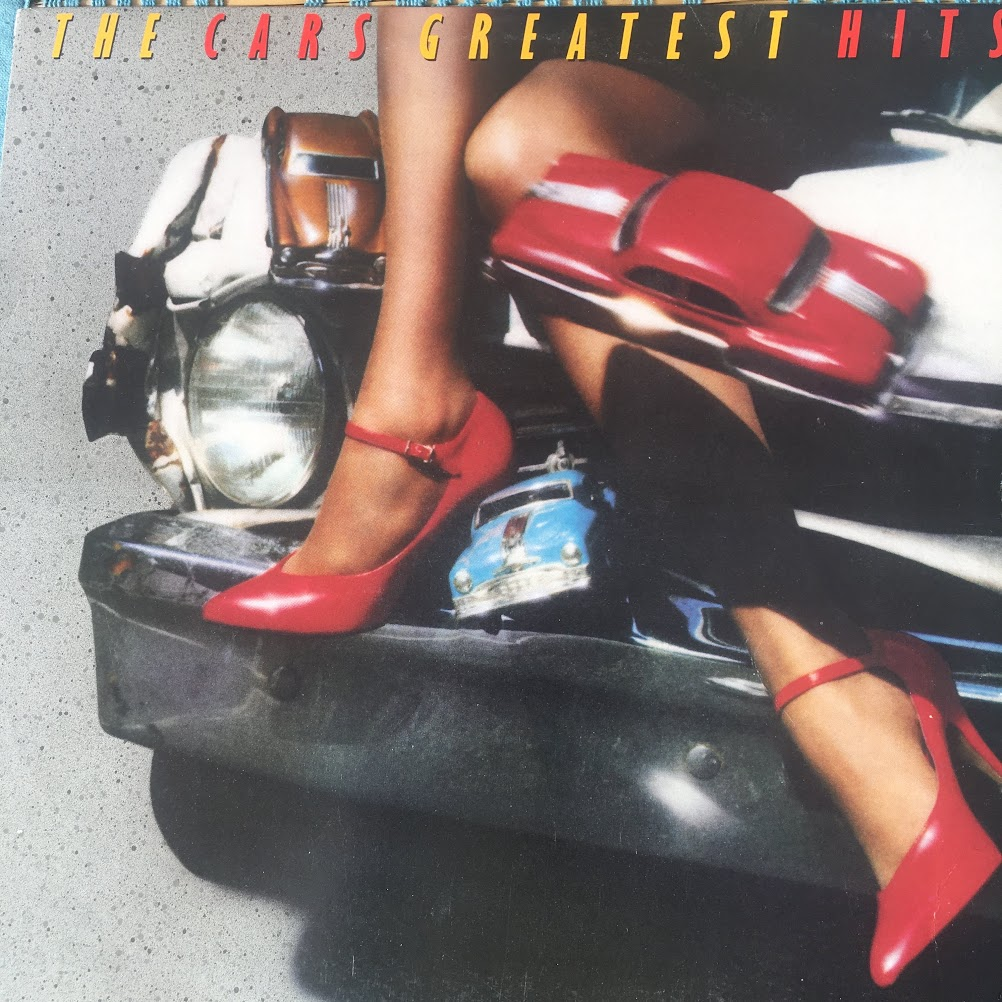
The Cars – Greatest Hits

I recall Shake It Up as a mood-lifter, and I’m sure the Grand Prix night of 1986 when Chrisso, Lukey, and I were in Nick’s unhinged Honda on the Freeling straight, there was plenty of brotherly love. Doubtless, The Cars roared out the open windows of that hatch-back as we hurtled past the darkened barley.

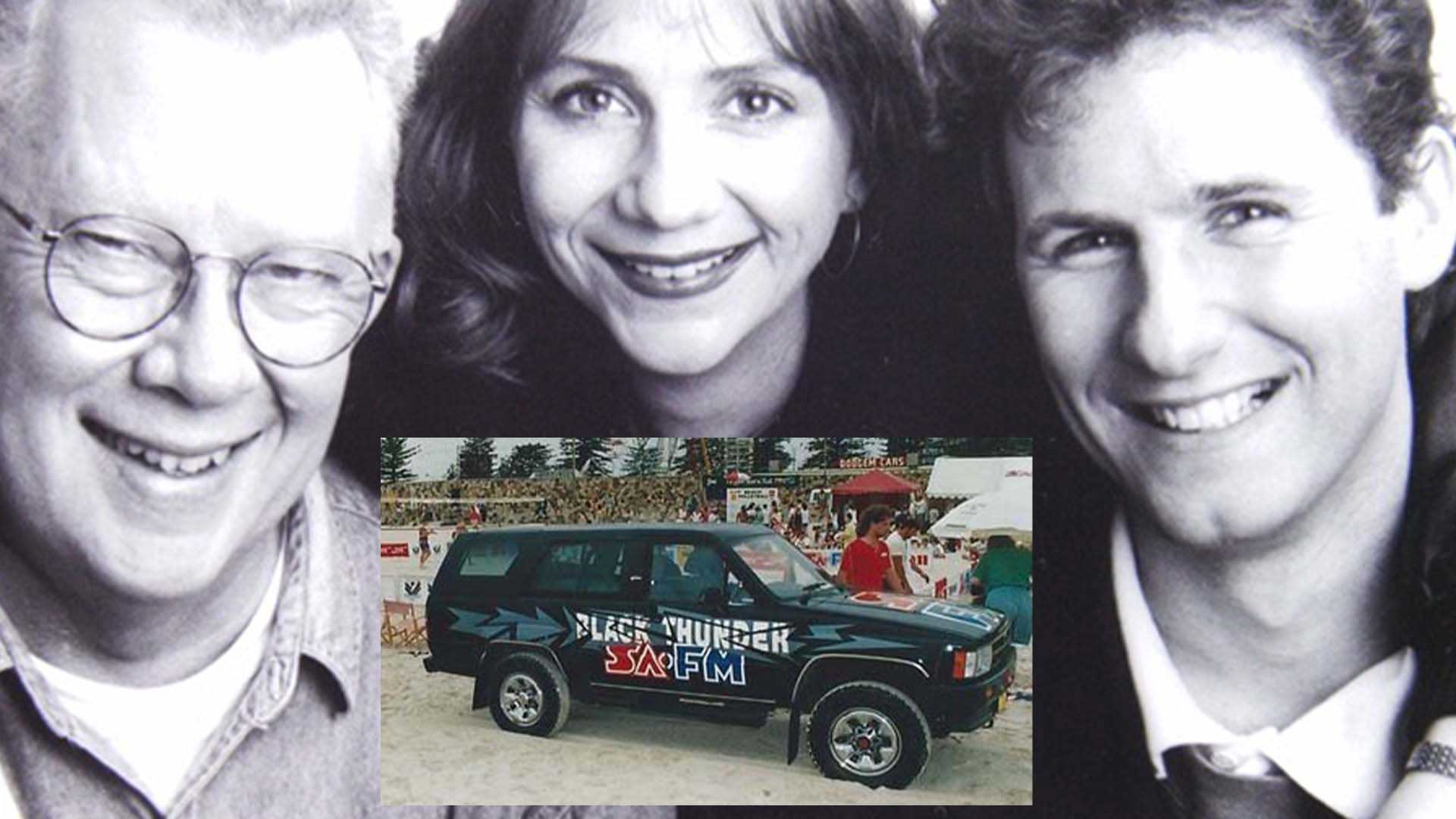
Can you imagine how many Triple Tracks of The Cars were rolled out on SA-FM across the 80s? If I had an icy-cold can of coke for each one then, well, I’d be diabetic and dead. I connect this Boston band with adolescent summers and oddly enough being in cars — like Nick’s Honda — rushing to the cricket, the drive-in, the beach at Port Willunga.

The songs are mostly upbeat with guitars and robotic Roland synths. Although I’ve made no deep investigation, the lyrics were the usual love’s good or love might be good or love’s a mess formula. Yes, mostly empty but we were nineteen, music didn’t need to be apocalyptic and Dylanesque. Solemn examinations of the human condition optional.

Uh well dance all night and whirl your hair
Make the night cats stop and stare
Dance all night go to work
Do the move with quirky jerk

Given The Cars drove, err, in a tight lane, you could be forgiven for thinking it’s all the same song, but I like Just What I Needed, You Might Think, and My Best Friend’s Girl.

*

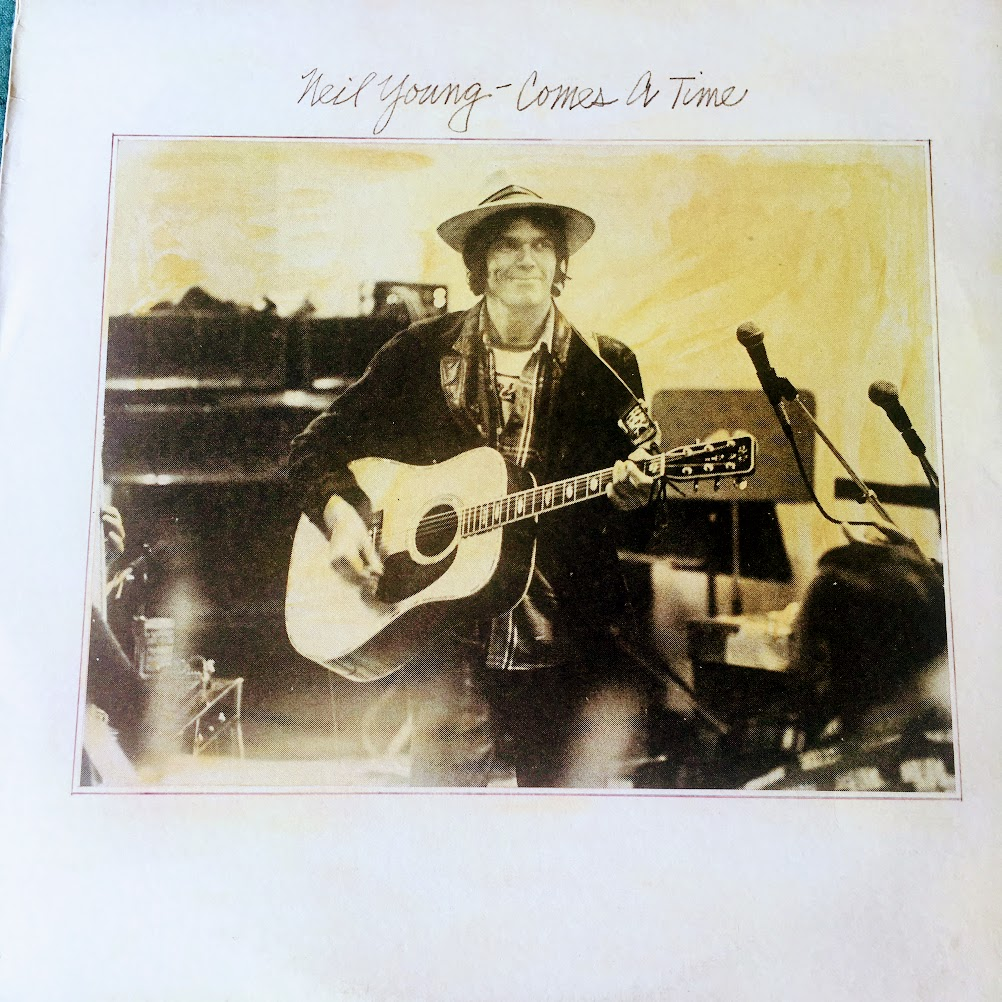
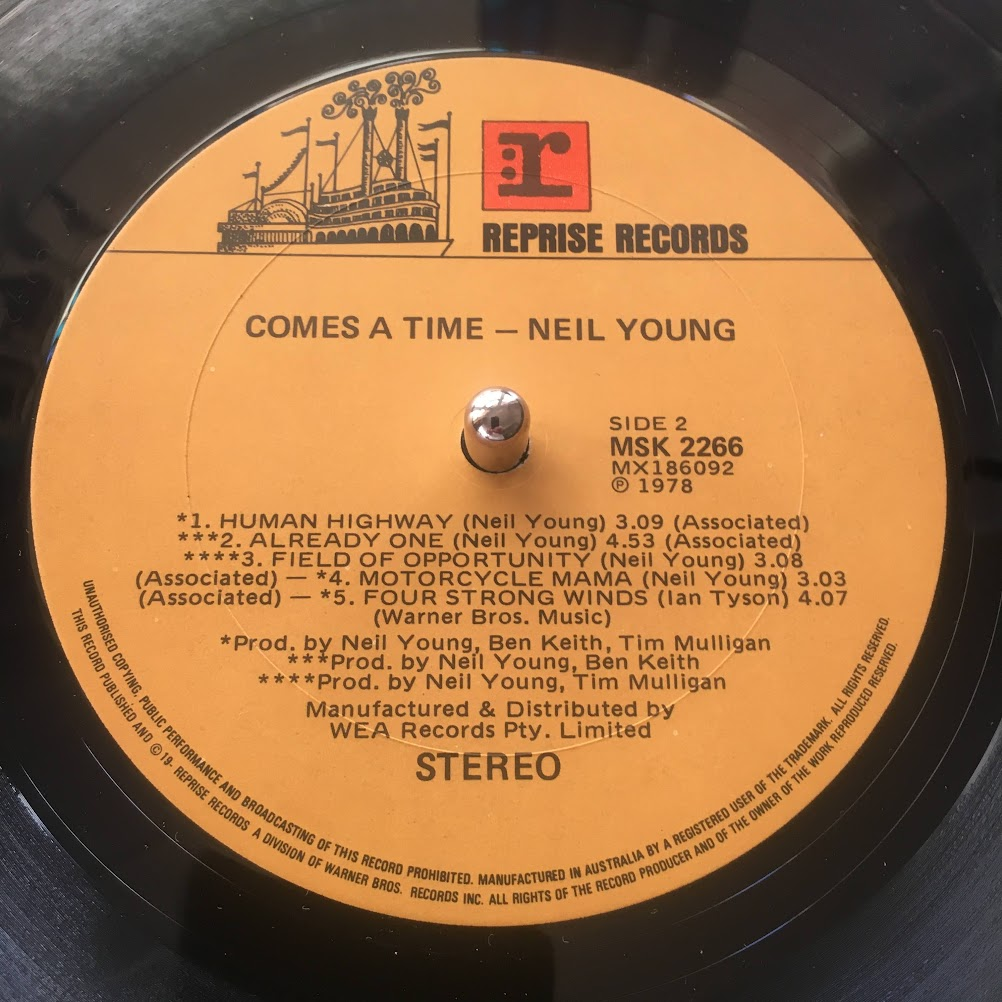
Comes A Time – Neil Young

The muted tone of the sleeve triggers a memory of a TDK C-90 tape, though I can’t remember who dubbed it for me. I was fourteen — an age when life arrives without notice. Side 2 could’ve been Glass Houses by Billy Joel. How does music find us?

Unlike his noise-guitar work with Crazy Horse, this is mostly quiet — occasionally country, but entirely Sunday afternoon.

Lotta Love is a favourite song from it. He sings in a fragile, upper-register voice that threatens to fray into a whine. But doesn’t. Nicolette Larson provides harmony vocals on it and across the album. She covered it soon after and it became her signature song. Melburnian Courtney Barnett did a worthy version too.

The title track, Peace Of Mind, and Four Strong Winds are other standouts.

*

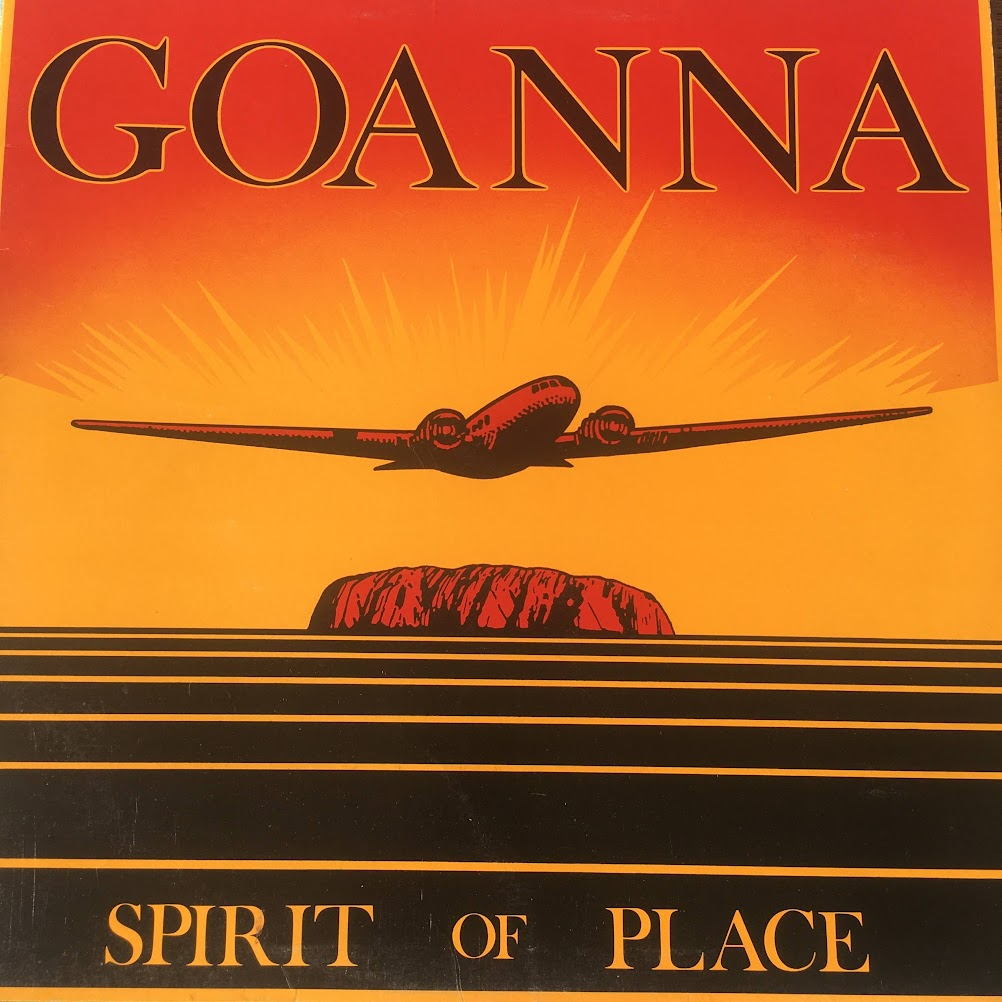
Spirit Of Place – Goanna

Arriving during the summer I turned sixteen, whenever I flick across my car radio at the lights and the urgent drums of Solid Rock pound through the speakers, I’m instantly back in hot and hilly Kapunda.

It was among the first pricks to my conscience regarding the harm caused to Australia’s original inhabitants. The satirical use of marketplace warned me that money could be more important than people.

Out here nothin’ changes
Not in a hurry anyway
You can feel the endlessness
With the comin’ of the light of day
You’re talkin’ ’bout a chosen place
You wanna sell it in a marketplace, well
Well, just a minute now

I haven’t dropped the needle on it since I had nut-brown hair, so I’m gladly startled by its warmth. Burnt country and ragged outsiders hang in the melodies. I partly expected it to feel dated, but the songs and the storytelling are timeless. Shane Howard’s vocals are gracefully commanding, all woodsmoke and Kimberley sunsets.

Razor’s Edge, On the Platform, and Four Weeks Gone are my top picks.

*

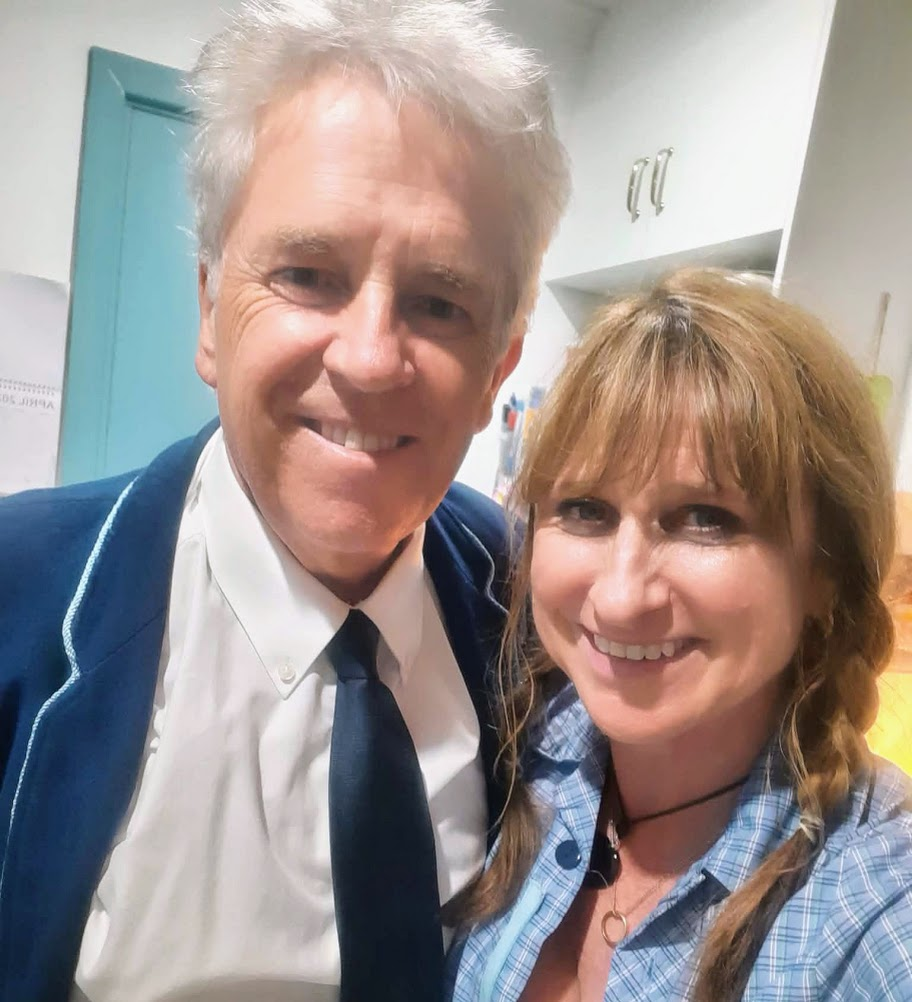
Thanks, Lukey, for rocketing by in the DeLorean/ Black Thunder to drop off my prize pack. I must’ve been the eighth caller through to Vinny and Cameron on SA-FM’s Morning Zoo. Vinyl isn’t just a nostalgia machine — the needle, the hiss and crackle come first, and then the music — and for a heartbeat, it isn’t the past at all. It’s right now — the way it found us in the first place.

0

Waiting Under the Bucket

Steering away from Becks Bakehouse, my bland sausage roll begins its sluggish transit. I turn up the Mississippi bluesman, Elmore James, so Max and I can hear the chugging genius of Dust My Broom

I’m gon’ get up in the morning
I believe I’ll dust my broom.
I’m gonna get up in the morning
I believe I’ll dust my broom.

Our trip to Victor Harbor had begun.

It was time to talk against the rhythm of (hopefully) agreeable activity, to gently explore Max’s inner and outer worlds, to scrutinise his present and point an encouraging telescope towards his future. We go nowhere new. Sometimes the best excursions are to known places.

Granite Island is everybody’s favourite isle and we’ve circumnavigated it often. On the ocean-side I realise I’ve not looked at the rolling waves, rocky cliffs, or blue sky, extending above us. I am immersed. We are talking and walking.

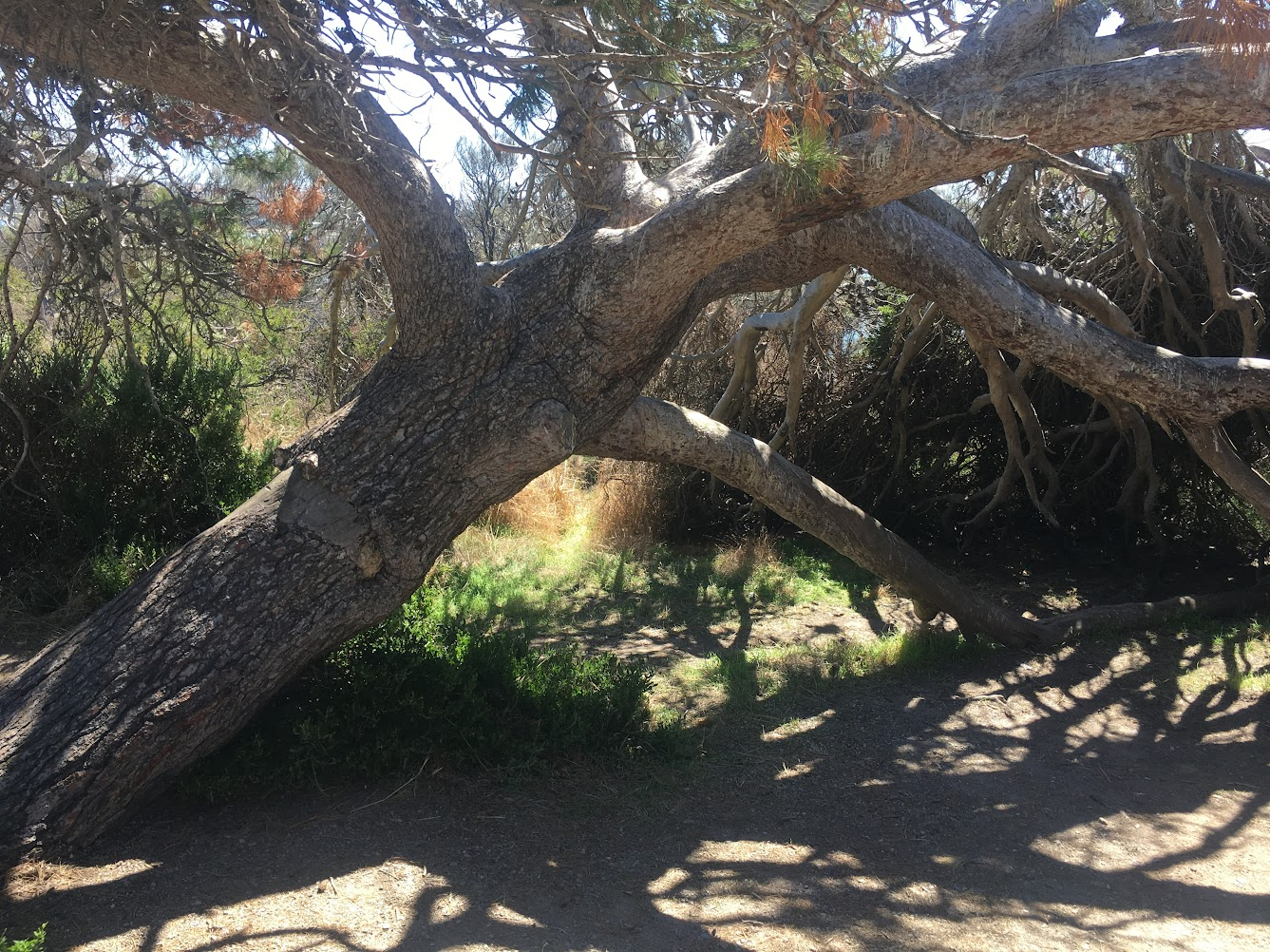
We stop at a gnarly tree, years ago its horizontal trunk the setting when Alex slipped while climbing. His tumbling then straddling generated much hot grief. Max and I laugh at the image.

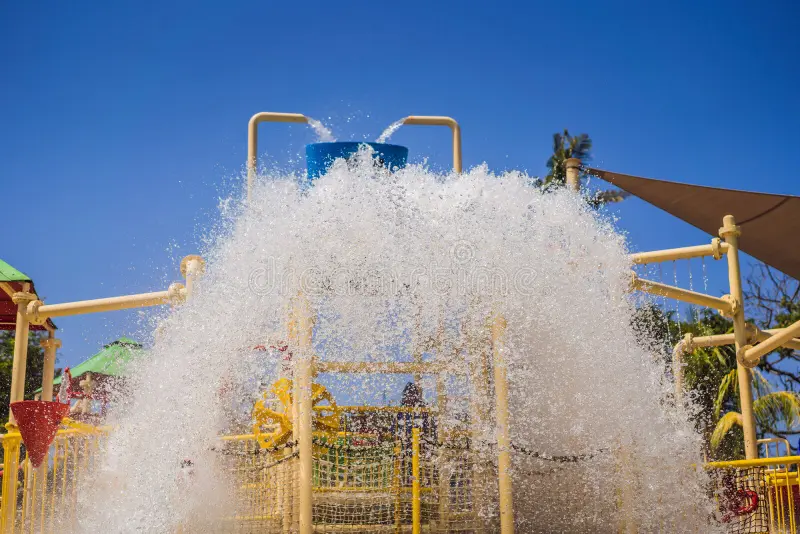
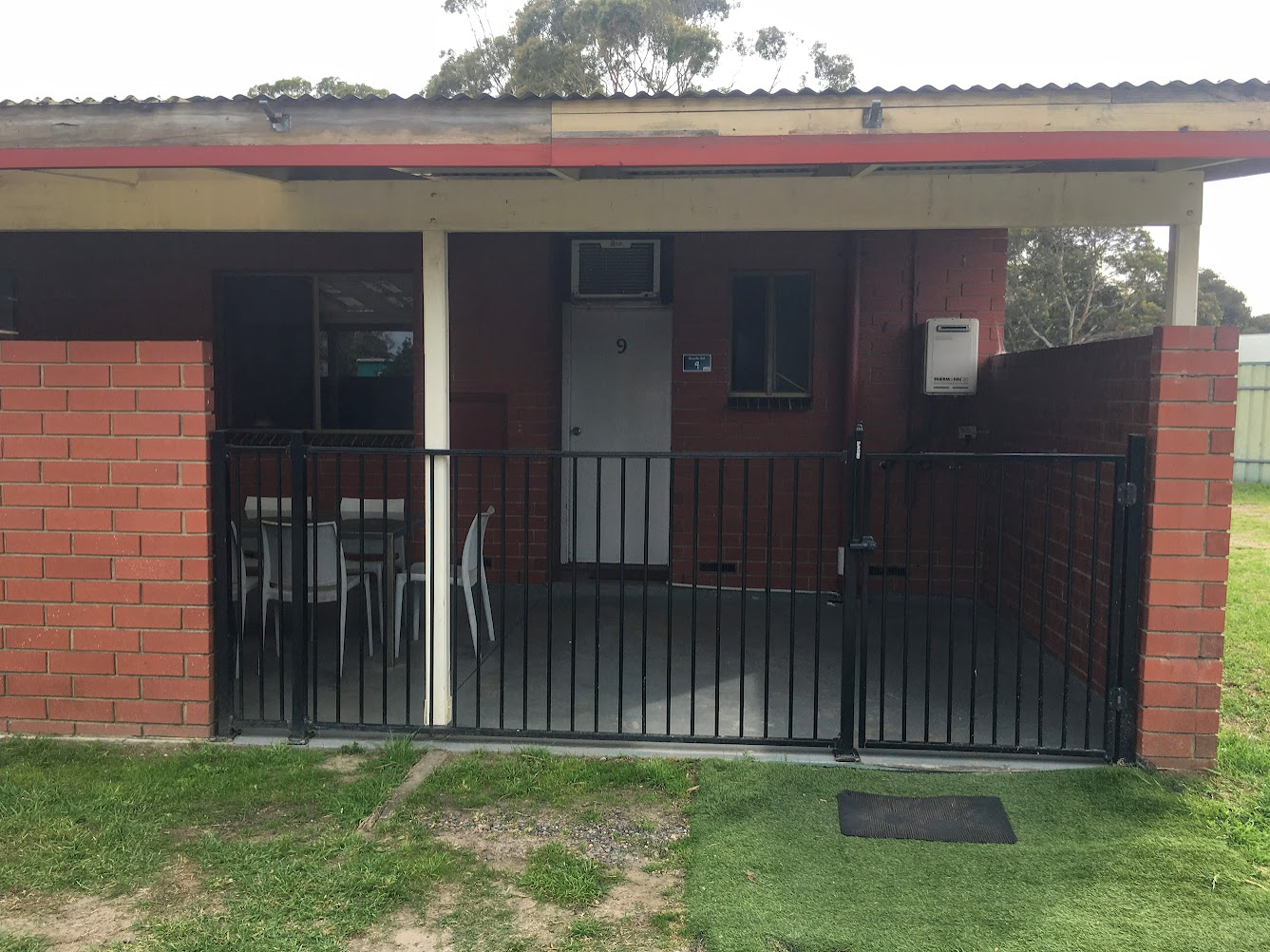
Our holiday cabin is agreeably spartan, so we sling in our stuff and venture to the waterslides. Hopping out of the pool, I point to the big bucket, tilting slowly, thrillingly on its hinge. ‘It’s been a while since we stood under a bucket,’ I say. ‘Let’s go.’ Max follows me there.

I can see him there as a five-year-old — smaller, impatient, bouncing with limitless energy. We step underneath it now. There’s no one else waiting. The mechanism teeters as it fills. It takes longer than I remember. ‘It’s going to go,’ Max says. But it doesn’t. Not yet. Then it does — all at once — a hard, cold weight of water, and I let out a yelp I didn’t mean to make.

A late afternoon drive to Goolwa wharf and its bars and cafes. Max remembered a school excursion here to ride on the old paddlewheel ship, the Oscar W. A riverfront German bar is selling litre steins of beer for $25 each. The straggly-bearded bartender asked, ‘Can I get you one?’ I decline and later say to Max, ‘One of those bad boys and I couldn’t drive home!’

We pulled up outside the Port Elliot townhouse which hosts my annual writing retreat. I wanted to remind Max of life’s possibilities. Then a lap of Horseshoe Bay. The swimmers had all gone. The short jetty we’d leapt from that cold January day was empty. Max said, ‘I like this beach.’ I smiled, ‘Me too.’

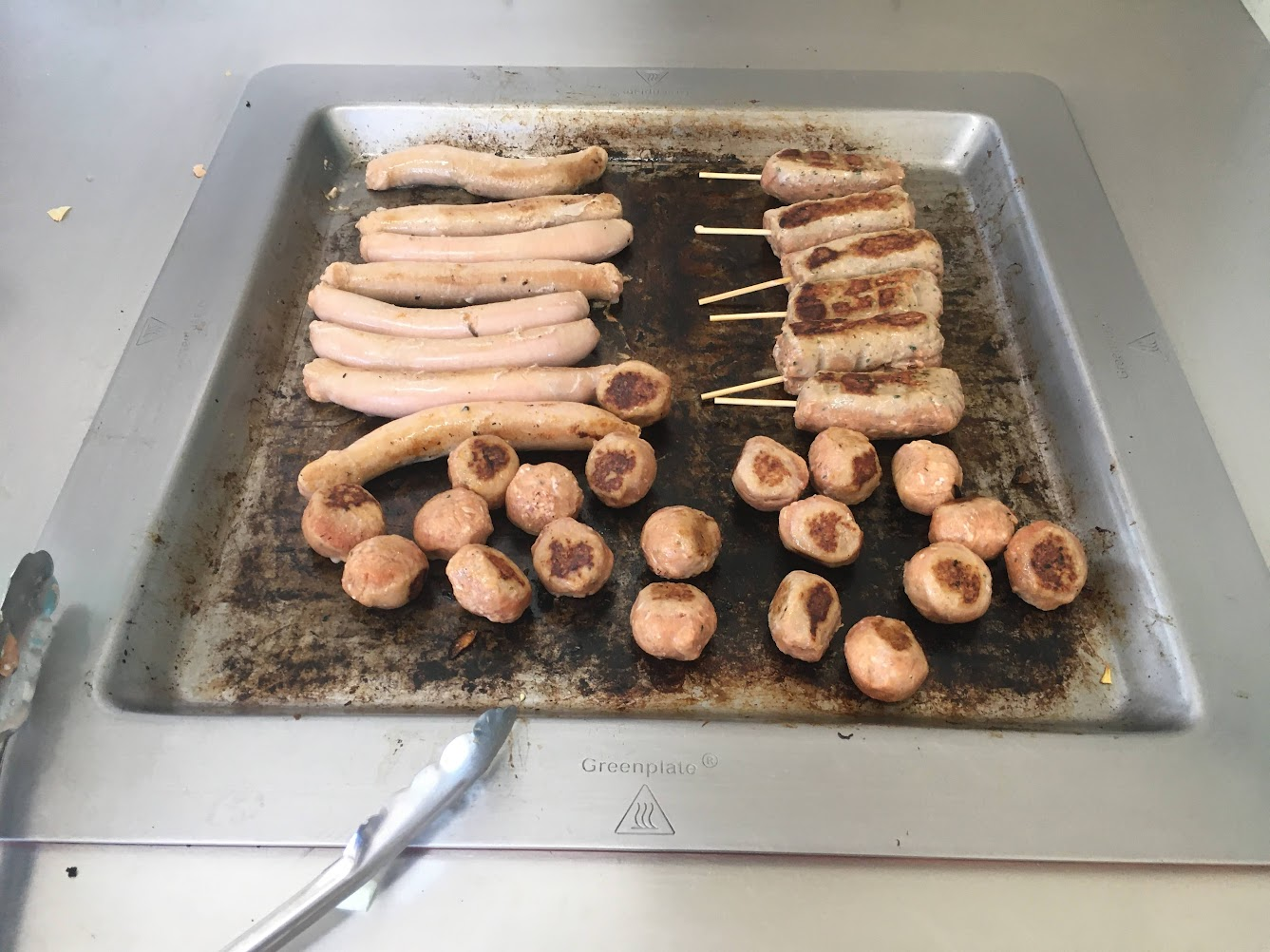
With shadows stretching by the games room and the camp kitchen we hit the ignite button and barbecued our dinner. Park dwellers scurry past us. We devour the meat and token salad.

In our cabin Eminem rapped as we scanned the rules of backgammon. Max likes chess, so I thought another strategic, quietly played pastime might suit us both. Accompanied by the regular percussion of rattling dice, we enjoy a couple of lingering games. Neither he nor I is especially competitive and so we play kindly, even cooperatively. The scoreline is 1-1.

Throughout there’s easy talk about cars, footy, travel. Max asks, ‘Would you go to Berlin or Munich?’ I offer what I can. He nods, carefully. I fear he’ll soon be in Germany.

*

Running along the esplanade in the windless dawn, I feel a melancholic gratitude. Max is asleep back at the cabin. We’ve had a sparkling series of chats against this coastal backdrop.

Parenting, though, guarantees a background anxiety. I try to picture the next time Max and I might escape like this, just the two of us. But I wonder how many chances we’ll have to huddle under a tipping, giant bucket.

4

A Brief History of the Triple Jump and Human Suffering

Today I made a return to Sports Day. Some things have changed. Others absolutely have not.

The digital watch had just struck ten when the first vomiting incident was reported. A technicolour hula-hoop on the freshly mown turf. He’d not over-exerted nor breathed in his body-volume in energy drinks. Just an early morning vommie. To open proceedings.

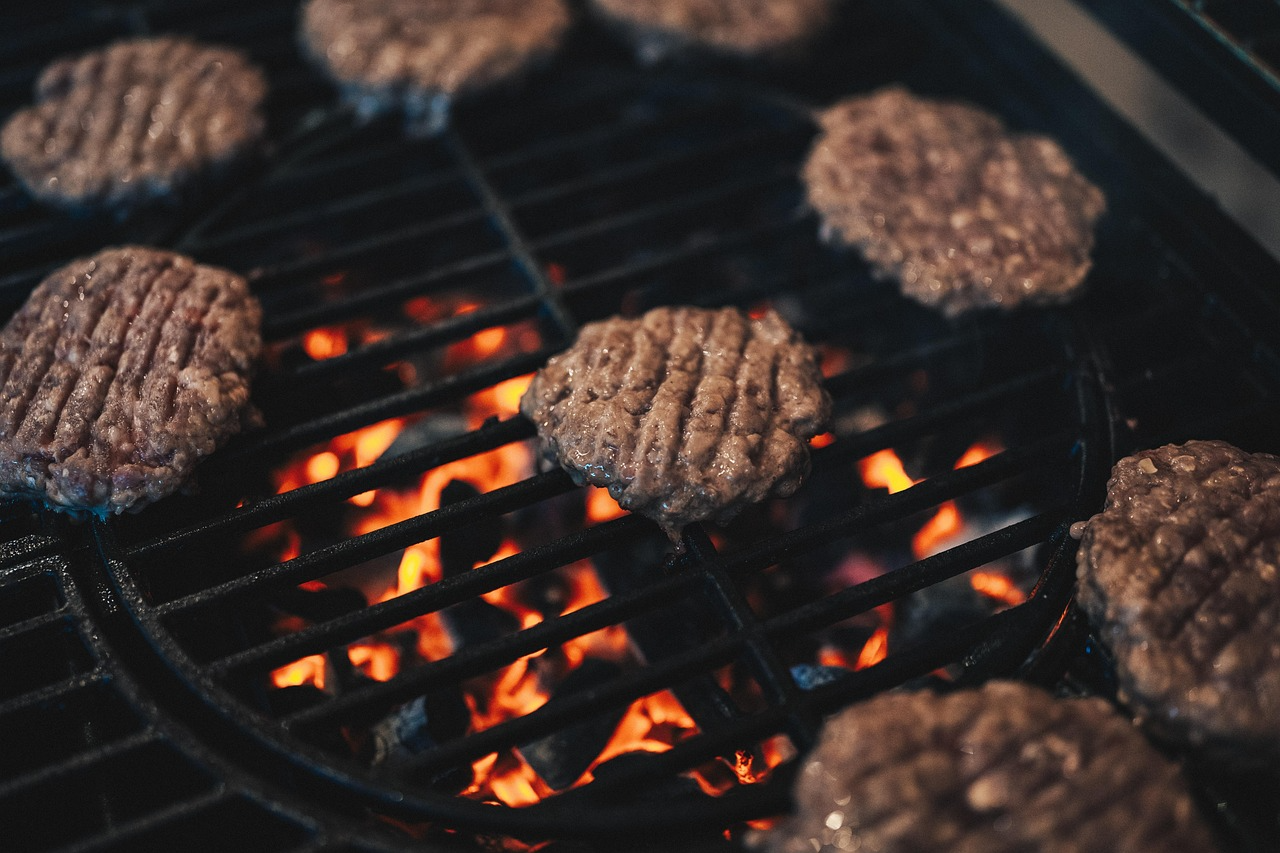
I wandered to the fundraising BBQ. This year it was burnt by the Art Faculty. Disappointingly, I could buy no Picasso Chicken Patties or Last Supper Sausages.

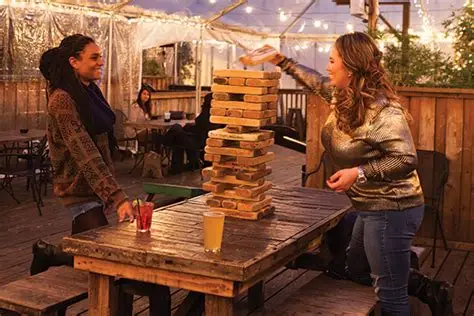
In a relaxed corner, under some trees, there were games for those who find traditional sports unappealing. These included Giant Jenga and Connect Four. These are, of course, London beer-garden pursuits and should be encouraged as they develop essential life skills.

Meanwhile the resident DJ played Eminem, who would appreciate the irony. I imagine he has little truck with athletes and enthusiastically despises them. Even if some now sport Mum’s spaghetti on their singlets — courtesy of an early morning puke.

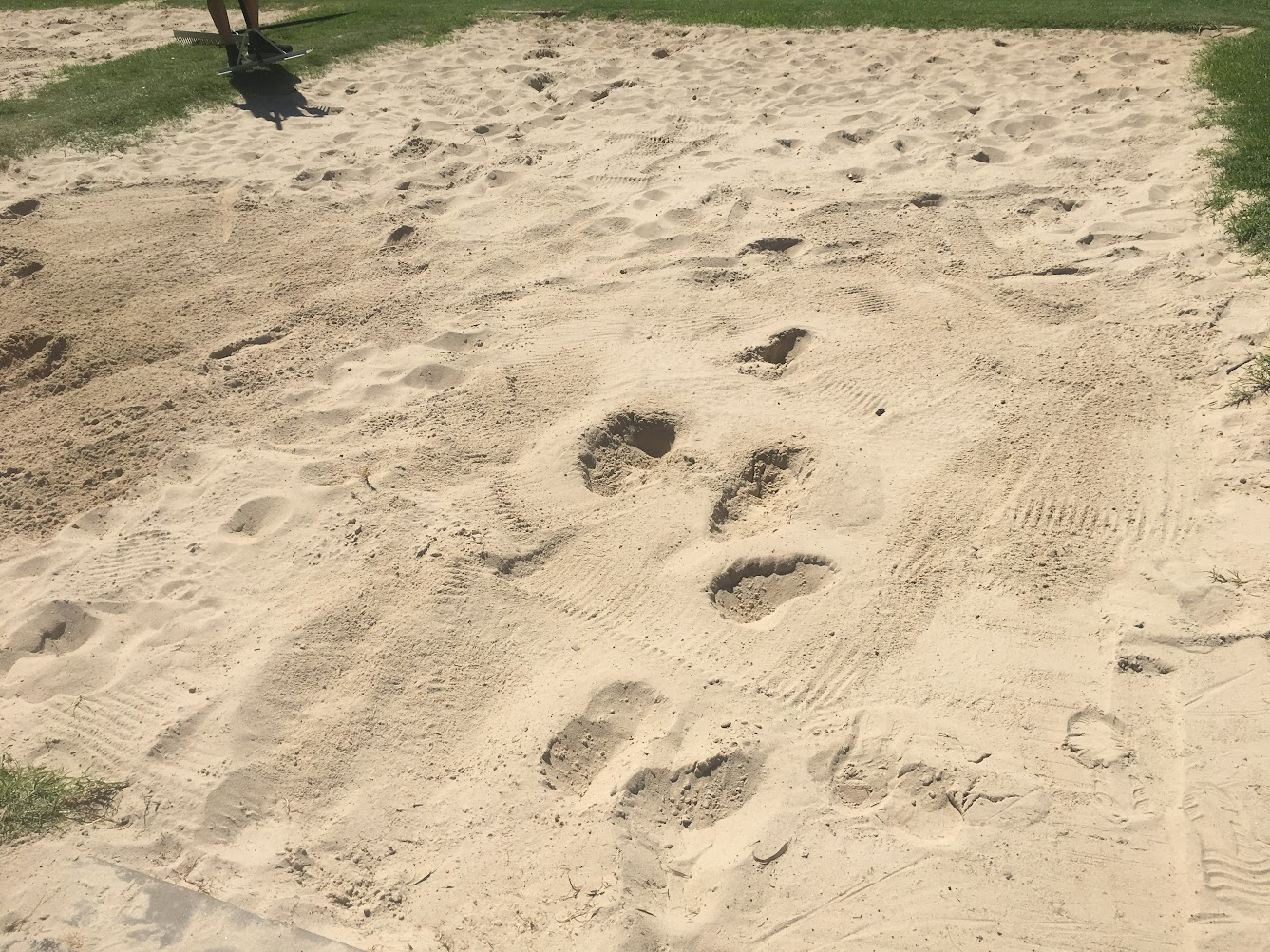
Much of my day was officiating the triple jump or as it’s variously known: the hop, step and jump, or in certain depraved circles, the hop, skip and jump. For most, it’s an exercise in assured humiliation as the poor souls approach the take-off mat with halting trepidation, their adolescent eyes wide with fright.

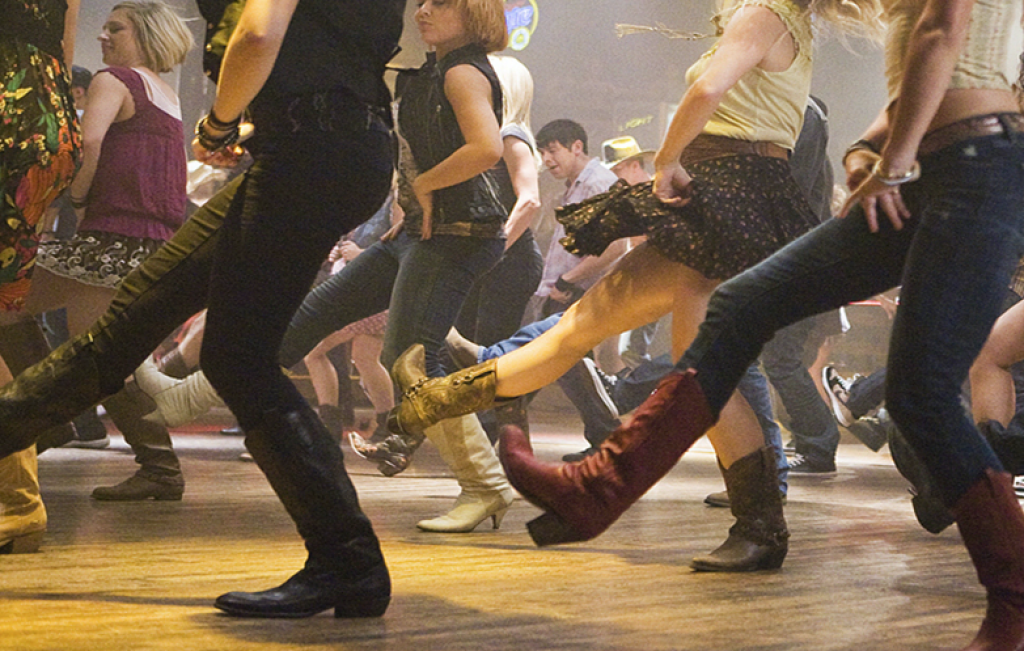
Often, instead of the triple jump, they then perform a sad sequence of biomechanical accidents borrowing from John Cleese’s Ministry of Silly Walks, a little boot-scootin’, and the dying buffalo in Apocalypse Now. Participants have three attempts but while I was on rake and tape measure duties, it was mostly one and done.

They fled the triple jump as if a spitting cobra was loose.

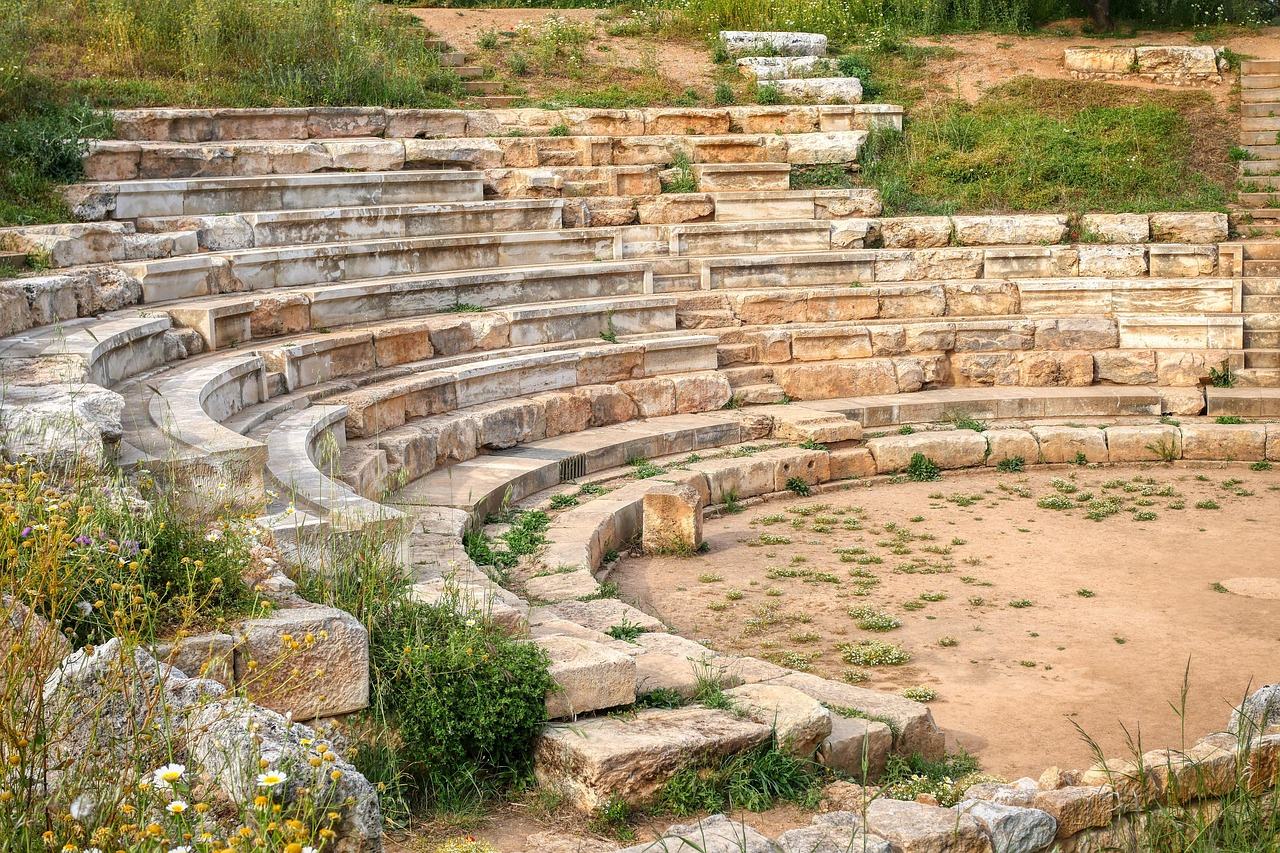
There must’ve been an Ancient Greek who drunkenly happened across this, in dusty Athens, following much ancient vino.

Christos: Watch this, Aristotle. I call it the triple jump.
Aristotle: Why not simply run from Point Alpha to Point Beta?
Christos: Too sensible. My invention will inflict psychological suffering on schoolchildren for millennia.

Christos then invited others to try it. Some thoughtlessly agreed and inexplicably, it caught on. Hereinafter was set loose centuries of global misery which continues unchecked to this day.

I love many sports and am sympathetic to many athletic pursuits. Running, jumping and throwing all have worldly value. But the triple jump, unlike other physical disciplines, is utterly non-transferable to real life. It may be the most futile human endeavour imaginable. If a ravenous beast — real or mythical — were on your Hellenic tail, who would break into a hop, skip and jump?

I enjoyed Sports Day. Congratulations to all who won a blue ribbon.

Thus, the ancient suffering continues.

4

McCartney

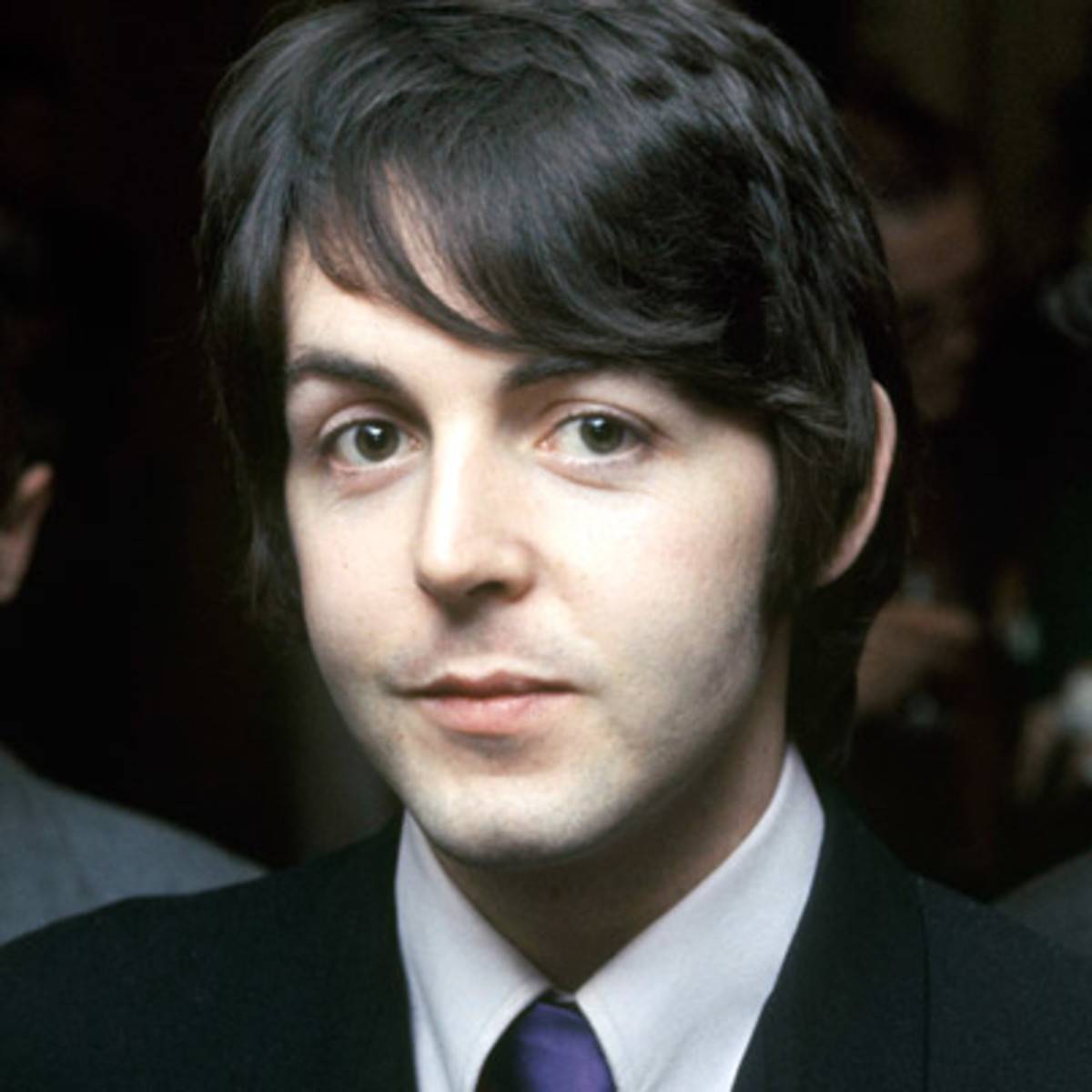
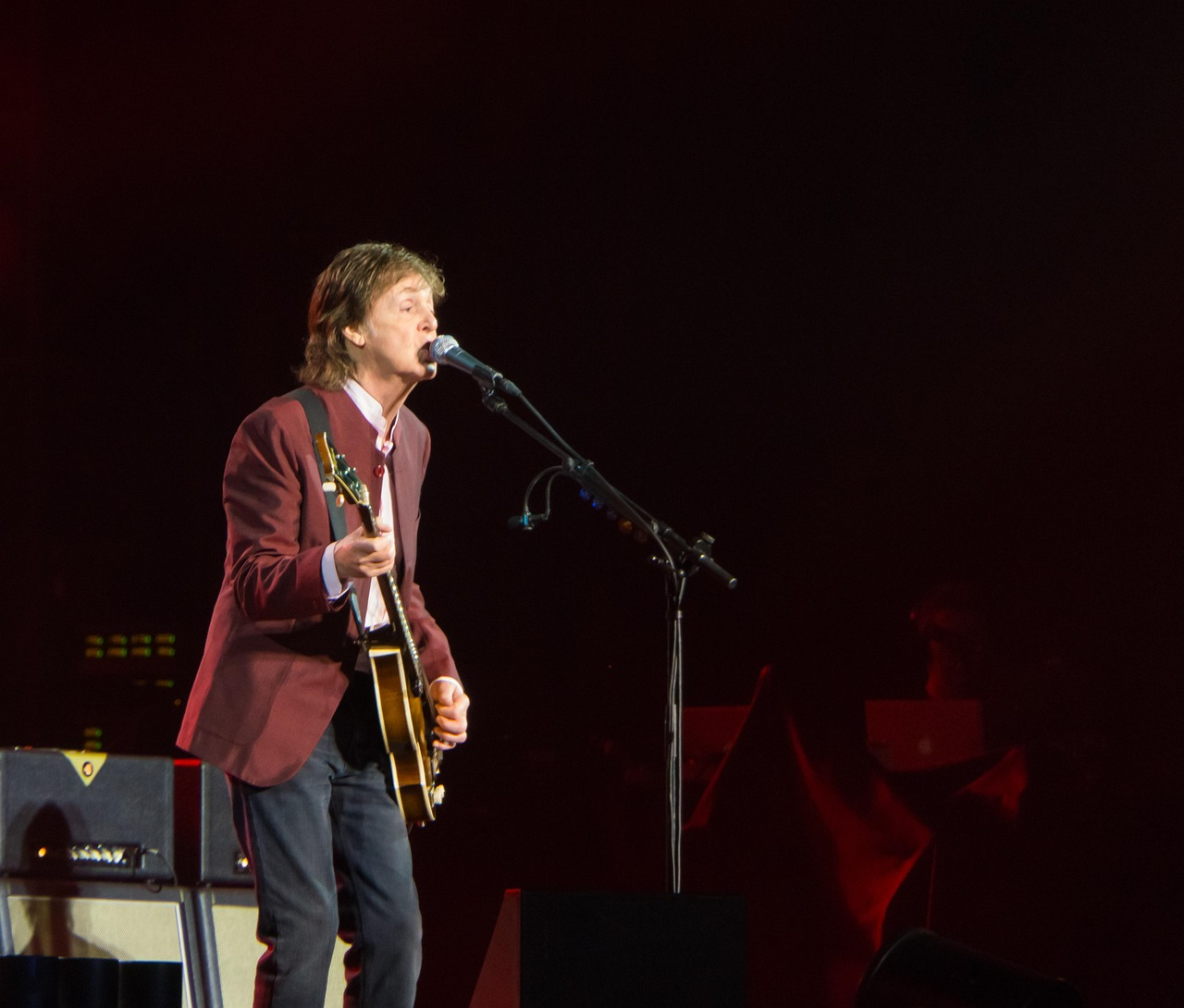
Scott Fitzgerald? Dylan? Richard Ford? These loom large. But, for me, the most significant cultural figure is Paul McCartney. I was reminded of this again last Sunday as I sat in a packed Prospect cinema watching the post-Beatles documentary, Man on the Run. It asks, what happens after you leave the most important band in the world?

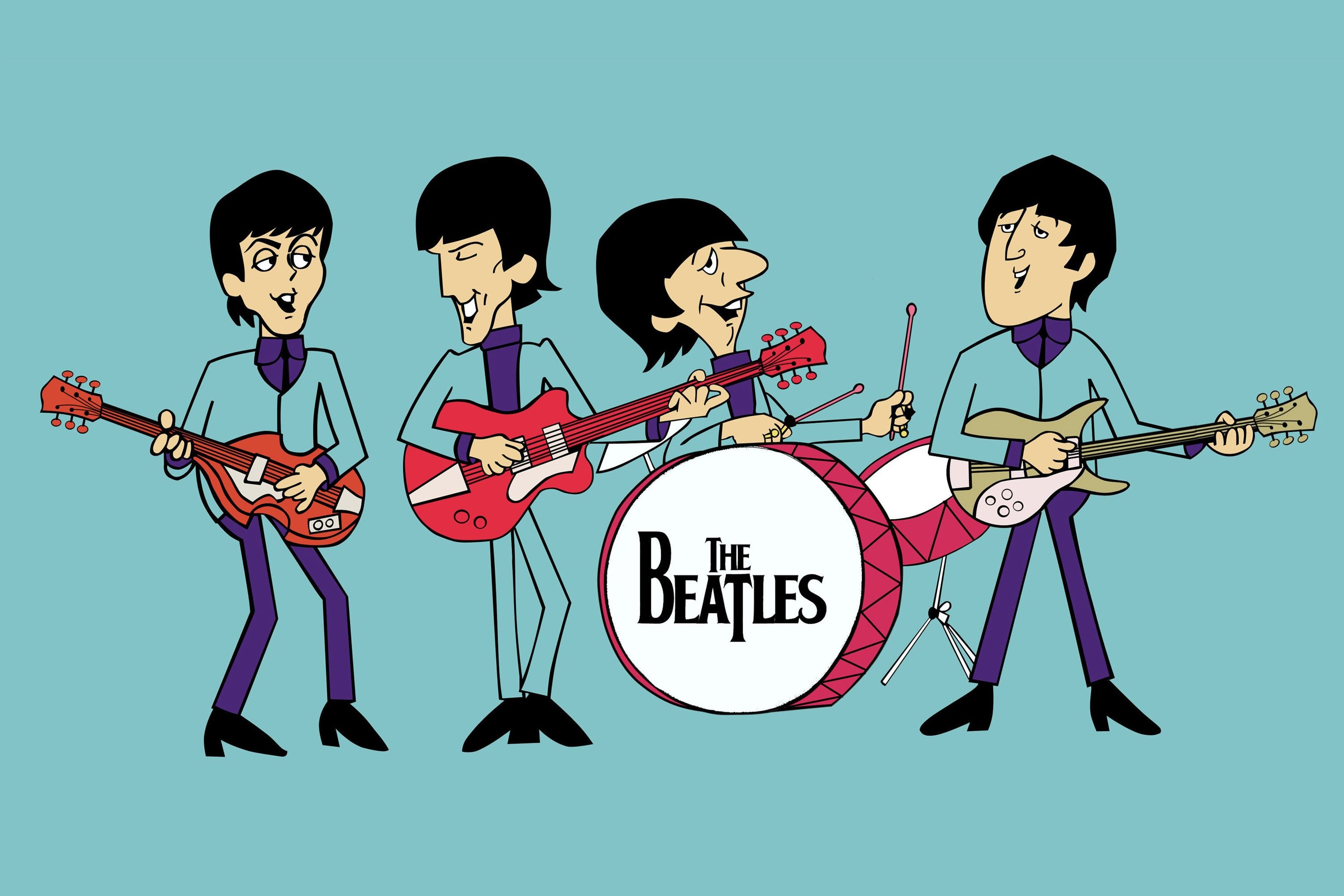
When I was a boy, the Beatles were a blissful part of my life. Mum played music in our home. She had the ‘Love Me Do’ single, which she bought in 1962. I loved the cartoon series and especially the opening credits, when they tried to outrun mobs of screaming girls. During this ‘Can’t Buy Me Love’ played and it was the most exciting thing in my world. I understood little of their lyrics, but as I sat on the orange carpet in front of our boxy Pye television, their charismatic melodies sent something electric through me.
Paul is my favourite Beatle. It’s largely his endless optimism and sunny nature. Even at eighty-three, his hopefulness is his defining, irresistible trait.

*

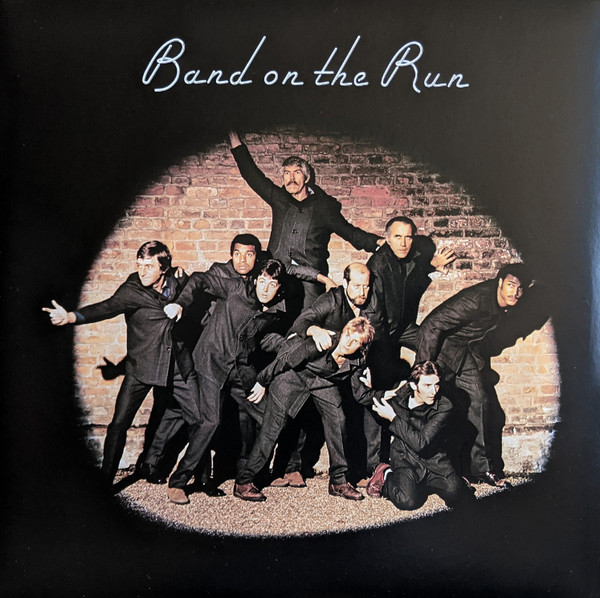
Following Paul through the 1970’s the film focusses upon his new band, Wings. Even without the Beatles, if he’d simply arrived in 1971, his catalogue would still be magnificent. Among my favourite ever musical moments is the soprano saxophone on ‘Listen to What the Man Said.’

Regardless of context or mood, I’m always uplifted by it. The saxophonist was Tom Scott and his very first take ended up on the song. With Claire’s consent, we included it on our wedding playlist. It’s golden light falling across a tropical beach.

Any time, any day
You can hear the people say
That love is blind
Well, I don’t know, but I say love is kind

*

It agitated many that Linda was in her husband’s group. A common view was that she couldn’t sing, play keyboards, or contribute much, at all. The film naturally slants towards McCartney’s opinion. Another reason that I hold him in such boundless affection is his reflections on this and love. He speaks glowingly of her talents and her skills as a wife, mother and artist. In the cinema dark I thought of Claire and shed a tear when he stated that from his wife, beyond all her other gifts, he ‘learnt so much.’

*

Lennon and McCartney were like brothers. Both lost their mothers young. They wrote bridges for each other. They argued ferociously. Reflecting upon their long partnership the surviving Beatle remarked how when things got out of hand, Lennon would sometimes take off his glasses, lay them on the table, smile across at him, and say, ‘Paul. It’s me, John.’

*

I’ve long believed that one of the very best ways to spend half an hour is by listening to a Beatles record. Another fine investment is to immerse yourself in the boyish wonder and brightness of Paul McCartney’s subsequent music. Fifty years later, sitting in my cinema seat, that optimism still feels like the most exciting thing in the world.
0

Right Then, It Was Perfect

I entrusted the itinerary of a warm Saturday afternoon to Claire.

Walking towards Moseley Square past Colley Reserve and the Beach House, we caught the scent of salty air and summery promise.

Claire’s first stop was the Bay Discovery Centre, housed in the billowing white of the Town Hall. How had I never been? My excuse is I’m certain there’re Parisiennes who sullenly avoid the Eiffel Tower too.

Inside was the kitsch and the considered. We saw displays featuring pioneering aviator Jimmy Melrose, a local history of forbidden beachwear with the bikini only allowed a few short decades ago — racy Brighton before coquettish Glenelg.

Also, a section dedicated to objects found on the ocean floor. A wall of vanished keys, jewellery, pocketknives.

Unforgivably, I’d cheerfully ignored this museum since last millennium.

*

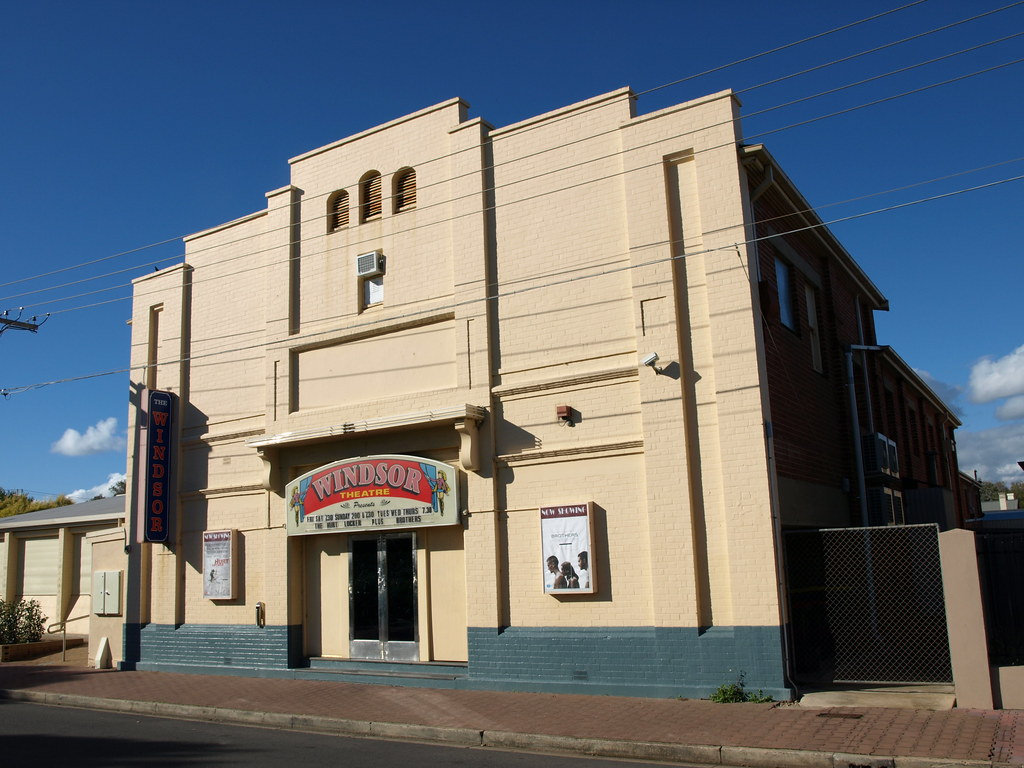
Claire now steered us south. Easing off Jetty Road in Brighton we arrived by the Windsor Cinema. It’s functional rather than Art Deco beautiful. The cook/cleaner/usher/ barista/projectionist explained, ‘We had trouble with the first feature so your film’s about half an hour later.’

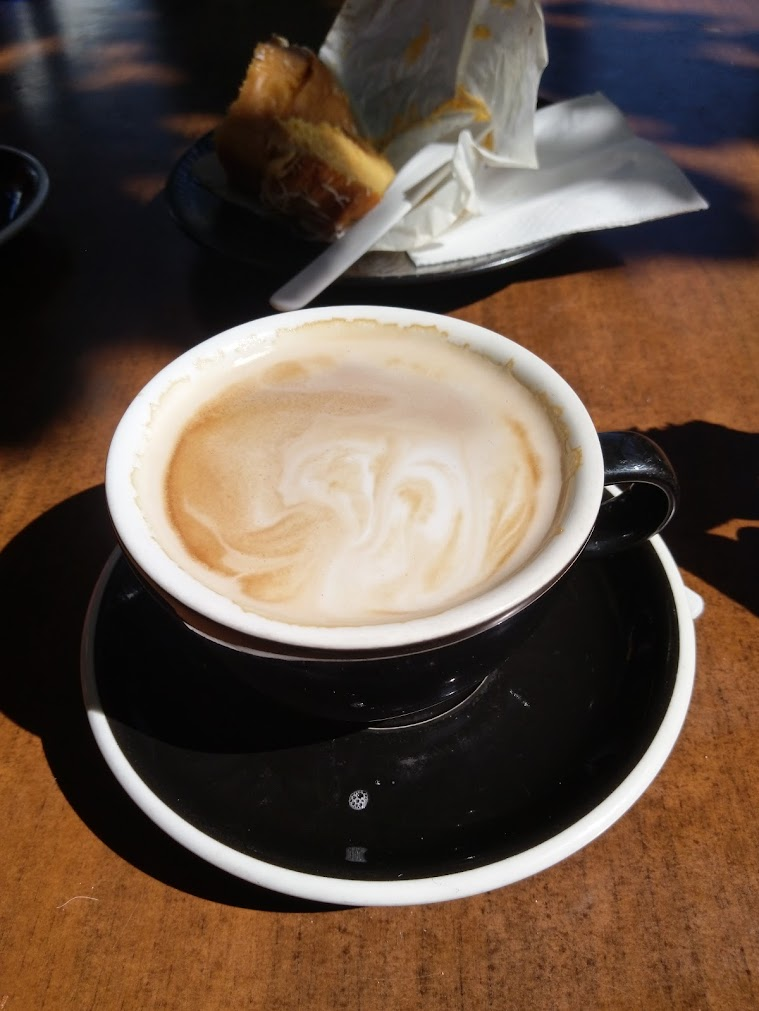
So, an opportune intermission with a shared coffee and melting moments biscuits. The third of these tempted us and Claire said, ‘Let’s have half each.’

Right then, it was perfect.

We settled into the Windsor for The Senior. Watching a middle-aged Texan chase a lost college football dream felt like an odd choice for Claire, yet there we were — her gift of endurance for a genre in which she has no earthly interest. Knowing I’ve an interest in the sport, my kindly wife picked the film for me.

I enjoy, as Paul Kelly observed, how moments of sporting grace can be found amidst danger. When a goal or wicket or touchdown is conjured from the most despairing of situations. As the most critical member of any team in any sport, the quarterback can create in astonishing ways.

Being set in West Texas, there were compulsory mentions of war and religion, and these remain the same thing. It had a predictable plot of redemption — personal, family, marital — and these all occurred for our good ole boy but there was a warmth to the story we both liked.

*

Monday was Alex’s eighteenth birthday. On the phone I asked this:

‘I know you’ve got parties and things planned but what do you want to do on your actual birthday?’

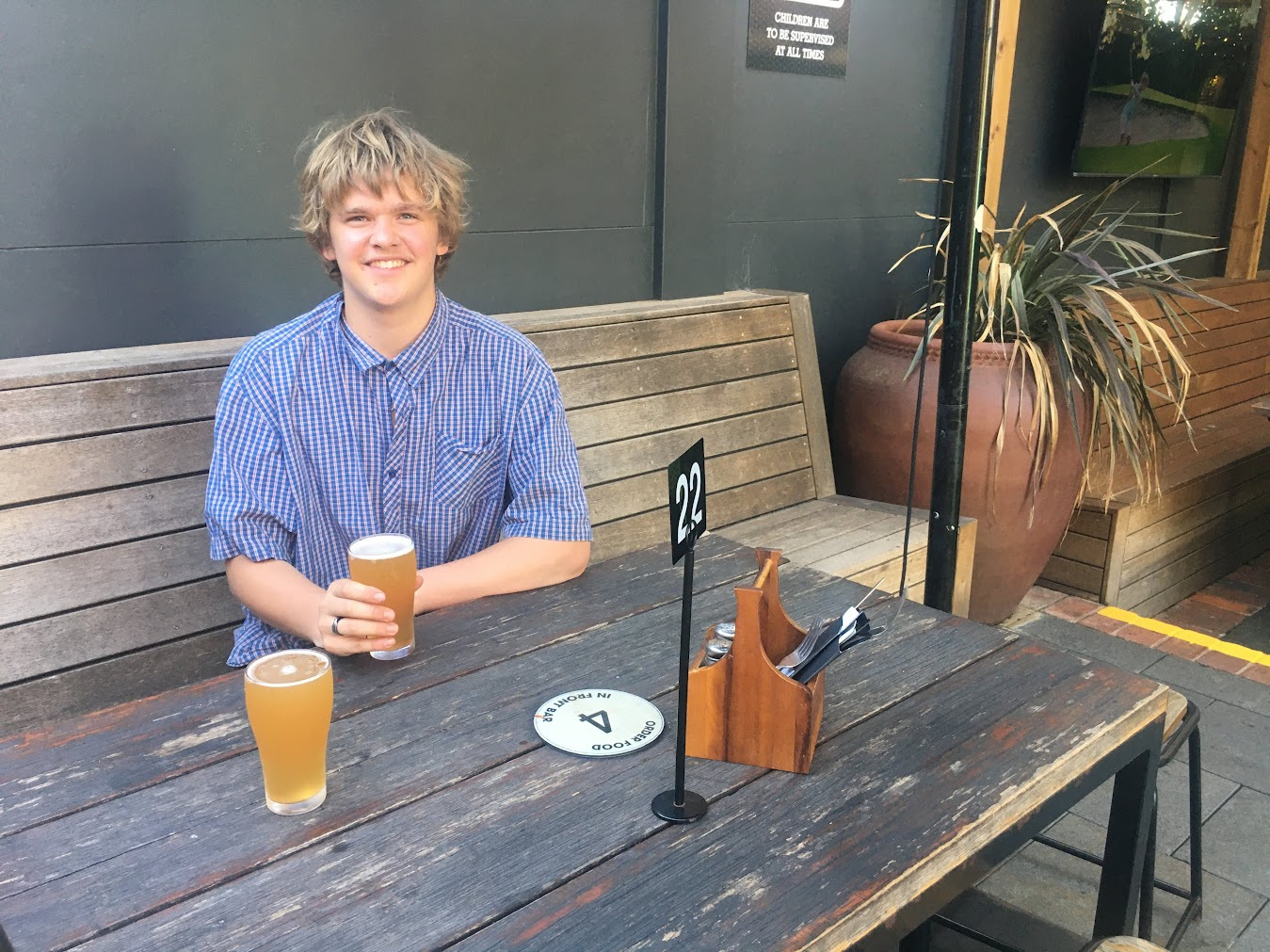
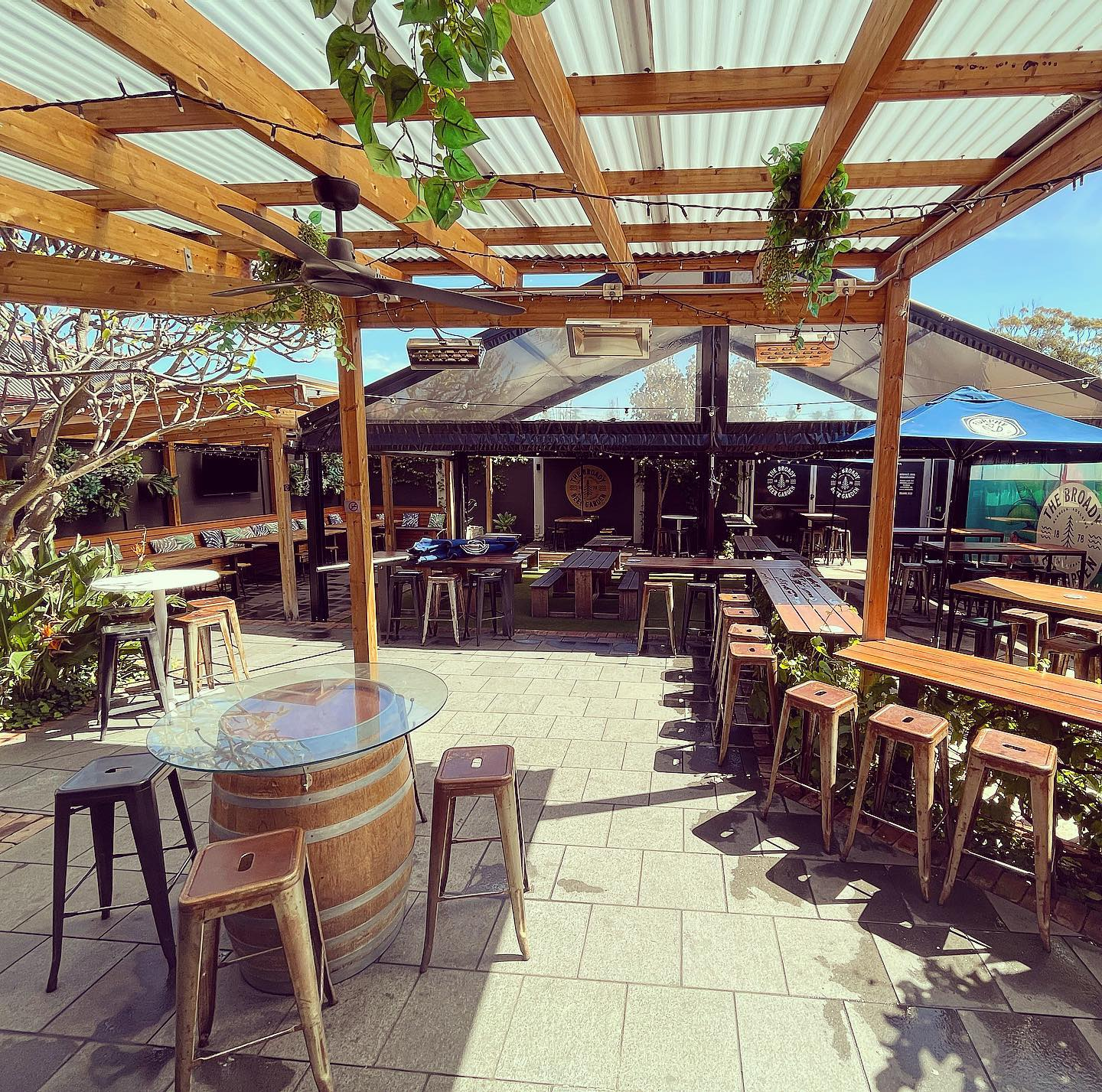
I imagined he might want to go out to dinner with his girlfriend Harriet or head to the city with some friends. To my delight he announced he’d be happy to go to the Broady, have a pizza and his first legal beer.

Table 9 and its multi-generational party were ahead of us in the queue. They ordered multi-course meals and lavish drinks with glacial urgency. Aunt Maud’s turnout was bigger than any of us expected. We got served after a prolonged fashion.

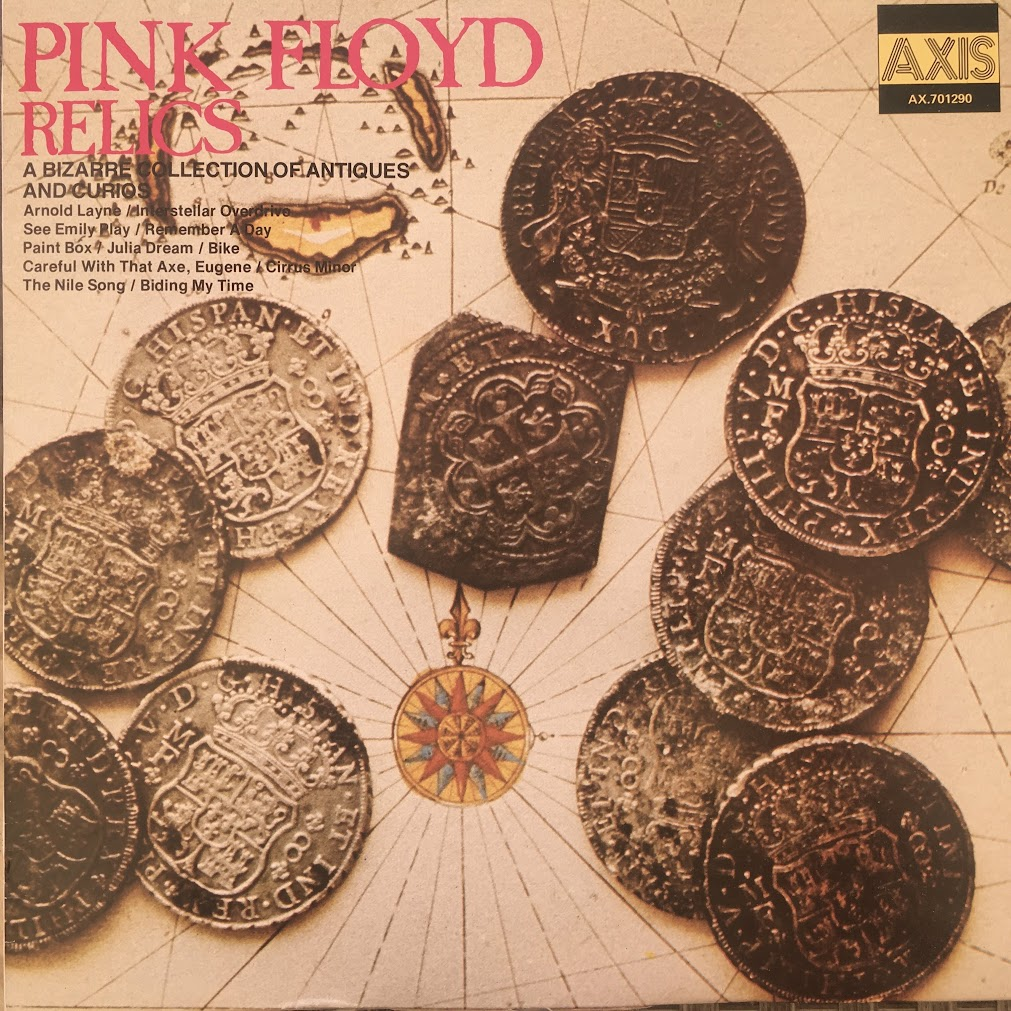
In the beer garden Alex and I took our table by the ill-fated frangipani. Under the pergola a sloppy clot of blokes sipped Guinness. With relaxed animation we chatted of his weekend; university offers (Flinders and the VCA); how Harriet’s dad is taking him to see The Beta Band; his road trip to Sydney to hear an avant garde Japanese guitarist; the Pink Floyd vinyl both Harriet and I bought him — Wish You Were Here and Relics.

I relished his company and our soaring hour vanished into the indigo sky. Alex is curious, grateful, and seems to have a growing toolkit of what I hope he’ll need. I’m delighted that he voluntarily seeks support — what Richard Ford, in The Sportswriter, calls ‘the illumination and warmth it mutely offers.’

I dropped Alex at his girlfriend’s. With Three D Radio for company, I drove home through our sparkling seaside suburb.

0

The Horizon and the Rearview Mirror

Coming through the door, I stalled, disoriented by the scene.

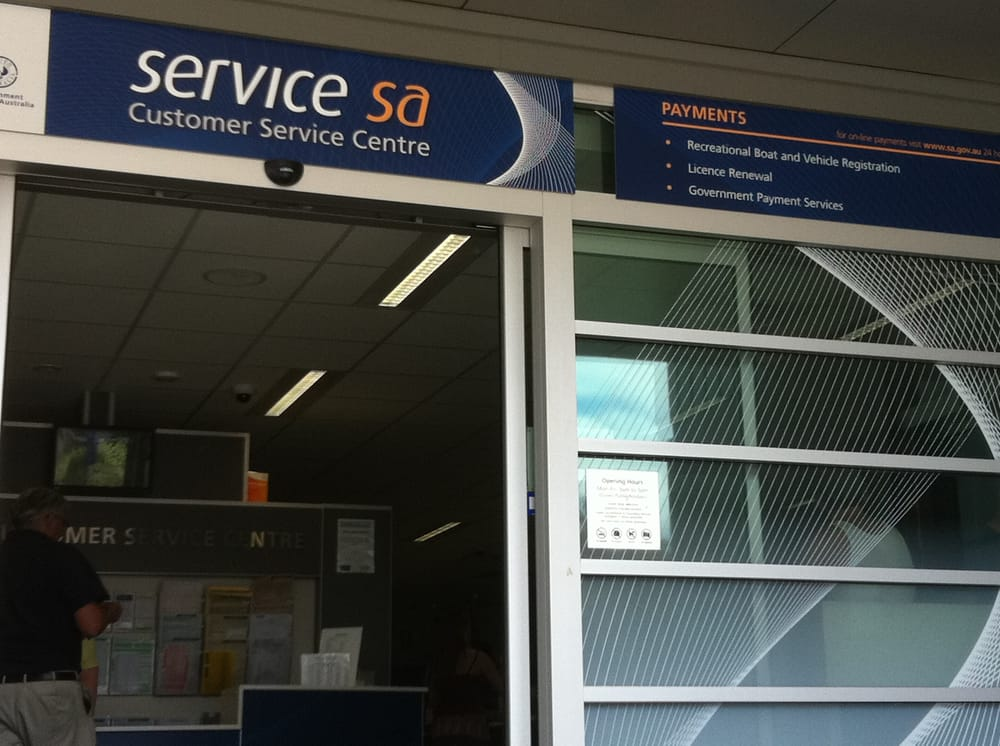
I was at once acutely proud but also stricken with dread. Here we were in the foyer of Services SA — a bland government office, all beige, take a number, credit card or cash, Sir? — and outside it was Saturday morning.

Our agenda was motoring.

Frozen in the doorway I stared again. Alex and Max were hunched over a wooden bench, both six foot two and affable with easy nature and blond foppishness. There was an orderly murmuring across the bureaucratic space: productive snippets of dialogue, folks taking care of business, transactions underway.

Max was completing his form. ‘What’re block letters, Dad?’ I told him and with his respectful and deliberate writing he continued. At his right shoulder Alex worked through his paperwork with that same Labrador eagerness he’s carried since he was small.

I flipped between encouraging words and my thrumming denial that we’d arrived at this place. My boys were here, and while the scene felt familiar — like a re-run of an old TV episode — it was also unknowable. Alex and Max were buzzing with laconic excitement — I was happy but forlorn at how time had brutally evaporated.

Documents finished, we took our queue numbers from the cheerful staff and claimed our seats. A large screen tracked our progress, blinking along with robotic announcements: ‘C45.’ Five minutes later, ‘C46.’

It was much too early and much too late.

Waiting, we cycled through topics of interest: the boys’ work, school for Max, their friends.

All the while my internal commentary ran: Have I done my job here? Is now the time for moral instruction about their responsibilities, soon to descend like netting? Or do I just tell them to check their blind spots?

Pushing through the doors into the dazzling light, we eased across the car park. Both towered over me in their gentle ways. Max held his papers in his hand. His phone app was now loaded. He would soon learn to drive.

Alex’s car was waiting for us. He’d already swapped his L plates for P plates. He was on the road. They were, again, with these welcome and unstoppable advances, on their way. We had all become older.

Alex drove the three of us back to Glenelg. ‘Thanks, Dad,’ hung in the car’s interior. Their worlds had just expanded to a new, adult horizon. Mine had become, somehow, smaller.

0

To Alex and Max, on our Hobart Holiday

Dear Alex and Max

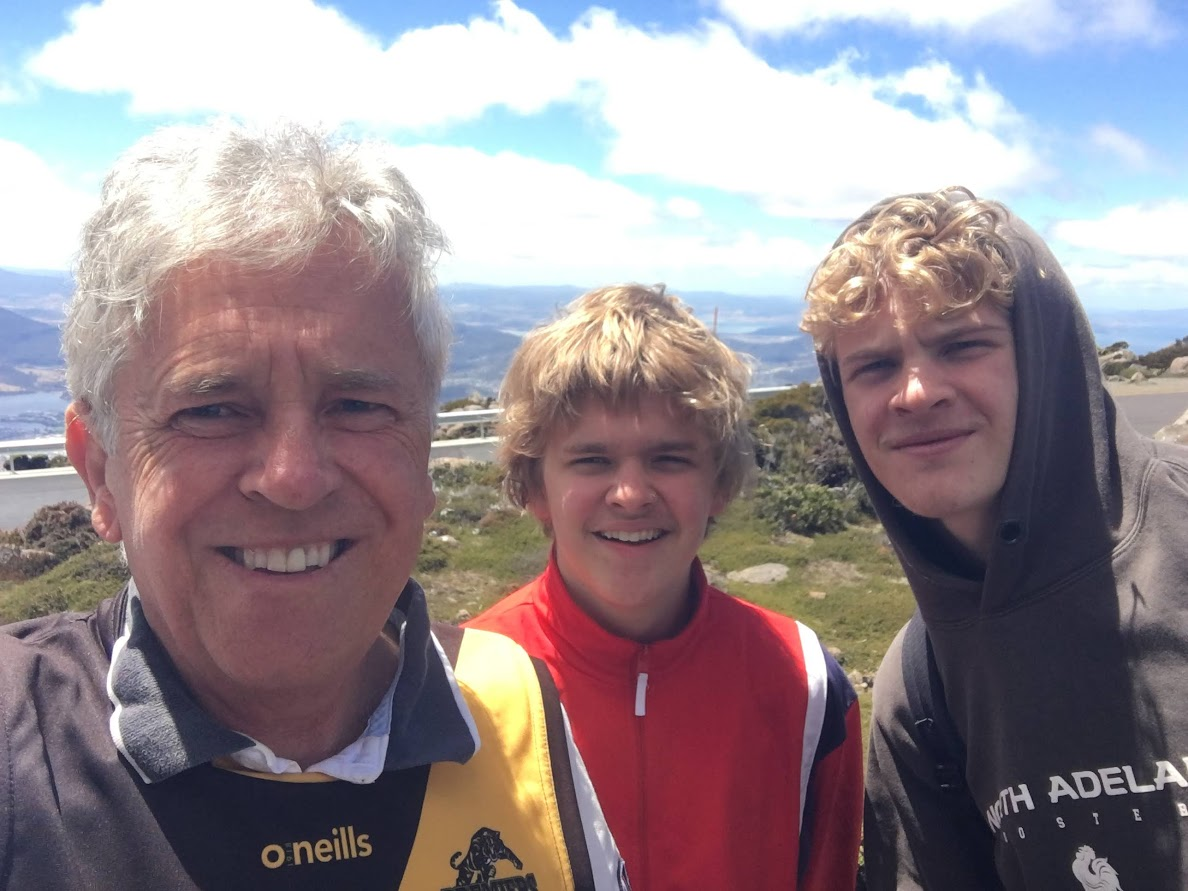
If Bali was about tropical warmth and Sydney was about the mesmerising beauty of the harbour, Hobart was something else entirely — a trip defined by the vertical. From the bonkers sub-zero winds atop Mount Wellington to the windowless caverns of MONA, we spent our days either climbing or descending.

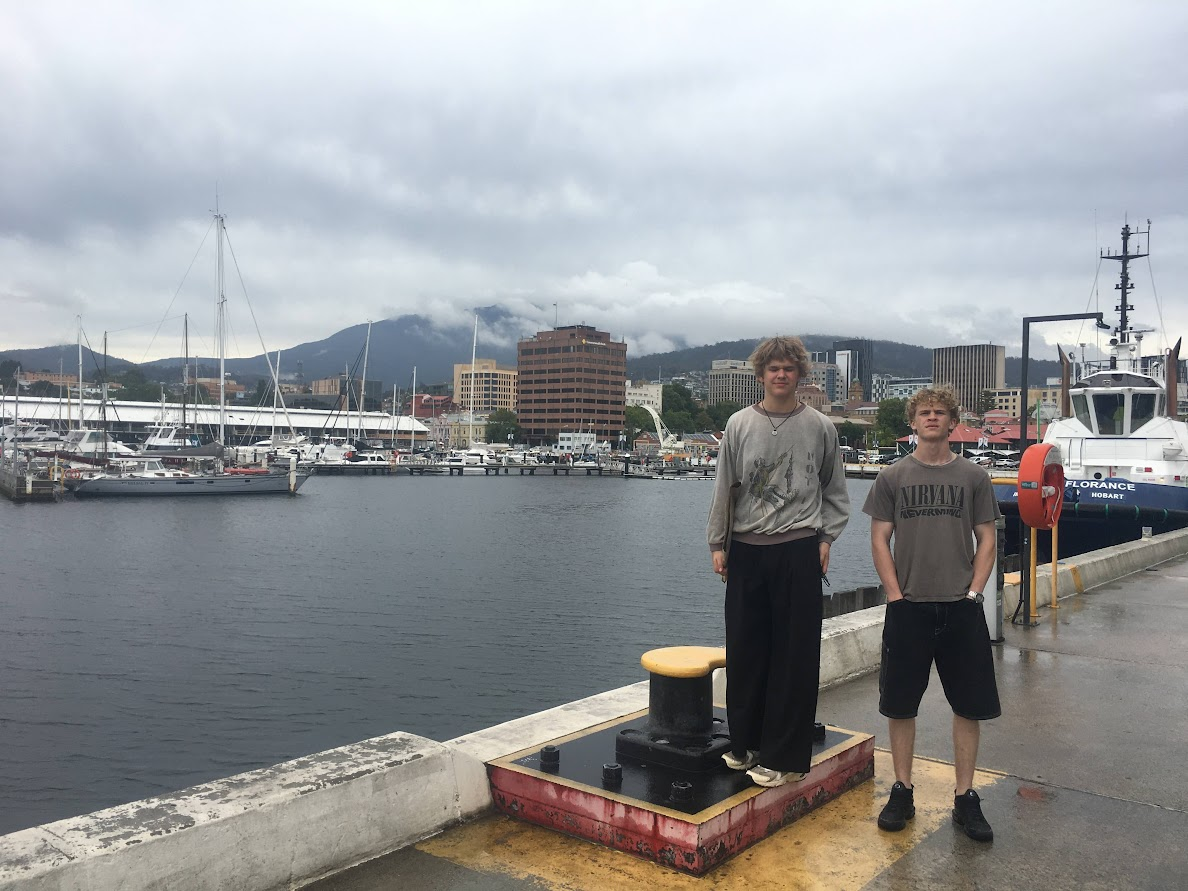
There’s something generous about arriving in a city on a Friday. Irregular seagull cries above our heads — oddly rare in Glenelg — heightened the maritime atmosphere. On Elizabeth Street, we explored Tommy Gun Records from which Alex emerged with the vinyl of Spiritualized’s classic album Ladies And Gentlemen We Are Floating In Space. You’re certainly an audiophile or crate-digger! How you spoke about its musical and cultural qualities was astonishing. I also liked our first trip to Banjo’s bakery — which originated in Tasmania. Max’s comment that, ‘There’s nothing here I wouldn’t eat’ is a truism.

Down by the Brooke Street and Elizabeth Street piers, we strode about. Admiring a giant ocean liner at Macquarie Wharf no. 5, Max told us he’s planning a cruise once school is done. I’m always heartened by this kind of aspiration and the widescreen and global nature of your hopes. Pepperoni pizza from Medici — conveniently located on Murray Street for all your Italian cuisine needs — and inhaled in our Allurity Hotel room was an excellent conclusion to our first day.

Half of the Apple Isle squeezes into the Salamanca Markets on Saturday mornings, all there for gin, juice, and scallop pie tastings. Max and I hung back while Alex bought himself some outrageously overpriced (artisan) biscuits. Aboard the MONA ROMA fast ferry, we took in the River Derwent — low-rise bungalows on modest hills, the jaunty angles of Bellerive Oval’s light towers. After sightseeing at ground level, then came our descent into the subterranean playground of the museum.

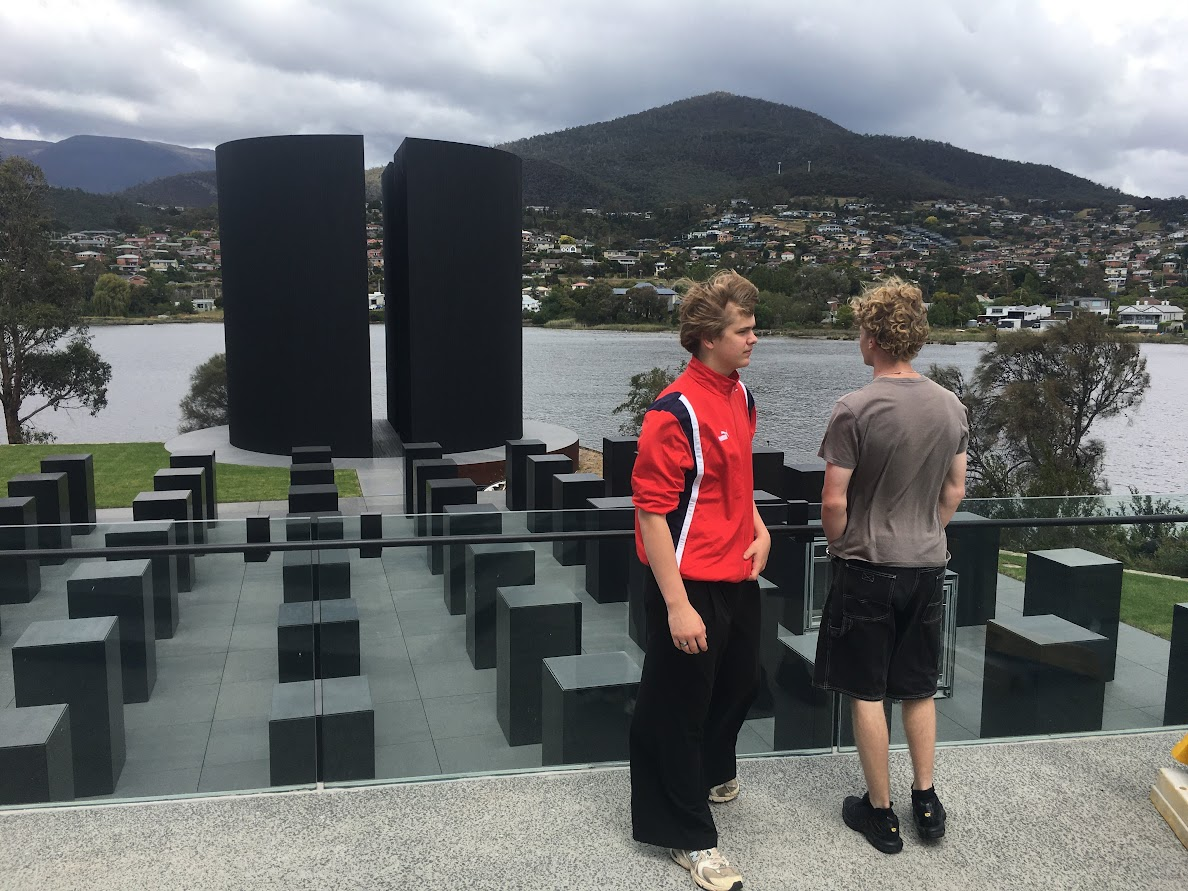
I loved watching you both interrogate that place. It’s a confusing, jarring, and often brilliant maze. Whether we were traversing the colossal concrete war — evoking, for me, the brutality of a concentration camp, the sparks installation, or the Fat Car Porsche, I appreciated how you engaged with both heart and head. We talked about what constitutes art and what does not. Another highlight was the psychedelic band Spooky Eyes and their boisterous set on the MONA lawn.

The Uber drive up Mount Wellington was unforgettable. Terror always does this to me. Leaving the gentle suburban streets, we watched the trees shrink until there was only ancient, shattered rock and a sky that felt far too close. Standing at the summit, looking down at the tiny toy-town of Hobart below — the three of us were, momentarily, the highest beings in the city.

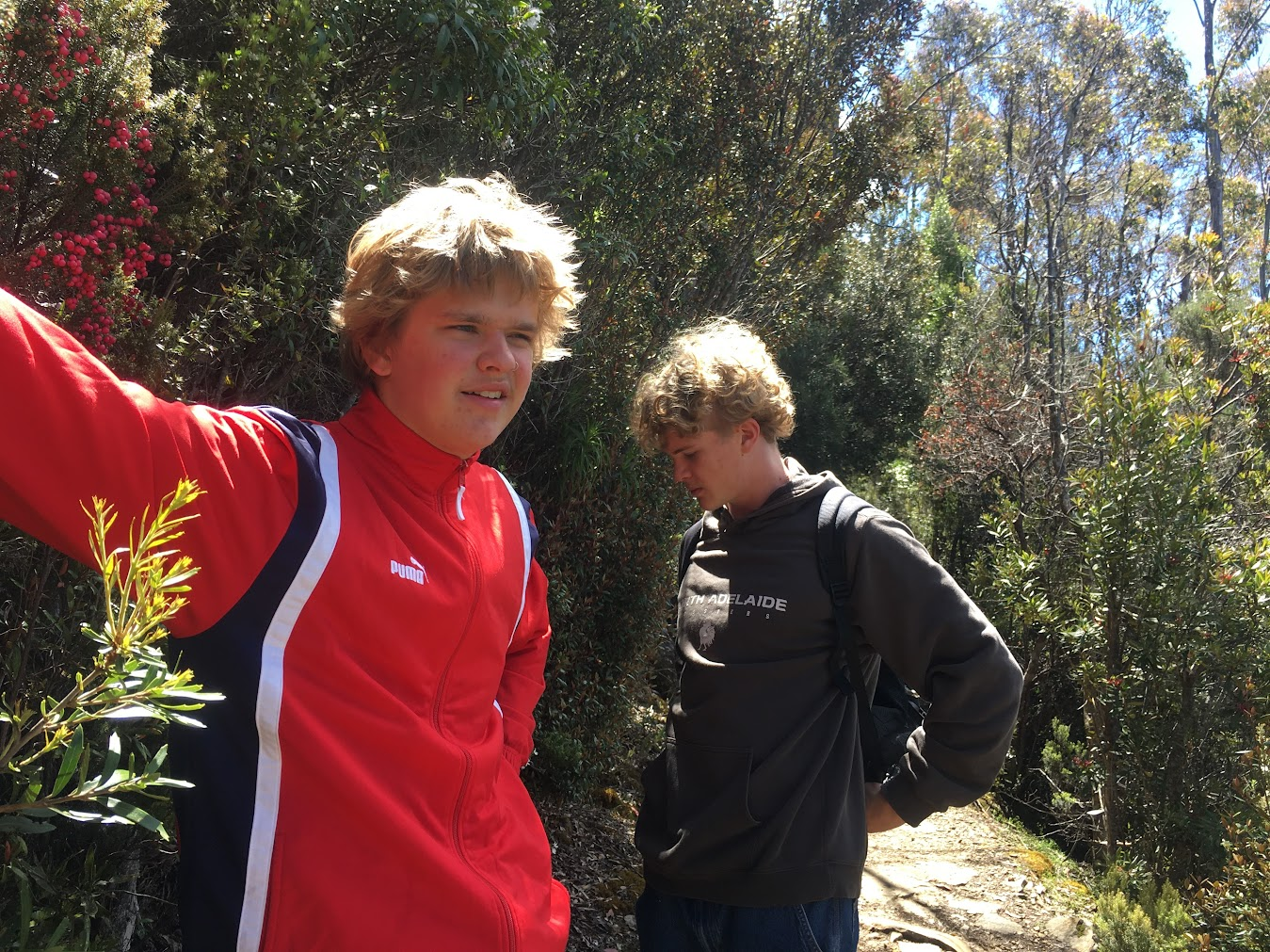
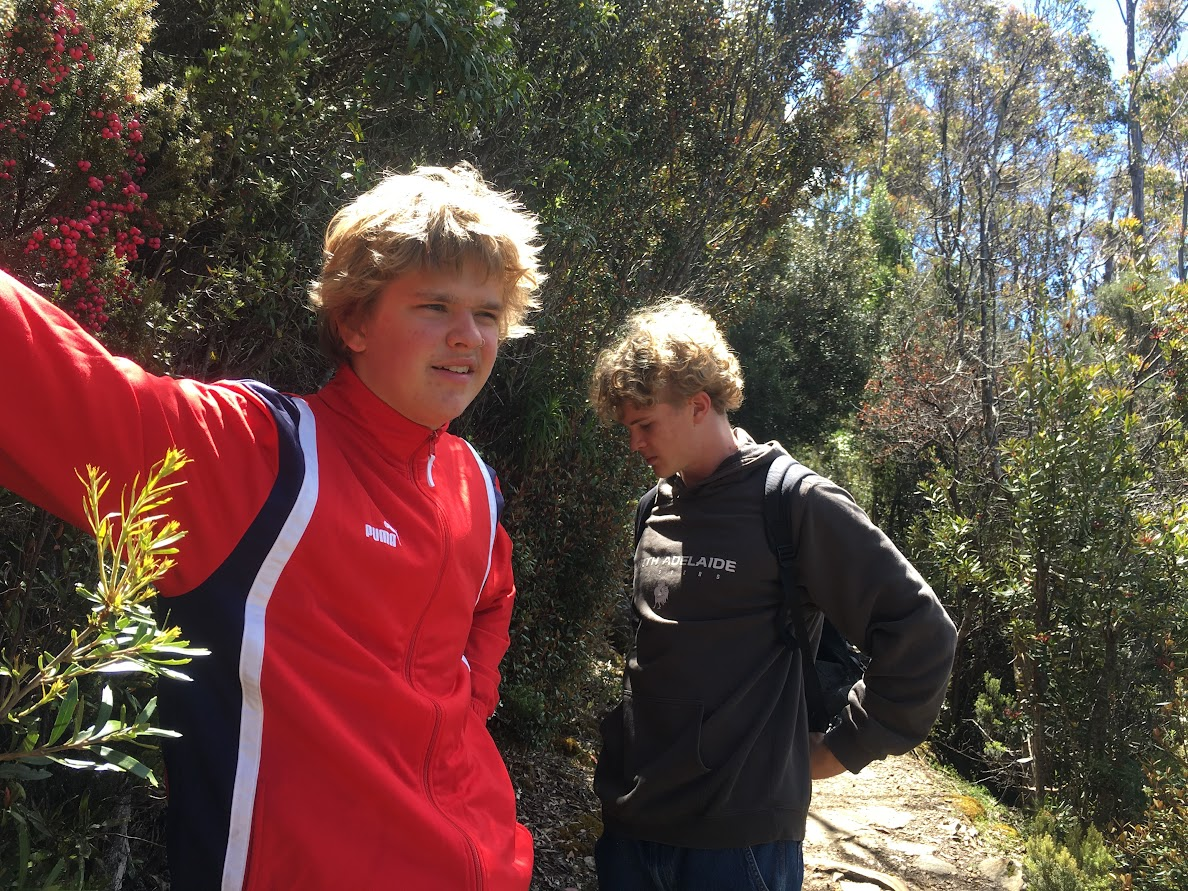
Hiking down was a test of more than just our legs; it was a test of our resilience against that piercing Tasmanian wind and for me alone, the fear of tumbling into the abyss and becoming wallaby food. Watching you both steer between the boulders — Alex leading the way and Max offering the dry commentary that has become his trademark — I was struck by how appreciative you both are of the wilder parts in this world.

Battery Point provided a genteel contrast. Wandering those handsome streets with the sandstone cottages and a southerly sun on our faces, it felt like we’d stepped into 1800s Cornwall. It’d been a bakery trip, and our grand final was at Jackman and McRoss, surely a Michelin-starred pie shop! With table service and desserts for both younger Randalls, this was a triumph.

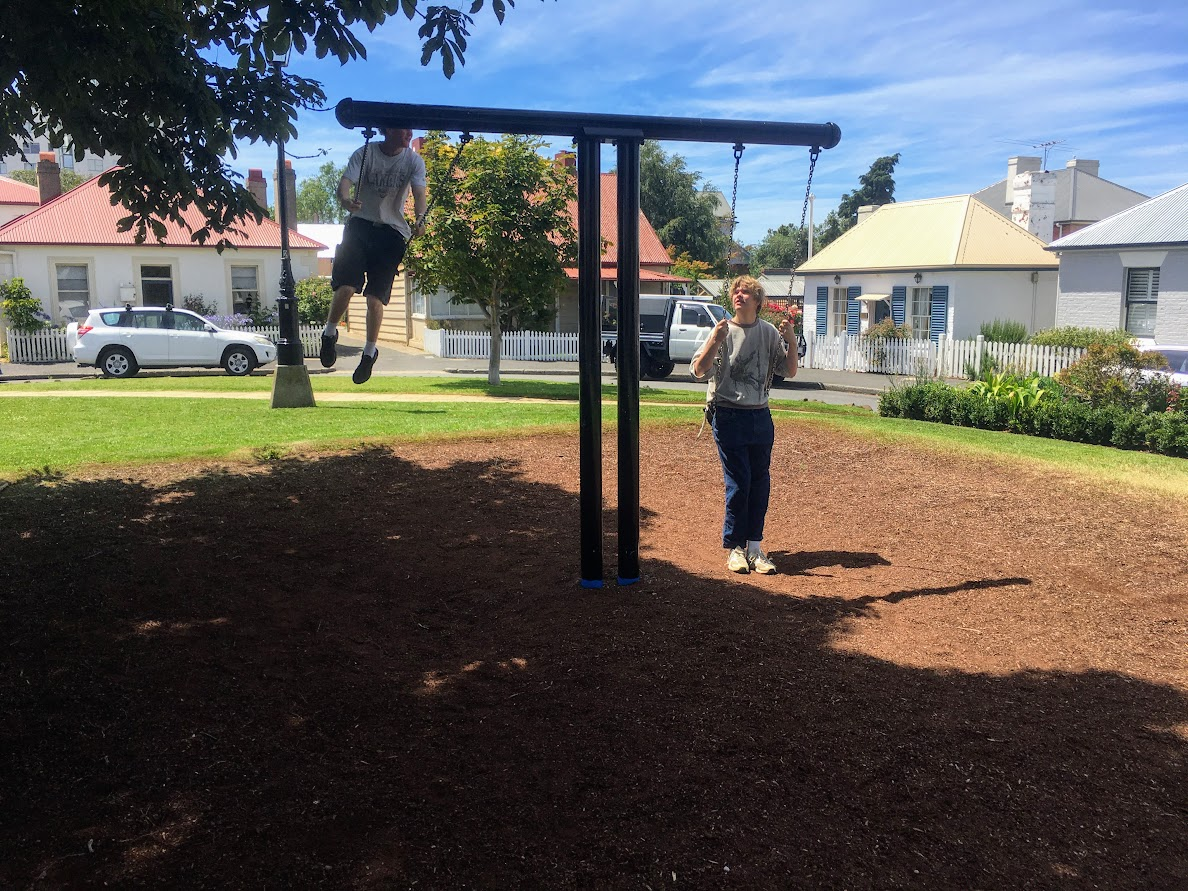
Pausing in Arthur Circus, you both jumped on the swings and suddenly, it was a decade ago in any of a dozen playgrounds. For the final time in Hobart, we’d another vertical moment.

Thank you for liking the steep climbs, and the strange art. You both have a knack for turning a simple walk through an old suburb or a trek up a mountain into a shared event. It’s not just about the destination; it’s about the moments in between.

And this, my witty, kind, dear boys, is all I can ask for.

Dad

xx

0

50,000 Residents of Corny Point Can’t Be Wrong

Woodsy was from Kadina and moved to Kapunda. We hung out. He was always bumping into people from Corny Point. We’d be at a Gold Coast theme park, clambering off a rollercoaster, and Woodsy would spy a bloke from there. Or walking through Kings Cross in Sydney, he’d run into two more. Always spotting somebody, he’d tear off to chat and upon his return Lukey or Chrisso or I’d inquire, ‘Corny Point?’ — and Woodsy would reply, ‘Yeah.’ And then tell us all about it. After a while, I wondered if 50,000 people must have lived there.

Claire and I stayed in Marion Bay and drove to Corny Point. The first Friday of this year seemed perfect for this. I expected the township to be by the beach. Instead, it was inland, at the crossroads — caravan park, CFS, community church.

The Corny Point Cricket Club is also in the middle of town. Two sprinklers gallantly try to brighten the grass around the pitch. There are cosy clubrooms with old wooden benches and a couch in its alcove. I imagine the clatter of a bat being flung by a disgruntled batsman. Then, a spurt of applause for a crisp drive scurrying over the baked outfield — someone encouraging, ‘Yeah, good shot, Blue.’

A neighbourhood book exchange sits by the cricket oval entrance — a windowed wooden box on a stand. We see these in many towns during our holiday. How great to have one right by the cricket ground? Claire and I flick through the collection. You could select a historical fiction title, park beneath a tree, and with the first innings underway, lose yourself in a few chapters, only glancing up when the thud of ball on willow disrupts your sleepy immersion. Later, just after tea, you could amble into the clubrooms and say, ‘I’ll have a shandy, thanks Fred.’ Cricket was always the most literary and dignified of sports — even here, in dusty Corny Point.

Parking on the beach, we absorb the panorama. The sand is crunchy beneath our toes. We’re both instantly delivered to our childhoods. The salty afternoon breeze is resuscitating. We wade about, the water shimmering. Claire remembers a holiday in Cooboowie. ‘It was one of the few times I remember Dad swimming,’ she offers. The wide and clean sand takes me to a place too. When I was ten, Mum, Dad, Jill, and I went to Port Vincent. I recall my plastic bucket of tiny crabs, scooped from the balmy sea. At Corny Point boats glide in. A tractor tugs out a fishing vessel. With the promise of fish, pelicans gather patiently. It’s among the best beaches I’ve visited.

The Howling Dog Tavern is named for a mention in Matthew Flinders’ journal. It was five-ish, so we veered into the carpark. Ours was the smallest vehicle there. Happy hour, and a noisy crowd’s in. The new owners dart about behind the taps, eagerly dispensing refreshment. With a Pike’s white and a Pale Ale, Claire and I take a pew on the veranda — where the ceiling fans bother away the flies. Folks drift in from the caravan park, or on Saturdays, from the cricket oval. For the hundredth time, I ask Claire, ‘What’s the difference between a pub and a tavern?’ We still don’t know. I wonder how many people in the buzzing bar know Woodsy. I’m sure at least one or two.

Driving out, I scan the crossroads one last time. I don’t see Woodsy, or too many of the 50,000 residents, but I finally understand.

2

As Childhood Slipped Away

You’re among the last of the 250-odd students to cross the stage. It’s the 2025 Brighton Secondary School valedictory event and I’m in Section E of the Adelaide Entertainment Centre. Adjusting my suit jacket, I browse about at the parents, siblings, and grandparents. Cologne pushes at me from a neighbouring dad. The jazz ensemble now hushes and we’re ready.

Our social contract is that we wait good-naturedly for our child to have their moment and be formally farewelled. I elect to clap each graduate while surveying their year 8 and year 12 photos, projected onto twin screens.

The sudden ruthless truth hit me this morning as I drove down Port Road, past the Entertainment Centre and saw the ceremony advertised on the colossal display. The height of the digital lettering was striking and the idea of you finishing school and entering the adult world became suddenly tangible and undeniable.

A long hour into the presentations and I’m impatient to see you. I repeatedly glance to the right of stage, hoping to spy you into the theatrical dark, searching for your blonde mop. But the unbroken procession of students persists.

Finally, your home group is announced. I can just see you in the wings: tall, cheerful, casual. Your turn approaches. An amplified voice says, ‘Alex Randall.’

I watch from Section E. Entering the stage, your long legs are relaxed and you’re respectfully laconic. I note that you’re purposeful but not panicked, in reaching centerstage. Years of drama productions have taught you to luxuriate in this, to add an extra beat. As a school student, it’s your final bow.

Now firmly under the spotlight, you arrive alongside the principal, Mr. Lunniss, and pause, beaming your easy smile. You almost look like you’ve just been told a small (Dad) joke and find it bemusing. Next to the angular, retiring educator, you establish your affable presence on the stage. There’s no arrogance in your stance, only a natural, infectious joy.

As you take your souvenirs — a navy-blue book and programme — my evening’s most poignant moment arrives. As your Dad, sitting in the vast auditorium, it sparks an inner welling and a hot tear for it shows heartening regard, and gratitude. It’s a hope-inspiring gesture, likely undetected by most in the audience, on this evening of goodbyes and celebrations.

You’ve told me you’ve no relationship with the principal and this is better than you being marched habitually into his office where he peers over his glasses and despairingly asks, ‘What have you done now, Randall?’ Instead, the reality is far more gracious. Beneath the arena lights I’m thrilled when Mr. Lunniss hands you the official gift of school stationery and you nod acknowledgment at him.

I instantly recognise this voluntarily offered thankfulness as a buoyant symbol. It’s gladdening. I wish for a dazzling adulthood in which you possess a sophisticated grasp of the silent machinery required to make life bend to your happy will.

Such was the equivalence that I could imagine you and the principal at a front bar: ‘Alex, your shout.’ It’s also, any witness would attest, a courteous transaction between two men — but with it away rushes the last of your childhood and in Section E, I’m an anonymous, hushed spectator.

The entire village has invested in you Alex, and some now watched on and could smile to themselves at the illuminating role they’d performed, the kindnesses they often extended, the gentle hands placed on your shoulder. It’s been an acutely elevating instance — a bright, cloudless dawn. A single, fleeting nod on a wide stage — and just like that, your school years are done.

0

The Light Around Dad’s 82nd Birthday

Those of us who drink red raised a glass to our patriarch. We enjoyed a glug of the 2006 Rockford’s Basket Press Shiraz — purple, velvety, immediately seductive. Dad, Claire, my nephew Mitchell, his girlfriend Alisha, and my son Alex all nodded their approval as Sunday lunch settled in with warm ease.

Under my sister Jill’s veranda, the cold November rain pushed in rudely — the kind that makes you reconsider going to the footy. We traded stories of Balinese dangers with cobras and scooters (Claire and me, imperilled), Kuta escapades (my cousin Ben, curious) and brazen prostitutes (Dad and Mum and my Uncle John and Aunty Liz, bemused).

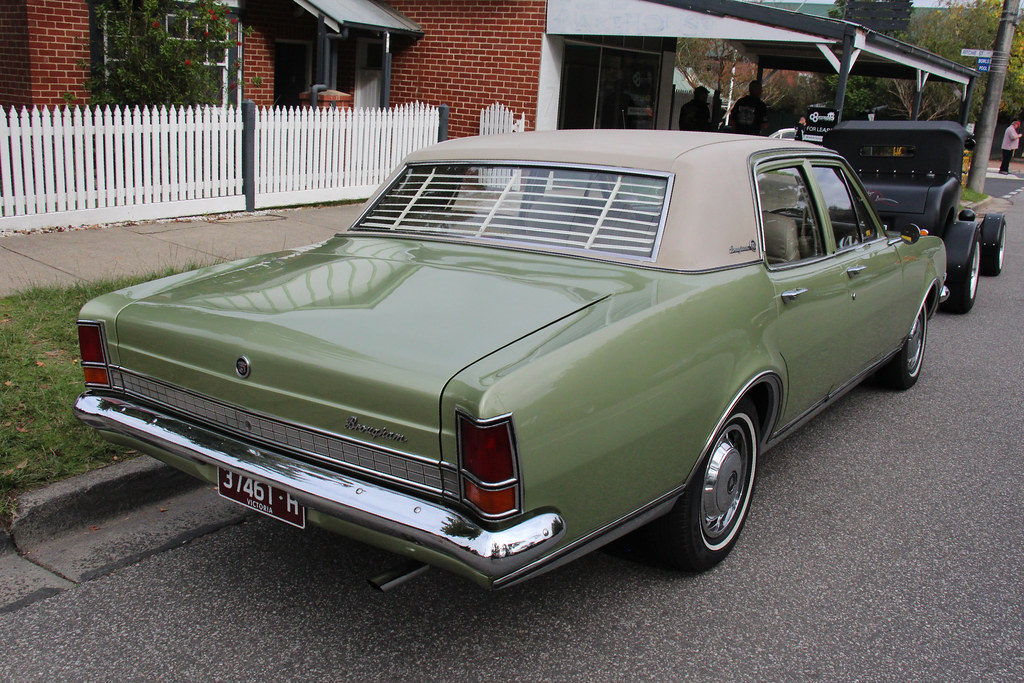
Then, naturally, we drifted to Kapunda stories: antics in adolescent cars, the burning rubber of Uncle John’s Ford Zephyr (allegedly), and my HQ Holden versus the high-school fence (guilty, Your Honour). The following morning, I had to front, in glum succession, the school headmaster, the local Senior Sergeant, and of course Mum and Dad. All before breakfast.

A tickled Alex outlined his gap-year plans — Europe and the Stans: Kazakhstan, Kyrgyzstan, Tajikistan, Turkmenistan, Uzbekistan. I was suddenly distraught. Here was aural proof that he would soon be in the other hemisphere, an alien time zone, and forever vanished into adulthood.

Lunch was superb: lamb shoulder, roast chicken, and salads — vermicelli my standout — all made by Jill, a self-declared lover of cooking. She finished with a classic country pavlova piled with whipped cream and strawberries.

Still around the table, we sang Happy Birthday to Dad. I now remember that Americans don’t do the Jolly Good Fellow coda, which has always struck me as the spirited, fun bit of the tradition — the tune barrelling home, people lifting their volume and arm-swinging gusto. Ideal for the tone-deaf like me.

The previous afternoon, I’d gone in search of a shiraz, declaring that Dad’s birthday deserved a generous red and wandering the aisles of Dan’s, I spied some plonk that reminded me of an ageing bottle on the rack in the spare room. With that I left the store empty-handed, rushed home, rescued the dusty Basket Press Shiraz, and told Claire, ‘I was keeping it for a big occasion — and surely Sunday qualifies.’

It was instantly the best glass of wine I’ve ever had — and I hope everyone else felt the same. Context is everything, and it was superior to the Grange I’ve tasted on a couple of occasions. I reckon past a certain age, birthdays narrow into the things that matter: the closest people, engaging wine and food, and old stories we’ve all heard before — and will gladly recite again, with delighted ritual, next year.

6

Time on a Myponga Hill

Claire and I stand side by side on the ochre path, a splash of red and a patch of navy against the panoramic landscape. Her coat flares like a small flag of likable boldness, while beside her I carry — optimistically — the casualness of weekend ease.

The land unfurls in layers: first the pale grass sprinkled with dew, then a row of shrubs in muted gold, and behind that the uncompromising wall of dark pines, straight as sentinels. Beyond, the green hills roll upward, their ridgelines softened by distance and a sky pressed with a haze of placid, reassuring cloud.

The coloured cones at our feet — blue, yellow, scattered like afterthoughts — are relics of the parkrun, yet in this setting they appear ornamental, like petals casually dropped along the path.

Together, we seem anchored but at peace with the vast quiet extending out all around, an image of warmth set against nature’s wide canvas.

It’s a moment on our annual Carrickalinga escape with dear old friends during which certain traditions have taken happy hold. Pizza Friday night, Saturday morning market, evening cocktails. As with most traditions, the joy comes largely from shared anticipation although the rituals remain delightful in their luxury.

That the photo was taken by Trish is special. She has known us both so long and so well and caught this moment as a gesture of kindness, an unspoken but mutually understood gift. The picture isn’t of us alone; it carries Trish’s affectionate eye.

Photos make permanent the ephemeral, and cryogenically freeze us all, sometimes against our will. Are these images dishonest in their fleetingness or quiet protests against life’s cruel acceleration? We look eternal but already the past has fled, with tempo like a chariot.

After, we ambled back down the hill in our chatty knot and past the retreating parkrun crowd of huffing participants and hovering volunteers.

Saturdays, at their best, spread out from dawn with kaleidoscopic possibility, hours to be coloured, festive windows through which to view self and others.

We go from forest and reservoir to coffee and toast. Like time, we are never still — least of all when we believe we are — and I consider that boundless, comic truth. I feel this thought prickle, until for a breath, I outpace it.

0

To Alex, as your final day at school looms

Dearest Alex

A summary of your recent achievements includes your continuing excellence in Drama and, just as impressively, in all of your Year 12 subjects; the inspiring trajectory and resilience you’ve shown in your work at Pasta A Go-Go; and the abundance of positive relationships you cultivate. All wonderful — and of these, I’m truly proud.

But what I want to talk about lies deeper than the visible architecture of these accomplishments. I want to get to the heart of things.

Although capable of admirable assertiveness — you can be feisty on occasion as I well know — there’s a gentleness in you that’s noble and principled. And this connects to kindness, which I believe is the most important quality a person can possess and practise. Here we think of The Dalai Lama, who as the head of Tibetan Buddhism, reminds us that, ‘kindness is my religion.’

The first time I became aware of your gift for kindness — and how others saw it — was in Singapore. Do you remember that boy in your class called Mitt? I don’t think he was enrolled for long but his Mum told me more than once how very compassionate you were to him. You’d included him, looked out for him, and made easier the passage of his young, challenging life. I don’t know how any of this came to be but it gladdened me that your role in this appeared to be voluntary and offered unconditionally. I was delighted, and moved, to be the Dad of someone kind. I still am. Wherever they are, I expect his family still remembers you warmly.

I also admire your appetite for experiences and your receptiveness towards possibility. For me, a chief joy in going somewhere with you and Max is in witnessing your engagement and the subsequent meaning you then collect from travelling. Agreeably curious, you’re inclined towards an open-hearted life.

This was especially evident in Sydney on our coastal walk from Bondi to Coogee. Striding along, chatting with your brother, taking in that rugged sprawl of ocean and sky, clicking some photos — I loved being both a participant and witness to it. And how you do so in a good-natured way is, I hope, a predictor of a happy and fulfilling life.

Another favourite memory: the Lake Lap. I loved how quickly you turned our late afternoon drives around Lake Bonney into a ritual — and how you not only relished the anticipation and the loop itself, but also the talk that followed. You’ve always had the rare ability to find joy and connection in life’s simple rhythms.

Being a dad involves a lot of watching — scanning for all kinds of clues. Happily, in you, I’ve mostly seen encouraging ones.

Last March, I made you a spontaneous offer: let’s go to Adelaide Writers’ Week to hear my favourite writer, Richard Ford, and then drive down to Moana — swim, eat at a café, and later, back in our cabin, watch a Bond film. Of course, you accepted with your usual, wholehearted enthusiasm. You bought into this with immediate unreservedness and listened to the literary discussion with patience and real interest. This passage from The Sportswriter — one of Ford’s best — speaks to perspective, hopefulness, and curiosity

I read somewhere it is psychologically beneficial to stand near things greater and more powerful than you yourself, so as to dwarf yourself (and your piddlyass bothers) by comparison. To do so, the writer said, released the spirit from its everyday moorings, and accounted for why Montanans and Sherpas, who live near daunting mountains, aren’t much at complaining or nettlesome introspection. He was writing about better “uses” to be made of skyscrapers, and if you ask me the guy was right on the money. All alone now beside the humming train cars, I actually do feel my moorings slacken, and I will say it again, perhaps for the last time: there is mystery everywhere, even in a vulgar, urine-scented, suburban depot such as this. You have only to let yourself in for it. You can never know what’s coming next. Always there is the chance it will be — miraculous to say — something you want.  

I was delighted — you’ve always been someone who brings me frequent delight — when unprovoked, you announced that you’d like to go to this year’s Adelaide Writers’ Week to hear one of our idols:  Shaun Micallef. I was impressed that you’d investigated the programme and this showed a healthy disposition towards a cultured life and learning. It also showed me that your curiosity now moves under its own steam.

For a number of seasons watching Mad As Hell on Wednesday nights was our ritual. I loved how ready you were to laugh at it and appreciate its absurd satire. It was tremendous fun and I was thrilled by your quick sense of humour — a necessity as well as a reliable forecaster of future success. We’d roar at Sir Bobo Gargle (release the Kraken!), gasp at Draymella Burt, and laugh at the cigar-chomping Darius Horsham who’d always finish with, ‘Don’t be an economic girly-man.’ There was a quiet magic and symmetry in us meeting and obtaining autographs from both Ford and Micallef. I hope you and I can continue to attend Adelaide Writers’ Week.

This letter is also meant to reflect on ambition and integrity — and I know you have an abundance of both. They’ll serve you well in this life which needs them. I remember your first day at school in Singapore — the morning heat rising, the skyscrapers shimmering — when you climbed aboard that little bus bound for Orchard Road and the great unknown. Your journey had begun.

These brief years have vanished, your final school day looms, and you’re about to go into the world. In my quiet moments, I used to wonder about the future and how you would look, sound, and be as an adult. Now, suddenly, that future is here. You stand at its edge — optimistic, imaginative, kind. I know you’ll be all types of magnificent.

Off you go.

Love always,

Dad

2

No Helmets at Silly Mid-On: A Birthday Letter to Rocket

Hello there Rod

Happy birthday! I thought it a fine moment to pause and raise a glass (West End if available) to a few tremendous memories from the vault…

Let’s begin with the ongoing tradition of our SANFL Grand Final texts in the case of Sturt or Glenelg winning. You had the upper hand in 2016 and 2017; I had a turn in 2019, then received a text in 2023 and 2024. Surely one of us gets a message this year. Watch out!

*

I still think back to those Adelaide Oval Test matches of our youth. We loved the cricket, of course, but also the economy of the cheap kid’s ticket. More cash for beers. I can see us now at the Victor Richardson Gates — me first, just 17, sliding through. Then Davo. Taller. He’s waved in too. Chrisso, taller again, gets the nod after a suspicious squint from the bloke on the gate. But then comes you, all six-foot-five of you, last in the queue. The old guy takes your ticket, peers up, irritated, and says, ‘Are you sure you’re all under sixteen?’ Davo doesn’t miss a beat: ‘Yeah, we’re from the country. Breed ’em big out there.’

We all then galloped straight to the hill and set up shop just in front of the Duck Pond. We heard the whistling of stems being pulled from empty kegs. Shortly after one of us came back with a plastic cup holder bursting with beers, slopping West End Draught onto the sloping lawns.

*

A highlight was most certainly the trip Chrisso, and I made to Coffs Harbour in July of 1990 to visit you and Michelle. We had a great week. I recall Mutton Bird Island, Par 3 golf in Coffs, the cocktail party with your footy club friends, going to the Sawtell RSL and Joe Bananas for dinner, lots of fun along the way and — of course — the triumphant meat tray at a local pub.

Good people, good weather, and that ancient stubby holder still tells the tale!  

*

A less successful expedition was the 1982 Lutheran Youth trip to Naracoorte with Stephen in the Gem. Ending up in a ditch and travelling home by train! Found sanctuary on the Fanks farm. In between was a theological and beery blur. But we survived — just.

*

Then there was Melbourne in 2017 — you, me, the Hayward brothers, Lukey and Nick. Listening to Phil Carmen at the North Fitzroy Arms. He was truly compelling. It was a great event and as people say, you know it’s a big day when you get to the pub at noon and next thing, you’re ordering dinner there too before zipping into Young and Jackson’s for a midnight nightcap. Collingwood and Port the next day! Free bird seed. A funny weekend.

*

It was also terrific to be part of two Senior Colts cricket premierships. Fergy our coach. Tanunda and Angaston Ovals. I had a stint at silly mid-on when you charged in. No helmets in those days — and no shortage of courage. Both the Tanunda batsman and I in danger of fouling our whites. Especially when he defended one of your short balls using only his (four-cornered) head. I was sure it’d come straight off his double scoop Gray Nicolls.

*

But it wasn’t all bouncers and meat raffles. That you and Michelle asked Chrisso and I to act as ushers at your wedding ceremony in Hamilton remains an utter honour. The Yalumba reception was also excellent!

Thanks for all this, Rod — the cricket, the laughs, the travel, the stories we can now retell like old blokes at a reunion. Hang on! Enjoy your extended birthday celebrations. Well played!

Love

Michael and Claire

July 2025

0

Almost, Us

A silver tray with vintage glasses of sherry greeted us by the door. It looked like something quietly borrowed from Antiques Roadshow.

Setting the afternoon’s genteel, English drawing-room tone, if Claire had on a hoop dress and I’d just doffed a top hat, it’d be a period drama.

We were at the Stirling Community Theatre for Sunday’s matinee of Almost, Maine.

Stirling is the most Hertfordshire-like of the Adelaide Hills’ villages. Outside was July-cold and drizzling. Clasping our sherry vials, we stole past the soft scarves and murmurs. I quite enjoy ‘Sherry’ by Frankie Valli & the Four Seasons but don’t have the fortification for fortifieds. Claire may have had both snifters. I prefer not to ask.

We claimed a spot by the orange flame of the fireplace. Its considerate warmth was another unanticipated bonus. It was thrilling. I could almost smell a Chesterfield and I enjoyed the quiet happiness.

Making our way into the theatre proper, Claire collected a black blanket from a wooden box. Although it was thin and provided symbolic rather than physical comfort, draping it over our laps was a terrific addition to this pastoral excursion. The anonymous, attentive care was uplifting.

At the door was a kindly couple checking tickets. I showed the woman my phone. By her side was a spritely, smiling usher in a black suit. He also had on a bowtie.

Our theatre visit was now more Downton Abbey than off-Broadway. Sherry. Fire. Blanket. It made an affirming triptych. My inner octogenarian — he’ll be among us before we know it— was preternaturally ecstatic.

At intermission we returned to the fireplace. I nibbled my half of the carrot cake we’d bought (reluctantly) at the Stirling Bakery.

On the adjacent wall was a poster promoting love — the play’s key theme — and in the modern spirit of interactivity we were invited to share our thoughts on this — via heart-shaped sticky notes to be affixed to the poster.

Claire resumed her seat for the second act while I confirmed and displayed my suggestion.

How was the play?

It was engaging and the young cast was enthusiastic if uneven. Eight interwoven stories, each set on the same winter’s night, as the Northern Lights shimmered over a small town near the Canadian border. As a concept Almost, Maine gave us much to consider. Love and loss, hope and pain, a missing shoe, and magic realism. It’s the most performed play in American schools this millennium, should this be any metric.

Claire deposited our blanket back into its box and went to the love poster. ‘Where’s your message? I can’t see your writing.’ I pointed to an unholy scrawl.  

Starring George Clooney in what I think is his best role, The Descendants, is a blackly comedic drama set in Hawaii. Clooney’s character is Matt King who, in the second act, delivers a monologue to his wife. Among other poignant and despairing things, he observes that the function of a marriage should be

to make easier the passage of each other’s life.

Claire took a photo of the sticky note. She then rubbed my arm.

With the lights on and wipers ticking, we descended to Adelaide’s spacious plain. We prodded gently at the play, and our past. It really is a lovely thing — to have shared so many almosts.