0

Posh: Bye, bye Becks, Hello Ringo!

sausage

Hello. Is it me you’re looking for?

A month on and we’re still recovering from the rush. A gargantuan week as the UK whizzed along in a mad passionate whirl. Of course I refer to October 25 to 31 which, if you’ve forgotten, was British Sausage Week.

Up in the Peak District we bought and fried six sausages from Tideswell’s butcher but these gastronomic impostors were stunningly devoid of texture, aroma and flavour. The week was saved only when we strayed past a York pub window and read its British Sausage Week (BSW) testimonials. Mr W of Leeds wrote, and I beg you to contemplate this during Christmas, ‘My wife still talks of the sausage the chef here gave her two years ago.’

York is staggeringly handsome and we liked spending our anniversary there ambling among its abbey, across the River Ouse (why it belongs to all of us!) and atop the Roman Wall which smartly entraps the city. The Minster is a towering, honeyed church and humbling to behold.

However we didn’t venture in as the six pound fifty ‘compulsory donation’ appeared a little, well, un-Christian. Gladly, St Albans Abbey demands no fixed fee but visitors may part with their pounds through a credit card swiping machine, positioned conveniently in the bookstall at the cathedra’s entrance.

Dining in York’s improbably haunted Golden Fleece pub was tremendous, despite the ghosts! Continuing my uncertain flirting with Real English Ale I purchased a Yorkshire Terrier and straining it through clenched teeth, the taste and temperature made me wonder if every pint of this distinctively Northern brew came directly from a yapping dog’s kidneys.

Sitting hidden by undulating green hills is Tideswell whose market square is hugged by stone shops. Tindalls is stuffed with exquisite home-cooked breads, cakes and pasties and apron billowing, stood Mother beaming behind her wooden counter. Father’s glass cabinet parades black-pudding, scotch eggs and streaky bacon and in their olden store, eternally 1952, the doorbell chimes welcomingly and foodstuffs are dispatched eagerly in thick brown paper.

Also noteworthy are the chippy (chip shop) advertising not opening hours but frying times and that, courtesy of the summer sun’s disappearance at 11pm, the Tideswell Cricket Club competes in Wednesday evening fixtures. How fantastic is that? Time was wretchedly against us so we couldn’t visit Castleton’s most delightful emporium, World of Icing but, hopefully, another day…

Exploring European cities aside, our preferred pastime is rambling, with Roxy, about the countryside and Derbyshire presented abundant opportunity. The hamlet of Litton sleeps in an autumnal hollow. It is hushed apart from a sporadic dog bark. Their branches blazing burgundy; trees watch its placid streets, leaves like a Hawaiian lava flow. We swim through the footpaths, our shoes drowning in swirling colour. The village green is pocket-sized and wooden stocks speak of an unruly past… A boisterous tractor roars past unexpectedly and lurches to a halt. Bounding down from his cabin, a green-capped farmer nods at us and ambles into his lunchtime pub.

Friday evening in Litton’s Red Lion was the finest pub experience we’ve had in either hemisphere. Tilly the Airedale transversed the antique entrance, a jovial fire bellowed and homely chairs creaked with rustic tales and belly laughter. We’d been in the bedroom-sized bar but a minute when Harold pumped my paw, thrust a Black Sheep at me and opened a yarn about his 1992 Australian holiday; notably punctuated by wearing his pristine Crows tie during a roasting Christmas at Christies Beach.

The grimacing Terry doles out the falling-down water in this family-run pub whilst matriarch Joyce steers her kitchen and insists on autographing her little home-made booklets of home-spun poetry. The titles are flawlessly kitsch: Re-Joyce, Jump for Joyce and the forthcoming Orange Joyce. We bought copies for Kerry’s grandma in Gympie.

Retreating bar-side after some tremendous lamb shanks I’m button-holed by Joyce’s husband, thirty years my senior but insisting, Yorkshirian style, on calling me Sir. He asks of Adelaide and cricket and St Albans as if these are the most vital things in his world. Meanwhile Kerry chats merrily with the rugby-loving couple from Portsmouth who is also commemorating their second anniversary. Afterwards we retreat to our cottage and its popping, cracking fire. Perfect.

Steering the Fiat Punto at the appealingly tranquil Eyam proved fascinating for we learnt that in 1665 it lost much of its population. Shortly after unwrapping a package of cloth from London a local complained of feeling poorly. He was soon dead and the Plague again lowered its cold noose. Panicking, the minister urged his brethren to quarantine themselves in their houses and only collect provisions from designated places and mercifully this self-sacrifice partly confined the disease.

Strolling the 4WD-ed boulevards we read solemn plaques describing the demise of families of eight in as many days. 350 were ultimately claimed but it is tricky to picture Eyam suffering any modern disaster beyond the Agricultural Society cancelling, due to heartless disinterest, the 1964 Strawberry and Fig Conserve Competition (Open Section).

Easyjet flew us from Gatwick to Cologne one weekend so we could explore the renowned Christmas markets. The city is largely unremarkable save for the utterly compelling cathedral; the Dom. With twin spires ascending to 515 feet, it was the world’s tallest building until the Washington Monument. Similarly astonishing is that in 1162 Emperor Barbarossa secured the authenticated remains of the Three Magi for the Dom. We drifted about its vast, almighty interior and leaving, willingly presented some Euros to a courteous priest.

Papa Joe’s En Streckstrump is Cologne’s chief jazz venue so we find our seats early for Sun Lane Ltd, a trad ensemble from nearby Aachen. Slender, smiling waitresses disperse wine and beer. Bespectacled, elderly and ample musicians timorously squash onto the picnic-rug stage. The pianist looks like a superfluous sheet has been stretched about a lumpy, wobbling refrigerator. We can scarcely see through the stinging blue smoke. Like sailors to a knock-shop, the punters still surge in.

Standing abnormally close; a gentleman suddenly clambers up and straddles me and a nearby stair as if imagining that he and I are posing for a gay fire-fighters’ calendar. I am startled. ‘What the fuck are you doing?’ I declare, overlooking that Europeans are bi-lingual.

As the gentleman dismounts the step and my horrified groin I mutter, ‘Thank you.’

‘You’re welcome!’ my intimate twitters.

‘Say what you really want!’ adds his friend. We don’t see them again. The jazz is brisk and zestful and spilling out onto the Rhine’s bank, Nina’s “99 Red Balloons” bursts from a heaving club. Lingering at the chilly Alter Markt, Kerry sips a final Gluhwein; the hot, spiced, red wine and we confirm that Cologne is hip.

Our staff room corner houses year 7 pupil information and photos. Posted earnestly, but these summaries are memorable for their crude and po-faced honesty. This one, of course, is accompanied by a hilariously glaring youngster’s face.

Lazy girl. Hates maths. Mum hairdresser.

Such psychometric insight and sophistication! Now, dear friends, I leave with a question; with which six words would you summarise yourself?

Enjoy a splendid Christmas, especially if you missed British Sausage Week.

cologne-cathedral

This story is from the collection I call The Ringo Tales which chronicles our travels during 2003- 2006 when we lived just north of London, and spent time in Europe and North America. It can be found on this blog at https://mickeytales.com/2014/02/22/the-ringo-tales/

2

DK Lillee, the Jumbo Prince, and that Young Mum at the Checkout

abba

This boy bought some fried chicken. YOU WON’T BELIEVE WHAT HAPPENED NEXT!

Share if you wear shoes!

Ten ways Internet cat videos are making you a zombie!

We know social media can be a torrent of infantile noise. But I recently found a quiet raindrop in the form of a story.

The author was at a supermarket checkout, harassed by shopping and kids. Suburban drudgery. The English poet Philip Larkin might’ve been right in “Dockery and Son”

Life is first boredom, then fear.
Whether or not we use it, it goes

An elderly woman saw her frustration, and offered support before saying, “You know what? I loved being a mother, and enjoyed every minute.”

Enjoyed every minute? Really? Utter rubbish, the writer barked. Dwelling upon her experiences, she knew, of course, that parenting could be dreadful. Excruciating. But, in those reflective moments after the kids were asleep, she loved having parented.

Is this the defining distillation of adulthood? That life becomes gratifying only in retrospect. That we find our satisfaction in the past tense, in having transacted, having accomplished? For kids life is mostly present tense, as it should be. But moving from present to past is hard.

I remind myself to splash about in the moment.

*

My first SANFL game. I was at a friend’s when Dad picked me up late morning, and we went to the 1976 Grand Final at Footy Park between hot fancy Port and Sturt. The attendance was 66,897, but anecdotally, closer to eighty.

I was among the hundreds sitting on the grass, between the fence and the boundary. It was three and four deep, and arguably like sticking your kids on the roof of the XY Falcon while you drove interstate. But it wasn’t frightening; it was a Match Day Experience.

Sturt ruckman Rick Davies hypnotised me. The Jumbo Prince. He defeated Port and his performance yielded statistics that, forty years on, in this era of high disposals, are astonishing

21 kicks, 21 handballs, 15 marks and 21 hitouts.

At the siren, I scampered onto the ground, and patted Davies, a gigantic double-blue fridge. It was an IMAX moment alongside the coat-hanger-as-antennae B&W footage of my childhood.

The afternoon gave me much: league football, a big event, and the irresistible rush of crowds. In taking me from our little home, it painted a vivid vista of possibility.

Thanks, Dad.

*

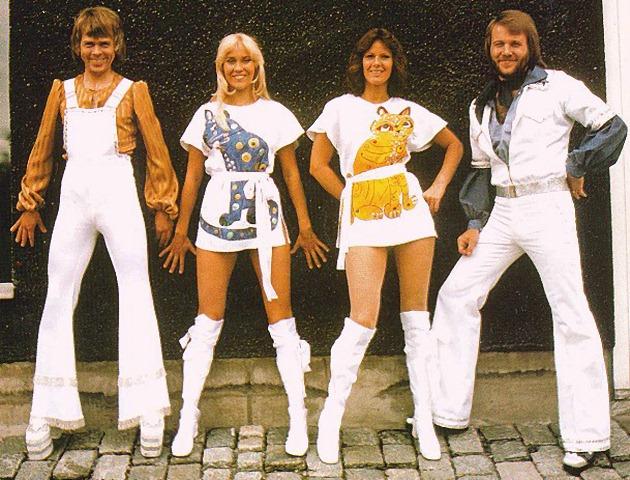
On a searing Singaporean day, we watched the 2014 AFL Grand Final, and our seven year-old Alex is now on the Hawks. The Crows have plummeted to number two, and are mostly forgotten like all those number two songs on Countdown when Abba’s “Fernando” was top of the pops for fourteen weeks.

Do you remember, in the latter epoch of its reign when Molly decided to not show the whole video clip because the entire country was ill of its Eurovision-inspired confectionary and communicable melodies? “Fernando” had, in a Sunday night televisual sense, finally faced its Waterloo.

If Tex’s Crows are good enough they’ll give him some moments, and win him back. While Hawthorn keeps winning flags, Alex might never return. Happy with the Happy Team, he could be an Abba fan forever.

As a young fella, the boys’ cousin Dylan changed the team he supported three times in three seasons, until with wardrobe space, cash and patience running out, his mum threatened that she’d never buy him another footy jumper. He’s finally a loyal supporter. Mums have this power. And now he has the Power.

*

We’re at the scoreboard end. Like an Arctic ice floe, there’s foam eskies everywhere. I doubt any sunscreen was applied. Those droopy white hats, worn by Arthur Dunger on the Paul Hogan Show, flopped all about on that sloping hill.

My first Adelaide Oval experience was with Dad at an Ashes Test. It was Australia Day, 1975, after the first day washout. Our captain, Ian Chappell, was caught behind for a third-ball duck. His brother scraped to five. But feisty swinging from Jenner, Walker, Lillee and Mallett got us to three hundred, just shy of stumps.

It was nearly six, and the ground announcer confirmed the English openers Amiss and Lloyd would face two overs.

The first from DK Lillee.

The second from JR Thompson.

A pyroclastic flow of noise instantly buried the outer and the ancient grandstands named for Sir Edwin Smith and George Giffen. I was happily pulverised, and it was apocalyptic and baptismal.

With only eight deliveries each, Chappell unleashed both. Lillee, with his Hellenistic menace, and then Thompson’s Wild West gun slinging. Majesty and volatility, both presenting as terror.

The crowd commotion was now medieval village riot, the Rolling Stones in Hyde Park, and a rapidly unhinging Neapolitan wedding.

How could this not shape a small country boy? Thanks for this too, Dad.

That the batsmen survived mattered little. The next day Lillee took a wicket with the morning’s third ball, as he and Thompson seized seven victims. England was done.

*

These were my introductions to widescreen sport. How could I have had better? I can’t wait to offer Alex and Max this gift; this tormenting, ageless, rewarding gift.

It’s time for them to catch some moments of their own.

DK

1

Sea Snake!

sea snake

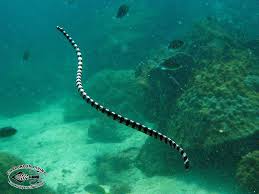
Alex and I each wrote a poem about our encounter with a sea snake in Thailand. We talked about the snake, and then wrote some notes on the plane trip home. Here they are!

Alex’s poem

black and white stripes

sliding through the coral like a very fast slug,

like fat string

we were excited

so dangerous it can bite off an elephant’s tusk

we told Mum and Max

we felt extreme

nobody can ever find it

that was the best thing ever!


Dad’s poem

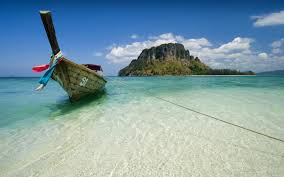
Andaman Sea

limestone peaks like monuments

flotilla of speedboats

we’re on the surface

kicking languidly

peering down, together down.

snorkelling in the oceanic cool

above the coral

our bubbling sphere

like Bangkok motorbikes, tiger fish

whizz across our masks


patterned like a cavalcade

a sea snake whips over

the ragged seabed


with muscular purpose

it glides beyond our sight

once gone, we sit up on the azure

gasping, snorkels flapping


Did you see it Dad?

Sure did. What’d you think?

So cool.


ours is an indifferent world

but, sometimes,

on anonymous Fridays

it still permits moments such as this


intimate paintings

vivid watercolours
thailand

0

A Yarn About Writing Yarns

skyline

I nod goodbye to the cleaner. Always gracious, she simply gets on with it. Aunty Chong’s nudging seventy. She’s paid two hundred dollars a week.

My school has a half soccer pitch. On its eastern wing, roots push up through the soil. Being by Orchard Road means this grass rectangle is worth hundreds of millions. Modern economies can be ridiculous, but Singapore’s is unfathomably so.

Traffic’s roaring along Grange Road, and I move through the thick heat. I turn onto Bishopsgate, with its modernist homes at thirty and forty million a pop. How can this be? Singapore often places opulence and poverty together in hideous proximity. I think of Aunty Chong.

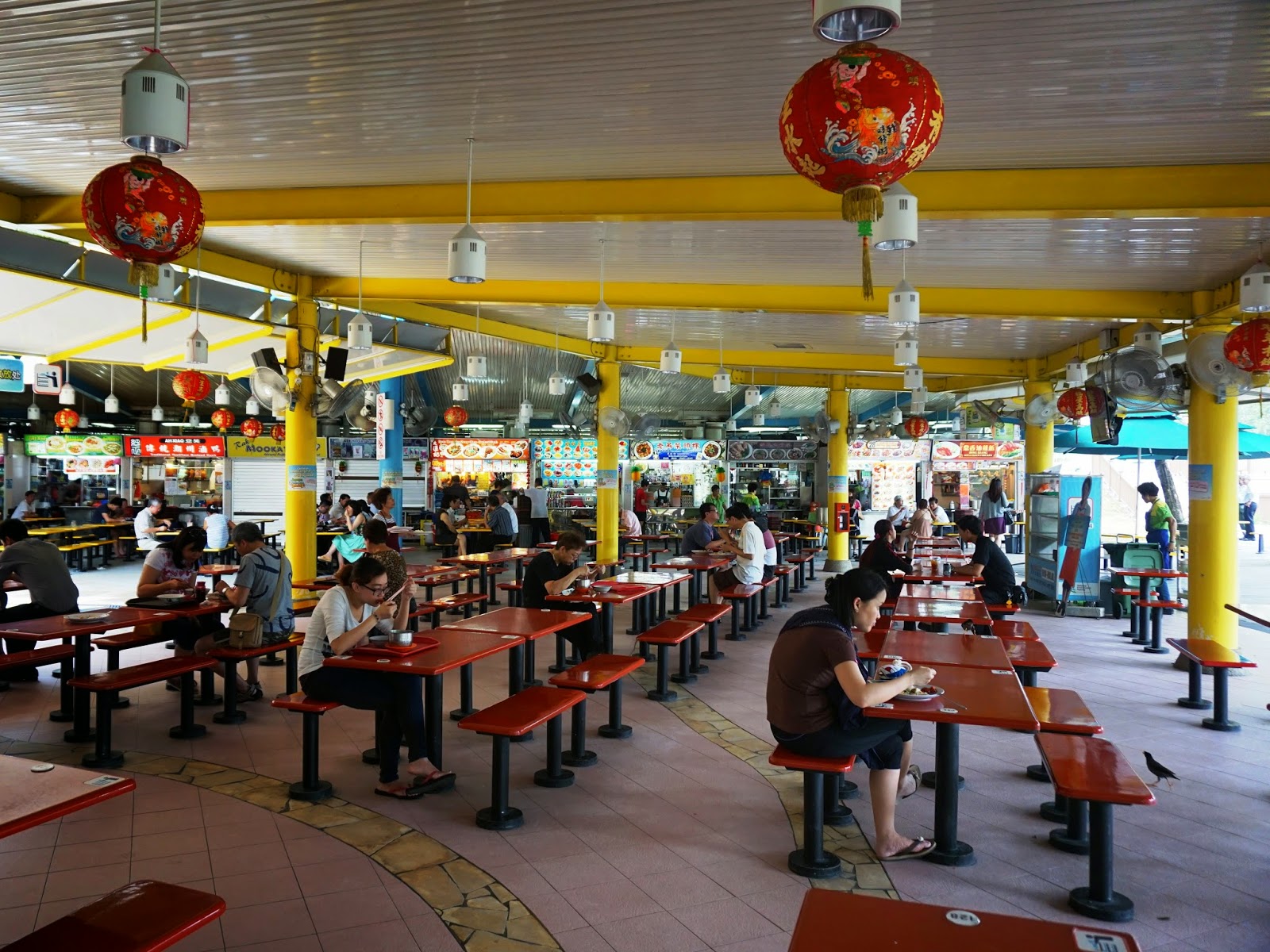
I pass home, where it’s just us, and seven hundred and twenty-seven other condominiums. More people live here than Kapunda, the country town I’m from. The Singapore River travels sluggishly today. I arrive at the Zion Road Food Centre.

I’m in shorts. I only wear shorts. Apart from the wedding last March at the Fullerton Bay Hotel in Collyer Quay, but I reckon if I’d turned up in boardies, I’d have been fine. Well, maybe a few hours into the reception. The bride was Australian. They may have played, “Eagle Rock.”

Like the nation itself, the hawkers’ centre runs on obedience. Signs insist upon no smoking, touting, littering, bicycling, dogs, or pet birds, which is probably compassionate as there’s ducks hanging everywhere in their gastronomic gallows. Remember, pet birds have feelings too.

But there’s chicken rice. Fish steamboat. Pig organ soup. To avoid the chaos of free will, all seating is fixed. On each table is a plastic number.

Additionally, here in the republic, public restrooms often have labelled urinals. Join me and listen now to, say, a banker. Please don’t stare, but he’s phone up and zipper down.

Mate? I’m just in the loo. Yeah, urinal U3. Nah, U3. Nah, someone else is at urinal U2. Nah, mate, unfair. The Joshua Tree is a great album. Yeah. Yeah. Bono wasn’t always a tosser. Hey, get me a pint. Heineken. I’ll be there in a minute. Righto. Don’t let Stephanie leave.

On Thursdays I park outside, beneath an umbrella, as it’s often punishing sun or rain. With a Tiger in my tank (lager, not the carnivorous cat) I write.

It still astonishes me how my phone can get radio from distant lands. I’m probably like Bill Bryson who once remarked that he remains surprised electricity doesn’t leak out from the wall sockets.

As a radio listener I’ve tried to assimilate. About a month ago, a rock station launched. It confidently declared a national first, promising, “Singapore’s Only No Repeat Workday.” No, really. I’ll be disappointed if one afternoon, I’m skiddled by a Black Thunder loaded up with icy cold cans of Coke.

So I listen to footy talk, to catch the teams and previews, surfing between 5AA, 3AW, and Triple M. There’s curious contrast in sitting near Boon Tong Kway, while listening to Richo’s prediction for the Bombers and Magpies clash, or Stephen Rowe’s hyperventilations as a whiff of Hokkien Prawn Mee drifts across.

5AA host: Let’s go to Bill from Rosewater.

Bill from Rosewater: Hello there. I’m a long time listener, first time caller.

5AA host: Welcome, Bill. What’s on your mind?

Bill from Rosewater: I want to talk about the umpiring in last Sunday’s Port game.

5AA host: Utterly disgraceful. What’d you think, Bill?

And so on. But do you know what? I love it. It’s the familiarity of the accents, as secure as Christmas lunch, when the pudding comes out. It’s our dialogue, begging, on behalf of our discarded simplicities. Maybe it’s aural homesickness.

When I’m not in Australia I spend disproportionate time thinking about the bloody place. I devour its media, its music. Trawl its websites. About twice a year I reacquaint myself with Coopers, but it’s like the Indian cricket team. Brilliant at home, unaccountably poor in the other hemisphere.

I feel sad for the people who’ve declared they’ll never again live in their homeland. Canadians, Americans, Brits. If this is possible, they’re professional refugees.

So why are whites are ex-pats, when everyone else is an immigrant? I’ve been an ex-pat twice, and like the expansiveness, the exuberance of it. Australia is home, but I’m not sure at what point we’ll say enough, and stay put.

Singapore soon turns fifty, but is still under shadows: China, Malaysia, England, as local obsession with the Premier League is pathetically immature. Enjoy it sure, but to slavishly dedicate most of your sports reportage to it? To care more about Tottenham than your own Tampines Rovers?

Even Australia looms, as our boys drown their breakfast cereal in milk from near Melbourne. And we recently had some steak. Bewilderingly, it came from Omaha, Nebraska. So, that’s now two Nebraskan products I’ve had. Bruce’s album with its songs of despair and death. And, last Saturday, a modest segment of cow.

*

Soon, this will be done. We’ll return to Australia. I know Singapore’s weather the July day we fly home: 32 degrees, with a chance of an afternoon thunderstorm. Then, we’ll watch the Glenelg Tigers, and hop on a tram to Adelaide Oval, to yell at the Crows.

In the meantime, I stroll down here most weeks, and invest an hour. Keyboard and cup. Channel footy noise into my ears. Dwell upon ladder positions, hamstrings, handball receives.

After, the boys and I flop around in the pool for a boisterous bit. Puff them out. I like the late week rhythms, the easy routines. I especially like the time to write.

Our home and away season’s underway.

zion

0

Home on the Grange

weber

It’s like being down at the park, and finding yourself having a bit of kick to kick with Luke Hodge.

You’re not sure how, but here you are with the finest modern exponent of the drop punt. The elegance, the unforced style. The footy thuds into your chest, and you gasp. But, as great as it is, you don’t feel worthy. How did this happen? You’re enjoying the moment, while being aware of your inadequacy.

*

A Thursday evening, on the edge of the desert. Old Kapunda mate Chris, Eddie and I around my kitchen table.

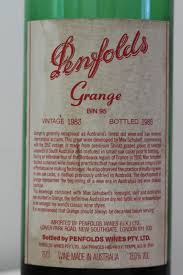
1983 Penfolds Grange Hermitage. And not one bottle, but two.

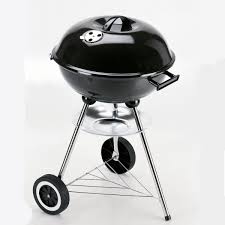
The kitchen table cost me a Southwark six pack. I bought it from Bo, fanatical barbecuer, and my cricket captain. Completing the transaction, we then drank the beer. At the table.

In the untidy blur of a Wudinna footy club progressive dinner, we were outside, beneath the cold stars, working the tongs. It was 3am.

“Hey, Bo.”

“Yeah, Mickey?”

“The barbecue’s gone out.”

“I turned it off.”

“Oh. How come?”

“This way we can stand out here a bit longer. You know, have a few beers. Enjoy ourselves. There’s no rush.”

*

As a kid I played footy and cricket in the Barossa Valley’s main towns. Nuriootpa. Tanunda. Angaston. This was its only purpose.

Moving away was the key to appreciating it. To enjoy that it was probably the country’s premium wine-making region. Folks’d ask, “Where you from?” I’d tell them, Kapunda. Next door to the Barossa. Dad works at Penfolds.

And so living six hours away on the state’s West Coast, I began to value the place. It became more than just the soggy oval where as a senior colts footballer you’d hoped to roll the Tanunda Magpies. Or where Bob Blewett, father of Greg, would patiently humiliate you and your team mates on Angaston oval, crafting yet another century.

*

Ucontitchie Road. I loved living beside this sandy track as it seemed elemental, and more authentically Australian than distant Kapunda. About two kilometres from town, the massive stone farmhouse sat on a rise, and offered a view from the wide verandah.

With clothes, books and golf clubs in the boot of my VK Commodore I moved there. A day’s drive. Billy Joel in the cassette player. My interior design theme was Young Bloke Spartan. Bo’s table was the stylistic centrepiece.

During my first Wudinna winter I kept waiting for it to rain. Back home in Kapunda there was a constant twenty inches annually. Here a drought punished the land surrounding my house. A grain farming community, that year saw only seven inches, with two of those just before Christmas.

In the bush quiet I’d think about how big our country was, how far away I was. Our geography confronted me, and I knew if I walked north, I might see no-one before I flopped into the Timor Sea, three thousand kilometres distant. It was very Australian, it was very foreign.

*

Like viticultural blood brothers we vowed to prepare well. No beers from Sunday to Thursday, even if someone, like Bo, suggested a quick snort in the club after Tuesday’s cricket training. We wanted to be drink-fit. During the week I glanced at our Grange bottles on the rack. They were the most valuable things in my home.

What to eat with Grange? The BBQ kettle craze was at its zenith. A hunk of beef. Roasted vegetables. A jug of thick gravy. A heat haze shimmered across the stubble, while on my verandah, the Weber spat and popped.

Dad was allocated two bottles of Grange. We claimed both, and the dark receptacles cost us forty bucks each. As the afternoon sunlight bent through my kitchen, we pulled the corks.

“Good choice fella,” remarked Eddie as I slid in Rattle and Hum, U2’s exploration of America, pre Bono-with-welded-on-sunglasses-wanker-era. We also listened to the first CD I bought, the Beatles’ White Album. As Paul sang “Blackbird” we attacked the Grange, in our clumsy and brusque ways. Gee, youth is magnificent.

Later, with beers as crisp as the descending night air, the Seekers rang out over the paddocks. They were ancient even then, but we felt a happy, ironic duty.

Hey There! Georgy Girl
Swinging down the street so fancy free
Nobody you meet could ever see
the loneliness there inside you

*

We drank the Grange Hermitage in the year of the titanic grand final. The best one ever. If you believe, the one personally attended by about half a million fans. Dermie’s ribs, Gazza’s goals.

So what did we think of the wine? It was excellent, but I didn’t have the necessary vernacular. I still don’t. I was inescapably inarticulate, and without language, there’s only partial meaning in anything, especially shiraz. It was confronting, but I’m glad we had it.

Ultimately, its depths were as incomprehensible to me as watching Michael Holding bowling at Adelaide Oval. Playing for Tasmania in the season our Grange was made, he glided deathlessly to the wicket, released, and instantaneously the ball was 130 feet away. Up in the Edwin Smith Stand I could only see it after it arrived in the keepers’ gloves. Delivery after delivery.

It was metaphysical, beyond the boundary. I could only stare. On this planet much remains mysterious.

*

It’s a coarse deliberation, but I’ll ask anyhow. Would I now rather a solitary Grange Hermitage or, for the same outlay, a dozen bottles of d’Arenberg’s The Dead Arm Shiraz? Do you climb Everest once, or regularly ascend the Matterhorn’s pyramidal peak, and risk it becoming routine? What would you do?

*

You nod at Hodgy, and run into space. Spinning perfectly, it rushes at you.

All you have to do is catch it.

grange

2

Songs of Sparkling Shiraz

 CT

Just before her weekly massage Catriona Rowntree eyes the camera coquettishly.

The Getaway audience is transfixed. Where’s tonight’s rubdown? Fiji? Ah, lovely.

But it’s about her voice. A voice, some would suggest, belonging to the blissful space between sleep and waking.

Like Catriona in her fluffy bathrobe, sparkling shiraz is also distinctly Australian.

No matter that the rest of the planet views it like a toasted cheese sandwich in India.

*

October long weekends. Our throng stayed two hours’ north of Adelaide at the Clare Country Club. We’d observe an annual routine.

Golf. Dinner at Bentley’s hotel. Golf. Watching the SANFL Grand Final in the Watervale pub (another Port flag). Golf. The Magpie and Stump in drowsy Mintaro, where I first heard a publican inquire, “Another cup of tea vicar?”

The Clare Dragon Chinese restaurant where the crankiest person in the world would serve us: Colleen. Every year she’d mutter, “Well I won’t be here next time you visit. This is driving me mad. I can’t stand it.”

And come next October Colleen’d deliver these same lines like a poem. A poem performed by the cantankerous employee of a regional Chinese eatery.

There’d also be a winery tour. One stormy Sunday we coasted into the Wilson Vineyard near Polish Hill River. At the counter, we began our work with Freddie Flintoff gusto.

A single sip. The subterranean purple hue, the mesmerizing flavor, the sassiness. It was dangerous fun. It was a sparkling shiraz. It was called Hippocrene. I was enthralled.

Poets can be fibbers, but I reckon John Keats got it right in “Ode to a Nightingale”

O for a beaker full of the warm South
Full of the true, the blushful Hippocrene,
With beaded bubbles winking at the brim,
And purple-stained mouth;
That I might drink, and leave the world unseen,
And with thee fade away into the forest dim

Tellingly, the parents-in-law smuggled a bottle into England for us to share on my birthday. If a Google map showed who was drinking what across Europe, then we were likely the only sparkling shiraz slurpers. I didn’t care.

Hippocrene was an occasion wine. Sometimes it’d be Christmas. Sometimes the occasion would be Sunday. We only ever had two or three bottles a year, so at the easing of the cork there was always frisson.

Like the Greek civilisation from which it inherited its name, one October the cellar door assistant announced that Hippocrene was no more. “Have you any left?” I begged. Out the back were a few bottles of the ’96. We bought half a dozen.

And then it was gone.

*

The Black Chook

This can open the batting at your barbeque. Unlike Watto, it doesn’t plonk down a dumb left pad and get struck plumb. More like Boof, it’s good for a chirpy thirty.

Surprisingly sturdy, it boasts drinkable complexity. And it receives extra points for having the word “chook” in its name.

The Black Chook’s about $18 in Australia, or approaching a hundred bucks and two months’ national service in Singapore.

The Black Queen

A tremendous wine by the late Barossan, Peter Lehmann.

We’d been to Kapunda to climb over and in and on Leo the Train at the Hill Street playground. We’d luncheoned at Masters’ bakery on the main street, helpfully named Main Street. As Dr Evil might say, “Try the sausage rolls. They’re breathtaking.”

Heading home I thought I’d buy a bottle of sparkling shiraz. So I said to myself, “Self. Why not actually call into Peter Lehmann’s winery on the way through Tanunda?”

Rather than going to a liquor chain this seemed a retro, fun thing to do. Not so much slaughtering a cow because you fancy a hamburger, but more like listening to Revolver on vinyl.

A profound, exotic gargle, the Black Queen is about $40 in Australia, or the price of an inner-city apartment here on the tip of Malaysia.

Andrew Garrett Sparkling Shiraz

Like a glass of agitated Ribena®. You’d be better off with a wine made by Midnight Oil warbler, Peter Garrett.

Andrew Garrett once tried to sue Westpac for- raise your little finger to the corner of your mouth- eleven billion dollars. I’m less chance to drink this again.

Bleasdale Sparkling Shiraz

Here’s a confession. Langhorne Creek’s an hour south of Adelaide, but it was only three years ago that I first visited. For me, that’s the oenological equal of never having heard 16 Lovers Lane by The Go-Betweens. The Bridge Hotel serves lunch, and you can sit outside, under the obliging gums, with a Coopers Pale Ale.

It’s parched and dusty, but the vines often enjoy winter flooding from the Bremer River. Bleasdale Sparkling Shiraz reminds me of writer and Exeter Hotel inhabiter, Philip White.

When the Advertiser was still a newspaper, he penned a column called Drinks. White once described a wine, I think a Greenock Creek, as being “full of iron and steel, and women and children.” Obviously, this also summarises the Bleasdale.

A snip at $20 for Tony’s Team Australia, or if you’re from the Republic of Singapore, similar coin to a luxury holiday on Koh Samui.

*

Sparkling shiraz is the viticultural Skyhooks. Unheard of in Europe. Never caught on in America. Yet enduringly significant and loved in Australia.

For a certain demographic, both provide a cracking soundtrack to backyard barbies.

As the creator of pastoral poetry, and Deniliquin Ute Muster fan Theocritus said, “Now give me goat and cup.”

skyhooks

0

Hertfordshire: Harry Potter and the Cheeky Half Pint

Ling

In St Albans I thought about two of its celebrated citizens, Benny Hill and Stephen Hawking.

Yeah, you got me. Just Benny Hill.

Colonised by the Romans, who called it Verulamium, it’s just north of London. It’s pretty and historic. When we lived there it had eighty pubs.

*

On the way to Watford is the Warner Brothers studio tour. Once the decade of filming Harry Potter wrapped, someone gasped at the tracts of wizardy robes, giant spiders and the Great Hall, and murmured, “What will we do with all this lot?” In the first week of January, we found out.

Alex and Max loved the blue screen experience. Their Flying Ford Anglia zipped high above the Scottish countryside, and their racing broomstick swooped low over the Thames. As a mate noted,

Nothing is better named than the Nimbus 2000.

An enormous challenge was the Quidditch scenes. These were filmed with skydiving, industrial fans and Russian swings launching body doubles like bungy jump mishaps. I’m staggered by the collective imagination.

An inanimate star of the franchise is the huge model of Hogwarts Castle. When the time spent designing and building is totalled, it took seventy-four years to construct. That’s even longer than watching all of St Kilda’s footy trip highlights!

Lastly, of course, you are cast adrift in an oceanic gift shop, reminding you that while this is fun, it’s primarily commerce. As the mortgage is finalised on two wands and a Gryffindor scarf, I spot a man in the kit of the previously secret, fifth Hogwarts house, Fremantle.

The purple haze of the Dockers? Here, in this magical kingdom of spells and free-flowing football? As Hagrid would attest, the Geelong hoops are distinctly Hogwarts. After all, who didn’t love Cameron Ling’s performance as pureblood wizard Ron Weasley?

*

cocks

One of my favourite patches on the planet fits on an Adelaide oval or two. Our tour begins at St Albans Cathedral, which is 551 feet along its immense and picturesque nave.

Alban earned his sainthood by sheltering and then substituting himself for a local priest. It was a Roman version of the Fine Cotton affair. Unlike the horse, which lived to the impressive age of thirty-two, Alban was beheaded.

Expertly detached, his noggin started a-rolling, and moving appreciably from leg to off, bounced to the bottom of the hill. At this spot, legend suggests, a well instantly began gushing, and is named Holywell.

Surrounding both the former monastery and Roman city is one hundred acres of gorgeous expanse, Verulamium Park. When the first shafts of pale spring sunshine coax the temperature into double digits, cider-guzzling locals strip down to their waists, and hoof soccer balls about with splendid inaccuracy.

The concluding locale in our painterly excursion is the Ye Olde Fighting Cocks. Built in 793AD, it’s England’s oldest pub. It’s superb.

As an Australian Rules footballer I was a rover. Sorry, kids, that’s a primeval term for midfielder. So low is the pub ceiling that about a thousand years ago, if I was picked for the Verulamium Caesars, in the derby against the Londinium Scurvy Knaves, I obviously would’ve rucked.

I used to love walking in there, proudly but pointlessly ducking my head, and pretending I was Shaun Rehn, minus the knee braces. And this, before I’ve even had a beer, is every pub’s function: to help us feel unrealistically good.

With exposed beams, snug nooks and an enticing lunch menu, it’s like we never left. The boys sit by the dancing fire. There’s the Belgian strawberry beer, Fruili, to which Kerry utters, “Yum.”

Trickling by the pub and the ornamental lake is the diminutive River Ver. An energetic hour in the tavern means even from a stationary start, and into a breeze, most males would carry it comfortably.

But cathedral, park and pub make an exquisite spot and now, exploring with our boys, it still is.

*

Inside the abbey we lit votive candles at the tomb of St Alban. Max immediately told Alex what he’d asked for. And vice versa. As kids do. Their innocence contrasted with the entrance’s Thatcherite ultimatum,

Your four-pound donation (each) ensures the upkeep of the cathedral.

Since the ninth century a cobblestoned square has hosted twice-weekly markets, offering fish, meat, olives and much else. Beyond the kaleidoscopic colour and movement, and sausage and beef wafts from Charlie O’Brien’s butchery, its soundtrack is bustling fun.

“Pound a bowl,” bellow the greengrocers. We’d often buy a bowl, and later home in the kitchen, wonder at its catholic contents: parsnip, carrot, ear of corn (no eye of newt or toe of frog).

The spruikers are still there, with voices rumbling about the fourteenth century clock tower, sounding like jauntier versions of Ray Winstone,

Get me the money for those potatoes by Wednesday, or you’ve got yourself a little problem. Me.

*

Who could resist visiting the house they lived in a decade before? Taking a left off Holywell Hill, the Peugeot halts, and I turn down XFM. Why, it’s tiny! Wasn’t it bigger? How has our world again shrunk?

I stole down the path, and looked over the gate like a burglar in a telemovie. The scruffy hedges have been replaced with charmless, pine fences. Also gone is the shed, in front of which, during warm mornings, our precious, now departed terrier Roxy would sun her honeyed fur.

Why are we always disappointed when cherished spaces change, even for the better? We walk under the barren tree. I put Alex and Max in the car, and drive away.

*

After twenty days in Europe, we make our glutinous, anticlockwise way around the M25, towards Heathrow. Farewelling the icy winds and trains and ancient cityscapes, our A-380 soars to Dubai.

Then, we skim down to the equator, and Singapore, in its muggy summer.

ron

0

London: Good Service on the Piccadilly Line

London Eye

In London I thought about Margaret Thatcher. I didn’t wish to.

Our hotel lift was of the talking variety, and in the awful, condescending vowels of the late baroness, it’d declare things like

“Going down.”

“Doors closing.”

“I usually make up my mind about a man in ten seconds, and I very rarely change it.”

That last one was a shock, especially when the lift then scolded me. “You. Yes, you. Colonial man. You’ve been a disappointment to so many, many people.”

*

Slung from the Eurostar, we got into a black cab outside St Pancras. It was instantly welcoming. Like bumping into old friends at the cricket, and sliding straight into some happy banter.

The Gherkin loomed into view along with provocative youngster The Shard. Nattering about kids, our cabby said, “A mate of me old man reckons you should treat boys like dogs. Run ‘em ragged all day, then feed ‘em and put ‘em to bed.”

And that’s why we love London.

*

A decade back and living north of the city, we’d take visitors, without telling them much, on the Northern Line from Kentish Town to Westminster. We’d scale the stairs, rush out into the light, and right there in front of them, to their surprise, would be London’s most lovable landmark, Big Ben.

We did this with Alex and Max too. For them Big Ben’s initial significance was through the film Cars 2, as the place where Professor Z traps Finn McMissile, Holly Shiftwell and Mater. But you already knew that.

It was New Year’s Day. So we found a spot on Whitehall to watch the traditional parade. Suddenly it began, with rousing music from that most cherished British institution, the University of Texas Longhorn Alumni marching band.

Once we’d enjoyed the spectacle for something approaching seven minutes the wife decided we should pop into a nearby pub for lunch. “Think of the children,” she said.

The Silver Cross was a bright opening to our Ashes pub tour. Like Justin Langer getting a solid forty in the first dig, I had a Staropramen pint, and there was a lager and black for the bride. Having fended off the new ball, we played our gastronomic shots. Scampi and chips, steak and ale pie, and kids’ serves, which were good if unspectacular, like a second XI middle order.

A hospitality company, Taylor Walker has run English pubs such as the Silver Cross, for two centuries. If he hasn’t, the new Adelaide Crows captain should claim this etymology. It’d fit within his robust narrative: Broken Hill boy, not uncomfortable within a boozer, former global beacon for the mulleted.

*

London Eye. Up we go. The river shrinks, and the cityscape stretches. Now, multiple interactive touch screens litter the capsules, and there’s vaporous Wi-Fi. Shouldn’t we simply look out the window, and enjoy? Are we so addicted to the digital that even London can’t sustain our gaze?

The rain became ridiculous at the zenith of our ride, and we could just see the Houses of Parliament. Remarkably, it was the first bad weather of our fortnight in Europe. The capsule was a glass submarine, but the boys left buzzing.

Cantilevered observation wheels aside, sightseeing remains best by foot. Our hotel sits within the shadows of the Monument (to the great fire of 1666) and heedful of the cabbie’s son-raising philosophy, we go up and down the Thames. Daily. Maniacally.

Like scamps, Alex and Max run and parkour between the Tower of London and Blackfriars Bridge. St Paul’s. HMS Belfast. The Founders Arms (Coopers Sparkling Ale now available). The iconography! The Tate Modern. The Globe. The new Nando’s at Bankside. At dusk, with the tide out, they dash about on the riverbank, and throw stuff at the freezing water.

*

With Kerry and the boys ice-skating, I’m solo in London on a Sunday morning! I walk. Time can appear elastic, and gazing at Trafalgar Square’s bronze lions and Norwegian spruce tree, and across to St. Martin-in-the-Fields, it seemed we’d only been away for a long weekend, and not nine summers.

I dive into Soho. Losing my usual spatial bewilderment, I know precisely where I am. I round the corner and spot the youth hostel we once stayed. Was it fourteen years ago? Had the Adelaide Crows really lost four preliminary finals since then? Had only nineteen Spiderman films been released in the interim?

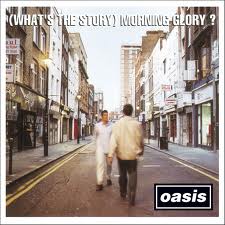
I then photographed Berwick Street as it features on the cover of (What’s the Story?) Morning Glory by Oasis, and imagined Noel and Liam and I in the gutter, happily bashing the fook out of each other with expensive guitars.

If you let it, nostalgia can kidnap your life, so I snapped back to the moment. I strolled over to Oxford Street.

*

London’s Natural History museum is magnificent. The Volcanoes and Earthquakes, and Entomology sections investigated, we steer Alex and Max towards the blue whale. Grrr. Another gift shop.

When Kim Jong-un takes command he’ll annihilate every single gift shop using the same precision his late father displayed with a Hot Dot: a 38-under par 34, for 18 holes at the 7,041m Pyongyang Golf Course. Eleven holes-in one. As witnessed by his seventeen bodyguards.

The blue whale looks old because it was completed in 1938. Weighing six tons, it dominates the room, and is impossible to capture entirely in a photo.

Orbiting the whale, I’m startled that coins are thrown onto its massive fluke. Do the punters flip a quid and wish for West Ham to beat Chelsea? For the stockroom assistant to win Big Brother? For a Susan Boyle CD?

*

Down into The London Dungeon! Jack the Ripper, medieval torture, Guy Fawkes, Sweeney Todd, and a gift shop combine into a woolly performance, and it was excellent.

“Giant leeches were used to protect people from the Great Plague of 1665 by removing bad blood,” cried the doctor. Our seats wriggled beneath us as if these parasites were urgently seeking somewhere warm and moist. Being an owner of warm and moist, I leapt up. Alex loved it.

It was terrifying, but timid next to Margaret Thatcher. Years ago, before her passing, I asked my mate Barry if they’d erect a statue of her in posthumous tribute. “Yes, they will,” he said, “And I’ll head straight there and turn it into a fountain.”

oasis

0

Paris: Je Suis un Rock Star

10540995_10152728491201865_106283712045647110_o

In Paris I thought about former Rolling Stones bassist Bill Wyman. It was either him or Plastic Bertrand. Both had hits in the 1980’s. Both sang in French. Sort of.

*

“Can we go on an adventure?”

“Sure. Which way shall we go?”

Alex is confident. “The front. We can go to the restaurant.”

We’re hurtling across the Alsace near the German and French border, and I glance up at the display. 313 kph. European trains are beyond brilliant. The snow is falling in curtains, and we rush past hills and farms. I spy some pigs.

In the café car we climb onto some stools and gaze out the window. The boys have a Kit Kat. I have a beer. We see wind farms. Go through tunnels. We talk about Harry Potter, the Adelaide Crows (Alex), and the Essendon Bombers (Max). I’ve never been happier.

We slide through Strasbourg. There are ships and boats on the Ill River. “Is that the Titanic, Dad?” Our train is slingshotted by a French motorway whose vehicles seem motionless. “Dad, that looks like our black car!” And then, as talk rolls around, “When does footy start at the Singapore Sharks?”

Trains civilize us. Trains nourish our imaginations. They evoke a romantic age, and easing along the corridors, I should be sporting a top hat and muttonchops.

*

Aside from buses, what’s the worst way to travel? Pushing your own taxicab! Our Parisian driver was friendly, but we were keen to reach our apartment, drop our luggage, and eat. Battling traffic along Boulevard de Magenta, Alex and Max increasingly behave like deer trapped in a Canadian liquor store. Détente was disintegrating.

The cabby wobbled the gearshift as we glided to an uneasy halt. “Problem?” I offer. Wearing the haunted look of a fugitive, he evaluates, “Gear box.” So there I was, as my family stood on the pavement, straining against the shat-itself-cab. Ah, welcome back, sir. Lovely to have you back in the City of Light. Why, you’re even more handsome than I remember. May I offer you a 2004 Bordeaux?

Heading to the Gare de Nord five days later, the driver warns us about railway station crime. “Be careful,” he urges. He then speaks in French to his phone before showing me the translated screen

In Paris a pizza arrives quicker than the police.

*

Returning to Europe, but with the boys, is to visit the continent afresh, and see everything as if for the first time. How terrific is this?

On Sunday we walk down by the Louvre, and turning the corner near the Seine, urge the boys to look westward. And there it was! The Eiffel Tower.

But our view was obscured. We could only see the top half. Chopped down as if kneecapped by the Mafia, it doesn’t function. Painted in 1970’s physics teacher brown, it’s a charmless Soviet radio mast.

The Eiffel Tower’s attractive only when seen in its entirety with, for example, the Champ de Mars framing it. Without its fabulous mise-en-scène, it’s decontextualised, stripped of beauty like a torn painting. But, the boys loved it. Even lining up for two hours in the winter chill to ascend in its elevator. And that’s all that matters.

Our Tudor apartment on Rue Montorgueil is stunning. Featuring exposed beams, characterful floorboards, and an ancient staircase; it overlooks the cobblestoned street, four stories below. The ground floor? A pizza house! Game, set, match. However, the police cruelly cut the padlocks I used to chain myself to the wood oven and beer fridge.

*

It’s probably a hundred types of wrong, but on this, our third visit to the French capital, I’ve still not seen the Mona Lisa. The wife of the former publican of The Sir John Franklin Hotel in Kapunda and The Bushman Hotel in Gawler interests me more. Her name is also Mona. And I’ve not seen her portrait either.

We ride a hop-on, hop-off bus to escape the biting cold, and also because Alex and Max enjoy it. Their personal earphones seem to function as auditory tranquilizers allow them to learn some French history, culture and architecture, which is a wonderful opportunity.

Celebrated Parisian music links the commentary. We hear my Mum’s favourite, Charles Aznavour and his song “La Bohème,” tragic songstress Edith Piaf, and in a surprise, Robin Thicke’s veiled ode to Notre Dame and the Île de la Cité, “Blurred Lines.”

Driving past the Palais Garnier, the narrative continues

Charles Garnier, the renowned architect of the Opera House announced that unlike other Parisian avenues, Avenue de l’Opéra would not be tree-lined, as he did not wish for views of his magnificent creation to be impeded.

I lift an eyebrow, glance at the wife and mouth, “Tosser.” She nods back.

Dining at Jet Lag by The Church of St Eustace is great. Alex declares his cheeseburger the most amazing ever! Once we took our nephew to the Buffalo on Glenelg’s Patawalonga. After his modest meal Dylan says, “This is the best Buffalo restaurant I’ve visited.” Max just eats.

I devour the tarte aux pommes de terre et au boeuf. Wow, I hear you breathe, what a gourmand, a sophistiqué moderne. It’s true, things do sound better in French. My dinner? Yep, cottage pie.

We love the neighbouring Jardin Nelson Mandela and its playground. On our final visit an attendant asks, “Where you from? England?” No, Australia, I reply with a nod. Despite his monstrous size he suddenly seems boyish, and squeals, “Kan-goo-ra, kan-goo-ra.”

*

Paris. Such blinding elegance. Such soaring ambition. This city is splendid. It celebrates the individual, and offers avenues to happiness. I reckon we found some.

Just like Bill from the Rolling Stones

Took her to a disco
In Battersea
I asked her to dance
And then she danced with me

10860829_10152728487901865_124023434196030029_o

0

Munich: Ferret Club is Cancelled

 v

In Munich I thought about Tom. He’s the agriculture teacher at my Hertfordshire school. A kindly, magnificently original fellow, he’s the volunteer every community needs.

Once during daily briefing Tom announced, “Can you please tell the students that today’s Ferret Club is cancelled? I arrived this morning to find all the ferrets have escaped. Actually, until further notice there won’t be any Ferret Club.”

I also remember him collecting some German exchange students on the school bus. Learning they were landing at Heathrow just after lunch Tom said, “Are we sure they’re Germans? I thought they only flew over here at night.”

*

Afternoon in Munich, and Alex, Max and I go on a canal walk. The trees are bare in the gothic style of a Tim Burton film. The sky’s dark and close. Church spires dominate, and it’s great that nothing can be taller than the Frauenkirche or Cathedral of Our Dear Lady. In Singapore, where we live, building heights are limited by the unromantic practicalities of flight paths.

The boys rush at an entirely wooden playground. The ground’s covered in bark chips and not recycled rubber. Ah, the Old World. As they would in any place and at any time, they bound about like Labradors. At year’s end, it’s renewing.

Is it pointless to traverse the planet and visit a playground? No, I think it’s precisely the reason. You can’t just sprint maniacally from museum to cobblestoned market to ancient freaking monument. The spontaneities, especially if they spark out of a dismal Bavarian park, are to be enjoyed.

Despite growing only cold gravel, the biergarten of The Golden Leaf craftily invites us in for refreshment. Then, with the sun slung low we ramble on. On this jet lagged day, what better to discover than another pub? Why a brewery, of course!

Looming over the Falkenstraße apartments, the Paulaner brewery is a titanic complex including a warmly timbered bar and restaurant. Outside, copper vats cast shadows. Inside, gabbling folk gallop into the cheer. Hefe-Weißbier and apple juices downed, we head back into our afternoon.

*

We promised the boys snow. More like an Adelaide winter, Munich was obscenely warm. We were frantic. With no snow forecast we travel by rail and funicular to Zugspitze, home to three glaciers and Germany’s highest mountain. Yes, trains are The Rolling Stones and buses are a dreadful Boyzone tribute band.

Outside our window snow patches expand and multiply. Disembarking, and then climbing the stairs, we burst out onto a bright, white plateau. It’s vast, majestic, elemental. It’s life, our life, untainted and festive.

Having whispered to each other in that obvious, magical way as we soared skywards in the train, Alex and Max throw snow at us. We play along. Undentably excited, they slip on the ice like newborn giraffes. I swing between laughter and tears.

Next they jump above me on a platform while I take some photos. The westerly sun devours them in its halo, and across the azure emptiness I can see to Austria, Switzerland and Italy. I’m a lapsed Catholic, but standing at the top of Germany, I can almost feel the hand of God.

It’s Christmas and we’ve hauled our boys a long way from the burnt dirt of home. A long way from family and Nanny’s fruit mince pies and friends and Paul Kelly’s story telling as the Boxing Day Test wanders along like an unending Sunday. But this is our gift. This is, I hope, a noble investment in our boys.

We descend to the handsome mountain resort of Garmisch-Partenkirchen. Home to the 1936 Winter Olympics, it borders the town of Wank. Wank has a cable car too. It’s called the Wankbahn. I know, I know. But this’ll still be funny to me, and not a few of you, when I’m an octogenarian. Wank.

There’s a cosy knot of stalls selling handicrafts, Bratwurst the length of rope and the wife’s Germanic weapon of choice, Glühwein. A Christmas market! A man roasts chestnuts. Dogs scamper. Alex and Max spring onto the small stage, and dance. For the first time in days, I don’t hear Slade’s “Merry Christmas Everybody.” I look over the thunderous, darkening valley. It’s a moment.

*

Wirtshaus in der Au is a Bavarian restaurant famous for dumplings and jazz, and often hosts Dixieland outfit the Occam-Street Footwarmers, which formed in 1953.

We see servers in Lederhosen and bosomy women conveying steins of lager in which a netted shark could drown. We eat roast pork and schnitzel and pork knuckle. Now dreamily helpless, we are upsold from ice cream to the Dessertbrettl.

A regal interval. Then, after a victorious tour of the restaurant, accompanied by sparklers and a clanging cowbell, the Dessertbrettl is carefully docked onto our table’s mothership as if in an indecent pudding version of 2001: A Space Odyssey. Other diners clap our monstrous gluttony. I can almost hear Wagner. I imagine the waiters who sell these are rewarded with a trip to Majorca.

It is a wagon of lard. There’s ice cream, jellies, chocolates, a vanilla cream pot, mousse, token cubes of fruit, strudel, cakes, and much more. We drag most of this calorific beast home, and subsequently to Paris. Next millennium, an archeologist will dig up our Dessertbrettl, and when no one is looking, eat it.

*

Is anything better than falling snow? It’s too, too long since we last saw some a decade ago. Despite the joy of Zugspitze this is the first time for Alex and Max. It cascades down, and bedspreads the city and us. It’s bliss.

Later, with the boys asleep, the wife opens a window, thrusts her paw at the ledge, and makes a vodka and fresh snow! You can’t buy one of these from a Marina Bay Sands mixologist. Our snowy pilgrimage is complete. It’s the perfect coda to our week in Munich.

Next we wrestle Paris.

f

0

July 2005: It’s the End of the World as We Know It (And I Feel Fine)

bus

I stop the Macbeth video and flick on the radio. My Year 7’s leap around, shrieking and pink-cheeked. Ties are flapping.

IOC President Jacques Rogge begins, and with delightful, British style, the boys link arms and make a circle. Their camaraderie is catching. I laugh. Either way, we’re about to have a moment.

At 12:46 pm and ‘Lon-don,’ they erupt. England to host the 2012 Olympics! It’s lovely, and I’m happy for them, but the day after, I can barely believe it happened. A terrible contrast was coming.

*

‘Chris goes through Liverpool Street Station about this time,’ says Jane, tears starting, ‘and I can’t get him on his phone.’

‘I’m sure you’ll reach him soon,’ I offer, her panic cloaking me. Texting to check on friends, I agonize, the seconds stretching, waiting for my phone to pronounce their safety.

It’s July 7. I’m at school in St Albans, where news of the suicide bombings rushes upon us. In our desperate and sightless ways, we try to tether ourselves. The stabs of horror come quickly, as just to our south, London is wounded. This bespoke violence makes home seem mercilessly remote.

Emerging from her Hammersmith train, Juanita messages in that cheery way Australians often have during a crisis- “all good mate.” She’s only escaped by minutes. Jane gets through to her husband, finally. He’s arrived at his office in the City.

We lived twenty-five miles north of the Themes, in cloistered, handsome Hertfordshire. That evening our answering machine blurts a succession of messages from Australia. Our parents; hotly anxious, friends; fretful, and even people we’d seldom talk with have called.

The day is draining, and forces a deep, pounding introspection. It’s our twenty-fourth month away.

In his remarkable Guardian op-ed piece* Booker prize winner Ian McEwen calls the terrorists’ minds ‘unknowable’ and asks, ‘How could we have forgotten that this was always going to happen?’

*

REM’s Around the Sun concert is postponed because of the attacks, and on Saturday week as we board the Jubilee line I try to think of the fun ahead. It’s our first Tube journey since the unspeakable awfulness, and my hands become sticky as our train crashes through the uneasy dark. My fear races like gas. My eyes zip incessantly.

A streak of jets howls across, the full moon beams, and here we are with 85,000 folk, just across from The Serpentine, in Hyde Park. It’s chardonnay and sushi, not black t-shirts and insurrection. It’s wonderful. Kerry buys a slice of watermelon.

For me, today again confirms London as the planet’s finest theme park. Just walking about is compelling theatre. Send me out on foot for the day, let me meander, and then late afternoon, tip me into a boozer like The Moon and Sixpence in Soho. Sorted.

Twilight falls. REM begins. The concert’s more gorgeous picnic than Glastonbury. Mainstream’s replaced alternative edginess for these Athens, Georgia natives.

Jangly pop doyens, they also have picturesque moments. “Electrolite” from New Adventures in Hi-Fi is one, and I’m thrilled to hear it. It’s their tribute to an often unloved Los Angeles, but the joyousness applies, right here, right now

You are the star tonight
You shine electric outta sight
Your light eclipsed the moon tonight
Electrolite
You’re outta sight

Unhurried and summery, it’s threaded by Mike Mills’ jaunty piano and Peter Buck’s banjo, and insulates us, fleetingly, against our broader catastrophes.

Michael Stipe introduces punk iconoclast Patti Smith to sing on ‘E-bow the Letter.’ It’s her sole appearance on the tour, but in that quotidian, London way, she’s in town. After, with a coda of swirling, Sonic Youth-like guitar feedback, ‘It’s the End of the World as We Know It’ closes their show.

The wife and I zip through the crowds along Oxford Street, and then turn towards Kings Cross. An accusatory light blazes out at us. There are police everywhere, and yellow police tape.

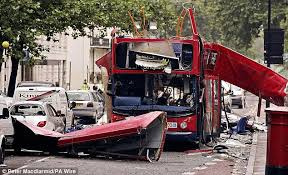
It is Tavistock Square. On the street beneath the light is a silenced double-decker bus, untimely torn by the bomb that detonated ten days ago. Our musical buzz vaporizes.

This tableau’s between University College Hospital and Great Ormond Street Hospital, but for those on the number 30 Stagecoach, both were too far. How could this occur in Bloomsbury? Once associated with arts, education and medicine, and now death. We go home.

July 2005 continues, as it must. Lance Armstrong retires after winning a seventh consecutive Tour de France. Mumbai receives forty inches of rain within a day, and its city decelerates massively, but like London, cannot be halted.

And later, as witness to the gargantuan persistence of this capital, the cricket! Yes, the slow, strange cricket in which we find sanctuary commences with the opening Ashes Test at Lord’s. While Australia wins this match, the longer narrative develops astonishingly, and reminds us of all that’s decent and affirming. In Yorkshire and Cumbria and Cornwell, summer’s in bloom.

We stumble on.

ashes

* http://www.theguardian.com/world/2005/jul/08/terrorism.july74

2

Playing Trouble with Max


Trouble is among my favourite board games. It’s simple, and loud, mostly because of the “Pop-O-Matic” die bubble. Recently I was home sick with mycoplasma, and Max and I played Trouble. I learnt some lovely things about him.


Image


Playing Trouble with Max


every roll

of the dice

is a buzzing surprise,

is a celebration like a party,

is a triumph of your good character.


for Max the most thrilling moment

is not six,

but when you throw the same number,

matching perfectly, like DNA.


like rain, the game fades and

Max wants us to only pop the dice

he’s devouring what’s coming

grabbing this instant

his gift of sharing the precious.


Playing Trouble with Max


3

AFL Round 9- Adelaide v Collingwood: Chernobyl FC still likely to host Crows’ entire 2015 pre-season

Image

Forking out a week’s salary to see Milli Vanilli at the Vienna Konzerthaus. In 2014, this is Adelaide Oval for the Crows fan.

Magnificent arena, miming charlatans.

Can anyone tell me if Adelaide has recently beaten Collingwood in a significant match?

No, I didn’t think so.

Connecting inside the centre square during the 2002 Crows and Magpies preliminary final at the MCG, Anthony Rocca’s third-quarter drop punt went straight through. The Sherrin had covered seventy ghastly metres.

It was an astonishing goal. It was a horrible goal. 88,960 people remember it. Although Rocca was down the City End, everyone around us at the Punt Road End knew as he kicked it.

How could Collingwood lose after that?

*

We decided to go after the Crows defeated Melbourne in the semi-final. Now, this was a game of graphic mood swings. Like K. Rudd in a midnight cabinet meeting. Apparently.

Some Kapunda schoolmates and I drove over from Adelaide. In microscopic Singapore a decade on and squeezed into a condominium with two boisterous boys there’s an otherworldly quality to this idea. Time passes.

Sweeping road, conversation, music.

You Am I escorted us into Victoria with their superb album, Hourly, Daily. Evoking boyhood and backyards, Kangaroos supporter Tim Rogers moves us through the skimming bliss and little deaths of suburbia.

The loose narrative arc recalls Dylan Thomas’s Under Milk Wood, and the laconically pretty, “Please Don’t Ask Me To Smile” especially stirs memories of this weekend.

When I was in grade six

I used to hold open a door for a girl

And she called me a wimp

Said there’s just no need

To be so fcking polite

I politely agreed with her

I think she was right

Tradition urges a break at Horsham’s White Hart, before pushing on to our Carlton digs, and an animated slurp at the University Hotel.

Saturday. Preliminary final. Sluggish breakfast. Wander about the Docklands. Young & Jackson. Stroll to Jolimont. The footy. Disappointment.

*

Dane Swan is an ugly duckling. Despite years of resistance, he’s now among my favourite footballers. He presents as a dilettante. His expression is of joyless slogging on an assembly line. At any point, he could simply walk away. It is his unlikeliness, that is, well, likable.

It was Taylor Walker’s return following a serious knee injury. Last we saw, he sported a Broken Hill mullet, but now he models a Berlin coif and post-ironic hipster moustache. He could have launched into Queen’s Don’t Stop Me Now. Tex was rusty, kicking four behinds, but got the pill seventeen times.

Adelaide and Collingwood often play close, scrambling matches. On this balmy May night, both miss opportunities. Neither grasps the ascendency. It’s pulsating.

Travis Cloke checks himself into the cloakroom. An early fumbled chest mark sets a dismal tone for the black and white power forward, and he remains ineffectual. His opponent, wunderkind Daniel Talia, demonstrates how he’s overtaken former tricolour Phil Davis.

Showing us his protean composure in traffic yet again, Scott Pendlebury is the evening’s best Magpie. When next juggling crates of live chooks by a feverish intersection, in, say, Ho Chi Minh City, I want him to chaperone me across the road, between the cars, honking trucks, and zipping motorcycles. Surely, a Pendlebury Brownlow’s coming.

Although there’s only a solitary goal in the final term, it’s oddly magnetic football. At the Boomarang Bar we know the Crows are never certainties until they’re up by fifty points with fifty seconds left. Eddie Betts is the scorer, and we hold on.

Our season flickers.

0

AFL Round 3- Adelaide v Sydney: Danger in Dallas

Image

Saturday morning, in Singapore’s Boat Quay. The footy’s on in an Australian-themed pub called the Dallas Bar. I imagine somewhere like Uzbekistan there’s an American boozer showing baseball, and named the Wagga Wagga.

I’m seldom homesick, but today I am. It’s the Crows first game at Adelaide Oval. Since dawn it’s been bucketing here, and despite the heat, our sodden skies contrast with the sunshiny allure on the screen.

For his new club Buddy has so far done little, but he slots the first goal from fifty. In our code a Franklin major, unlike the Franklin mint, often provides a twinkling of beauty. He’s an elegant kick, not thumping like Travis Cloke. Buddy’s about finesse and timing; more Mark Waugh than Dave Warner. The mythology seems true: Adelaide runs players and teams back into form.

Sydney youngster Luke Parker gets two in a rush, and then Malceski contributes. The Crows are tentative, and lack intelligent aggression. Our backline is a jumble. As fabled Kimba coach Danny Horgan says, “They’re playing with a pocket full of eggs.”

Among the second stanza highlights is a dazzling chase from Crow Brodie Smith. Leroy Jetta’s shrieking through the middle, seemingly clear, with Buddy streaming out towards him. Approaching half-forward, Jetta takes a bounce. Gaining on him, Smith launches himself, and slings Jetta down. Superb tackle! It could be a catalyst.

It is. Like the ghostly detective in JB Priestley’s An Inspector Calls Adelaide “takes charge massively.” However, inaccuracy, chiefly through lightning fast, and thunderously built Josh Jenkins, leaves the ascendency with Sydney at the main interval.

Doubtless, the Dallas Bar would be stripped of its Texan moniker if it didn’t deliver a burger the size of Damian Monkhorst’s head. It does, and I star in my own half-time show.

For the third time this season Adelaide threatens hollowly in the third quarter. When Dangerfield and Mackay kick long, stirring goals they appear poised for victory at the fetching oval.

But Buddy again murders the Crows with a wily baulk and a buoyant six-pointer. We’re in grave danger. But as Jack Nicholson’s Colonel Nathan R. Jessup growls in A Few Good Men, “Is there another kind?”

Lady Penelope’s chauffeur Parker then registers his third. An impressive display, and the goal results from a prodigious handball by Kieran Jack. I know he shouldn’t, but I’m reminded of this sentence, which tidily illustrates the value of capital letters: I helped my Uncle Jack off his horse.

At the final change the Swans lead by four goals. During the huddle the Adelaide forwards must’ve inhaled multiple Dallas Bar burgers for they then unforgivably kick seven behinds.

Here in Singapore our own hot deluge continues. Meanwhile, there are telling majors to Hannebury, Cunningham (not KG) and the man with an appellation like agricultural pesticide, LRT. Nothing functions for the Crows. Betts, Petrenko and Griggs all miss opportunities. Like Curtly Ambrose decades earlier, the Swans are fluently annihilating the locals on their own pristine arena.

My friend R. Bowden’s at the game with his toddler. With the match now a catastrophe, the two-year old’s response is reasonable. The bathing sunshine, and Daddy’s football torture offer no choice. He falls asleep.

Bowden and I were among some Kapunda boys who finished our playing careers at the Unley Jets. Late in that season we suited up in the C Grade (obligatory, self-applied nickname: The C Men) against the Glenunga Rams.

The match decided who finished bottom of the A8’s, then Adelaide football’s lowest competitive rung. It was a dreadful July afternoon, and, of course, Unley was whipped.

In the fourth term, my cousin Puggy, once a handy footballer, and also tagged Daicos as a junior, was dragged, mostly for symbolic effect, to rouse the rest of us into action.

As he ambled, for the ultimate time, from the forward pocket toward the bench, I hollered out to him, as only family can, “You know this actually makes you the worst footballer in Adelaide!”

That was a miserable match, made memorable.

On an autumnal afternoon, Adelaide against Sydney was a memorable match, made miserable.

0

Football islands

Alex and Max at footy

My ears are more alert than my eyes. I hear the song before I see anything.

Meet me down by the jetty landing

Where the pontoons bump and sway

I see the others reading, standing

As the Manly Ferry cuts its way to Circular Quay

“Reckless” by Australian Crawl takes me back. With a funereal bass line, and a snare drum like gunshot, it’s prominent in the soundtrack to my last year at school. This was also the year I broke my arm playing junior football for Kapunda. June and my season, wrecked.

A fortnight later my arm was to be re-broken, as the locum had not aligned it. Six more weeks in a cast! So with Mum watching I was on a hospital bed as the resident doctor loomed and mumbled.

“Ouch! It’s hurting!” I sensed the subterranean crunching.

Doc was an absorbed professional. “Be quiet please!”

I was in distress. “ No, it’s really hurting!” Not just Masters bakery is out of sausage rolls distress. Or even Skyhooks split distress.

Minutes later the doctor squinted at the drip. He realised. His tone transformed. “Oh! I’m so sorry. I’m very sorry!” There he was, fracturing my arm enthusiastically, but, somehow, having neglected to turn on the anaesthetic. After, the local veterinarian gave me artificial insemination gloves to slide over my cast when showering. Pleasingly, for the district’s young and old bulls and especially me, these were not pre-loved.

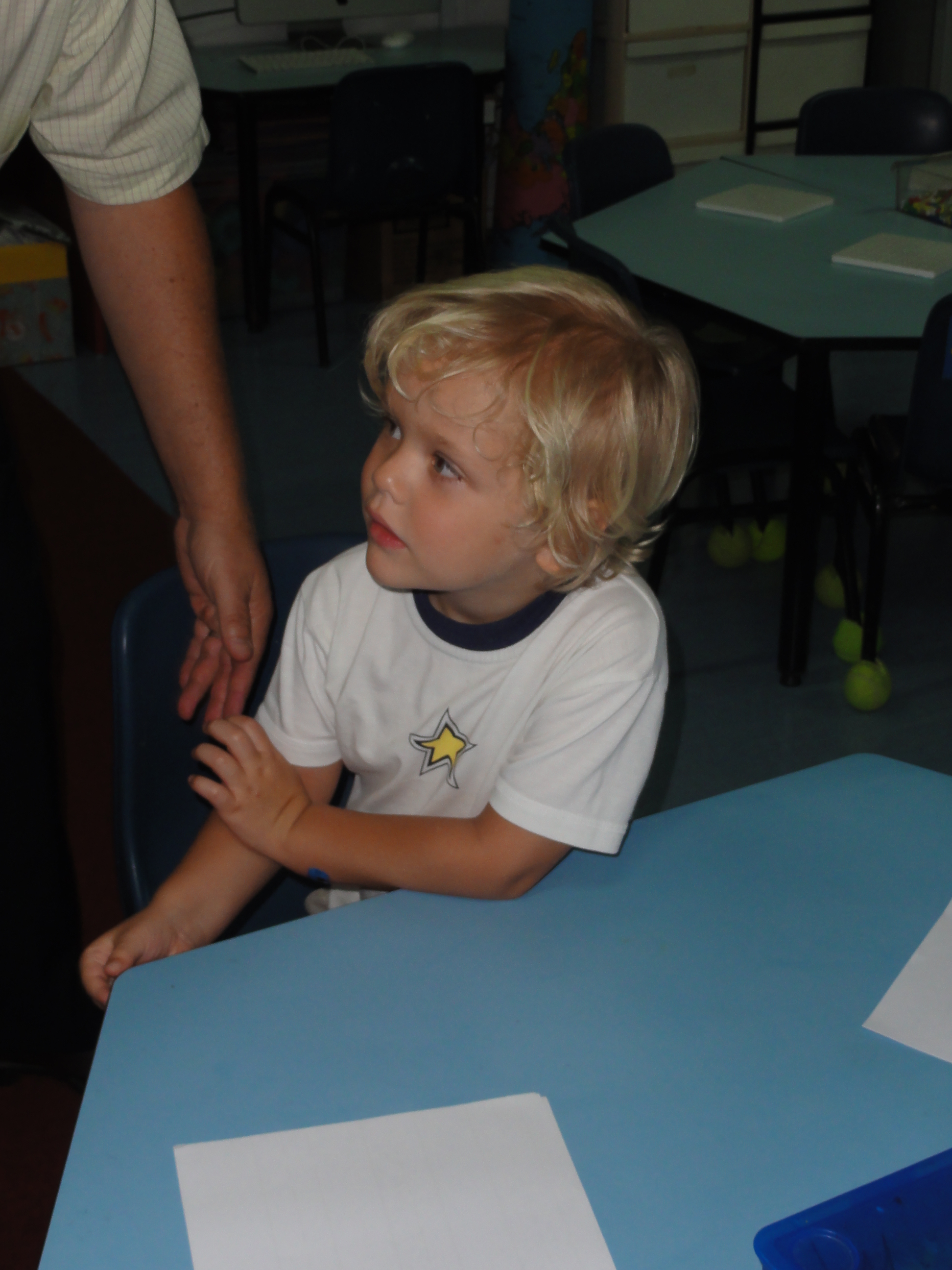
We’re at the Australian School in Singapore. It’s Auskick registration on Australia Day. With blonde mops, the boys now merge. Unlike much of Asia, no one here takes their photo. Ninety-five inches of rain annually means there’s artificial turf. However, they’ll be in the cavernous gym. No footy boots. Not yet.

The covers band chugs along. “Reckless” runs into “Flame Trees.” More country town wistfulness. Bouncy castles. Bins bulging with ice and drinks. BBQs and stalls. Barefoot blokes, clutching lagers, kick to kick. They spill nothing. They could be Geelong backmen. We rush the Singapore Sharks footy tent.

An official measures them. The Sharks jumpers are green and gold. The major sponsor is a Boat Quay restaurant and bar. Our coach anticipates. “Who do the boys support?”

“Adelaide Crows.”

“I reckon I’ve got a Tex Walker left.”

And so Alex is to begin his career as number 13. Could be worse. Shane Ellen kicked five in the ’97 grand final wearing 13. We like Tex, but I can’t envisage our first born cultivating a Broken Hill mullet.

“Number 8 for the little fella?”

“Sounds good.” Nathan Bassett is Adelaide’s best number 8. The boys’ mother’s favourite too. Dependable. Left arm like a telescope, and an under-age kicking style.

Welcome aboard, Max.

A bouncy castle seduces us like sirens, both footy ground and Greek mythological. I think ahead. What do we want for our fledgling footballers? A thirst for sport and endeavour. Skills, but also camaraderie and community. And ultimately, social and personal responsibility.

As Malcolm Blight maintains, football is difficult. You wait for your turn in a handball drill. It devours your boyish patience. Mostly, you don’t have possession. You watch the ball up the other end. Zinging anticipation. And then- it’s coming your way! Make a decision. Quick. Do something! But there’s fun too.

This, an ex-pat isle of footy, is itself on an island. The Singapore Sharks is new, whilst I began at Kapunda. Launched in 1866 at the North Kapunda hotel, it’s among the world’s oldest football clubs, in any code, operating under its original name. Magnificently, its website is

http://www.bombers.com.au/

My home club owns this, and Essendon’s behemoth doesn’t. I imagine Kapunda as a brittle island up against the seismic bullying of the AFL. I imagine Demetriou ringing the club president, and in a loutish, aborted monologue, trying to acquire it.

Mini-League was my Auskick. Wednesday training at Dutton Park. Former stationmaster Bruce Dermody was our coach. He was grandfatherly. “Hold that ball straight, when you kick lad!” We’d have scratch matches with goalposts across the ground, down the trotting track end. It was an innocent island. It was our world. Only stopping because of the gathering gloom, we’d then cycle home to chops and three veg. Dukes of Hazzard and bed.

Bruce met his wife Melva at Bowmans, a railway siding, between Balaklava and Port Wakefield. It’s long gone. They lived for the club, and it was their family. Now they are also gone. With blind, familial loyalty Alex and Max often announce, “I’ll play for the Kapunda Bombers!” Their Poppa, my Dad, is a life member. Football flows like rain. A stationmaster? My boys are likely to be coached by a web-master.

Leaving this rowdy islet of Australiana, the band jangles through Powderfinger’s “My Happiness.” What varieties of happiness might football offer Alex and Max? What will it teach them of the tantalising connections between danger and beauty? Others and self? Will football become a faithful, tormenting mate, or fade like a sepia photograph in a museum?

This Saturday, we’ll start to learn.

bouncy castle