Woodsy was from Kadina and moved to Kapunda. We hung out. He was always bumping into people from Corny Point. We’d be at a Gold Coast theme park, clambering off a rollercoaster, and Woodsy would spy a bloke from there. Or walking through Kings Cross in Sydney, he’d run into two more. Always spotting somebody, he’d tear off to chat and upon his return Lukey or Chrisso or I’d inquire, ‘Corny Point?’ — and Woodsy would reply, ‘Yeah.’ And then tell us all about it. After a while, I wondered if 50,000 people must have lived there.
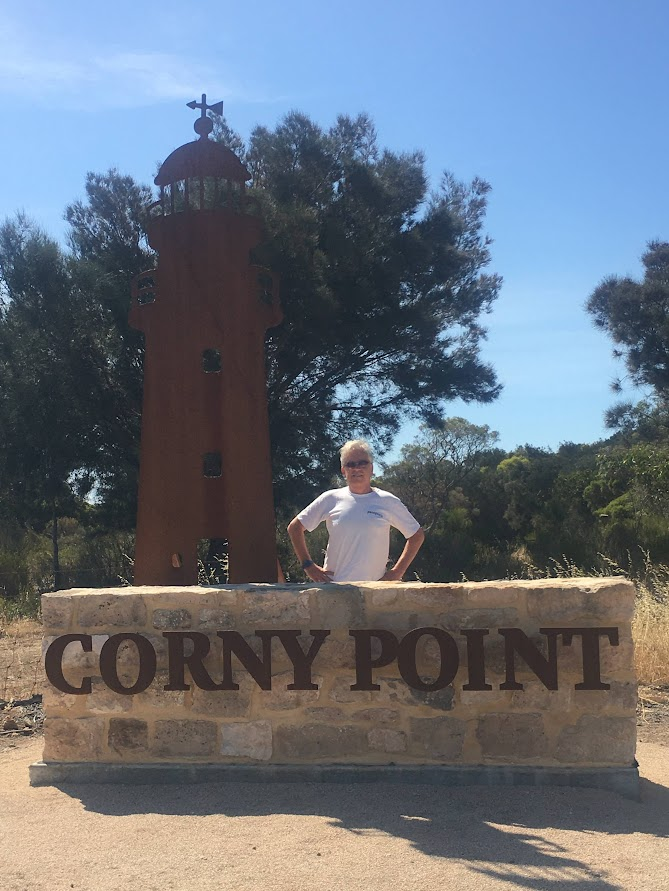
Claire and I stayed in Marion Bay and drove to Corny Point. The first Friday of this year seemed perfect for this. I expected the township to be by the beach. Instead, it was inland, at the crossroads — caravan park, CFS, community church.
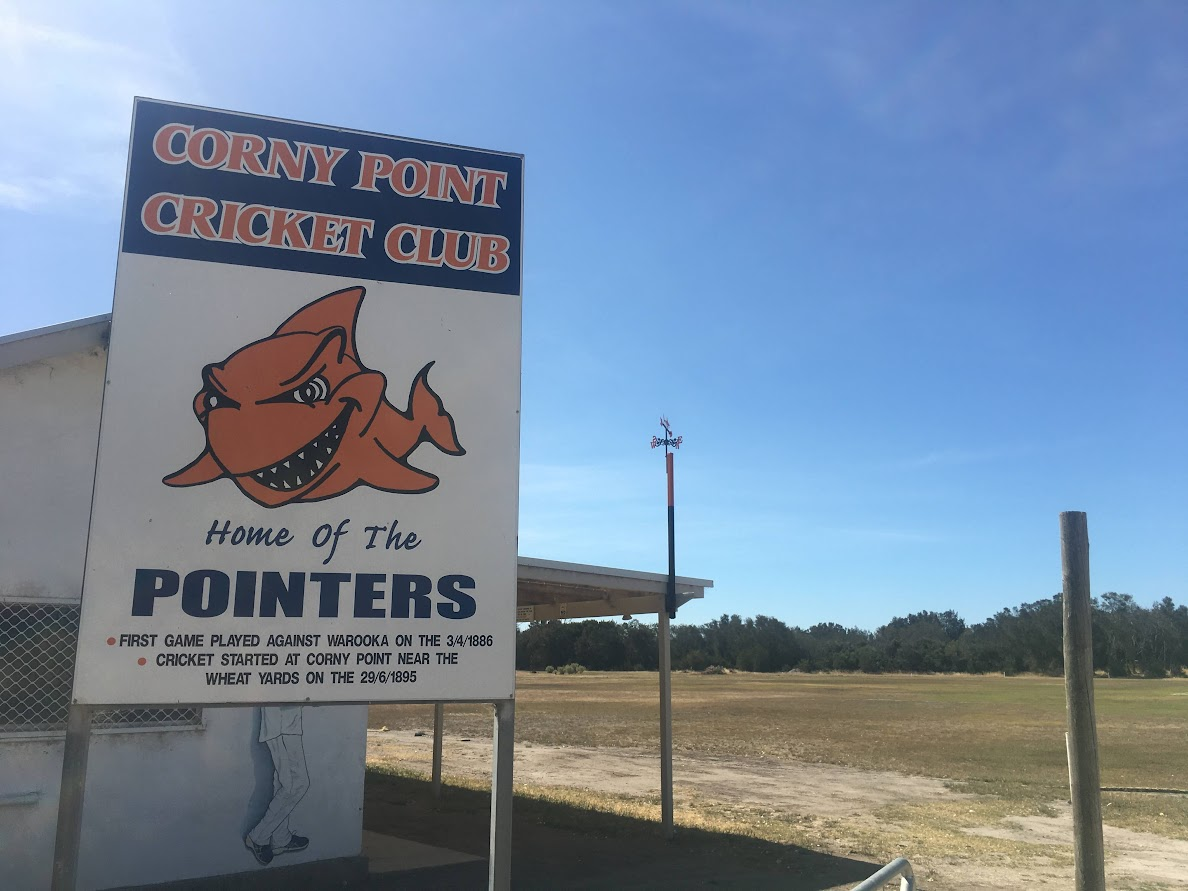
The Corny Point Cricket Club is also in the middle of town. Two sprinklers gallantly try to brighten the grass around the pitch. There are cosy clubrooms with old wooden benches and a couch in its alcove. I imagine the clatter of a bat being flung by a disgruntled batsman. Then, a spurt of applause for a crisp drive scurrying over the baked outfield — someone encouraging, ‘Yeah, good shot, Blue.’
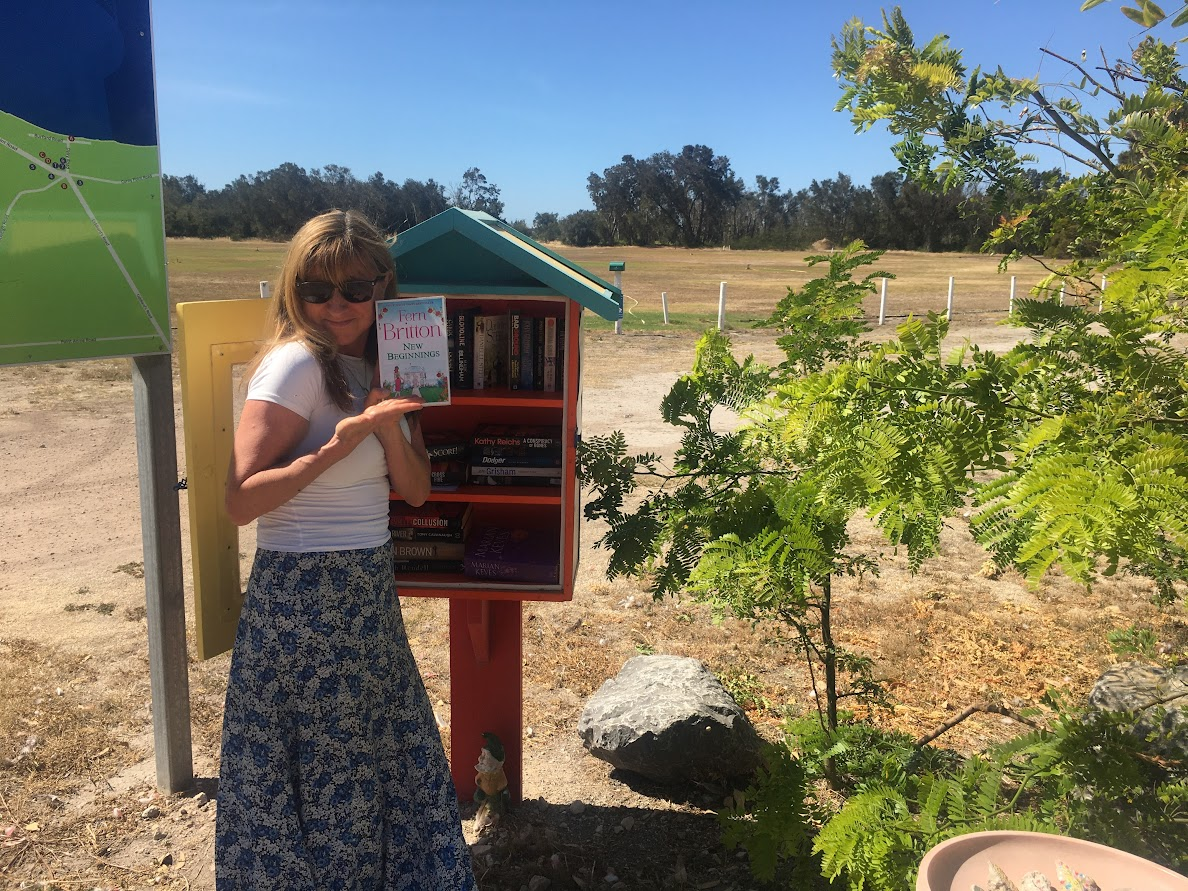
A neighbourhood book exchange sits by the cricket oval entrance — a windowed wooden box on a stand. We see these in many towns during our holiday. How great to have one right by the cricket ground? Claire and I flick through the collection. You could select a historical fiction title, park beneath a tree, and with the first innings underway, lose yourself in a few chapters, only glancing up when the thud of ball on willow disrupts your sleepy immersion. Later, just after tea, you could amble into the clubrooms and say, ‘I’ll have a shandy, thanks Fred.’ Cricket was always the most literary and dignified of sports — even here, in dusty Corny Point.
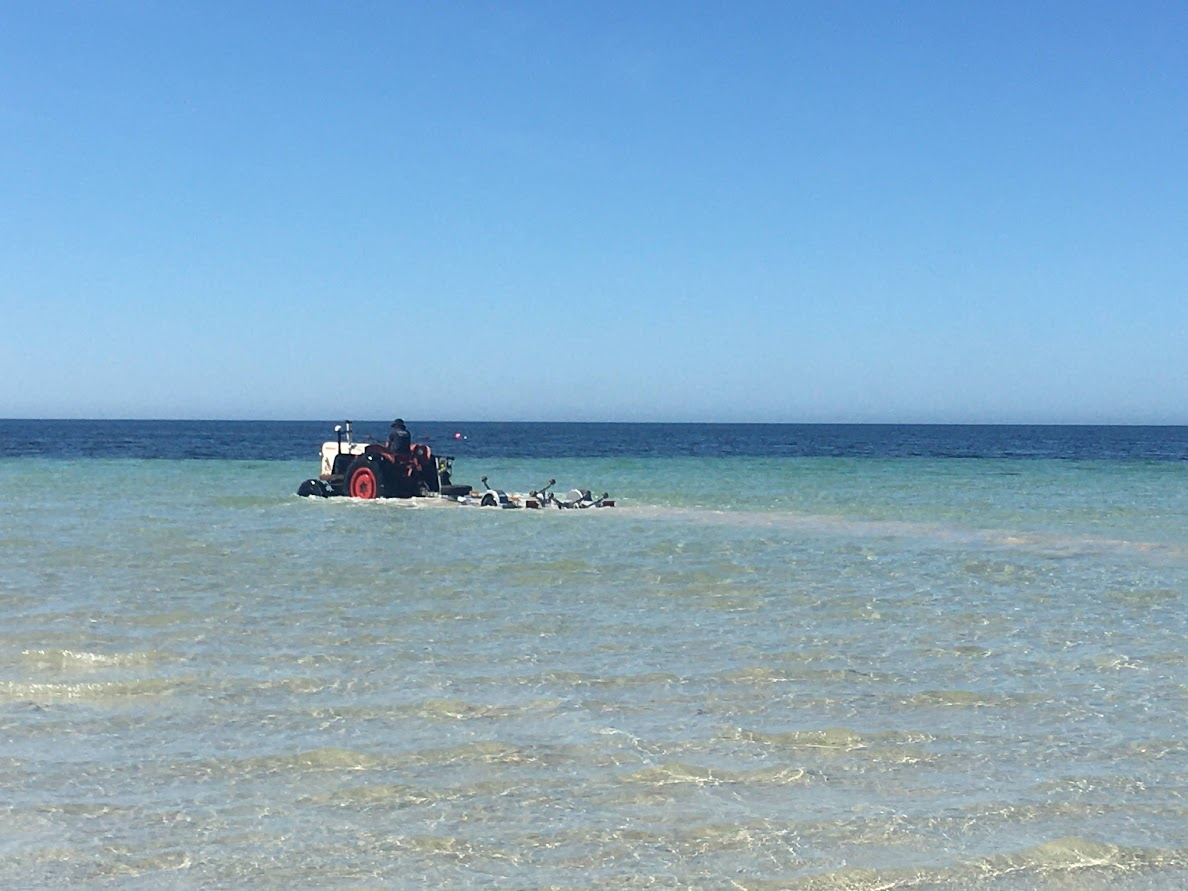
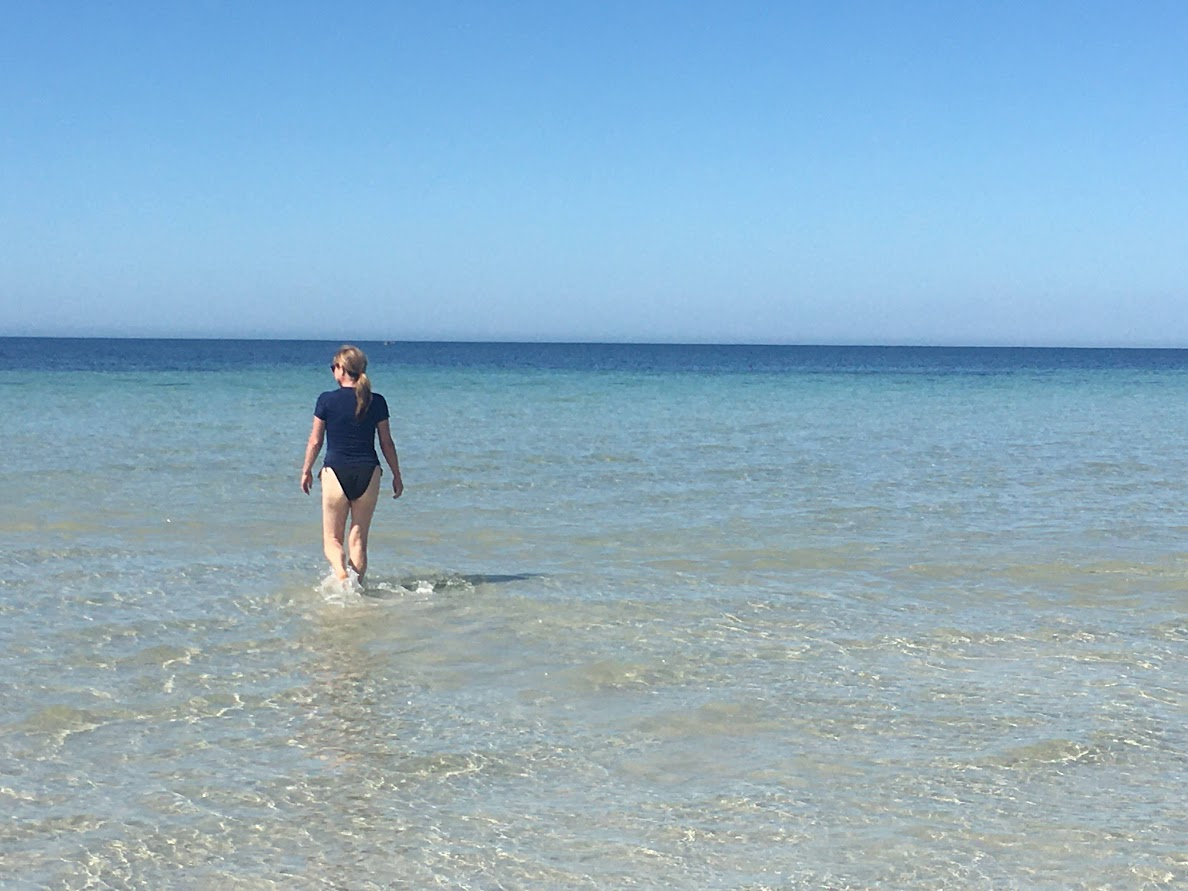
Parking on the beach, we absorb the panorama. The sand is crunchy beneath our toes. We’re both instantly delivered to our childhoods. The salty afternoon breeze is resuscitating. We wade about, the water shimmering. Claire remembers a holiday in Cooboowie. ‘It was one of the few times I remember Dad swimming,’ she offers. The wide and clean sand takes me to a place too. When I was ten, Mum, Dad, Jill, and I went to Port Vincent. I recall my plastic bucket of tiny crabs, scooped from the balmy sea. At Corny Point boats glide in. A tractor tugs out a fishing vessel. With the promise of fish, pelicans gather patiently. It’s among the best beaches I’ve visited.
The Howling Dog Tavern is named for a mention in Matthew Flinders’ journal. It was five-ish, so we veered into the carpark. Ours was the smallest vehicle there. Happy hour, and a noisy crowd’s in. The new owners dart about behind the taps, eagerly dispensing refreshment. With a Pike’s white and a Pale Ale, Claire and I take a pew on the veranda — where the ceiling fans bother away the flies. Folks drift in from the caravan park, or on Saturdays, from the cricket oval. For the hundredth time, I ask Claire, ‘What’s the difference between a pub and a tavern?’ We still don’t know. I wonder how many people in the buzzing bar know Woodsy. I’m sure at least one or two.
Driving out, I scan the crossroads one last time. I don’t see Woodsy, or too many of the 50,000 residents, but I finally understand.
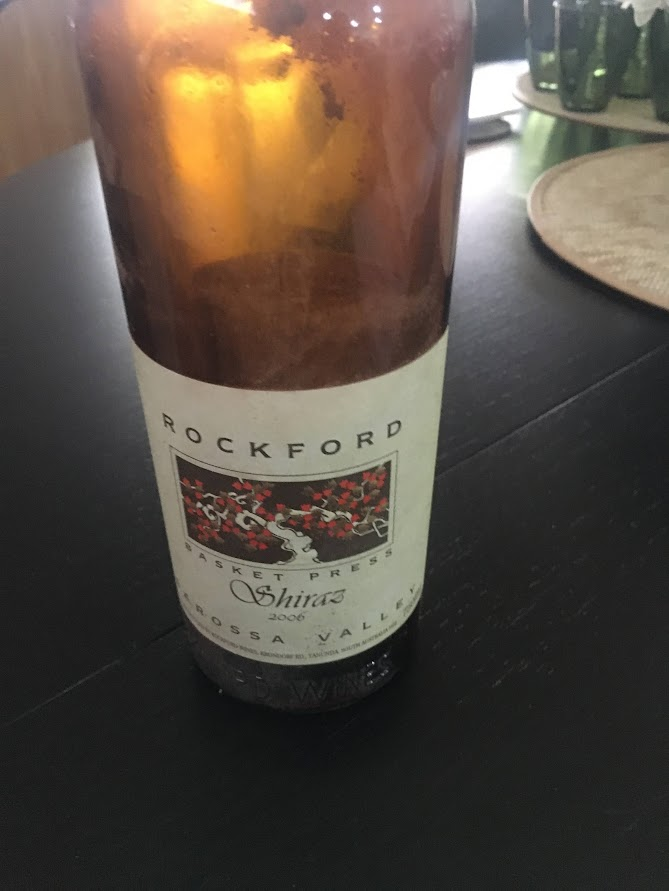
Those of us who drink red raised a glass to our patriarch. We enjoyed a glug of the 2006 Rockford’s Basket Press Shiraz — purple, velvety, immediately seductive. Dad, Claire, my nephew Mitchell, his girlfriend Alisha, and my son Alex all nodded their approval as Sunday lunch settled in with warm ease.
Under my sister Jill’s veranda, the cold November rain pushed in rudely — the kind that makes you reconsider going to the footy. We traded stories of Balinese dangers with cobras and scooters (Claire and me, imperilled), Kuta escapades (my cousin Ben, curious) and brazen prostitutes (Dad and Mum and my Uncle John and Aunty Liz, bemused).
Then, naturally, we drifted to Kapunda stories: antics in adolescent cars, the burning rubber of Uncle John’s Ford Zephyr (allegedly), and my HQ Holden versus the high-school fence (guilty, Your Honour). The following morning, I had to front, in glum succession, the school headmaster, the local Senior Sergeant, and of course Mum and Dad. All before breakfast.
A tickled Alex outlined his gap-year plans — Europe and the Stans: Kazakhstan, Kyrgyzstan, Tajikistan, Turkmenistan, Uzbekistan. I was suddenly distraught. Here was aural proof that he would soon be in the other hemisphere, an alien time zone, and forever vanished into adulthood.
Lunch was superb: lamb shoulder, roast chicken, and salads — vermicelli my standout — all made by Jill, a self-declared lover of cooking. She finished with a classic country pavlova piled with whipped cream and strawberries.
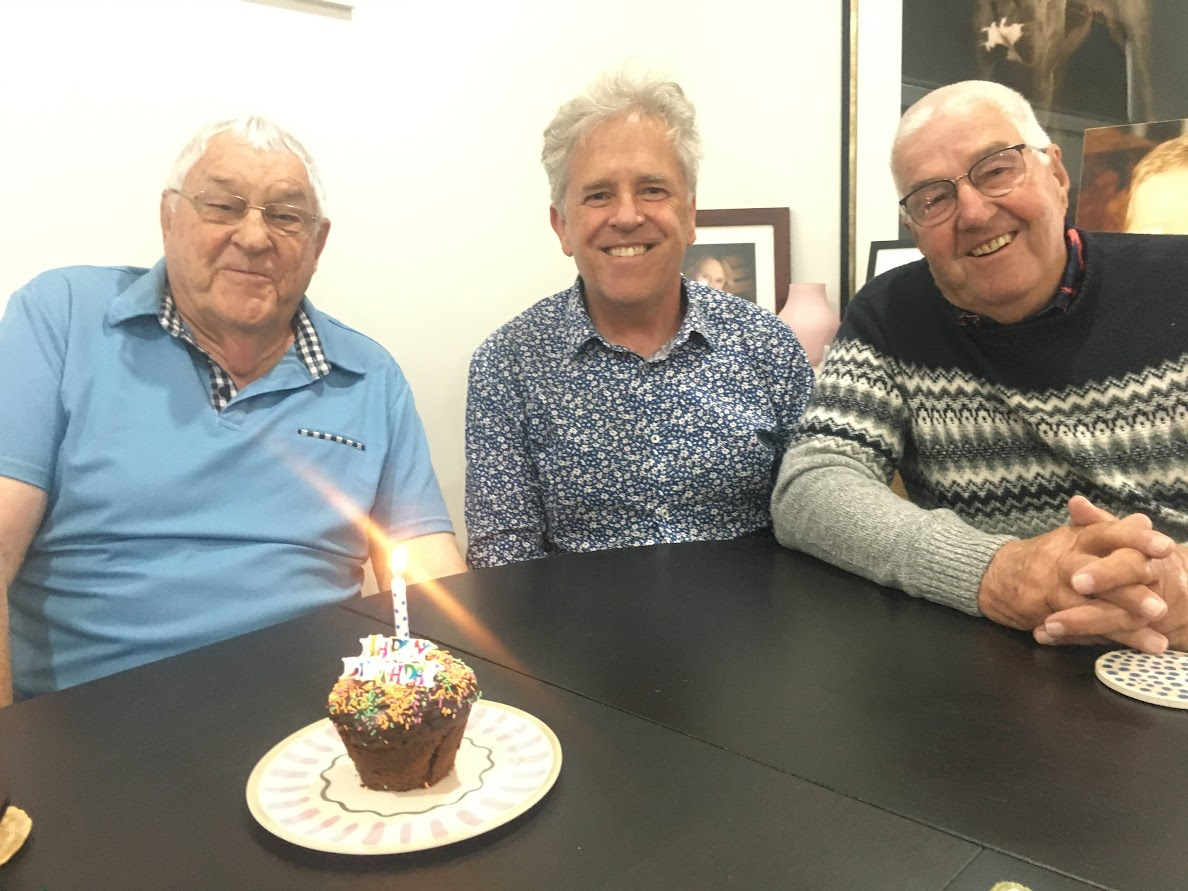
Still around the table, we sang Happy Birthday to Dad. I now remember that Americans don’t do the Jolly Good Fellow coda, which has always struck me as the spirited, fun bit of the tradition — the tune barrelling home, people lifting their volume and arm-swinging gusto. Ideal for the tone-deaf like me.
The previous afternoon, I’d gone in search of a shiraz, declaring that Dad’s birthday deserved a generous red and wandering the aisles of Dan’s, I spied some plonk that reminded me of an ageing bottle on the rack in the spare room. With that I left the store empty-handed, rushed home, rescued the dusty Basket Press Shiraz, and told Claire, ‘I was keeping it for a big occasion — and surely Sunday qualifies.’
It was instantly the best glass of wine I’ve ever had — and I hope everyone else felt the same. Context is everything, and it was superior to the Grange I’ve tasted on a couple of occasions. I reckon past a certain age, birthdays narrow into the things that matter: the closest people, engaging wine and food, and old stories we’ve all heard before — and will gladly recite again, with delighted ritual, next year.
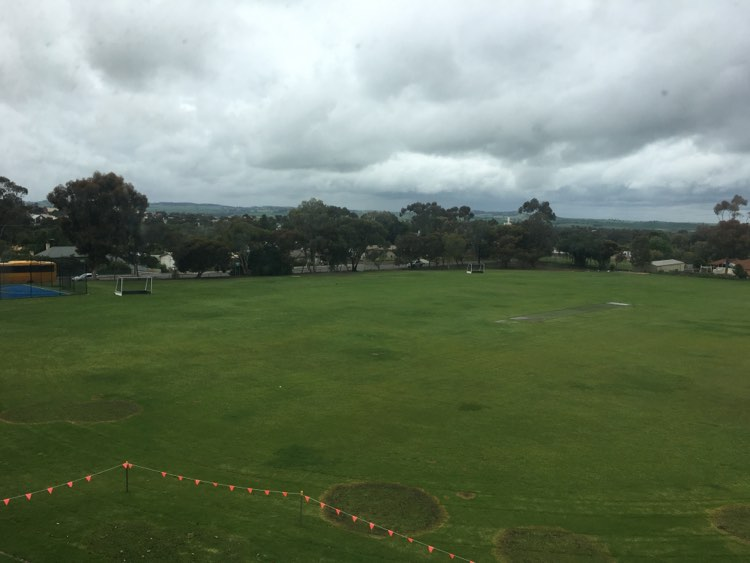
From the top of Gundry’s Hill, Kapunda lies soundlessly below — half-hidden in its jumbled valley.
The topography gifts this view — and encourages a certain kind of reflection. I consider how some of the nearby towns such as Freeling, Nuriootpa, and Tanunda are largely flat — perhaps a little reserved in their landscape. Our steeper hills allowed for a testing upbringing of bike and billycart riding.
Once, the surrounds of Gundry’s Hill were simply paddocks — rolling and empty. Now, a housing estate sprouts, improbably dense. There’s about twenty homes hounded in together — you’d struggle to swing a nine iron between them. However, unlike other locations further north, the population’s climbing.
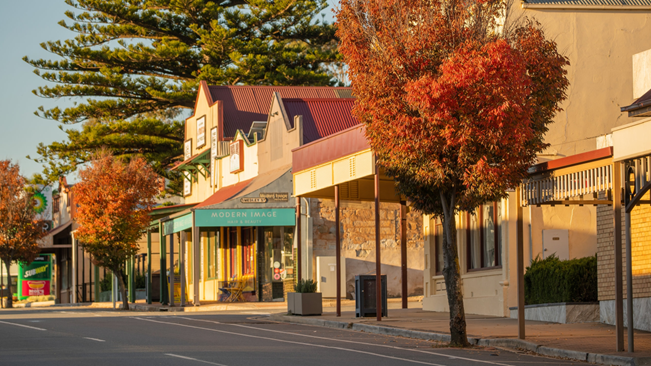
Driving about I’m gladdened by the early-week industry. People on foot and in vehicles are moving about collecting and depositing stuff, accomplishing transactions, making things happen.
A blue sky presses down on Kapunda, dragged by an icy wind slashing at the trees and roofs. I remember days like these from my childhood. A friend once called it a lazy wind — ‘It doesn’t go around you, just straight through your torso.’ She was right.
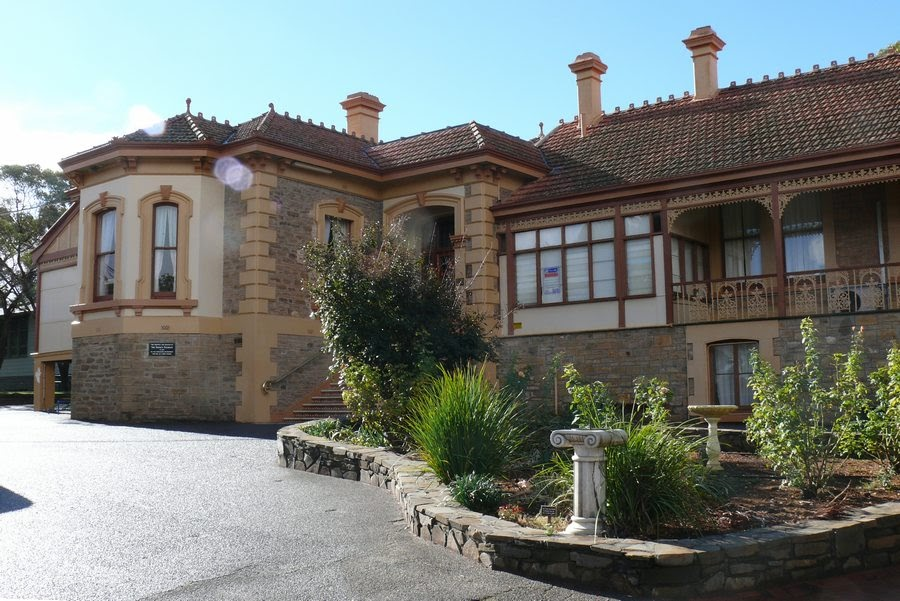
I’m curious — profoundly invested — in the high school’s rebuild after the 2022 fire. Eringa now looks familiar and is regaining much of its grandfatherly glory. It’s reclaiming its place as the town’s reassuring heart. The croquet lawn lies beneath a compact row of building site offices and the apron sloping from the grand front steps is crowded with what I hope are temporary structures. The old palm tree stands noble by the basketball court.
*
Idling through the Dutton Park gates I take a slow lap around the sporting precinct, passing the clubrooms where Claire and I had our wedding reception. I then see the sleek bowls club, tennis and netball courts, and sadly becalmed trotting track — remembering long, dust-kicked laps in the heat of footy’s pre-season. The encircling gum trees bend in the crisp June gusts.
I veer past the old Railway Hotel. Most of it’s intact behind some hopeful orange bunting. I wonder for a moment at what it could become. A motel? Café? Restaurant? I then shake my head. It’s been decades since the pub fire and nothing’s happened.
Across the road is the Railway Station. It’s now luxury accommodation but I remember Mum taking my sister Jill and I to collect our monthly parcel of State Library books and cassettes. There was always excitement in pulling open the brown paper wrapping to see what’d made the train trip up from North Terrace.
I note mechanics garages all around town. A number have sprung up to service patiently waiting trucks and utes. Diesel motors have feelings, too. A boxing club’s in a shed across from Bald Hill.
The North Kapunda pub is shut although the forlorn loss is yet to drape itself glumly over the veranda and windows. I hope it reopens but Kapunda has probably always been overserviced by pubs. Smiling at the thought of Saturdays in there during the 1980’s — the rowdy white smear of a couple dozen cricketers and I hear, ‘Where are you goin’? You owe me a beer for the Schooner School!’
In contrast, Puffa’s drive-through has been trading steadily since dawn and just over on Clare Road’s a flashing sign urging punters to drop by for morning coffee and afternoon delights. I love pushing through the front door into its cosy bar but before noon on a Monday’s not really the time. One day soon.
Turning onto Hill Street I spy the sporting mural about which I’ve heard much. I’m carried back to the past and beam at Rocket Ellis, Paul O’Reilly, Davo, and other portraits. Macca — iconic teacher and sportsman — is also there and he once told me, ‘You’ve got it arse about. You hit a cricket ball in the air and a golf ball along the ground!’
I smile at the adjacent mural more broadly acknowledging Kapunda’s story. Much-loved deli owners and revered citizens Eli, Brian, and Reg Rawady are at the rightful centre. I can still hear their distinctive voices, especially Reg’s bellowing baritone. A town that appropriately praises its people and history is surely a healthy place.
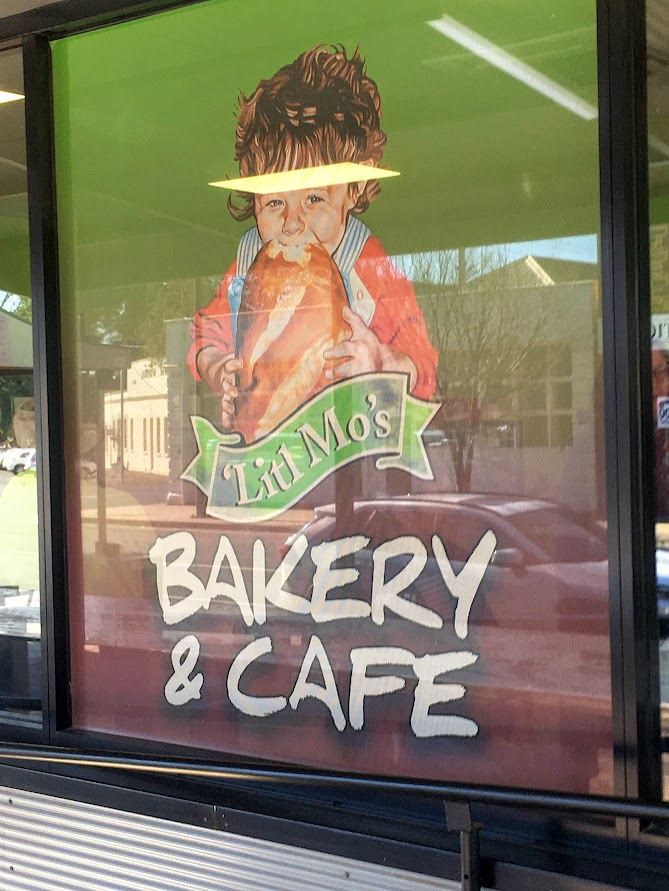
At Litl Mo’s bakery, I park outside the former Eudunda Farmers store. Inside’s noisy with older folks concluding their morning tea. As I’m ordering most amble towards the door — leaving behind their coffee cups, chatter, and crumbs. A murmuring din bounces around. ‘See you next week, Bill. Enjoy your golf on Thursday!’ It’s an encouraging hub for the town and a bustling café.
Deciding to eat on the balcony, I spot the dental clinic across the Main Street. It’s new although Dad later tells me it’s been open a while. After too many of Mo’s chocolate donuts, stride across the road to get your teeth fixed.
My sausage roll is excellent. Scrutinising it after a bite or two, I’m thrilled to spot that neglected ingredient: carrot! The taste is delicate and flavoursome. It’s not massive — no need to compensate for tastelessness or oily pastry. It’s a treat.
*
Monday mornings teach you things in a country town. I’ve taken a tranquil drive through memory but have also glimpsed something of Kapunda’s boisterous and bright future. There’s movement beneath the quiet.
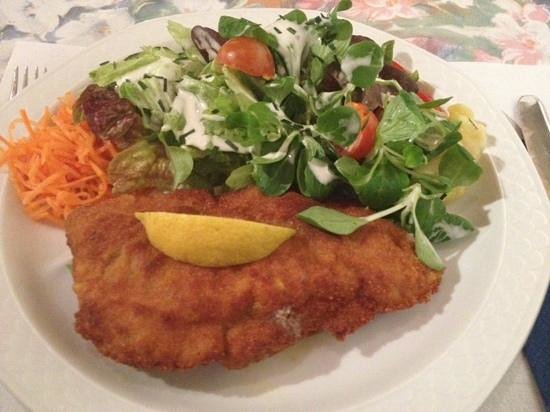
Each of us studies the lunch menu like it’s a sacred text, applies some unnecessary critical thinking, and in succession — as anticipated — orders a schnitzel. It’s a collective declaration of mateship, and an acknowledgement of being deep into our sixth decade. Growing up in Kapunda, we’ve a lengthy and easy friendship.
Outside’s blustery but we’re in the pub’s cosiness.
With the dining room’s blazing fireplace, pot belly stove in the front bar, and rib-ticklers (for her pleasure) soliciting purchase in the toilet’s vending machines ($2 each) there’s still much that appeals. Happy groups are dotted about the tables amidst a humming Thursday ambience.
In a world hurried by notifications, noise, and busyness, the Greenock pub resists performative velocity. Storytelling is our afternoon’s purpose and theme, and we’re now less about bedlam and more about meaning.
Chris (Rohde) tells us of his recent trip to Europe and Berlin, of steins and asparagus, and staying a drop-punt from Checkpoint Charlie. Of Copenhagen and the Tivoli Gardens. We also hear more about Chris and Letitia Hayward’s golfing and post-golfing explorations of Ireland, Scotland and London. All described as, ‘magnificent.’
A photo shoot’s happening in the neighbouring anteroom, and I spy etched glassware filled with wine the colour of ox blood, arranged in a pretty tableau. A silver reflecting umbrella illuminates the human and vino talent, and I nod into my ale at the prospect of a glossy double-page spread. It’s as deserving as any pub. I wonder if there’s a magazine in Germany called Schnitzels Monthly.
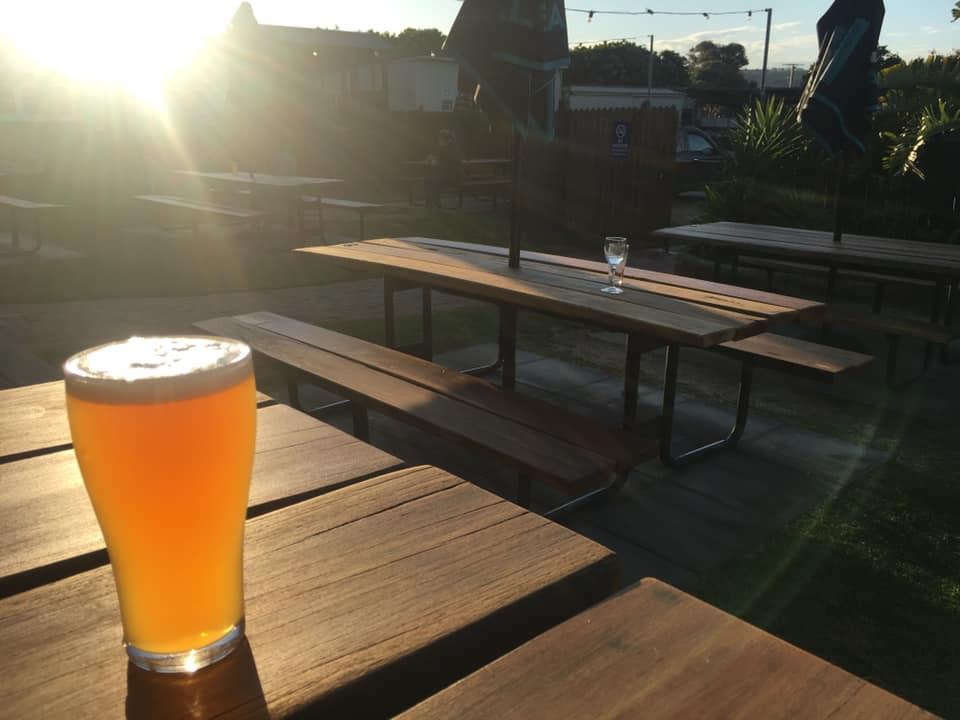
A log shifts in the fireplace, and there’s a scrape of cutlery. Easing my chair back, and with our beer rhythm wordlessly established, I fetch another pint of Coopers Draught for Lukey and a Pirate Life for me.
Chris (Hayward) continues his animated observations. ‘We found a great pub in Soho, and I thought that’d be our local for the week. But then we came across another that was even better!’
Our schnitzels arrive and these, too, are magnificent. Lukey says, ‘Good that everyone has a schnitzel. About time you all got with the programme.’ Pepper gravy sweetness wafts through the snug air along with the hot comfort of chips and steamed broccoli. These hearty plates — though probably not us — could star in the magazine shoot.
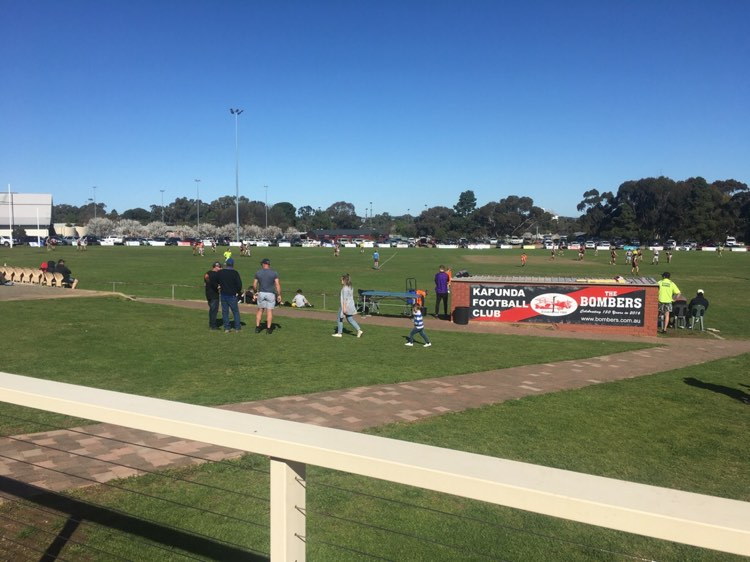
Talk accelerates to footy and the upcoming Kapunda Bombers premiership reunions. Teams from 1965, 1985, and 2005 will gather in the club. With this comes the mandatory story of Lukey’s stratospheric hanger in the 1985 grand final. It was a colossal mark but the sole VHS tape of the game is lost. I can see the back-slapping, and hear the bellowing laughter erupting above the din of the Dutton Park clubrooms. That the 2025 Bombers are struggling won’t matter one bit.
We consider relocating to the front bar but linger, preferring the stillness. I love how the Greenock pub is humbly and wilfully unrenovated. In middle life, competition yields to communion — and today and annually for us, this is a chapel. It hosts our companionship and remains a landscape for thought and gratitude.
This annual lunch is where we reconnect with younger versions of ourselves, even as we sit with our shifting adult responsibilities. It’s also a place to remember who we were — teenagers piling into dusty Holdens blasting Midnight Oil — and to marvel at how this whole scrappy, beautiful mess is turning out.
Well, the South side of Chicago is the baddest part of town And if you go down there, you better just beware Of a man named Leroy Brown Now, Leroy, more than trouble You see, he stands, about, six foot four All the downtown ladies call him ‘Treetop Lover’ All the men just call him ‘Sir’
We were beneficiaries of Kapunda High being a progressive school with teachers who were innovative. When I was in Year 11, vertical homegroups became part of the ongoing reform and this meant students from Years 8, 9 and 10 joined us in the Home Economics Centre under Mrs. Trinne’s watchful and occasionally fierce eye. This arrangement was representative of our bold education.
Mr. Schell was influential in setting up a daily fitness programme. Every day we’d have a different activity and the entire school would rotate through these, including all the staff. Most of this happened on the oval. But one memorable— if haunting session— was scheduled weekly in the former stables.
It’s called the Health Hustle, comprised three or four songs and each tune had a set workout routine. Our class members would claim their space on the rough concrete floor of the Stables and Schelly played the songs on a boombox. For some in our class this was fun and for others like me, it marked the beginning of my descent into dancephobia!
Technically, it’s known as chorophobia and yes, I’ve been attending the Monday meetings for many, many years. No, not really but to describe my dancing as uncoordinated would be a gigantic underrepresentation.
The mere mention today of Health Hustle prompts Claire and Trish to leap up from their otherwise comfy chairs and give a hilarious recreation of me feebly trying to dance in the stables all those years ago. All done with uncontrollable laughter. Look! There they go mimicking me and my tangle of disobedient, droopy limbs. Arrythmia not of the heart but of the body. Still, our friendship, if not my choreography, flourished.
Catching the opening notes of ‘Mickey’ or ‘Teach Your Children’ nowadays I’m sure many of the class of ‘83 also have a Pavlovian response that causes them to break into those deeply embedded routines. But I somehow retain affection for the Chicago gangster jaunt of ‘Bad, Bad Leroy Brown.’ The marriage of the Scorsese lyrics and the wide-eyed piano stomp is terrific.
He got a custom Continental He got an El Dorado too He got a 32 gun in his pocket full a fun He got a razor in his shoe
*
Resuming our drone flight over Kapunda, we’re now on the Main Street and peer under the veranda of Rawady’s Deli. Pausing at the front window we see sporting team sheets sticky-taped to the glass. Handwritten names on a paper footy oval or for cricket, a list of eleven boys along with details of when and where. If it was a summer’s Saturday morning, there’d be a white huddle on the veranda, ready to head to Eudunda or Angaston or maybe Truro.
Gazing further into the shop we witness a constant flurry of activity behind and in front of the long counter. Reg is moving about, helping people with his baritone that always seemed too large for his tiny frame while out the back Brian’s endlessly cooking chips in the deep fryer. Rawady’s Deli was the town’s heartbeat and epicentre for much communal good.
On any given day, my Mum or sister, Jill could be working or it might be Claire making me a post-cricket milkshake. If I was in there with Greggy Higgins getting mixed lollies before Thursday afternoon RE with Mrs. Schultz at the former convent then we’d see this transaction-
‘Yes, thanks. Can I have ten cobbers?’
‘Sure.’ Ten cobbers would then be shoved into the white paper bag by someone like Eli. ‘Okay. What’s next?’
‘How about some of those red ones?’
‘Which ones?’ This question would emerge from deep in the lolly cabinet. A headless voice.
Greggy would sometimes say, ‘See where your hand is? Not there. Over to your left.’ We’d then both giggle.
‘Okay. These?’ An impatient finger would point at a box of bananas or teeth or red snakes.
‘No. Not my left. Your left.’
We then fly down the street to the outskirts of town and the Esso service station. A man of relentless motion like the Rawady brothers, the owner, Rex Draper was also a Musical Society devotee. Like Rawady’s Deli many locals worked there. The girl fourth from the left (here too), Damian Trotta (still there) Nevvy Ellis, Grantley Dodman— who called himself a petroleum transfer engineer—and for about six years, me.
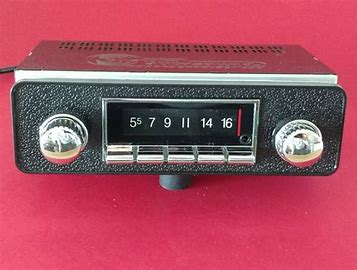
Most Sundays around six my cousin Paul ‘Boogly’ Ryan would drive in, piloting his HQ Holden Kingswood. Hearing him before I saw his car, he’d cruise past Trotta’s Hardware and swing up the volume on his Kenwood stereo and it blasted across the dusty, otherwise tranquil townscape. This ritual always made me laugh.
We were massive fans of the Rolling Stones and knew how cool they were. From their last great album, Tattoo You, ‘Slave’ was a blues jam and part of our shared vernacular. It was always greeted with nodding heads and wry smiles.
Do it, do it, do it, do it, do it Do it, do it, do it, do it
Don’t wanna be your slave Don’t wanna be your slave Don’t wanna be your slave
Let’s zoom in now as a sinister black motorbike has rumbled onto the forecourt of Rex’s servo and shuddered noisily to a stop. In 1983 full driveway service was expected. Fill her up, check the oil and tyres, clean the windshield. I recall my utter terror when a bikie—always fat and gruff and menacing—would scowl before murmuring instructions to me. This was scarier. Their lifeless eyes always hidden by impenetrably black sunglasses.
He’d order, ‘Fill it up.’ I’d gulp, knowing what was next. My hands shaking as I eased the now unwittingly weaponised nozzle into the tank of the Harley. Brain surgery would’ve been less intimidating. They’d often be returning from a day trip to Cadell Prison. He’d then whisper in a barely disguised death-threat. ‘Don’t spill any on the tank. I’ve just had it repainted.’
Of course. These feckers had always just repainted their tank. They lived only for their Harleys. They didn’t have lives or hobbies or volunteer to goal umpire the junior colts. Just repainting the fecking tank on their fecking murder machines.
*
Late in 1983 we had our final school social. These were terrific fun and the last dance was always ‘Hotel California.’ With the duelling guitar solo still ringing out as the lights came up in the Parish Hall, Davo, Chrisso, and I pointed my sky-blue HR Holden towards our friend Stephen’s unit in Plympton where we spent the night.
The next day was Friday and our last at Kapunda High. Some like Chrisso didn’t appear fussed and Paul Hansberry was already working at the silos for the summer. I remembered my first day in year 8 when I was scared at what high school would hold. Now, on our concluding day I was scared at what life beyond school might hold as the world opened up in vast and uncertain ways.
I’m quite sure I didn’t thank my teachers—Mrs. Schultz, Miss Searle, Ali Bogle (she was young so didn’t have an honorific, sorry), Mr Krips and Mr. McCarthy. Macca—who would speak at the footy club wedding reception Claire and I would have many years into the future. So, I thank them now.
Trish and Claire and Belly and Lisa and Davo and Penny and Chrisso and Crackshot and I would’ve said things like this to each other-
‘Well, we’re done. See you round.’
‘Bye, you.’ Accompanied by a friendly punch and a grin.
‘I’ll see you soon, probably before Christmas.’
And that was it.
I didn’t realise it then but Kapunda High—indeed the entire town—had prepared me well. They had accomplished that most miraculous feat, the very thing that every day drives our teachers, parents and coaches. Despite our frequent resistance, they persevered. They had helped create our lives.
1983 was soon replaced and off we all went. Uni, the air force, nursing, work. The world was waiting. Kapunda High had been great.
Gundry’s Hill is the natural place for it to commence with its views across our undulating town. There’s St Roses’ spire, a patchwork of roofs, and the silos standing quietly down near the road to Freeling. The vista is smeared green from the trees lining Clare Road, Mildred Street, and Hill Street which is home to the ancient playground and its old black steam train.
We’re now above Dutton Park and its fetching oval protected by those silent eucalypts. If we listen carefully, we can hear the Mickans chuckling and telling stories. It’s a short flight then to the Duck Pond and if it’s a weekend evening there might be half a dozen cars parked haphazardly on the southern bank, near Dermody Petroleum. There are teenagers draped all across the lawns. My friends. From the tape deck of a car, possibly a Gemini or a Kingswood, you hear this soulful song
Karma, karma, karma, karma, karma chameleon You come and go You come and go Loving would be easy if your colours were like my dreams Red, gold, and green Red, gold, and green
We then zip over to the swimming pool. On this hot afternoon we see dotted on the grass untidy groups of kids. Zoom in and they’re munching on Bush Biscuits or a Zooper Dooper before running to the diving board. From this they leap off aiming desperately and adolescently at the canteen, run long-sufferingly by Mrs. Chappell. They try to splash her by doing a storkie, arsey or a coffin. They’re tiresome but determined. The supervisor—an elderly Englishman—yells to the skinny boys, ‘Pack it in!’ They ignore him but he yells again. ‘Pack it in or you’ll have a rest for five minutes!’
A short journey and we pause over the Pizza Bar on the Main Street. Johnny Guzzo is the boss. Again, inside there’s some of the town’s youth and they’re huddled about the Formica tables. Some spill onto the footpath, weighted by black duffle coats and ripple boots. With P plates blutacked to their windows, assorted cars lined up outside. There’s a knot of motorbikes too.
Inside by the windows and next to the pinball machines, a mate’s trying for his best ever score on Frogger. He’s trying to cross the river on logs and—be careful—skip over on the backs of hopefully drowsy crocodiles. But he gets munched and the game’s over. He thumps the glass top of the arcade machine. Johnny’s throwing pizza dough up into ever widening circles and hears the racket. ‘Hey! Do that again and I kicka you out!’
It’s 1983 and for one group of kids, they’re in year 12. Seventeen is an age when much happens but you’re no longer a child and not yet an adult. It’s a fraught, fantastic time. Let’s zoom in and see who they are.
*
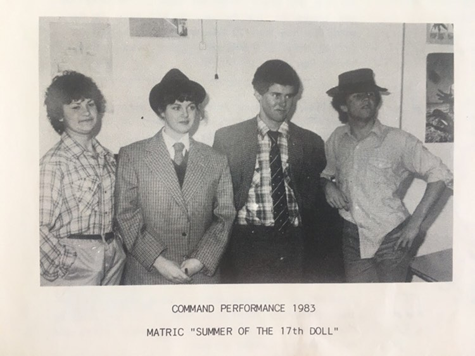
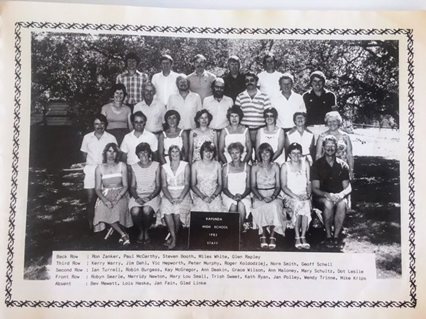
Here’s Kapunda High’s class of 1983. There’s only thirteen of us although this was boosted by the subsequent return of one Paul Masters, and arrival of Eriko, our Japanese exchange student. Then, of course, most of the fifty-odd who began with us in year 8 had left school for a job. Year 12 was matriculation which meant qualifying for university. It an innocent and wonderous time.
This photo was taken on the croquet lawn at the front of the school. I never saw any croquet but sitting on its grass under the autumn sun was calming and peaceable. And it’s such a picturesque setting that a few short decades later it was where the girl fourth from the left and I would be married. No other location presented itself.
There were only fifteen of us, but I thought us an unruly collective. All day long we laughed and yelled and interrupted each other. Thirty years on, talking in the footy club with Macca—our beloved History teacher Paul McCarthy—he told me we were, ‘bright and well-behaved. A really great group.’ In 1983 I sat in a corner next to Chrisso and Davo and we did much together.
Claire and Trish and I had long enjoyed our triangular friendship, and this continued. There were a couple of classmates with whom I barely exchanged words. I didn’t dislike them; we just had little in common and I hope they’re happy and well.
*
Our matric centre was at the front of the school just near the croquet lawn. It was down the cement steps and in Kidman’s bequeathed mansion, Eringa, it had been a servant’s bedroom. A tiny room, it could only fit ten or a dozen of us around the little student tables.
A blackboard hung to the side and an old gas heater sat above the mantle and we’d use it to toast sandwiches until we weren’t permitted. A corridor ran around two of the walls and our individual carrells were lined up there. How lucky that we had our own private desks? Much of our year was spent at these.
In that little classroom we’d conversations which influenced us. Mrs. Schultz, our gentle and wise English teacher, chaperoned us through The Grapes of Wrath with the Joads as they made their emblematic and weighty way from Oklahoma to California through the Mojave Desert.
I recall my terror as she and Trish talked at length about the novel’s symbolism, focusing upon the turtle crossing a highway and how it represented struggle, determination, and hope. Committed to making my own life difficult, I read many Steinbeck novels over the summer and loved them. But, of course, I didn’t finish the compulsory Grapes of Wrath, and generally only saw the turtle as a turtle.
Our Australian History teacher, Mr. Krips, escorted us through a study of our national identity and the apotheosis of the nomad tribe. I’d not encountered the word apotheosis before. It wasn’t used on the cricket, even by Richie Benaud or by Graham Kennedy on Blankety Blanks. It impressed me and I vowed to keep it in my vocabulary as I thought it could have future value. I swiftly forgot it.
Of equal value was the extra-curricular stuff we learnt from our teachers. The girl fourth from the left and Trish always had enthusiasm for curating our experiences and so set up communal diaries in big scrap books. Quickly becoming known as the Crap Books, these enjoyed daily entries, with some contributing more than others. Occasionally Kripsy did too. How great was he? Early in the year he noted the discovery of a musical gem.
Last night I saw Marvin Gaye on TV singing, ‘Sexual Healing’ which was terrific. What a voice! What a performance!
It is a great tune and now when I hear it I instantly think of Kripsy and that tiny, windowless classroom. I hear it with fondness for my classmates and teachers and that fleeting, singular time and place.
Get up, get up, get up, get up Wake up, wake up, wake up, wake up
Oh, baby now let’s get down tonight!
*
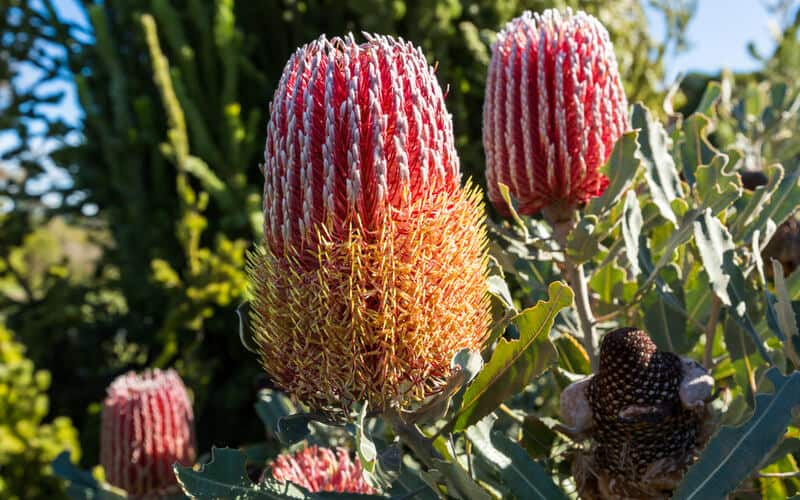
The Coorong is a distance from Kapunda, south of the mouth of the Murray. Until our matric year, school camps had been breezy and amusing affairs. More like holidays than educational experiences. As we had to study both a science and a humanities subject, I found myself in Biology and had to undertake a special personal project. For reasons which over time have only become more bleakly absurd, I was about to immerse myself in the heady, sparkling world of Banksias.
Yes, my teenaged fantasies were all becoming real. I would undertake a vegetation transect. It’s not, however, as glamorous as it sounds.
We stayed in rustic accommodation with Mr. Zanker and Miss Searle. Curiously, I would work with Mr. Zanker decades later at Marryatville High where I taught his daughter in year 12. In 1983, there were about eight of us in Biology and we drove down on Sunday. I recollect none of the journey.
It was cold and grey but one night by a shared metal sink I had a novel experience. One of my classmates, the girl fourth from the left, leant towards me, giggling, and announced, ‘Hey you. Listen to this!’ A brief subterranean rumble followed. We both collapsed into laughter. It was the first time I’d heard a girl fart.
This remains the clear highlight of that camp.
Monday morning was grim and wretched, and it began to rain. I was utterly alone in the middle of a forest of banksias. My task was to measure all sorts of variables like tree height, number of banksia flowers, distance between trees, and other things too hideously dull to itemise for you now.
Until then I think I was a kid who just got on with stuff. But this was new for it was an obligation in which I had zero interest. It was a necessity and there was no escape. I sat on the wet ground and my bum became damp. Three more days of this! I reckon it was the first time in my life I was truly bored. Even now I twitch if I see a Banksia. They’re for life, not just the Coorong.
It gave me a glimpse into the dark world of adulthood responsibility. I didn’t like it.
Chrisso- ridiculously smart, dry of wit Woodsy- upbeat, an enthusiast Trev- funny, beyond naughty Swanny- convivial, night-owl Paul- plain speaker, machine-gun laugh Stephen- our host, gentle Brendan- enigmatic, fatigued by the stupidity of others Trish- quick to laugh, dramatic Claire- cute but required explanations for most jokes The Gem- Stephen’s bright green Holden Gemini Your correspondent- always first asleep, silly.
*
The girl pointed at Chrisso but spoke to all four of us.
‘Are youse from England?’ We’d done a 900k day and here we were in West Wylong (pop – 2,500 odd) and some girls thought we were British. She was barefoot and continued. ‘Youse have got an accent.’ Someone, probably Trev said, ‘No, we’re from South Australia. Kapunda.’ He may have then added, ‘Where they have hot cars.’
We were a long way from home and here was an indicator of how wide the world was.
Idle chat with locals done, we decamped to our onsite caravan. I doubt there was a TV, radio, or home cinema. So, in that time-honoured way we inhaled pizza — likely ham and pineapple; mercifully eggplant hadn’t been invented — and the national beer which is now rarer than rocking-horse droppings; Foster’s Lager. I’m trusting it was from the Royal Hotel on Main Street (true; look it up).
We sat at the tiny table, and I’m quite sure, said things silly and then things sillier. This was best illustrated by Woodsy saying to me, ‘Your face is red,’ and catching his reflection in a mirror, then asking, ‘Aren’t I?’
Aside from the Foster’s Lager, on the trek to Sydney there was only one injury. As he slept in the back, Woodsy had a bad dream (doubtless being naked in a public place), threw out his leg, and cut his toe on the driver’s seat assembly. Ouch.
The next morning, we went through Bathurst, and all took turns driving the famous circuit. Speaking of hot cars from Kapunda, we were in Woodsy’s Datsun 180B. Bathurst was far steeper than imagined — TV tends to flatten these things — and as we whizzed along Conrod Straight at 140k, the little Japanese vehicle must’ve sounded like an oversized, determined mosquito.
*
The following tradition began, I think, in Katoomba.
We called into Macca’s, had lunch (two all-beef patties, special sauce, lettuce, cheese, pickles…), and leaping up from our red chairs, were keen to finish that final leg, and motor to Stephen’s. We were Sydney bound!
I pushed open the door when Trev announced suddenly, ‘I’ll just get a nut sundae.’ And so he did. We watched him eat it. Every deliberate mouthful. Some would say Trev ate it with a Zen approach. Some would say it was excruciating. It was a scene from a future Tarantino movie where characters chat in pop culture but strangely menacing ways before most are messily dispatched.
Regardless, once Trev eventually finished, the little plastic container could’ve been immediately and hygienically reused. Not a speck of sundae remained. Across the trip and indeed, the years, when we were halfway back to the car after a meal, we’d often hear Trev declare, ‘I’ll just get a nut sundae!’
Having passed the medical following his toe injury, Woodsy was ruled fit to drive. Back behind the wheel and with Sydney tantalisingly close, he chirped, ‘Let’s get there!’ and out into the honking traffic lurched the little Datsun. From the rear Chrisso murmured, in that distinctive Chrisso way, ‘Yeah, let’s get there.’
*
As a Kapunda kid, Bondi was among the most thrilling places I’d been.
The boisterous, teeming crowds on that striking, sandy crescent! With my saltwater swimming mostly restricted to gentle Glenelg and Horseshoe Bay, the Pacific was intimidating. The surf was enormous with towering waves rolling in and dumping us, metronomically. We bodysurfed and it was exhilarating but we were all dragged into a brutal rip.
Late afternoon with the marching breakers crashing on our heads, Trev and I tried to stand there and ignore the swell, mock-heroically. Amusing ourselves tremendously, we had the most mundane conversation as the azure walls collapsed onto us.
‘Yeah, I reckon Weetbix is the best breakfast cereal,’ I said, just as a massive wave nearly swept us off our feet.
‘Don’t forget CoCo Pops®,’ Trev added, as another tonne of blue-green water dumped onto us.
‘Cornflakes are overrated,’ I evaluated, fighting for balance.
*
It was also the summer of Midnight Oil.
They were everywhere and our unofficial soundtrack to Sydney. One of their early songs, ‘Section 5 (Bus to Bondi)’ became an anthem for us. In the carpark overlooking Bondi Beach we all heaved ourselves at Stephen’s silent, rolling car — known with great affection as the Gem; short for Gemini — in a theatrical, utterly unnecessary attempt to jump the engine into ‘life.’ Onlookers gawked as we performed our dramatic tribute, the song blasting from the open windows
Push start that car tomorrow I’ll take it to the tip yard We’ll leave it as a metal wreck For cats to sleep Then I’ll catch the bus to Bondi Swim the beach and wonder Who can wear the fashion when The place is oh so hot
It felt like a scene from an arthouse film — but possibly not. Back then, we excelled at amusing ourselves.
*
Stephen lived in a high-rise apartment in the inner suburb of Drummoyne.
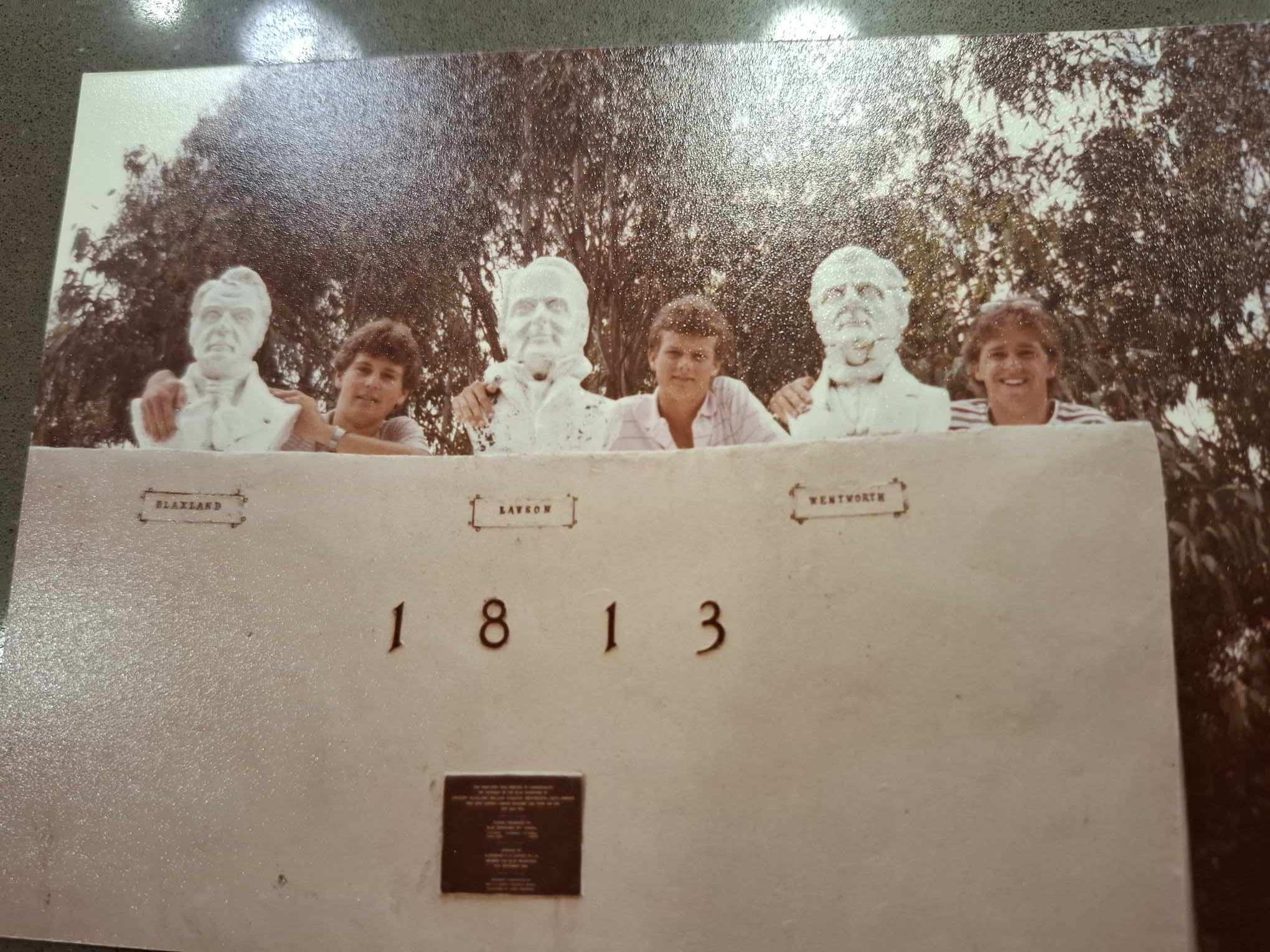
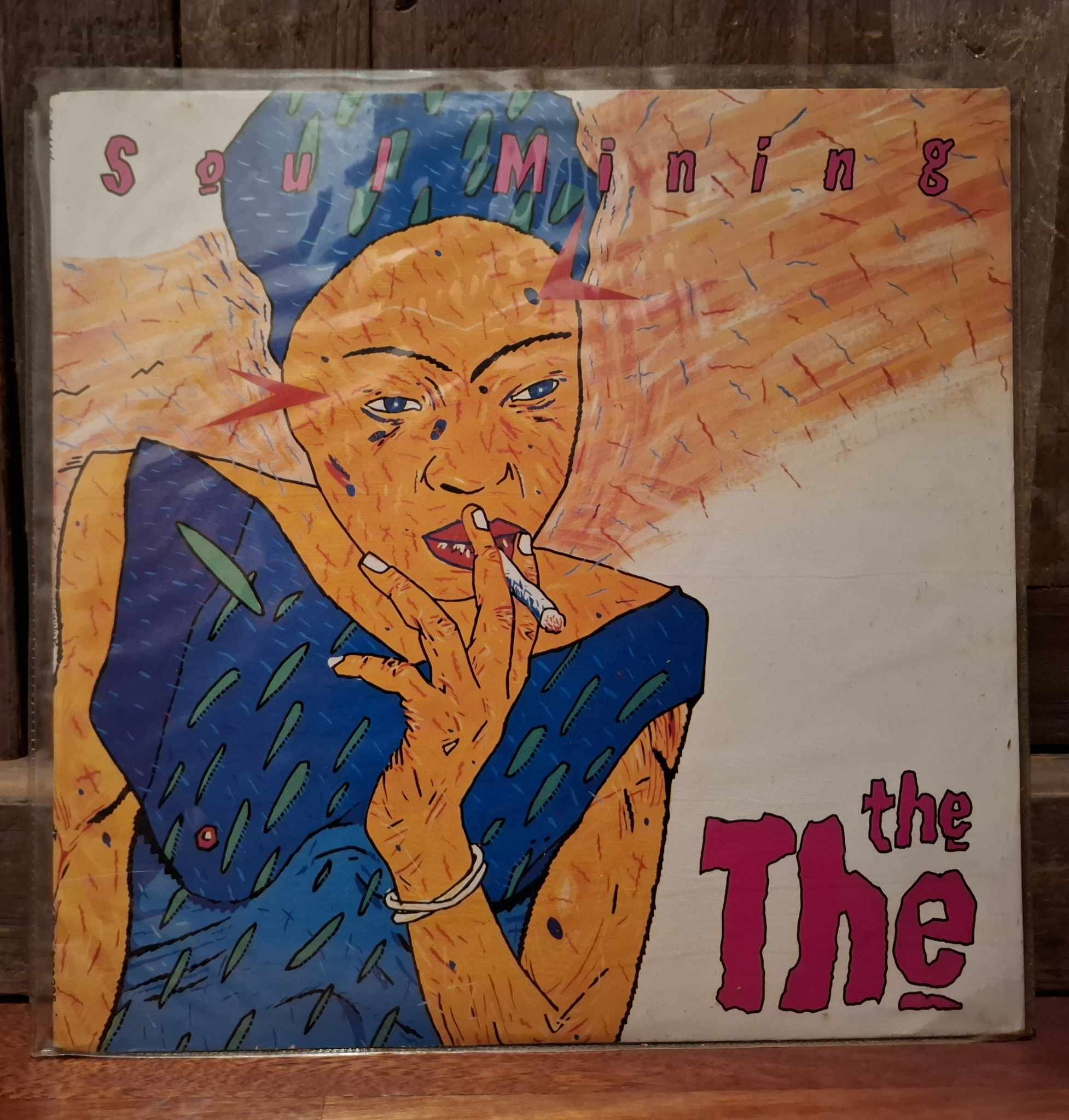
He’d been joined by our somewhat mysterious friend, Brendan, who’d abandoned his law degree and moved to the Harbour City. During our stay Brendan introduced us to British post-punk band, The The and such is this legacy that Swanny and I are seeing them later this month.
Like Hugh Hefner or The Dude, he seemed incessantly attired in his dressing gown, and with his nocturnal leanings, translucent face, and Morrissey-like melancholy, Brendan was more Manchester than Manly Beach. He was the most cynical person I’d met. He was already fatigued and world-weary. He was twenty.
Meanwhile, we grew a green mountain of empty beer cans in Stephen’s lounge room. It was an especially adolescent achievement, and the ring pulls from the cans were strung into lengthy chains and festooned about the flat like bogan Christmas tinsel. I guess they were. These were christened by Swanny, I think, as ‘Ring Mans.’
*
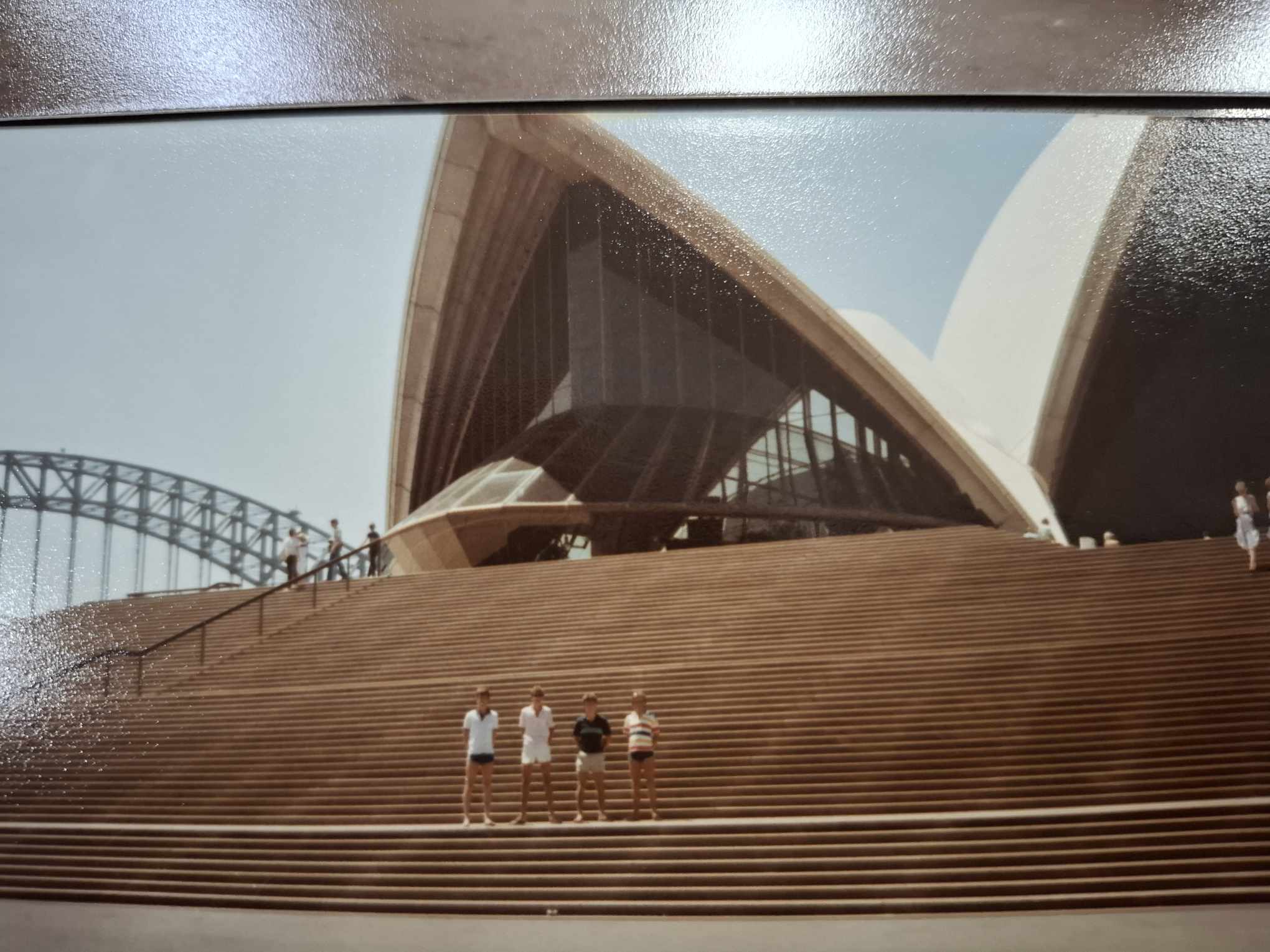
Sydney was an exciting but principally alien city. Unlike Adelaide, it was lush and brazen, seductive and dangerous. There was water everywhere. The Western Distributor — a bold, elevated boulevard — led us in and out of the city, curving dramatically above the buildings below.
On a sharp bend in Darling Harbour, a huge advertising billboard swam into cinematic view. And every time it demanded a theatrical response. It warned us with a menacing image straight from the film, Arachnophobia, of the threat we needed to take with extreme seriousness: Funnel web spiders! This was worrying. Home, we had friendly huntsmen. Our routine soon became that when the large, hairy arthropod came into startling sight — all beady, black eyes and dripping fangs — we’d shriek in chorus, led, of course, by Trev!
EEEEEEKKKKK! FUNNIES!
Paul and Swanny drove from Kapunda in Paul’s VK Brock Commodore. When they arrived, we were out, so with no mobile phones — those only existed on The Jetsons — they exercised their only option: wait in the grounds of the apartment block. With a slab of VB but no ice. They braved the beer. Back then simmering lager held no fears.
Now, there were six of us crammed into Stephen’s compact lounge room. We flopped about, foul boys in our now-illegal adidas shorts which revealed many things about us and none of them were healthy. The trapped odour must’ve been monstrous with lager, pizza, humidity, and ripe adolescence. Belated thanks, dear Stephen for your tolerance.
But, gee, it was fun.
Among the many delights was playing cricket in the hot and plush surrounds at Drummoyne Oval. Bare-footed and juggling beers, we batted and bowled and laughed, surrounded by all that sky and all that cobalt water. The details of the cricket don’t matter, but I recall the white picket fence, our lazy bliss, and VB in naval quantities.
It was another golden moment, and these stretched across that endless summer.
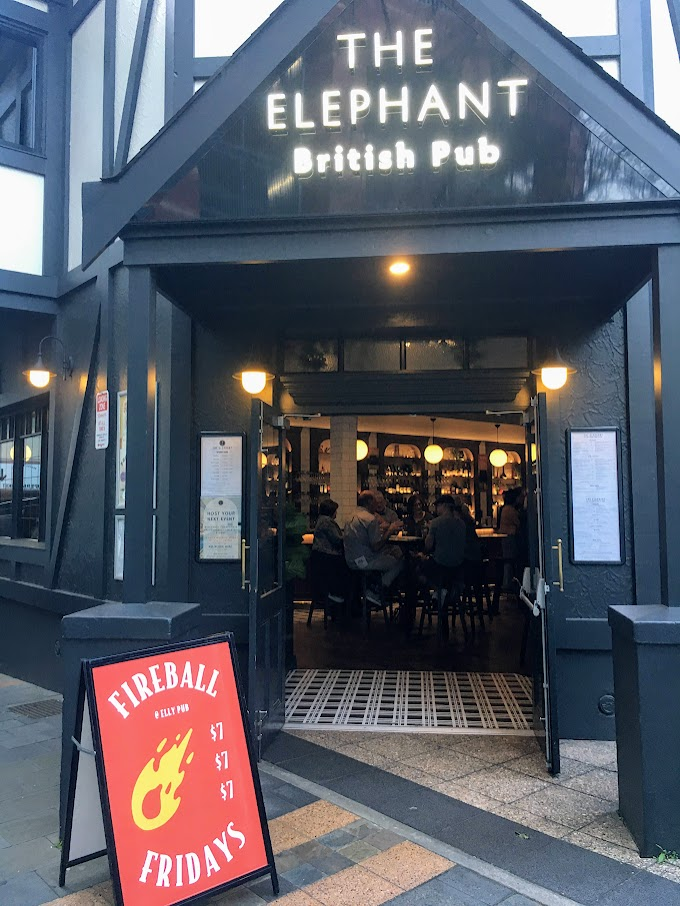
Friday afternoon and we’re strolling through the heart of the city — on the edge of the weekend, the edge of gentle possibility, and the edge of restoration.
Claire and I pass the infinitely charismatic Malls Balls and enter Rundle Street before making a sharp left at, but not into, the Exeter.
Claiming a corner booth, I glance outside and consider the Elephant is that rarest of boozers — it’s not on a street but a pedestrian lane. In contrast to my previous visit in July of 1997, it’s now bright and airy as opposed to somber and gloomy, presumably in former imitation of a Tottenham tavern.
That was just prior to the Ashes when Mark Taylor and his team thrashed England, again. Back then a group of Kapunda chaps engaged in a Wednesday ritual called Schnitzel Club during which we visited over one hundred and fifty pubs.
At that point, the England cricket team was sponsored by Tetley’s Bitter Beer and as a British boozer, the Elephant had it on tap. To heighten the pre-Ashes anticipation, we ordered one each.
How was it?
It was tepid like Tibooburra tap water and stank (tasted is too generous a verb) of late-capitalism collapse, murky Yorkshire moors and Thatcherite despair. It remains the worst beverage I’ve ever put in my (chiefly) undeserving gob.
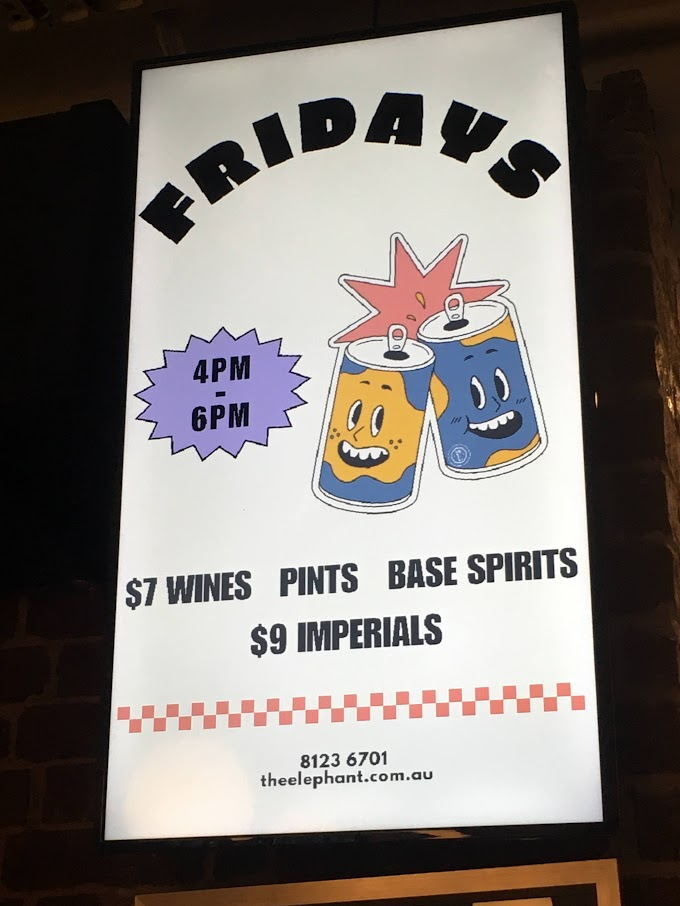
Tonight, gladly, I’ve the immeasurably superior Coopers Pale Ale and my imperial pint is only $9. Claire has a white wine. We discuss the usual suspects — work, family and how Escape to the Country might later unfold (with the scarcely disguised disappointment of the house hunters, the host, or most likely, both).
There’s a lively (non-suit) crowd in and the atmosphere’s propulsive. A DJ is on the decks and doing a fine job. He plays an underappreciated track by The Beatles in ‘The Night Before’ before spinning Steely Dan’s ‘Do It Again’ with its decidedly cinematic opening and Arabesque atmospherics
In the mornin’ you go gunnin’ for the man who stole your water
And you fire till he is done in, but they catch you at the border
Fireball Fridays have arrived, so Claire buys one (it may have been a double, Your Honour) with a squelch of ginger beer. It’s whisky with hot, spicy cinnamon and accordingly, the late afternoon sun bends in through the ample windows. It’s an immediate hit.
Our Mystery Pub fare (ye olde fayre) is sausage rolls with fennel, and arancini balls. The plates come with three items, so having had one of each we agree to divide the remainder. Claire says, ‘Which one would you like?’ and I reply, ‘I think you know.’
And she does.
Concluding our second cups, we press out into the sparkling evening. Our weekend’s underway.
Remember the backyard at Stirling Street and that gnarly old lemon tree? Near the swing with the triangular frame? Every now and then you’d pluck one off a branch, halve it, take a bite and urge Jill and I to do the same. I’d screw up my face at a single drop, but you and Jill seemed to enjoy the taste and so keeping a safe distance, and united in our horror, Mum and I could only look on as you’d both munch a lemon like it was a lolly.
Running down the middle of the yard were parallel garden beds. They bisected the lawn and after tea with your quiet patience you’d help me with the hose and teach me to water the vegetables, saying calm, encouraging things like, ‘Make sure you give them a good drink. On a hot day would you only want half a glass of water? Well, it’s the same with the cucumbers and the tomatoes.’ And even now when watering our plants, I contemplate Dad’s wisdom, trusting I’m giving them a decent sip.
Then, there’s the image of you on your hands and knees, methodically making your way around the lawn perimeter as you edged the buffalo with those big, steel clippers. Of course, while you snipped away at the grass, Jill and I jumped on your back as if you were our very own horse. This was true multitasking, and from you I inherited my love of a manicured lawn. Out the back one-day Max gazed at me and said, ‘Dad, do you think of this lawn as your third son?’
After Kapunda Junior Colts footy games, I’d await your assessment of my performance. There was praise when I played well which was very, very often (Ed– we’re looking into this) but if needed you were direct too. One Friday night I went to a friend’s to watch a film on Betamax, possibly American Werewolf in London and the next day had a terrible game. In the changerooms your advice was clear, ‘You looked tired out there. I reckon from now on stay at home on Friday nights.’ So, I did.
Claire, you’ll be happy to know that morning before this game I called into Peter Moyle’s fruit ‘n’ veg shop and bought an apple and an orange which I ate walking along Hill Street and then winding my way down Baker Street. They didn’t help me at all. Obviously, fruit and football don’t mix.
John Schluter was my Year 6 teacher and Dad and I agree, a very smooth footballer. One spring morning JS and I had a chat at school that went like this-
JS: What do you think about your dad making a comeback to tennis?
Me: Yes, I heard. (You’re about 33 then) You don’t think he’s too old?
JS then helped me realise that how you see your parents is sometimes different to everybody else. He said, ‘Your Dad’s capable of very many things. You should remember that.’ I nodded.
You once and only once played in an oldies footy match at Dutton Park. Now, I was too young to have any real images of your playing days but was thrilled that afternoon as you kicked a bag of impressive goals. It was a clinic. Well, at least until half-time when you were injured, and for the following week hobbled around like you’d been kneecapped by the mafia. Or Mum. But I’m glad I witnessed it.
What about that summer holiday to the Berri Caravan Park? If I’m right, we came home early because it didn’t go so well. Now, I know that to this very day Jill’s sorry she caused all those fights with me. Since then, she’s grown up so much. See boys, it’s about learning.
We’ve a Barmera tradition in which every afternoon at 5pm we do a lap of Lake Bonney with a can of lemonade for the boys and for me a massively deserved Coopers Sparkling Ale. Setting off, each guesses the total number of cars we’ll pass on the Lake Lap. For example, Max might say 7, Alex, 5, Claire 3 and me, 9. Closest wins. Such excitement! And people say I don’t show the boys a good time. Thanks Mum and Dad for those Riverland trips as these gave me deep affection for the place and hopefully, I’ve passed this on.
In August, at the Tanunda Club, on the eve of the ’73 grand final reunion, Phil Jarman declared to Chris Hayward and me that for his height, Bob Randall is the best mark he’s ever seen. I was delighted to hear this yet again and Chris and I were so inspired we each had another six beers.
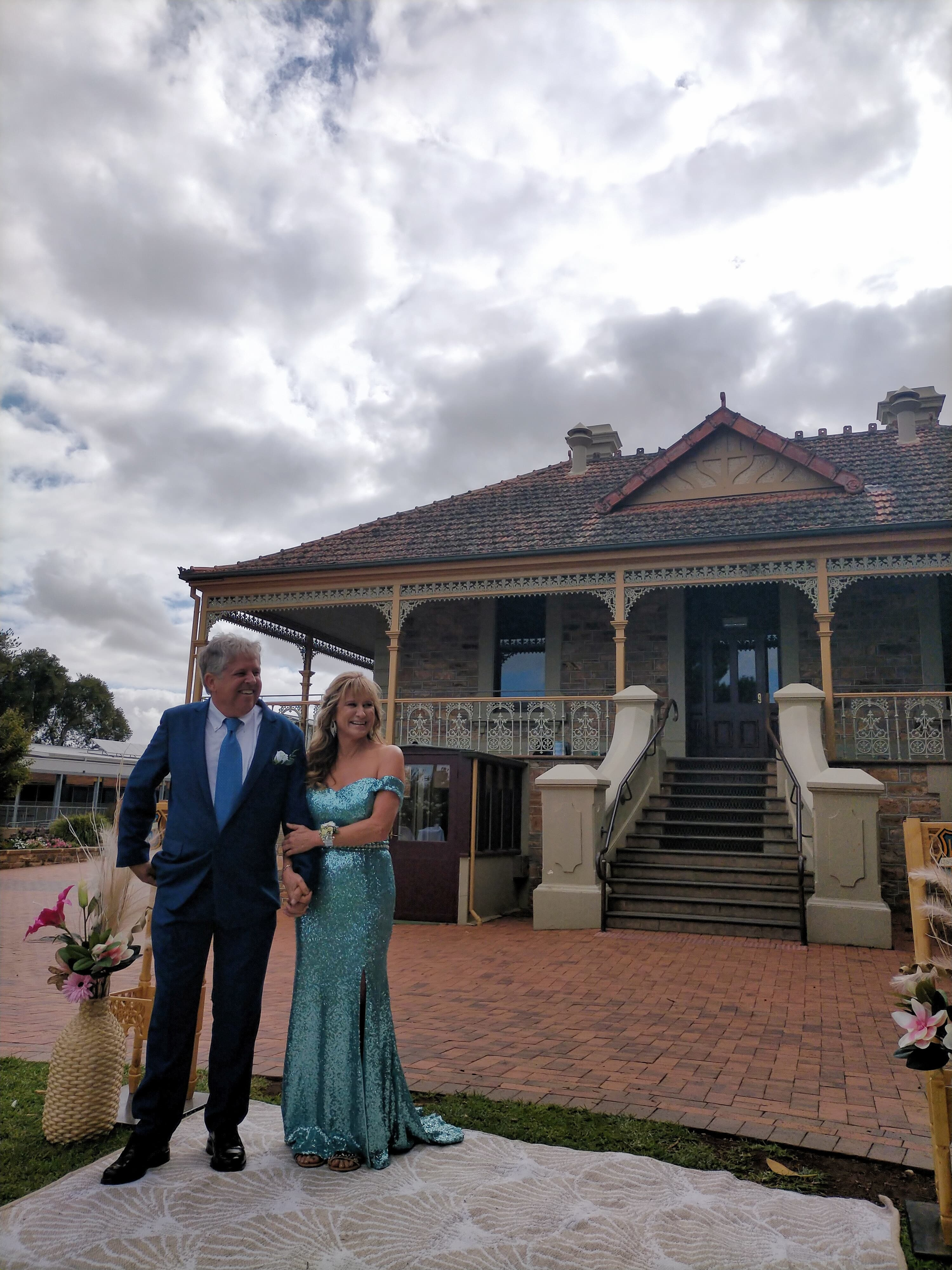
But among my cherished memories of you is another at Dutton Park. However, this occasion was not for footy or cricket, but the day Claire and I were married. Your speech was elegant and heartfelt and affecting. It told our story well and was about devotion and joy and family. Thank you so much for that.
Tonight’s also an occasion of devotion and joy and family so on his eightieth birthday let’s make a toast to Bob, Poppa, Dad. We love you. To lemons, lawns and love!
We’re doing a lap of Kapunda because it’s probably illegal to come home and not.
So, Lukey and I drive up to Gundry’s Hill. We’ll then swing by the Prince of Wales for a brisk beer before heading to the footy.
We hop out and wander around the grassy knoll. The sky is cloudless, and the rolling hills and crops are a reassuring green.
Glancing about I wonder does everywhere look better from a bird’s eye? Does it always provide a heavenly view? Ascending, do our earthly imperfections vanish?
What happened as we grew up in our town, nestled in that mundane, enchanted valley? Everything and nothing. It was hot and dusty, and cold and muddy. Can you be atop even the smallest hill and not become philosophical? Is private awe guaranteed?
Seeing the whole helps me remember the grainy episodes and to time-travel. I locate the spire of St Roses Catholic Church and it’s midnight mass and I’m an altar boy with lads who, for Father Moore, didn’t always behave like altar boys.
My eye finds the tiny primary school oval. I remember lunchtimes and my classmate Grant Dodman kicking what eleven-year-old me regarded as impossibly prodigious torpedo punts.
What do those from flat towns like Freeling do? How do they access a dreamy perspective?
With this elevated silence on Gundry’s Hill comes warming gratitude. I again gaze out across this modest, little town.
It becomes gentler and postcard-pretty.
*
Between the four pubs of the main street and the oval sits the Duck Pond. Although we knew the family well, nobody I know uses the official name, Davidson Reserve.
This ornamental lake was witness to youthful distraction. As with any locality on a map the geographical value is in the personal narratives.
Undertaking our compulsory tour of our hometown’s landmarks, Lukey and I pause and ponder by the water.
It’s suddenly our teenaged 1980’s.
I remember the cars we owned and can see them clustered conspiratorially by the Duck Pond. There’s Trisha’s Hillman Imp, all English and apologetic. Woodsy’s 180B in which one summer we did two ridiculous laps of Bathurst. My wife Claire’s (sadly our nuptials were a way off) little red and white mini, like an extra from Carnaby Street, London. There’s Lukey’s Alfa Romeo which aside from the then new Chinese restaurant in Nuriootpa, was the most exotic thing I knew.
The Saturday night vista is completed by a crowded used car lot of white HQ Holdens.
If I shut my eyes Stephen Trotta’s green Gemini has all the windows down and the Pioneer stereo volume up. A TDK C-90 cassette is playing. ‘US Forces’ by Midnight Oil blasts across the dark water and then we hear Mondo Rock’s moodily suggestive, ‘Come Said the Boy.’
As Dickens wrote, it was the best of times.
*
It’s a glorious late-winter’s day beneath the eucalypts at Dutton Park as the B grade footy concludes.
We’re here to see old friends and recount some well-worn tales. Woodsy, Keggy, Hollis, O’s. Fats and Chipper had called into Puffa’s. Whitey’s elsewhere.
Knots of timeworn faces huddle in front of the changerooms on the new wooden deck. Orange bunting separates us from the reunions of the 1973 B grade (Dad’s a member but can’t be here today) and Senior Colts premiers.
There’s something poetic about the equine term ‘colts’ for footy teams that’s much better than the numerical Under 17’s or Under 14’s. Looking over at the often less than sprightly reunionists someone says, ‘That’ll be us soon boys.’
There are folks I’ve not seen for decades like Kelpie Jarman and Peter Masters but the years melt away because we all lived in the same town.
I see three of the Mickan brothers in Goose, Drew, and Richie and have a quick chat with Macca. There’s much handshaking. By the canteen I bump into Fergy. In the morning he’s again off to Arkaroola and we share our experiences. Claire and I went there and to Hawker and Rawnsley Park on our honeymoon.
Early in the A grade Kapunda leads with three goals to two but then by quarter time it’s 13 majors to Angaston and not nearly enough for the Bombers. Nobody seems to mind for the air’s awash with nostalgia.
The first job, as always, when we congregate, is to organise the next event, so arrangements are made to visit Christmas Higgins’ brewery in Greenock. Before Christmas, of course.
I later learn that Morphettville race 9 is won by number 4. A seven-year-old bay gelding, its name is Angaston. And their team salutes too. By 25 goals.
But on the footy club deck it’s all chortles and familiar stories. Homecomings aren’t universally adored so I’m lucky to love these moments.
After the siren I drive south from this modest, little town.
So, today seven of us, who have deep connections to Kapunda, visited the pub for lunch.
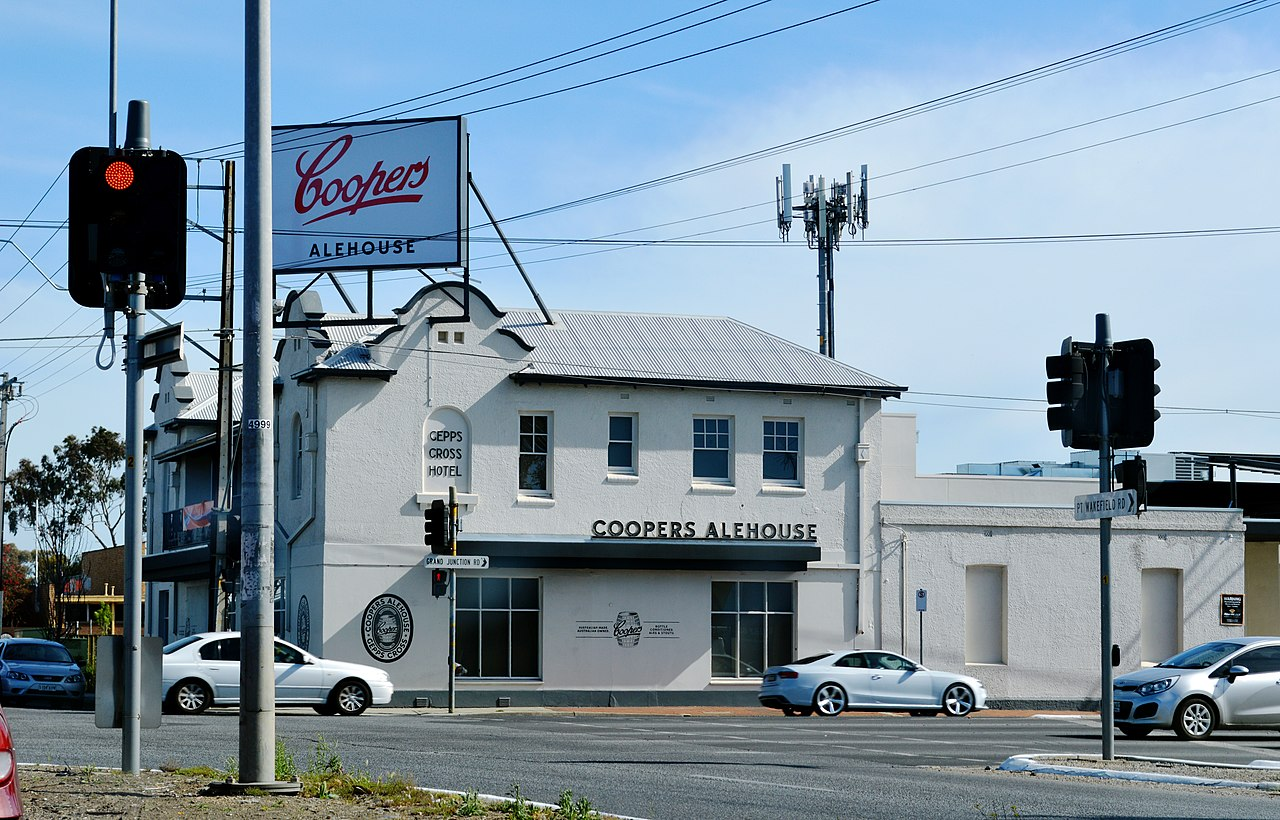
Here’s the answers to the quiz. The winner was Mrs. G. Cross of Gepps Cross.
Seven. Attendees were Crackshot, Swanny, Fats, Lukey, Woodsy, Stef, Mickey.
Yes, lunch began at 12.30.
No, incorrect. Everyone in attendance ordered a schnitzel.
False. Nobody ordered the Diane sauce.
No, incorrect. Everyone ordered salad with their meal despite the ‘no salad, extra chips option.’
True. Apparently, Fats ate most of his salad to the surprise of not just his lunchmates but all in the pub.
Three minutes. A new record time. That’s how long it took to disparage another Kapunda chap who wasn’t at the lunch but should have been. Sorry, Whitey.
Inexcusably home on his couch. See Question 7.
A goat. Lukey was elsewhere.
Four. The number of former and current Kapunda publicans mentioned over lunch. For bonus points in order these were: Nugget (Clare Castle Hotel), Puffa (Prince of Wales), Alan Meaney (Prince of Wales) and Unknown Queenslanders (Prince of Wales).
Four. Number of lunch attendees eager to play for Kapunda Cricket Club in the new year. This was announced after two beers and part way through the schnitzels.
One. Number of lunch attendees who will likely play for Kapunda Cricket Club in the new year (Woodsy: current A5’s captain).
Three. Number of attendees who went to the recent Adelaide Test.
Six. Number of second inning South African Test wickets to fall during our lunch.
One. Australian Test victories witnessed.
None. Number of D. Warner fans in attendance at lunch.
Three. Nostalgic and somewhat wistful mentions of cricket at Adelaide Oval during the 1980’s.
Eight.
One. Discussion of Greenock Schlungers (for those following at home this is the affectionate name for their local cricketers and not a German smallgood).
None. Bikies spotted. Whew. If you don’t count avid amateur motorcyclists Fats and Swanny.
72.7 kilometres. Distance from Gepps Cross Alehouse to Kapunda.
One. Beers needed for trip from Gepps Cross Alehouse to Kapunda.
14.7 kilometres. Distance from Greenock to Kapunda.
Two. Beers needed from Greenock to Kapunda.
Three. Number of attendees who drove up the river yesterday to look at the flood.
A goat. Schnitzels are incapable of deliberate physical movement.
I remember Eringa; majestic, homely, inspirational Eringa; our Eringa.
I remember English in the library and Geography in a bedroom and History in the maids’ chambers and Ag with Mr. Stephen Booth in a cellar.
I remember individual school photos in the foyer and given we were teenagers, everybody, absolutely everybody looked ghastly because we had inescapably horrific haircuts.
I remember the lone palm tree on the front lawn by the basketball court and thinking how glamorous and evocative it was of a tropical paradise.
I remember not getting out much as a kid.
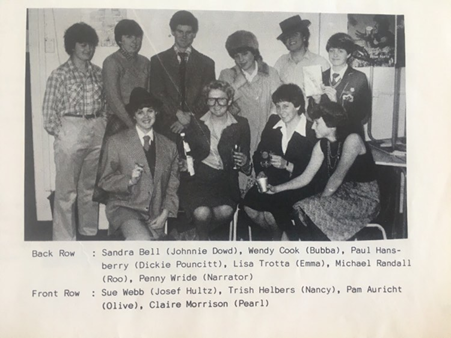
Hello, I’m Michael Randall and I’m proud to have attended Kapunda High School from which I matriculated in 1983.
I remember there was no canteen and students dashed after the Masters’ bakery lunch van by the changerooms and before it screeched to a halt fought like crows on a carcass to grab the rear door handles and be first in line.
I remember then wondering what was the greater danger for these van chasers: getting run over, or devouring two pies with sauce, a coke, and a Kitchener bun?
I remember the Year 9 bushwalking camp which finished with two nights at the Pines but eating all of my scroggin before we left the school gates. Okay, just the chocolate. Thanks Mum.
I remember each term finishing with a social at the Parish Hall on Crase Street where we played spin the bottle, heard ‘Video Killed the Radio Star’ way too often, did the Military Two-Step to ‘Eight Days a Week’ by the Beatles, and always, always had the last dance to ‘Hotel California.’ Indeed, as the Eagles said, you can check out of Kapunda High any time you like, but you can never leave.
I remember in Year 12 our infinitely lovely English teacher Mrs Mary Schultz chaperoning us through the novels of John Steinbeck and the poetry of GMH – no, not An Ode to a Clapped-Out Commodore – but the Jesuit priest and poet Gerard Manly Hopkins.
I remember an annual staff versus students footy match when in the middle of a pack a sharp yet widely noticed punch landed on a student’s jaw. Of course, the nameless umpire – who could have been a Ryan – yelled an ironic, ‘Play on!’ If a tribunal now met, the defendant might be allowed to lace up his boots in 2025, decades after his retirement from teaching.
I remember our Year 11 Careers trip and staying at the Goodwood Orphanage. At 4am one morning under Mr. Paul McCarthy’s watchful eye we went to the East End Markets to learn about zucchinis. After, it was time for breakfast. Being led through the front bar of the Producers Hotel towards the dining room we saw all sorts of supernatural faces who either hadn’t quite left the previous night or who’d caught the early bus in to make a start on their dawn Hock. But we’d gone on an official school excursion to the pub! Before sunrise! How great was this?
I remember innovations like vertical homegroups in which Years 8, 9, 10 and 11 were banded together as a happy family or depending on the students, like Yatala inmates.
I remember the PE teacher Mr. Geoff Schell leading the daily fitness revolution starring the Health Hustle which means if I now hear ‘Bad, Bad Leroy Brown’ or Toni Basil’s ‘Mickey’ I involuntarily slide on a pair of Adidas Mexico shorts and launch into some dreadfully uncoordinated star jumps. Of course, this is especially tricky if I’m driving.
I remember the compulsory wearing of a tie and needing to be careful with it in Tech Studies and over the stove in Home Ec. so you didn’t end up in hospital or worse: on the front page of both the Herald and the Leader, doubtless with your name misspelt in exotic and embarrassing ways.
I remember the Moreton Bay Figs by the oval which remain among my favourite trees.
I remember the yearly tradition of Charities Week when classes were suspended, and it was all about fun and fund-raising with go-carts on the tennis court and the Animal House-inspired Toga Tavern and emerging all dusty and dirty of face from the Ghost Tunnel which ran under Eringa and so, so many jars of guess the number of jellybeans.
I remember swimming carnivals and the awesome sight of our History teacher Mr. Michael Krips annihilating everybody in the staff and students race by doing a length of the pool in about six relaxed but massive strokes of freestyle.
I remember at the end of the day getting a ride to the primary school on Rexy Draper’s Hamilton bus to save me a longer walk home.
I remember the anticipation for school magazines and getting these signed during the last week of the year by classmates and teachers. Here’s an extract from the 1981 edition: Kapunda competed in Division 2 of the Interschool Swimming competition against Eudunda and Burra. Kapunda was not very successful at all. The Juniors and Seniors came third. We only had two first places for the night, Leanne Noack in butterfly and backstroke. On behalf of everyone here, thank you Leanne.
I remember a Freeling student baking a cake in Home Ec and being told by Mrs. Wendy Trinne that he’d forgotten to include an egg, so what did our pupil do? He flung down the oven door and just on top of the nearly done sponge cracked open one large bum nut.
I remember staff and students cricket matches, when batting at the Gundry’s Hill end, the occasion would finally arrive, and a certain teacher would flick it off middle stump, over the spotty fielders, over the boundary, over the school fence, over West Terrace, over the dusty footpath, over a neighbour’s front yard, and onto the roof of a white-washed cottage. Like a depth charge in a submarine movie. We all waited for it. He always delivered.
I remember PE classes doing archery on the oval.
I remember sitting in the Art Room and the roof rattling with arrows from a PE class doing archery on the oval.
I remember having a lunchtime disagreement on the croquet lawn with a Year 12 classmate when at the height of our quarrel, to her delight and my dismay, onto the slender shoulder of my grey Midford school shirt a passing bird dropped a warm, yoghurt-like blob.
I remember losing that argument to my dear friend Trisha Helbers.
But I remember my joy in April of last year when on that very same croquet lawn I married my wife Claire.
I remember being scared on my first day in Year 8 and in Year 12 being sad on my last.
I remember hearing a teacher interviewed on the radio years ago and the announcer saying thank you because you create lives.
And I remember thinking how very true this is for those of us fortunate enough to attend Kapunda High School.
During Saturday’s breakfast on the patio, I popped the needle on Olivia Newton-John’s Greatest Hits.
Instantly, I was six years old and back home in Kapunda. Mum and Dad’s lounge room is again wallpapered, the TV’s black and white and the carpet is burnt orange. It’s winter, and I’ve got on my footy boots. They’ll be on all day.
When Mum and Dad downsized, all the family vinyl came to me and since taking delivery of a retro record player at Christmas I’ve been happily swimming in nostalgia. Some of the albums had been untouched since 1988.
ONJ features prominently on the soundtrack of my childhood.
*
The second song on side 1 is, ‘Banks of Ohio’ and this transports me to a still, musty room on Hill Street in Kapunda. I’m still six and strumming a guitar during my weekly lesson, while the massively patient teacher, Deborah, helps my fingers to stretch across the chords. I love the idea of a guitar and singing, but the latter is galaxies beyond me and my gruesome tone deafness.
ONJ does the definitive version of this nineteenth century standard. Her voice and the melody are bouncy, and I always loved the basso backup of celebrated singer Mike Sammes who subterraneously echoes Livvy’s, ‘where the water flowed.’ Sammes also contributes on, ’Let Me Be There’ and ‘If You Love Me (Let Me Know).’
Trying to sing along with Deborah, I’m a little anxious about the lyrics. The narrator declaring that she, ‘held a knife against his breast’ is squirmingly grown-up and I vow to avoid this so-called Ohio River. Bad stuff happens on its distant, murky banks.
Nowadays the tune would come with attendant humourless warnings: adult themes, graphic violence, and persistent mention of a river that enjoys confluence with the Mississippi in Illinois.
The song’s a murder ballad.
*
Sipping coffee out the back and then emerges gently from our turntable the 1975 Grammy winner for Record of the Year. As it plays across the garden we discuss ‘I Honestly Love You’ with Claire suggesting it’s ‘depressing’. I counter that it is certainly pretty although I’d always viewed it as a disposable love song.
On it Livvy’s voice is beautifully warm and pure, but not drenched in palpable sadness. It bathes the listener in sunlight. But as with much music there’s a disconnect between the medium and the message.
Hearing it as Mum played it at home and on the car AM radio, my generation’s all logged many hours in its company. But following breakfast last Saturday we were moved by repeated listens and became profoundly aware of its narrative intensity.
As we learn both characters in the song are trapped by marriage, and unable to be together. The lyrics are by Peter Allen, who at the time of composition, was married to Liza Minelli but had fallen in love with a man who was similarly stuck.
I’m hesitant to see all texts as autobiographical because sometimes stories are just fictional. Not everything is inspired by real life. But there’s a good case here.
The opening verse is disarming: tender, vulnerable, brave. I imagine our main character talking in a café or a park.
Maybe I hang around here
A little more than I should
With this we’re instantly eavesdropping on a private confessional and there’s tension as ONJ sings, ‘I got somewhere else to go’.
While the chorus of, ‘I love you, I honestly love you’ is necessary, the verses and the bridge are superior because these are where she reveals the story. The characters remain ageless, genderless, and timeless.
In the second verse we hear, ‘Maybe it was better left unsaid’ and this second ‘maybe’ confirms our narrator’s nervousness. Her vulnerability is crushing, and we all know a bit about this. The repetition of ‘chance’ in the third verse shows how powerless they both are in this sometimes-cruel universe.
How can I have been unaware of all of this since I was a child?
The way the strings soar in the final verse is stirring while a harp is used sparingly but to great effect. It lifts a tender song to an enhanced fragility. The eternally imponderable is here too in
If we both were born in another place and time
This moment might be ending in a kiss
But there you are with yours and here I am with mine
So, I guess we’ll just be leaving it at this.
The last line is only superficially dismissive of their plight and given the emotional stakes of the story is also deeply ironic. If we view the song as a monologue, it’s dramatic and affecting.
I love rediscovering old music and reaching a new, heightened appreciation.
*
Of course, many of ONJ’s songs feature women who’ve relinquished or make no claim on their rightful power. These are females for whom life appears to happen rather than be controlled. ‘Sam’ and ‘Please Mr. Please’ are key examples. Claire suggested that maybe ‘Physical’ was in part ONJ actively promoting a feminist perspective.
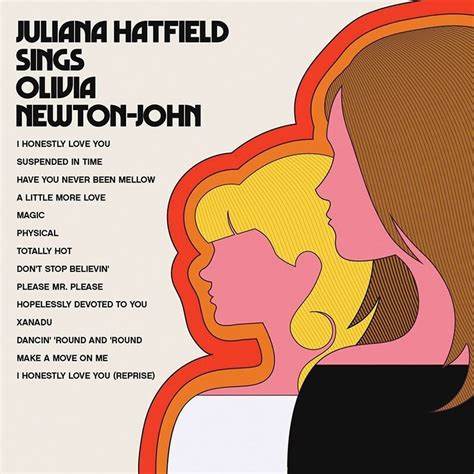
Students of ‘I Honestly Love You’ will know that it features in Jaws just prior to Amityville’s second shark attack but I prefer to reference the 90’s indie singer Juliana Hatfield who, in 2018, produced an album of ONJ covers. She remarked that
‘I have never not loved Olivia Newton-John. Her music has bought me so much pure joy throughout my life.’
And I agree when she goes on to say, ‘Listening to her is an escape into a beautiful place.’





























 mickeytales