
The most magnetic pub in Norwood is The Colonist. Its exposed ceiling beams and ducts, and unplastered, aged walls give it a vintage aesthetic. Claire and I made the staccato crawl along Currie Street, through the parklands, and onto The Parade. Turning into the pub carpark, the golden light pushing from the windows into the darkening July evening set a welcoming tone, a hostelry hug.
I’d booked a table by the fireplace and spent the working afternoon congratulating myself. I chuckled as I imagined Claire by the crackling flames melting into her Chesterfield, nursing a pepperminty Coonawarra cabernet, and smiling at me with involuntary, eternal appreciation. However, proudly marching us into the fireplace room, we stop and grimace as it’s more like a shopping centre café with severe, unforgiving lighting and utilitarian tables. It had less appeal than the pool chemicals aisle at Bunnings.

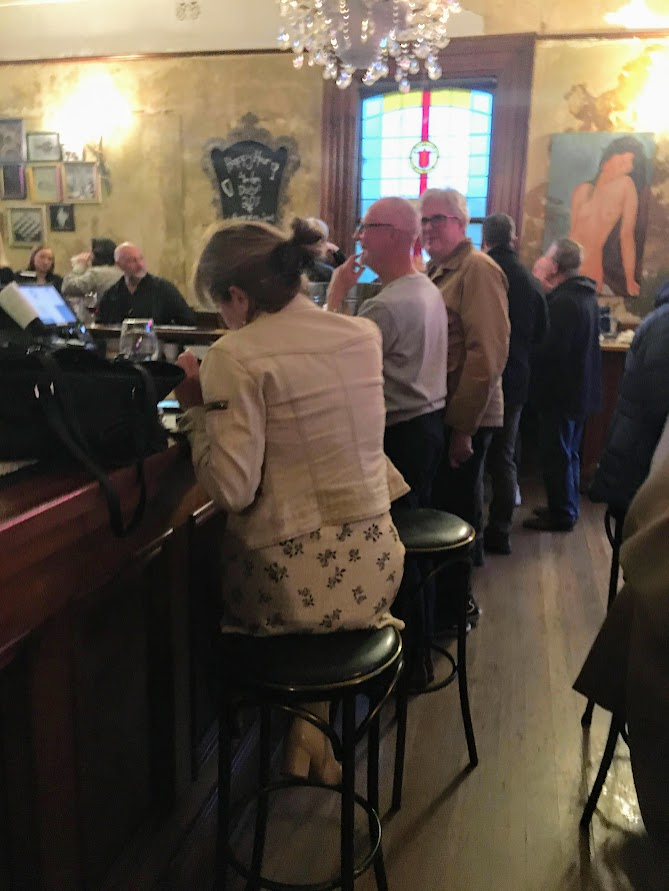
Stools were urgently pilfered and we claimed a spot at the bar. With white wine and a Pirate Life ale (R) in front of us, we unwound into our visit and dissected the surroundings. The absences were gladly met. No TVs, no thumping house music, no maddening distractions. Just a pub bursting with punters. Occasionally, it’s elevating to be slap in the middle of the bellowing din, to be among boisterous strangers, and relish their anonymous shouting and thrumming oomph. A young, beardy man offered us oysters from a tray. ‘No, thanks,’ we chorused, glaring at the cold globs of snot.

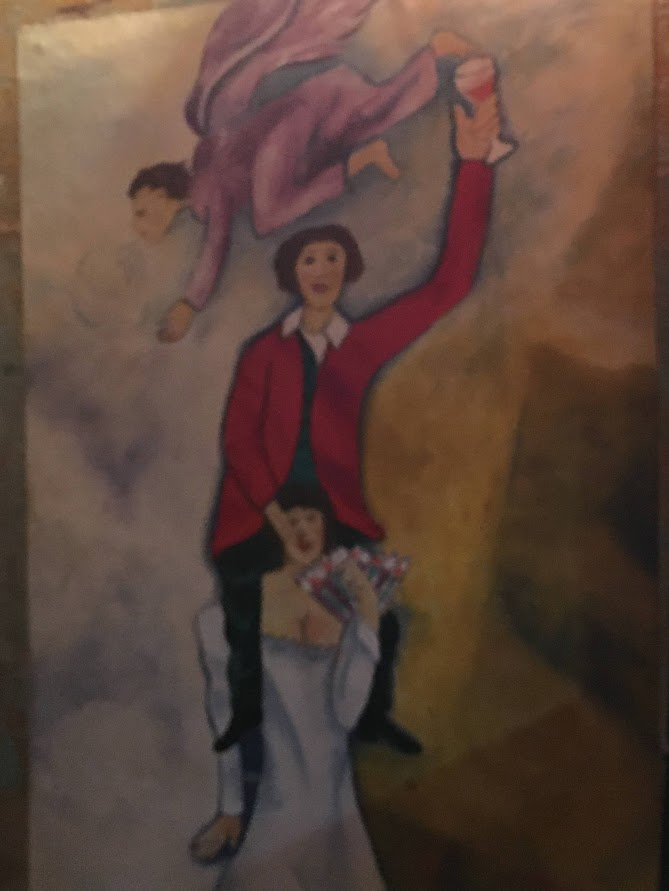
Contrasting with the naked women artworks decorating the pub innards was an interesting image. ‘See that picture on the far wall,’ I said pointing like a self-pleased museum tour guide, ‘that’s similar to a famous album cover.’ Claire surrendered to my mansplaining, powerless. ‘It’s like the album Goo by Sonic Youth.’ A great record, the cover art’s inspired by Maureen Hindley and David Smith, key witnesses in the 1966 Moors Murders trial involving a couple of (crazy) Mancunian serial killers. ‘Thanks for that!’ Claire could’ve chirped.

We returned to our endeavours which being a Friday approaching six o’clock meant our second and final (boozer) drinks. Mystery Pub issues a license for us (Claire) to be alcoholically adventurous — this monthly boldness finds expression in cocktails. The arrival of a concocted refreshment is an event — her Long Island Iced Tea comes with aromatic New York cool and dreamy Gatsby evocations. Claire takes a purposeful sip. Then another. Her assessment: blah.
A camel plops in the desert, the caravan moves on.
Zinging along Greenhill Road and homeward bound (I wish I was) when a deplorably monstrous truck — a ute, to you and me, Gladys — veers into our lane. On its whale-sized rear bumper were two stickers. One read: Pray for America. Neither Claire nor I could tell if this came with irony or sincerity for Friday night, as we all know, is not the time for considered subtextual appraisals.
The other was for Alabama’s Crimson Tide — the college football team Forrest Gump played for — not a sticker you often spot on Adelaide utes. The Crimson Tide is mentioned by 1970’s act Steely Dan on their Aja album in the song ‘Deacon Blues.’ It’s about elegant failure and I thought of my fireplace booking and Claire’s Long Island Iced Tea. The chorus goes
Learn to work the saxophone
I, I’ll play just what I feel
Drink Scotch whiskey all night long
And die behind the wheel
They got a name for the winners in the world
I, I want a name when I lose
They call Alabama the Crimson Tide
Call me Deacon Blues.
Safely home in my wicker chair, beer in hand, Aja spun on the turntable. ‘Deacon Blues’ glided about the living room — to my delight, if not Claire’s. Mystery Pub had begun at The Colonist, but we’d detoured to far-flung Americana. This was intriguing and soaring.
 mickeytales