0

Five Things That Made My Saturday

Saturday afternoon and I’m home alone. Chores are in hand. Nothing on TV and the book I’m reading, the collected stories of cult American author, HP Lovecraft, is more medicinal than recreational, so it sits untouched by our bed.

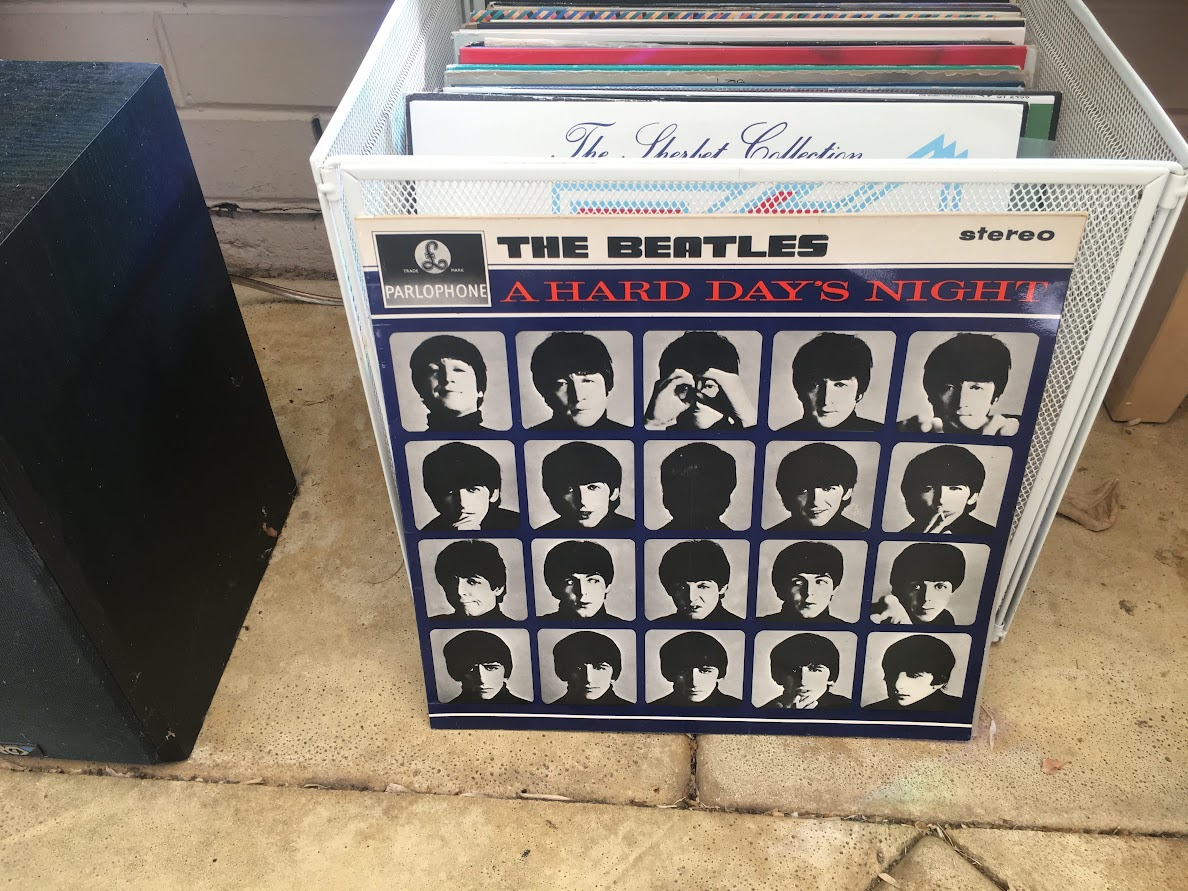
On Record Store Day (globally recognised on April 19th) I swung by Mr. V’s on Semaphore Road, and because one of the very best ways to invest half an hour is by listening to a Beatles’ album, I bought this. The music transports me to my childhood. It remains thrilling and urgent and while Paul is my favourite, I can understand why George Martin, their producer, commented that of all the great things he got to do with the Beatles, his absolute preference was mixing the vocals of John. As I type, the album’s on and it’s utterly joyous and innocent and compelling.
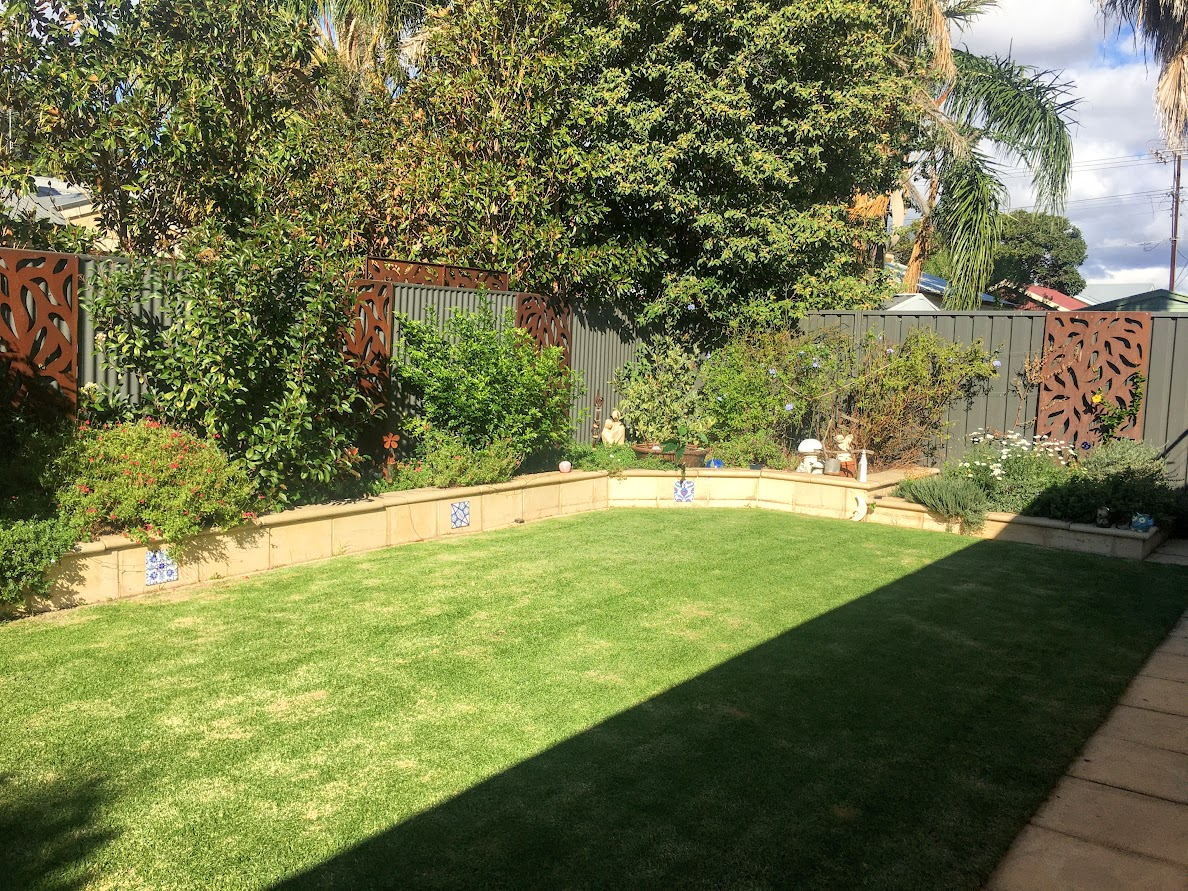
I love our backyard. And the time of peak admiration is, of course, in those first minutes after it’s been mowed on an autumnal afternoon. The breeze is coaxing the trees and shrubs towards folksy dance and there’s bursts of birdsong. I’m in debt to Claire who, with her artistic eye, designed and brought our garden to painterly life. Later, I may sit out here with a quiet ale and admire the view.

I purchased Glenelg Footy Club’s 2023 premiership jumper at Adelaide Oval during last year’s finals for tuppence and my appreciation of this simple item is twofold. Yes, the dual flags (nice win yesterday over Norwood in the Anzac Day grand final rematch with Lachie Hosie kicking eight goals) but the guernsey is my default running top. It’s frequently a conversation starter and when I’m on the beach in the morning a passerby will sometimes say, ‘Go Tigers’ as we puff by each other. I had it on this morning at the Patawalonga parkrun (my 110th, the 200th such local event and day number 729 of my current streak) and it was a fun 5k (24.49 which is decent for me). I’m grateful for footy and running.
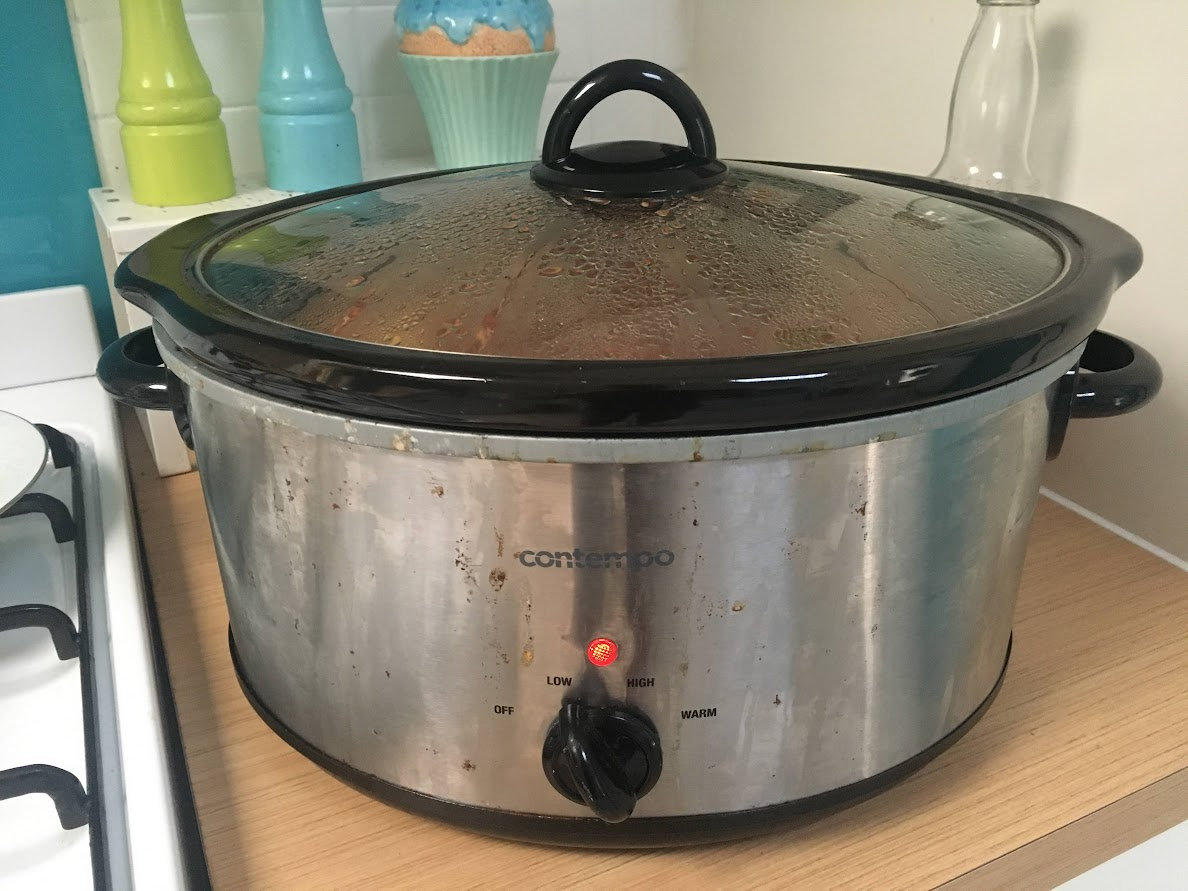
Dinner is slowly cooking in the slow cooker. Which is what the label promised, Mr Spock. It’s a beef casserole and I look forward to it. I assembled it late morning with the help of a Ball Park Music playlist. Can you remind me to throw in the beans around six o’clock? Thanks.

It’s a bit of a narrative but Claire has been in receipt of red wine. Needing some for the aforementioned dinner, I opened a bottle of the 2005, McLaren Vale. This was done with nervousness for I anticipated it might have aged as well as the K-Pop song, Gangnam Style.

How is it? It was a little cantankerous during those early minutes, but I commented to Claire that if I’d been trapped in a bottle for twenty years I would be too. I slopped a few generous glugs into the cooker and popping into the kitchen across the afternoon, both casserole and plonk are doing well.
0

Iconic Instants in Rock Music


guitar

No, not Elvis gets his guitar, or Mick and Keef meet at the Dartford train station, but snippets of sound from within songs, that punters sometimes scramble to identify at quiz nights.

A Hard Day’s Night- the Mighty Opening Chord

Revealing a curious etymology, there was both a film and an album ready to go, but the Fab Four were told that it’d be incongruous for there to not also be a song.

With the title originating in a Ringo malapropism, Lennon composed the track in an evening, and the following day, refined the lyrics with help in a taxi on the way to the studio. The song was recorded in three hours. It starts with untouchable majesty.

George Harrison’s Rickenbacker generates most of the moment, but each Beatle contributes to its revered musicology. As with much art there’s a secretive, unknowable complexity behind it. Instantaneously recognisable, but also mysterious in its alchemy, one academic, Dominic Pedler, dedicates a sizable chunk of his 800-page volume, The Song Writing Secrets of The Beatles, to the chord, and lists twenty-one compositional possibilities.

In one theory Pedler deploys a process called a Fourier transformation: the decomposition of a sound wave into its constitute pure tones- as modelled by sine and cosine curves- to come up with a scientific solution.

But, for me, the tale of this thrilling chord is its cultural potent. It’s both a daring announcement and a promise. Innocent and eager, it exemplifies the Beatles’ giddily evolving confidence in both their music and social power.

That the guitars are slightly out of tune only magnifies the charisma, and suggests a bouncing mid-summer walk along London’s Oxford Street, in the bright, blossoming city.

It’s an aural intoxicant.

Paradise City- Whistle Blower

When Elvis first gyrated his hips on TV, I’m sure that in countless homes the first rock obsessions were also born. A few decades later, in the unspeakable 1980’s, a particular Guns ‘N’ Roses fan from Lafayette, Indiana- Axl Rose’s home, too- began investing time and not inconsiderable money touring the world to claim an elusive plastic whistle.

Of course, he’s seeking a concert souvenir: the whistle blown and nightly thrown into the crowd at the 1:21 mark of “Paradise City” from Appetite for Destruction, the album so beloved by aging leather jackets and Triple M music directors. So far, our trophy-hunter’s been unsuccessful. His cabinet remains bare.

In this moment, there’s juxtaposition at work as the song transitions from its opening section and momentum builds. The anthemic tropes are present, but exhilaratingly assembled: pounding drums, driving guitars, and wailing vocals married to shameless subtexts.

Suddenly climbing above this grind and growl is the simplest addition: a lone whistle blast that invests the song with a military discipline, demanding both band and listener focus and follow. It also evokes the urgent start to a football match when the warm-up is done, and we’re in the huddle together, and it’s just us and them.

It’s a riotous call to arms.

The Tourist- The Mourning Bell

Radiohead’s OK Computer is an album of luxurious, sparkling gloom, best listened to through headphones at midnight. Its themes of nagging horror and emptiness are expressed with pristine melodies that seem to bend out through a Kubrick-like universe.

Once described as possessing “… soaring, operatic choruses, and a towering bridge,” the record is closed by “The Tourist.” Its dramatic context is a pending car crash, and over Jonny Greenwood’s guitar Thom York pleads for the driver, possibly himself, to “slow down” and as we wince against the grim inevitability, the roaring doom, instead we hear a tiny bell. What happened? Was there even an accident? And, if yes, of what ultimate consequence?

Again, TS Eliot is right.

What does this bell denote? Some suggest it’s the ding of a microwave, that millennial symbol of mundane gnawing consumerism; for others, it conjures an ancient typewriter in a nameless attic, signalling how this musical story, and our fragile human story is indeed, finished.

Irrespective, it’s a sonic conclusion of poignancy and uncommon beauty, befitting the preceding 53 minutes of searing maelstrom.

It’s a punctuation mark, but also a prayer.

axl.png