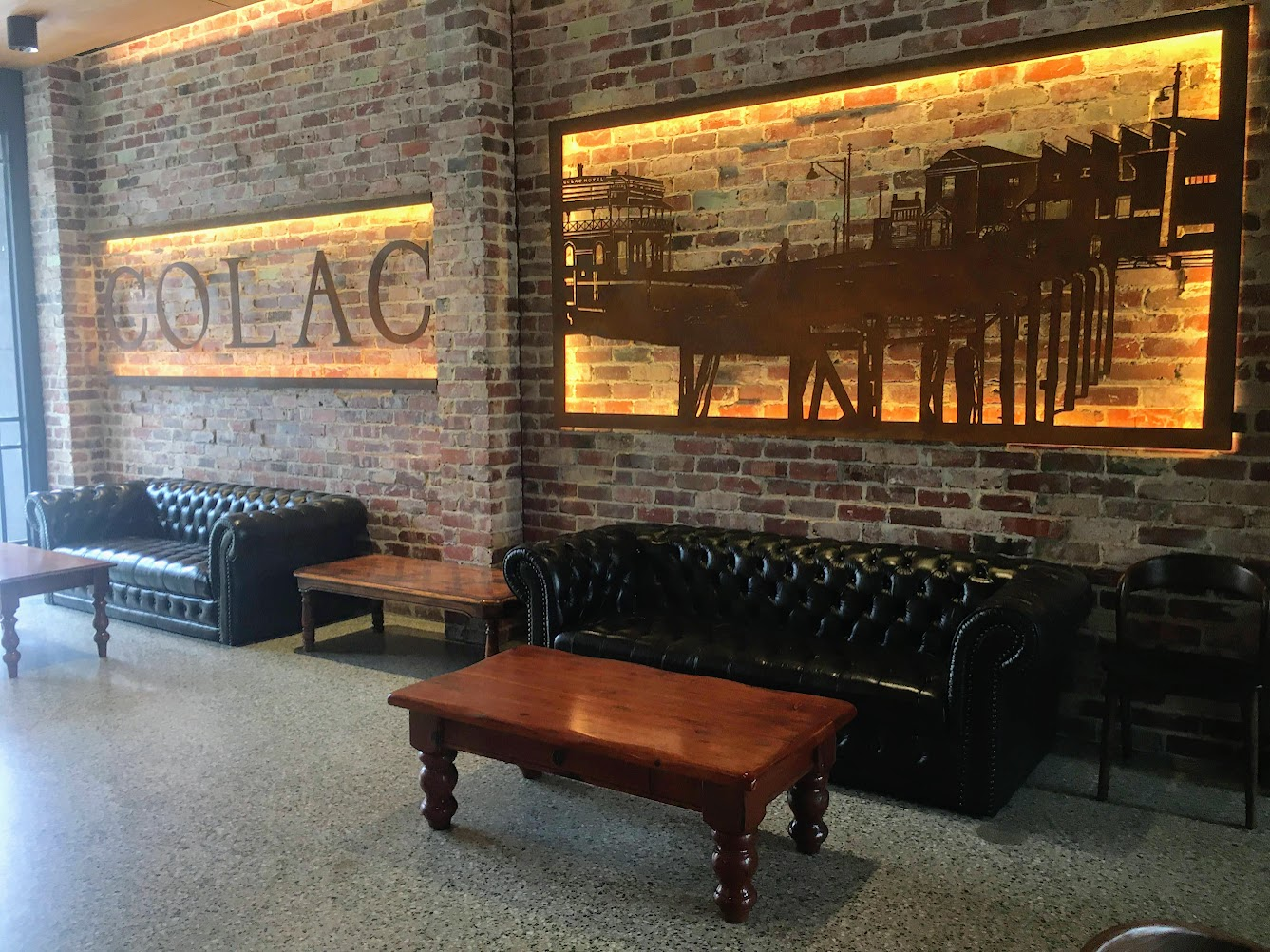
In a suburb stuffed with notorious pubs, The Colac was Port Adelaide’s worst. It was known as The Bloodhouse. It was abandoned for decades. The land around it formerly summoned The Great Gatsby.
This is the valley of ashes—a fantastic farm where ashes grow like wheat into ridges and hills and grotesque gardens
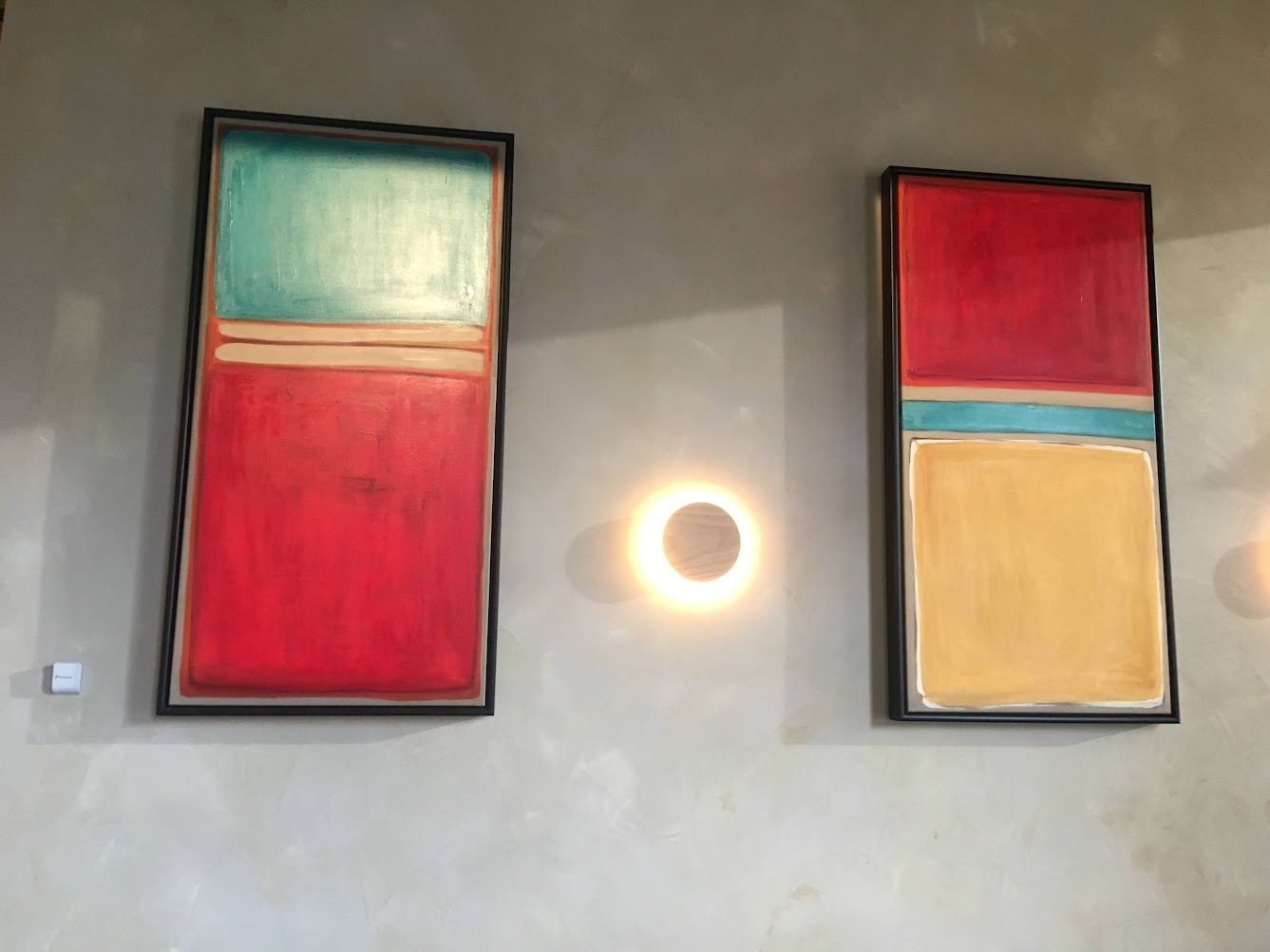
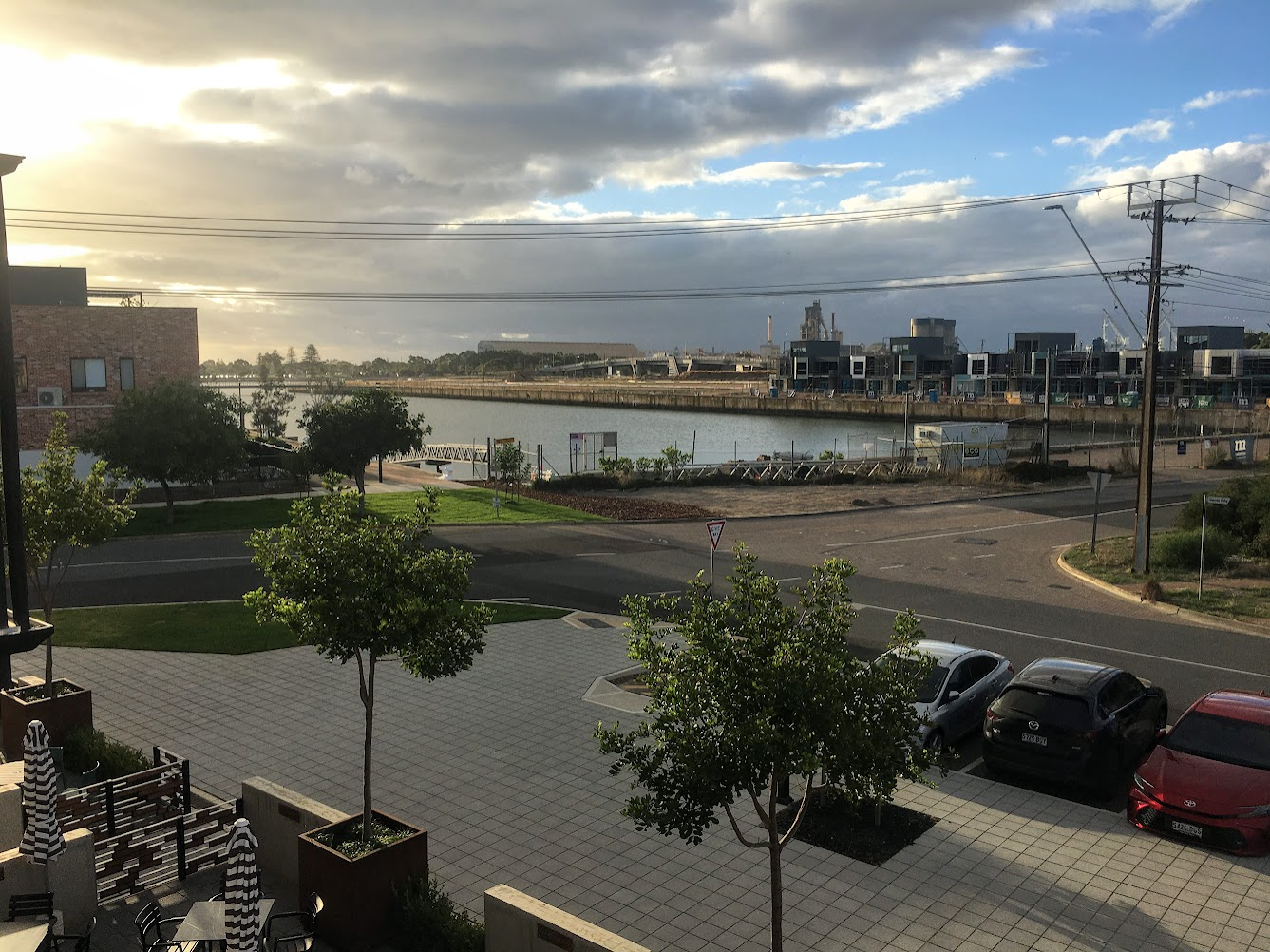
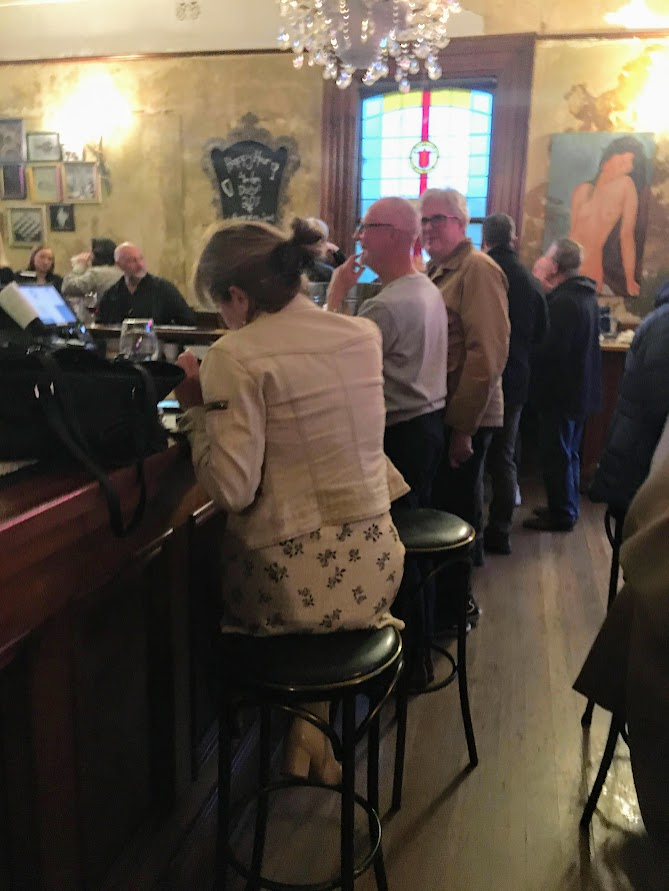
The pub has reopened and is splendidly appointed. Opulent furnishing, sublime art, strangely odourless air. Light drenches the two stories and three distinct spaces, having bent in from the becalmed Port River. Later jazz, a piano ready on the stage. Wagyu and other prized cuts in a cabinet.
The wait staff were welcoming but began yapping at us like terrier pups, having gone from attentive to nutso annoying.
How were the customary hot chips? Sprinkled with fetta, garlic oil, wolfed.
The Colac is now crowded in by eager rows of boxy terrace homes, like an English village. Is the invigoration of the Port finally underway?
*
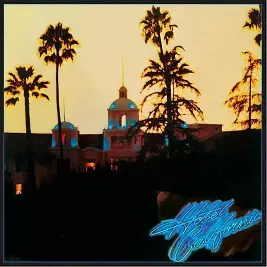
Home, with the dark descending. It’s my favourite hour for a vinyl album so I popped on Hotel California. Shoeless, Claire busied herself cheerfully. I plonked myself in a chair.
I read recently the title track is, among many other things, a reggae song. This genre is difficult to love due to its repetitive boing-boing. For me The Eagles’ tour de force is now tainted. I hope I can reverse this.
Clasping a refreshment, Life in the Fast Lane began with its sunset swagger. As Claire scurried in and out, I contemplated how the guitars are like a Chevy Impala hurtling down Mulholland Drive. The melody and the lyrics marry. When sound mirrors the meaning is this word painting the musical equivalent of onomatopoeia?
The penultimate track is the sun-kissed Try and Love Again, sung by the late Randy Meisner. He’s best known for Take It to the Limit, where his voice soars — arguably their finest. But the nightly demand of it became a private terror. ‘I was always kind of shy… They wanted me to stand in the middle of the stage… but I liked to be out of the spotlight.’ He quit at the zenith of their fame. How cruel to be haunted by your gift?
*
Saturday saw the next in this year’s succession of milestone parties. A 5.30pm start for our dear friend, JB. On the veranda, I wondered aloud to nobody that our social functions now conclude at the hour they once would have begun.
The theme was a reprise of her previous big celebration: come as the person, you’d like to be, so Claire and I both transmogrified to seventeen-year-olds. A school dress (Claire) and Kapunda High blazer (me). Are we misguided in wanting to be younger versions of ourselves?
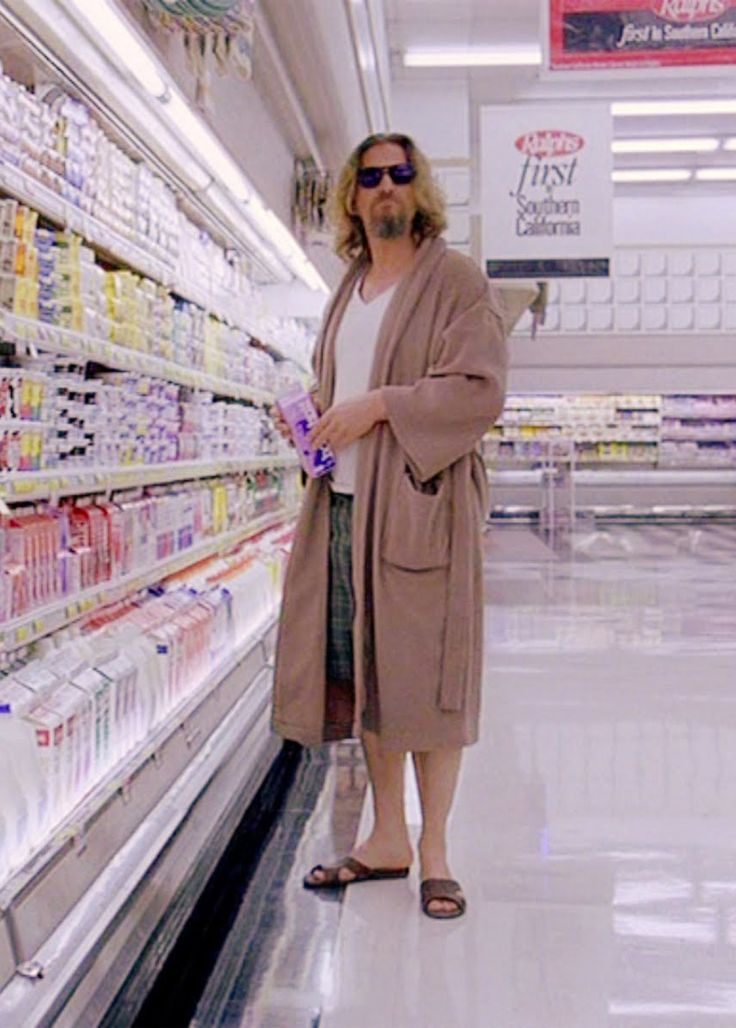
At JB’s 2016 birthday, I’d gone as The Dude from The Big Lebowski. He remains a profound inspiration but now proved too difficult to properly source, sartorially.
Across the backyard, Eagle Rock chugged. With Michelle’s kind kidnapping, I participated — trousers hitched. Later the song Mickey played. Trish performed a cruelly accurate impression of year 12 me doing the Health Hustle.
In the courtyard, they danced on, sweet with summer sweat — some to remember, some to forget.
Aside from Derek and Clive, Caddyshack, and late capitalism, old mucker Lukey and I natter and laugh about music. He played drums in 90’s Adelaide bands Imelda’s Shoes and Fuge. I remember my late-night excitement at hearing him keeping time on a song Richard Kingsmill introduced on Triple J. At 10pm on a Tuesday, it was fame by association.
Last Christmas, Lukey dropped off a stack of old vinyl — hefty, musty, and packed with sentimental promise.
*
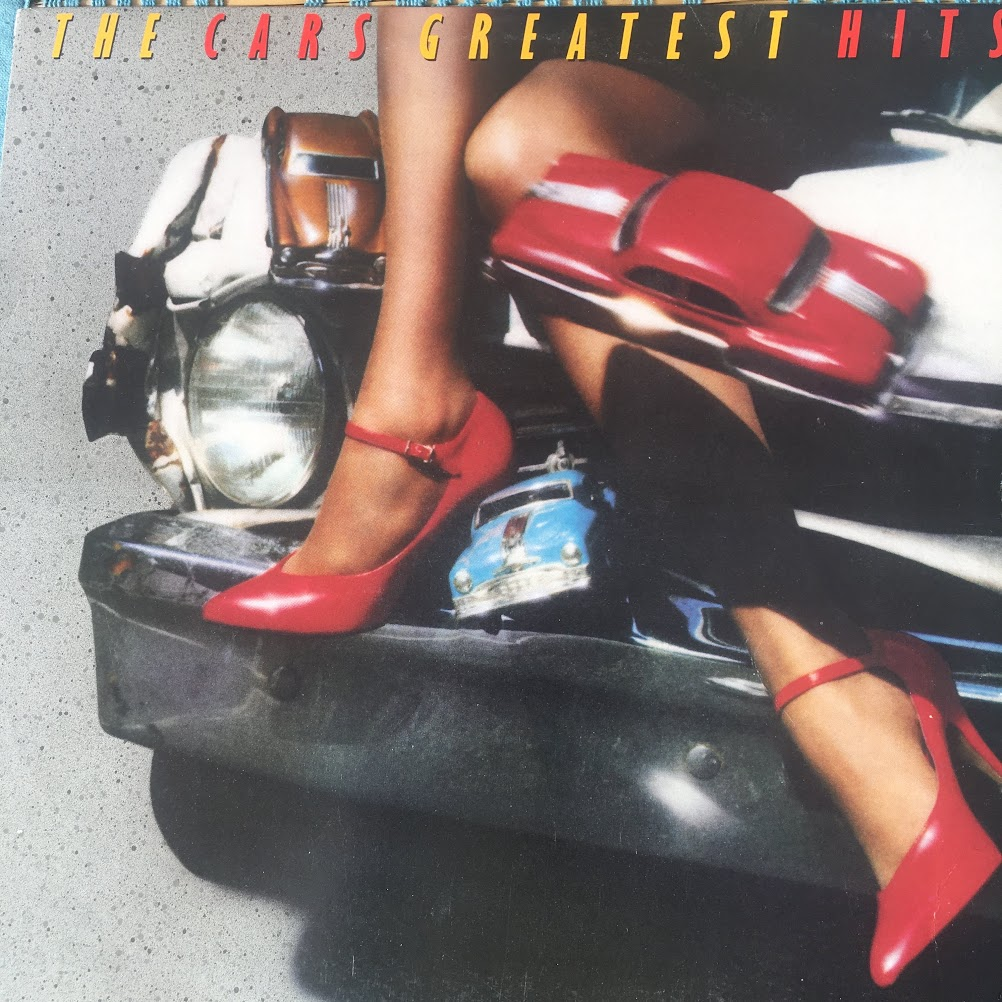
The Cars – Greatest Hits
I recall Shake It Up as a mood-lifter, and I’m sure the Grand Prix night of 1986 when Chrisso, Lukey, and I were in Nick’s unhinged Honda on the Freeling straight, there was plenty of brotherly love. Doubtless, The Cars roared out the open windows of that hatch-back as we hurtled past the darkened barley.
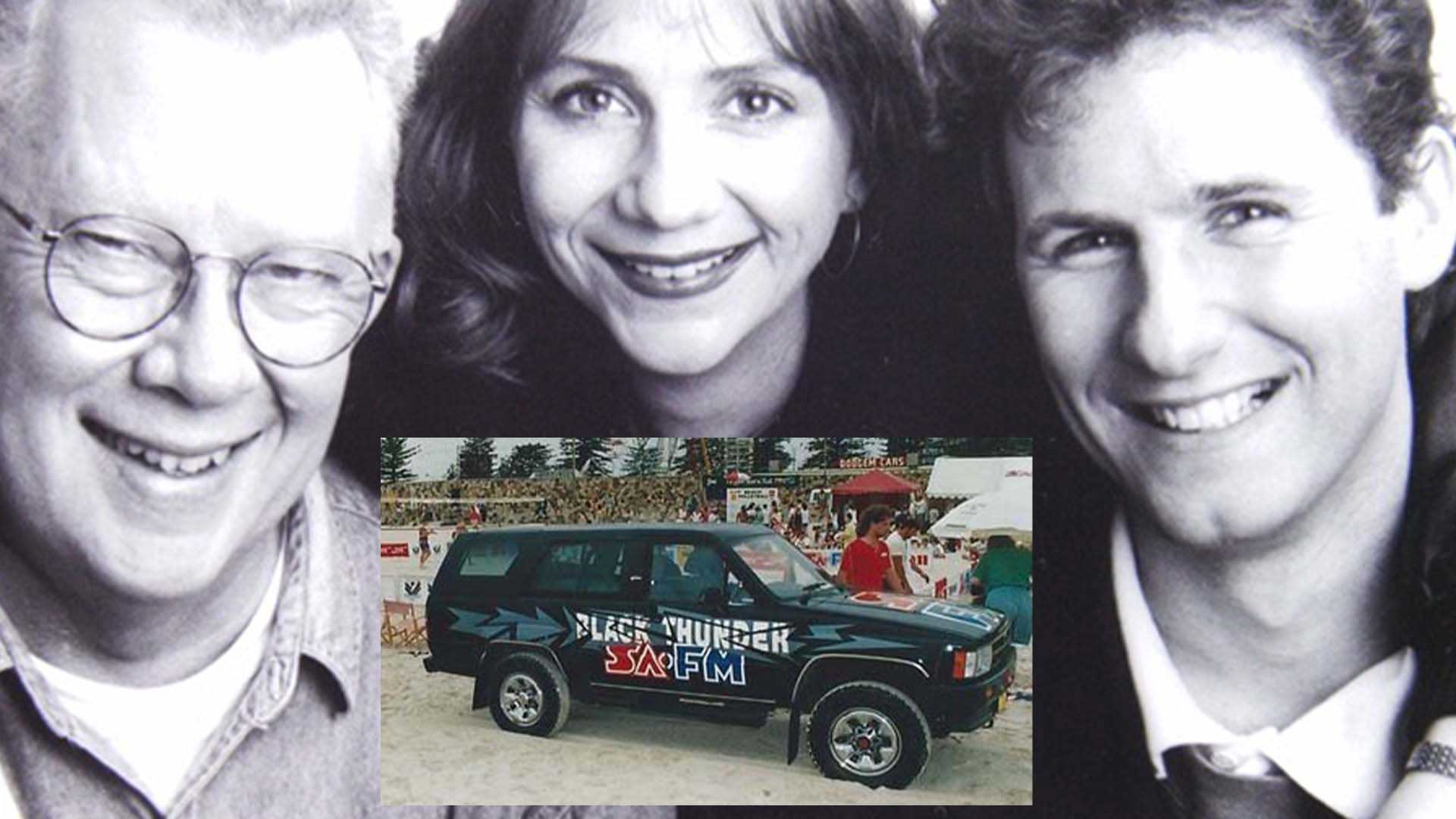
Can you imagine how many Triple Tracks of The Cars were rolled out on SA-FM across the 80s? If I had an icy-cold can of coke for each one then, well, I’d be diabetic and dead. I connect this Boston band with adolescent summers and oddly enough being in cars — like Nick’s Honda — rushing to the cricket, the drive-in, the beach at Port Willunga.
The songs are mostly upbeat with guitars and robotic Roland synths. Although I’ve made no deep investigation, the lyrics were the usual love’s good or love might be good or love’s a mess formula. Yes, mostly empty but we were nineteen, music didn’t need to be apocalyptic and Dylanesque. Solemn examinations of the human condition optional.
Uh well dance all night and whirl your hair Make the night cats stop and stare Dance all night go to work Do the move with quirky jerk
Given The Cars drove, err, in a tight lane, you could be forgiven for thinking it’s all the same song, but I like Just What I Needed, You Might Think, and My Best Friend’s Girl.
*
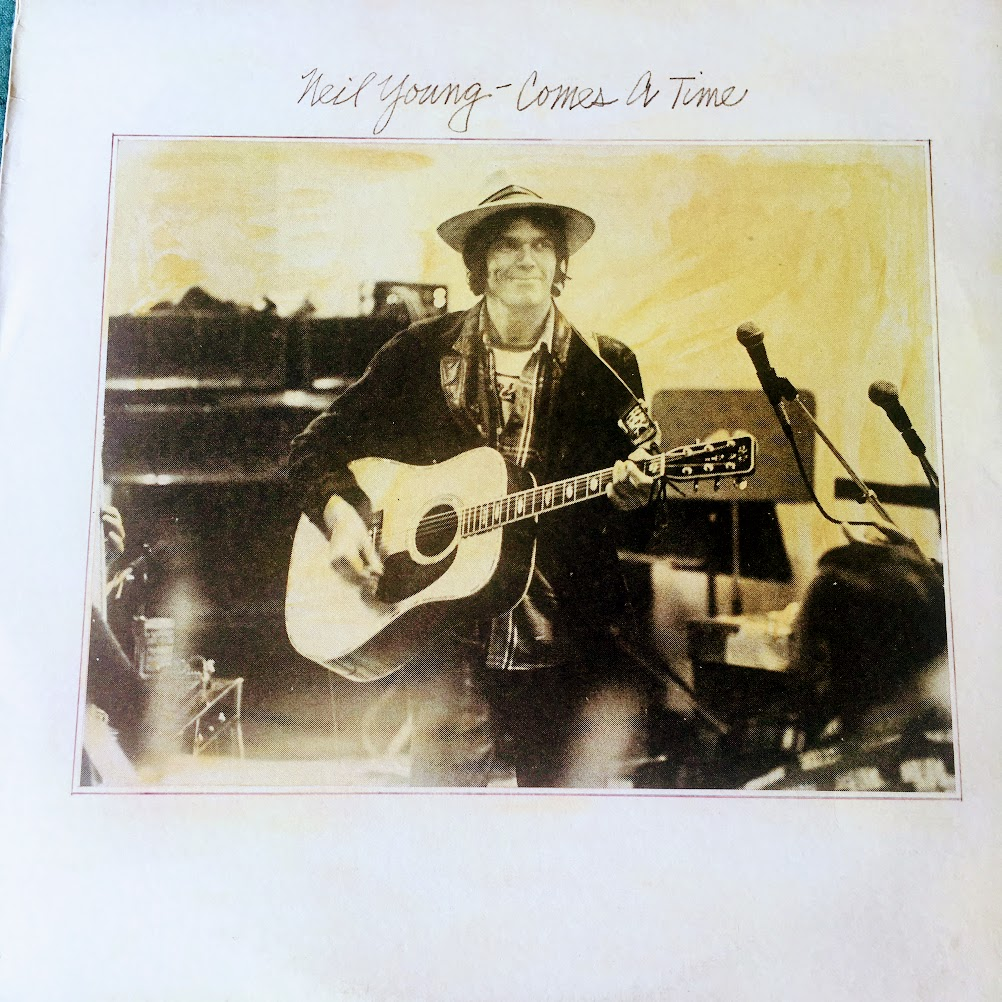
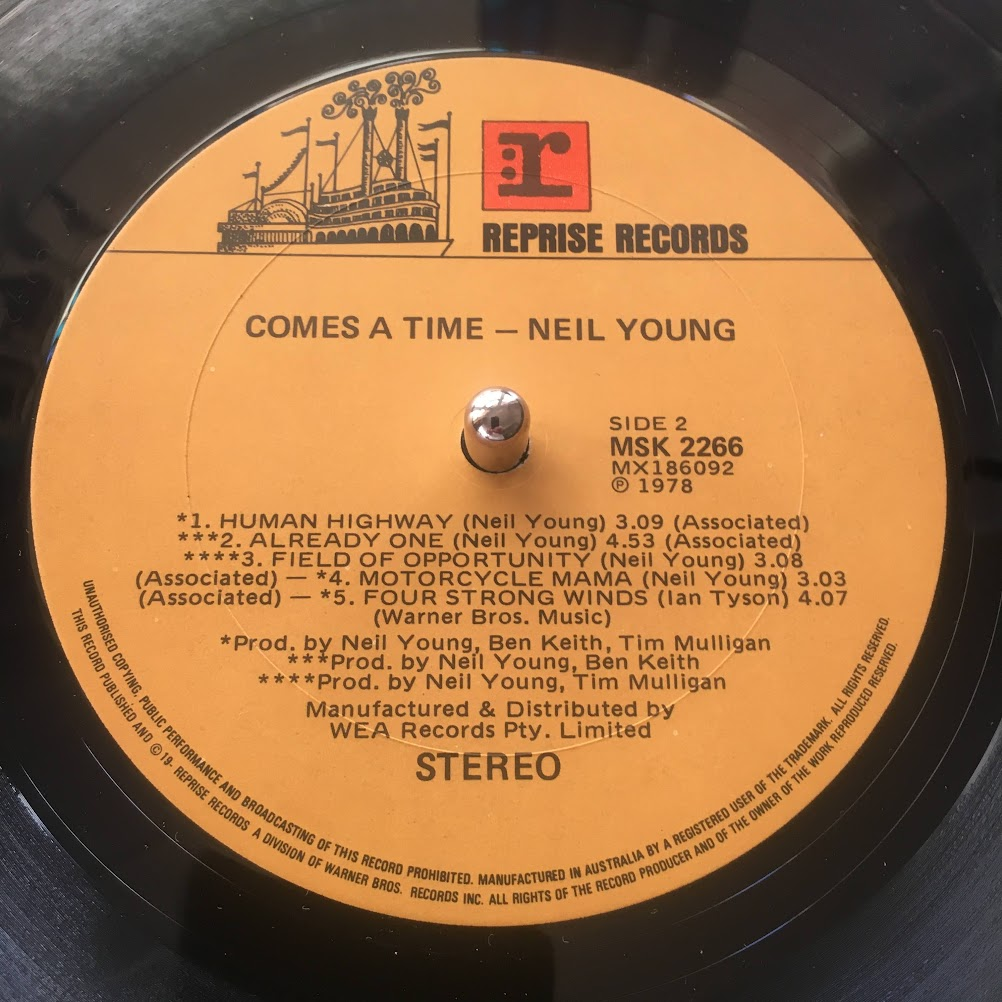
Comes A Time – Neil Young
The muted tone of the sleeve triggers a memory of a TDK C-90 tape, though I can’t remember who dubbed it for me. I was fourteen — an age when life arrives without notice. Side 2 could’ve been Glass Houses by Billy Joel. How does music find us?
Unlike his noise-guitar work with Crazy Horse, this is mostly quiet — occasionally country, but entirely Sunday afternoon.
Lotta Love is a favourite song from it. He sings in a fragile, upper-register voice that threatens to fray into a whine. But doesn’t. Nicolette Larson provides harmony vocals on it and across the album. She covered it soon after and it became her signature song. Melburnian Courtney Barnett did a worthy version too.
The title track, Peace Of Mind, and Four Strong Winds are other standouts.
*
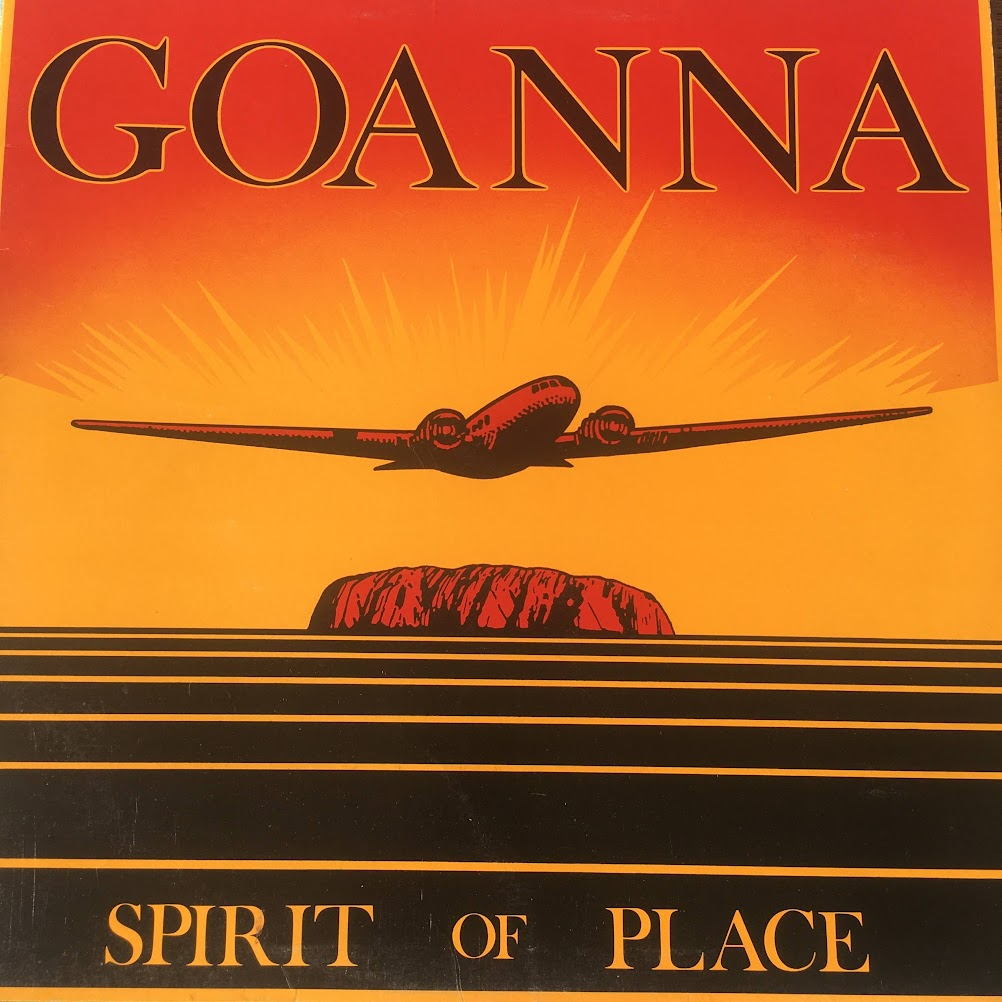
Spirit Of Place – Goanna
Arriving during the summer I turned sixteen, whenever I flick across my car radio at the lights and the urgent drums of Solid Rock pound through the speakers, I’m instantly back in hot and hilly Kapunda.
It was among the first pricks to my conscience regarding the harm caused to Australia’s original inhabitants. The satirical use of marketplace warned me that money could be more important than people.
Out here nothin’ changes Not in a hurry anyway You can feel the endlessness With the comin’ of the light of day You’re talkin’ ’bout a chosen place You wanna sell it in a marketplace, well Well, just a minute now
I haven’t dropped the needle on it since I had nut-brown hair, so I’m gladly startled by its warmth. Burnt country and ragged outsiders hang in the melodies. I partly expected it to feel dated, but the songs and the storytelling are timeless. Shane Howard’s vocals are gracefully commanding, all woodsmoke and Kimberley sunsets.
Razor’s Edge, On the Platform, and Four Weeks Gone are my top picks.
*
Thanks, Lukey, for rocketing by in the DeLorean/ Black Thunder to drop off my prize pack. I must’ve been the eighth caller through to Vinny and Cameron on SA-FM’s Morning Zoo. Vinyl isn’t just a nostalgia machine — the needle, the hiss and crackle come first, and then the music — and for a heartbeat, it isn’t the past at all. It’s right now — the way it found us in the first place.
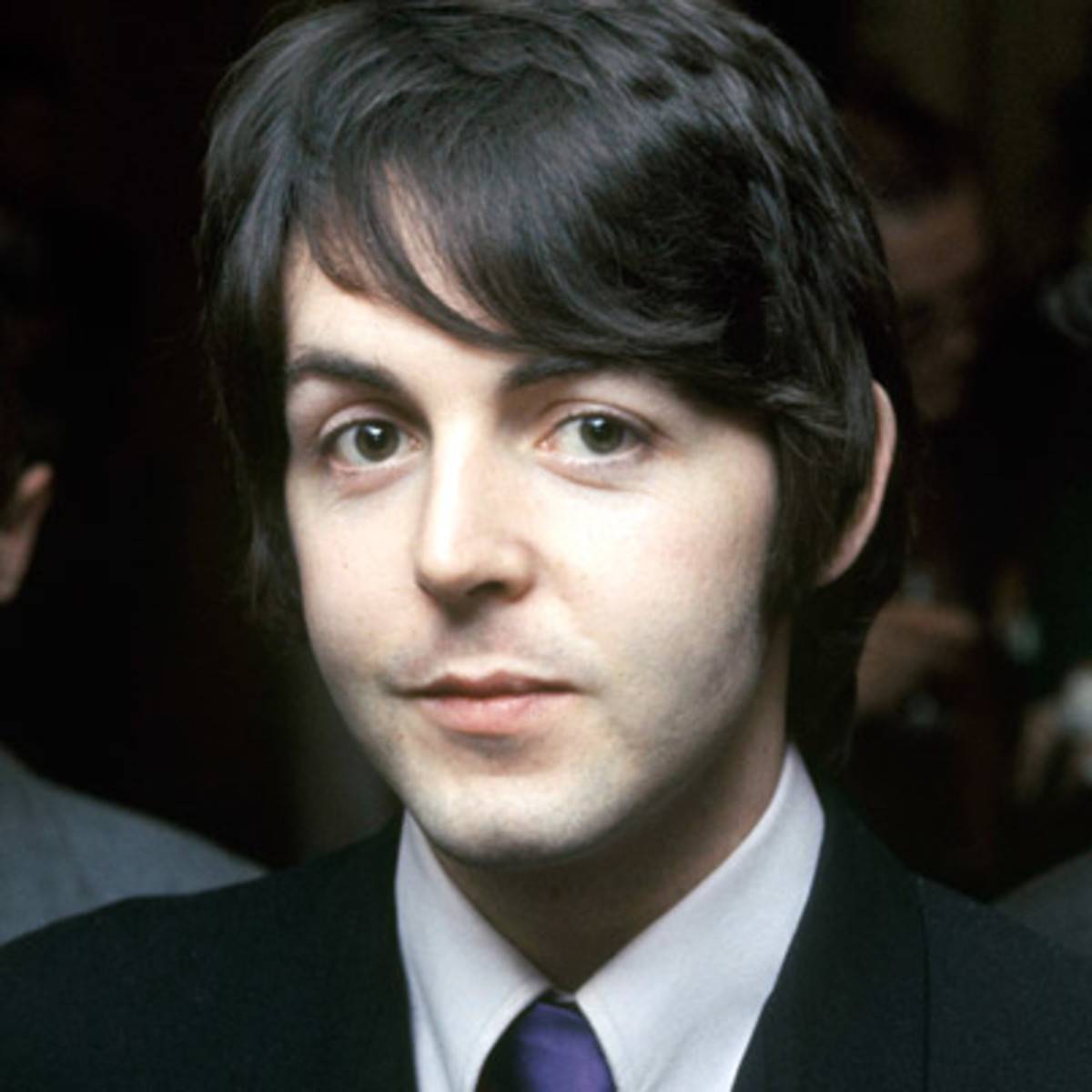
Scott Fitzgerald? Dylan? Richard Ford? These loom large. But, for me, the most significant cultural figure is Paul McCartney. I was reminded of this again last Sunday as I sat in a packed Prospect cinema watching the post-Beatles documentary, Man on the Run. It asks, what happens after you leave the most important band in the world?
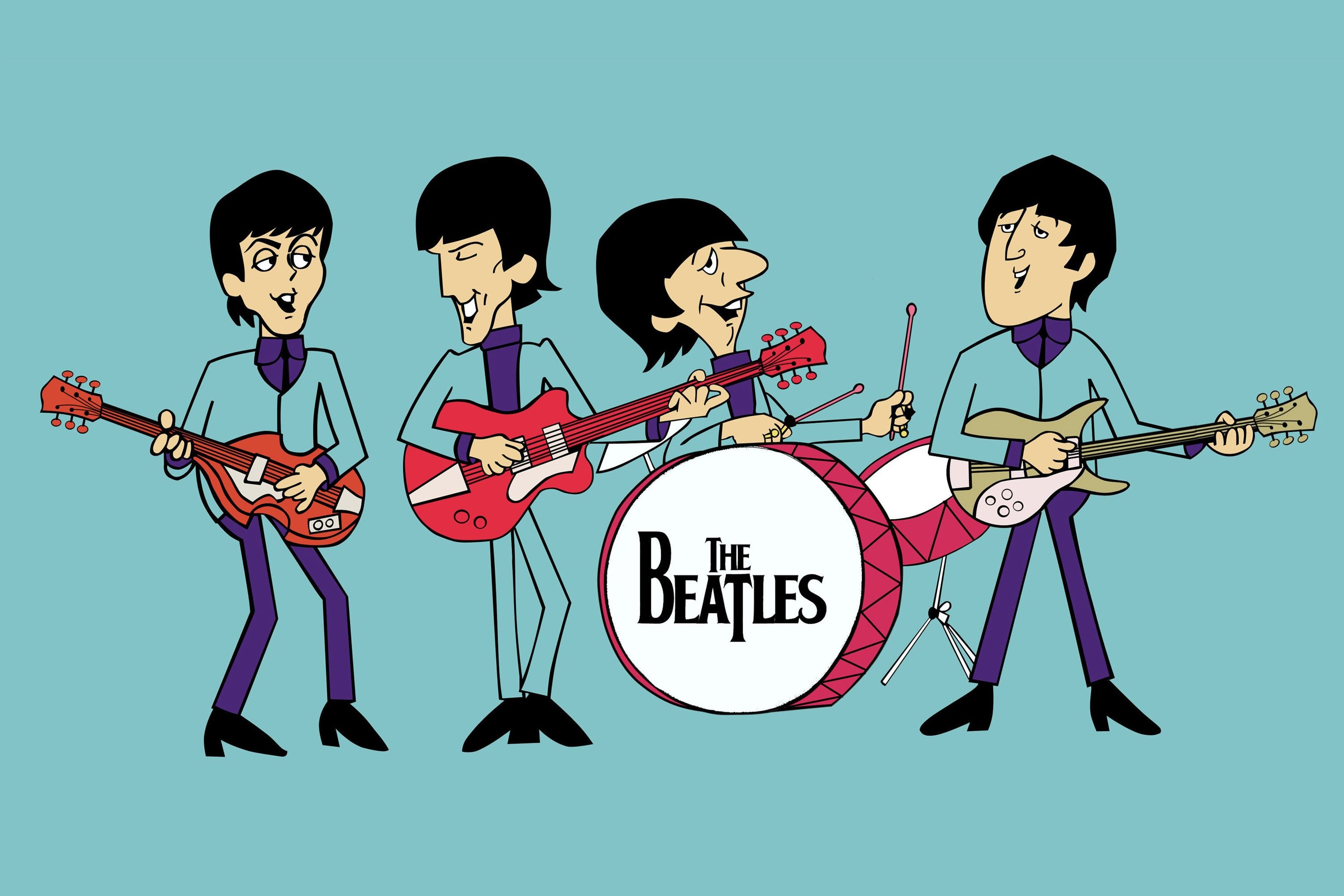
When I was a boy, the Beatles were a blissful part of my life. Mum played music in our home. She had the ‘Love Me Do’ single, which she bought in 1962. I loved the cartoon series and especially the opening credits, when they tried to outrun mobs of screaming girls. During this ‘Can’t Buy Me Love’ played and it was the most exciting thing in my world. I understood little of their lyrics, but as I sat on the orange carpet in front of our boxy Pye television, their charismatic melodies sent something electric through me.
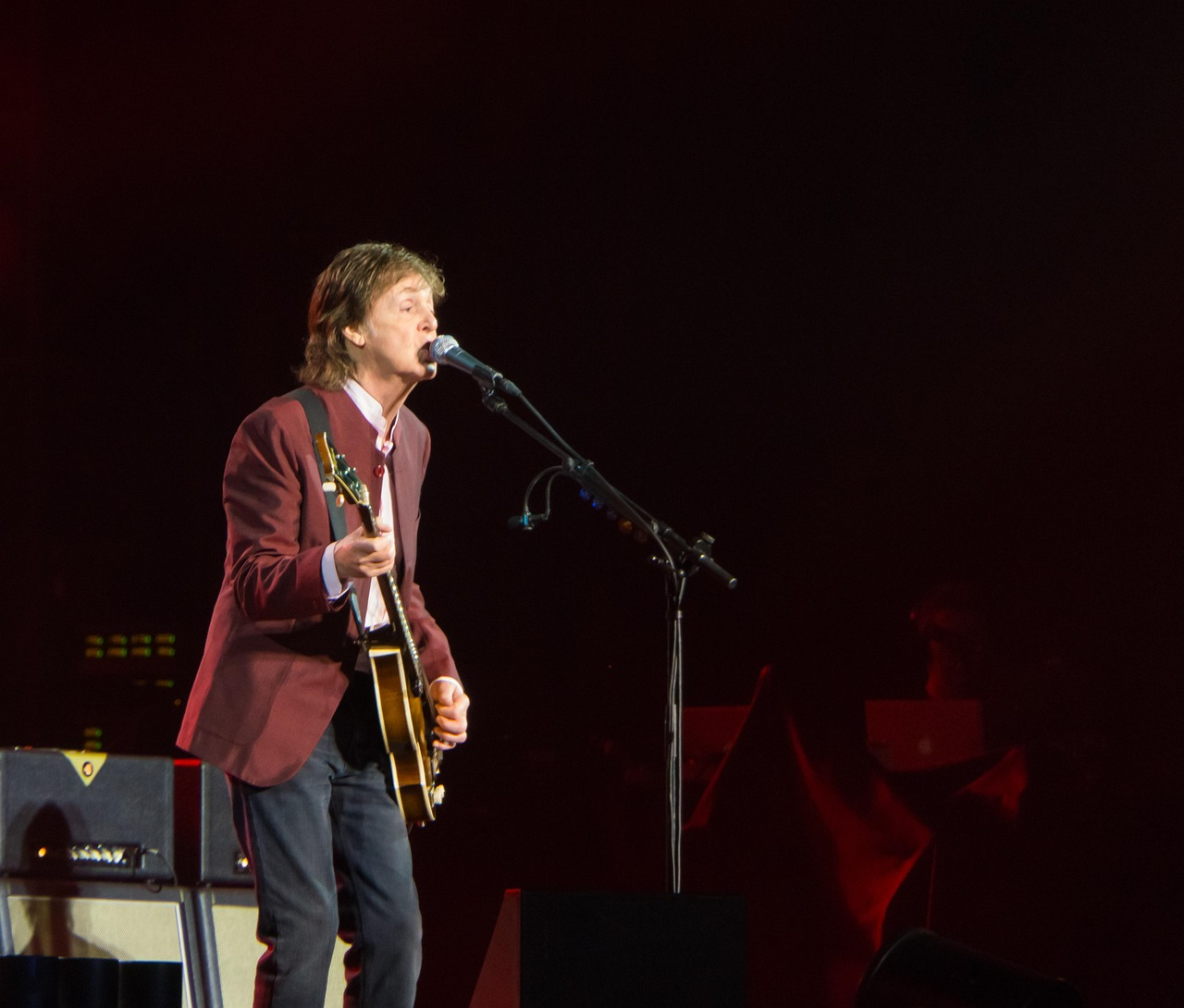
Paul is my favourite Beatle. It’s largely his endless optimism and sunny nature. Even at eighty-three, his hopefulness is his defining, irresistible trait.
*
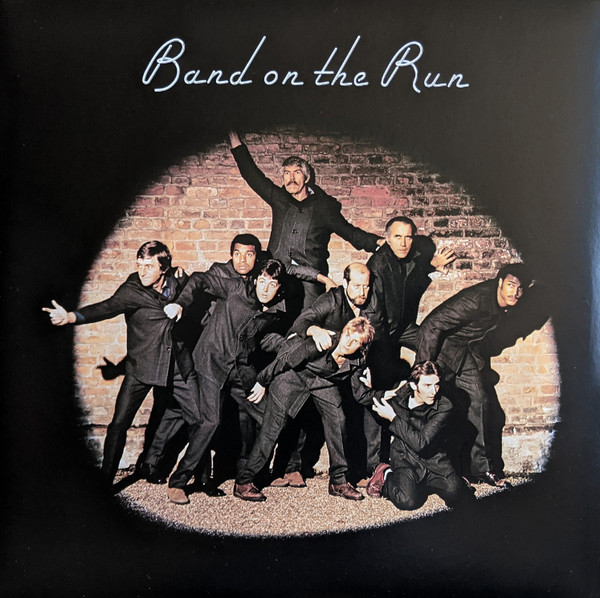
Following Paul through the 1970’s the film focusses upon his new band, Wings. Even without the Beatles, if he’d simply arrived in 1971, his catalogue would still be magnificent. Among my favourite ever musical moments is the soprano saxophone on ‘Listen to What the Man Said.’
Regardless of context or mood, I’m always uplifted by it. The saxophonist was Tom Scott and his very first take ended up on the song. With Claire’s consent, we included it on our wedding playlist. It’s golden light falling across a tropical beach.
Any time, any day You can hear the people say That love is blind Well, I don’t know, but I say love is kind
*
It agitated many that Linda was in her husband’s group. A common view was that she couldn’t sing, play keyboards, or contribute much, at all. The film naturally slants towards McCartney’s opinion. Another reason that I hold him in such boundless affection is his reflections on this and love. He speaks glowingly of her talents and her skills as a wife, mother and artist. In the cinema dark I thought of Claire and shed a tear when he stated that from his wife, beyond all her other gifts, he ‘learnt so much.’
*
Lennon and McCartney were like brothers. Both lost their mothers young. They wrote bridges for each other. They argued ferociously. Reflecting upon their long partnership the surviving Beatle remarked how when things got out of hand, Lennon would sometimes take off his glasses, lay them on the table, smile across at him, and say, ‘Paul. It’s me, John.’
*
I’ve long believed that one of the very best ways to spend half an hour is by listening to a Beatles record. Another fine investment is to immerse yourself in the boyish wonder and brightness of Paul McCartney’s subsequent music. Fifty years later, sitting in my cinema seat, that optimism still feels like the most exciting thing in the world.
If Bali was about tropical warmth and Sydney was about the mesmerising beauty of the harbour, Hobart was something else entirely — a trip defined by the vertical. From the bonkers sub-zero winds atop Mount Wellington to the windowless caverns of MONA, we spent our days either climbing or descending.
There’s something generous about arriving in a city on a Friday. Irregular seagull cries above our heads — oddly rare in Glenelg — heightened the maritime atmosphere. On Elizabeth Street, we explored Tommy Gun Records from which Alex emerged with the vinyl of Spiritualized’s classic album Ladies And Gentlemen We Are Floating In Space. You’re certainly an audiophile or crate-digger! How you spoke about its musical and cultural qualities was astonishing. I also liked our first trip to Banjo’s bakery — which originated in Tasmania. Max’s comment that, ‘There’s nothing here I wouldn’t eat’ is a truism.
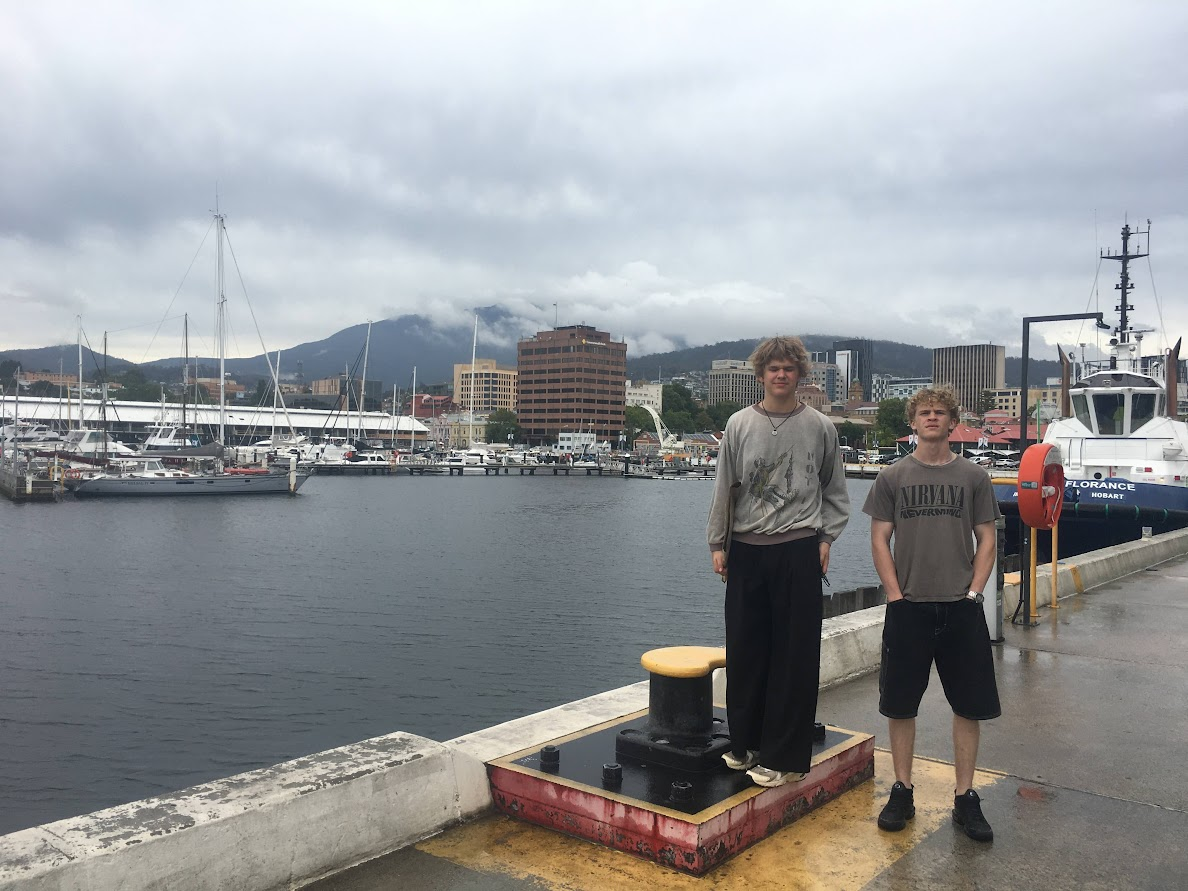
Down by the Brooke Street and Elizabeth Street piers, we strode about. Admiring a giant ocean liner at Macquarie Wharf no. 5, Max told us he’s planning a cruise once school is done. I’m always heartened by this kind of aspiration and the widescreen and global nature of your hopes. Pepperoni pizza from Medici — conveniently located on Murray Street for all your Italian cuisine needs — and inhaled in our Allurity Hotel room was an excellent conclusion to our first day.
Half of the Apple Isle squeezes into the Salamanca Markets on Saturday mornings, all there for gin, juice, and scallop pie tastings. Max and I hung back while Alex bought himself some outrageously overpriced (artisan) biscuits. Aboard the MONA ROMA fast ferry, we took in the River Derwent — low-rise bungalows on modest hills, the jaunty angles of Bellerive Oval’s light towers. After sightseeing at ground level, then came our descent into the subterranean playground of the museum.
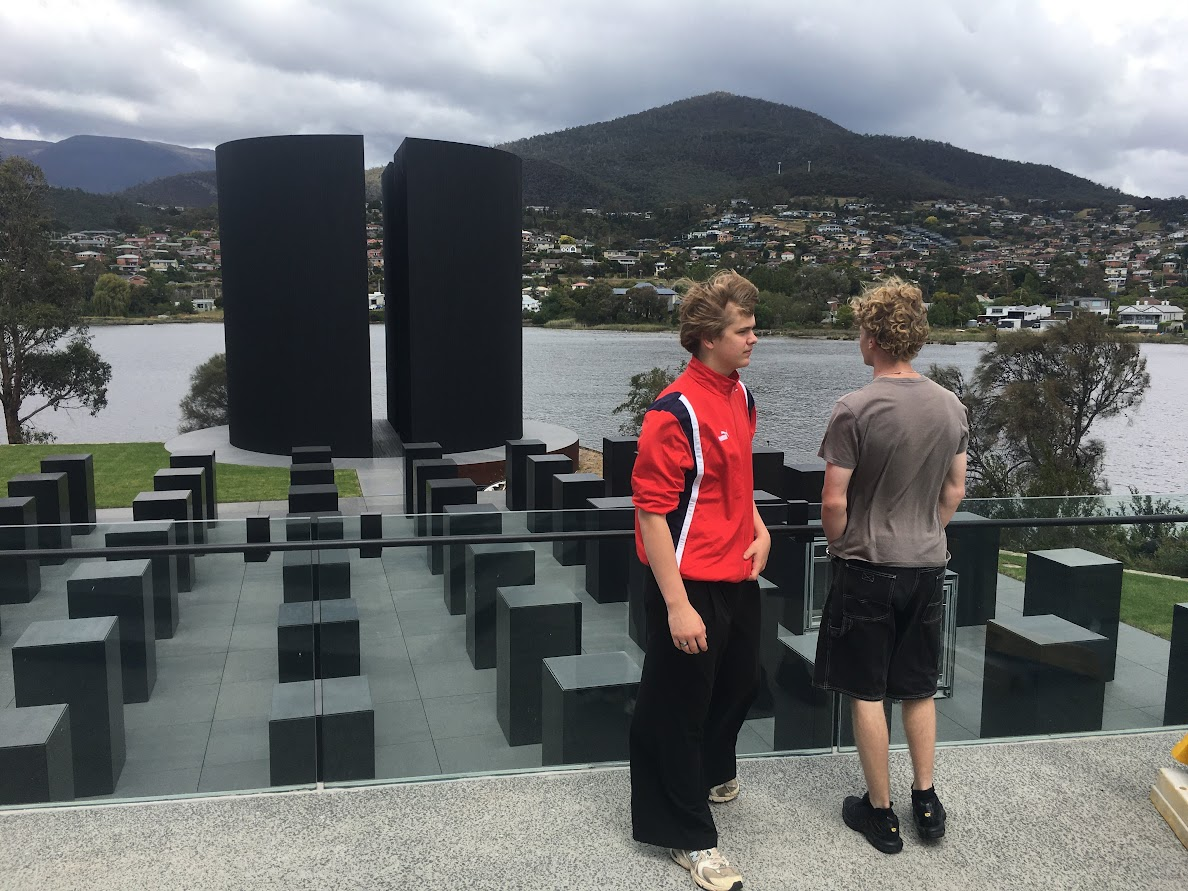
I loved watching you both interrogate that place. It’s a confusing, jarring, and often brilliant maze. Whether we were traversing the colossal concrete war — evoking, for me, the brutality of a concentration camp, the sparks installation, or the Fat Car Porsche, I appreciated how you engaged with both heart and head. We talked about what constitutes art and what does not. Another highlight was the psychedelic band Spooky Eyes and their boisterous set on the MONA lawn.
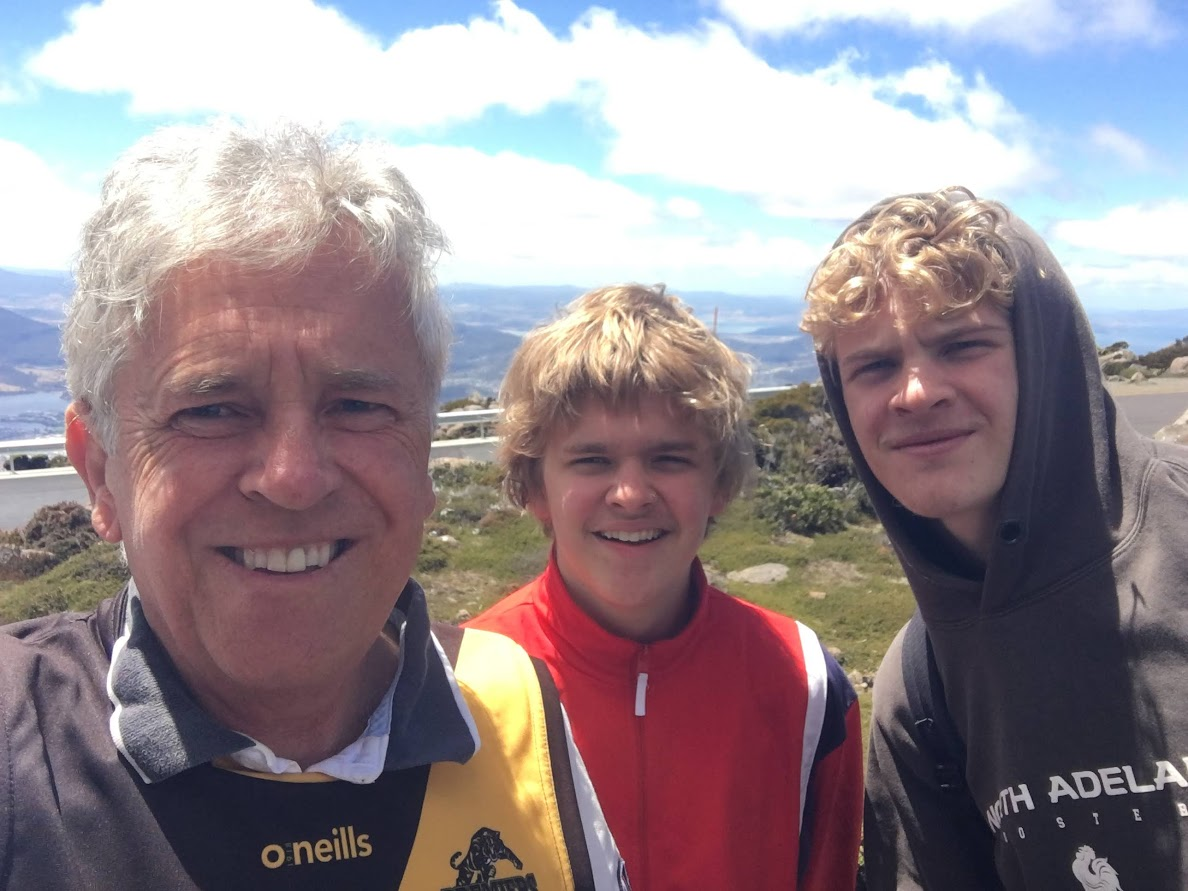
The Uber drive up Mount Wellington was unforgettable. Terror always does this to me. Leaving the gentle suburban streets, we watched the trees shrink until there was only ancient, shattered rock and a sky that felt far too close. Standing at the summit, looking down at the tiny toy-town of Hobart below — the three of us were, momentarily, the highest beings in the city.
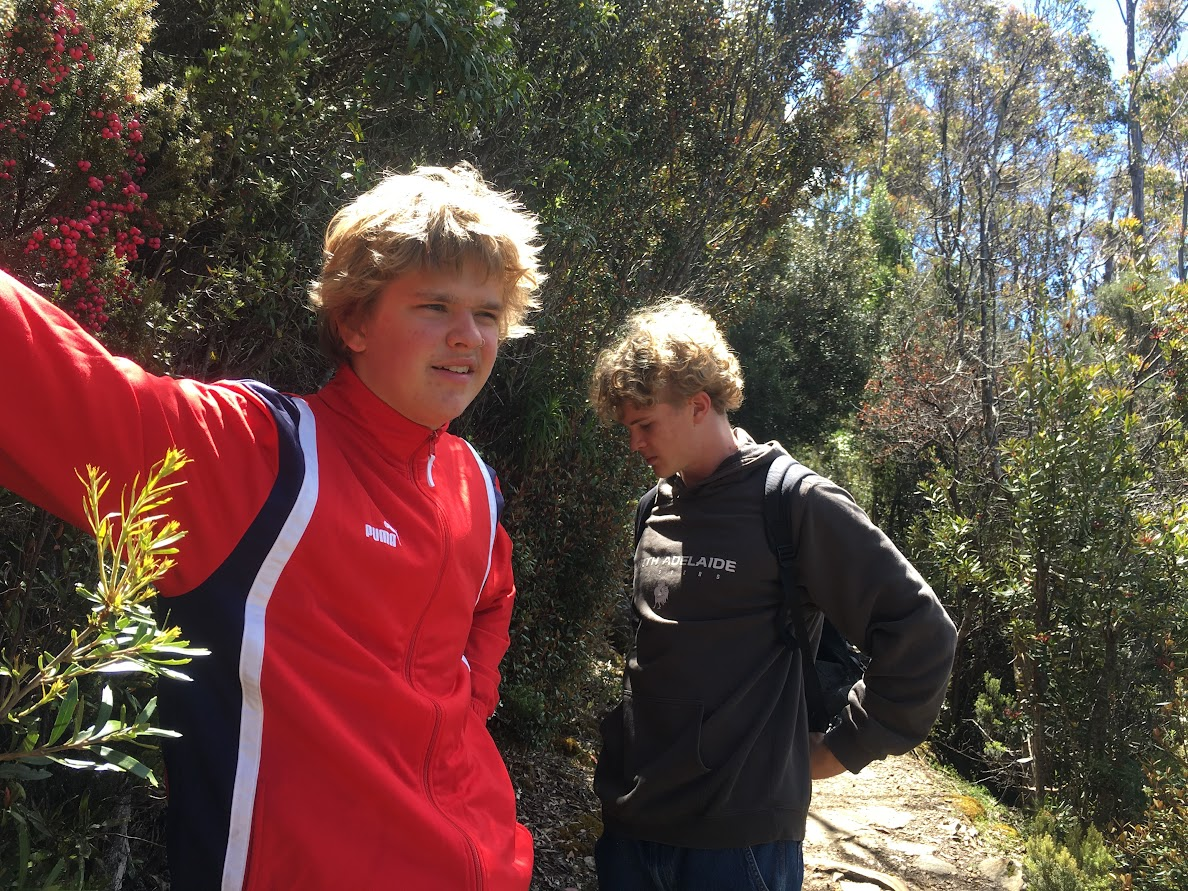
Hiking down was a test of more than just our legs; it was a test of our resilience against that piercing Tasmanian wind and for me alone, the fear of tumbling into the abyss and becoming wallaby food. Watching you both steer between the boulders — Alex leading the way and Max offering the dry commentary that has become his trademark — I was struck by how appreciative you both are of the wilder parts in this world.
Battery Point provided a genteel contrast. Wandering those handsome streets with the sandstone cottages and a southerly sun on our faces, it felt like we’d stepped into 1800s Cornwall. It’d been a bakery trip, and our grand final was at Jackman and McRoss, surely a Michelin-starred pie shop! With table service and desserts for both younger Randalls, this was a triumph.
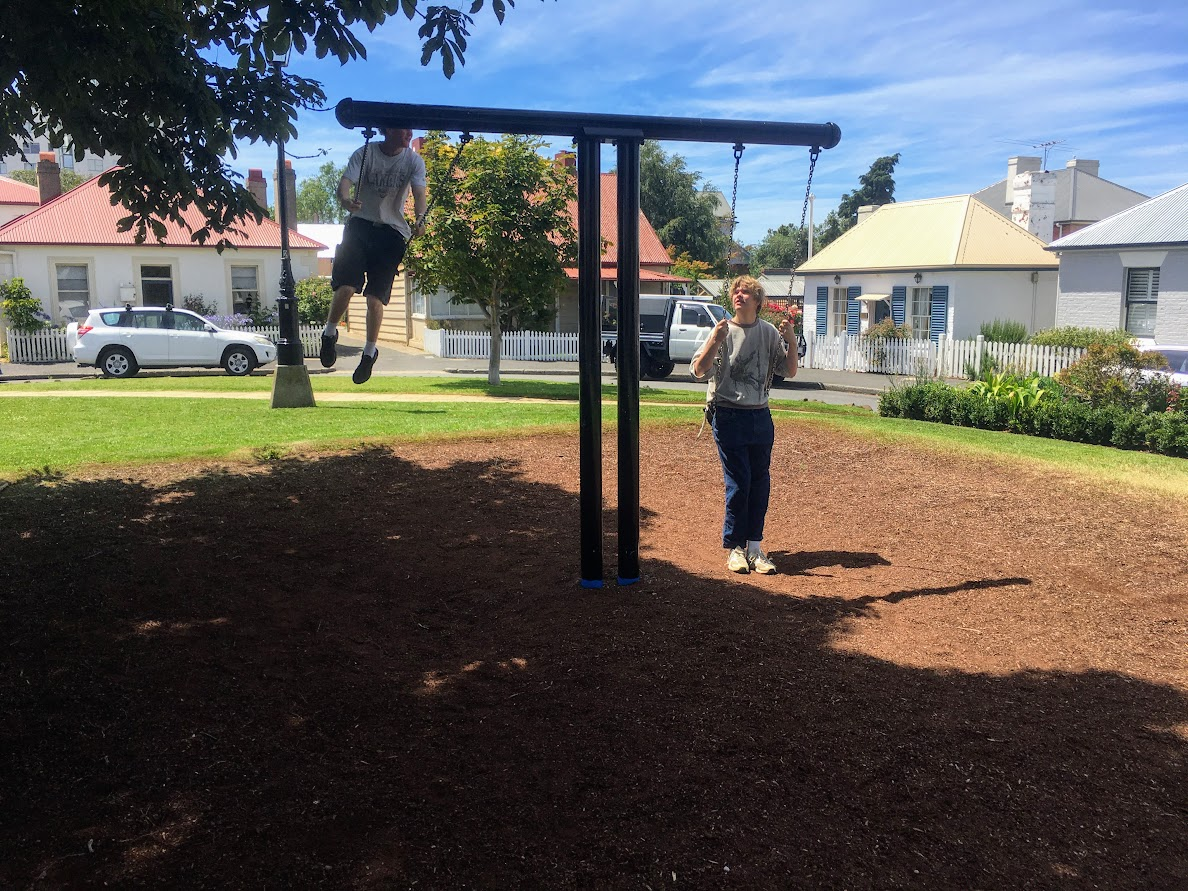
Pausing in Arthur Circus, you both jumped on the swings and suddenly, it was a decade ago in any of a dozen playgrounds. For the final time in Hobart, we’d another vertical moment.
Thank you for liking the steep climbs, and the strange art. You both have a knack for turning a simple walk through an old suburb or a trek up a mountain into a shared event. It’s not just about the destination; it’s about the moments in between.
And this, my witty, kind, dear boys, is all I can ask for.
‘I like jazz in this context,’ says Claire. ‘It’s creating a nice atmosphere in here.’ I nod. At HYMN, an upstairs bar on Grenfell Street, a smoky sax slithers above a mid-tempo, New York swagger. I try to pick the artist. Coltrane? Monk? I’m an enthusiast but hold no deep expertise in this genre. I wonder how well music catches the mood of a place. A Beatles song works almost anywhere, anytime — such is their irresistible charm and sparkle. Jazz can be petulant and angular like a prickly dinner guest. But not here, not now. The sax is warmly insulating.
The owner explains how his bar is a former law firm and glancing about the peaceful loft, we take in the stained glass and holy interplay of light and shadow. Distinctive church motifs surround us. All traces of legal smugness and imposing suits are gone. Two or three lone men are dotted about. They sip neat spirits, luxuriate at their tables, and then drift downstairs. A half-full pub never works — it’s better when these are swarming with parties or empty like a desolate street. Both present as tantalisingly intimate. Meanwhile, merchandise is available and beyond shirts and caps are HYMN branded guitar plectrums. Christmas is now sorted.
Claire and I then have a nostalgic, encompassing conversation about a photo we know well. It has become an emblem; though neither of us appear in it, it evokes a moment of almost unbearable intensity. With Pale Ale in hand, I was suddenly misty with grateful memory. Having just returned from a trip to Bali, we were planning a Mediterranean tour next autumn. However, as becomes increasingly clear, life unfolds mostly in our everyday and simple spaces. This is true late on an afternoon when we’re between things: work and home for me, and for Claire an intermission before an interpreting job at Town Hall.
Travelling together in this gilded cocoon, I hope it is another enriched scene we’ll fold into our mutual narrative. In a Friday twilight, HYMN feels tenderly triumphant.
Sedans feel selfish in Bali. The local brothers picked Claire and me up at the Taksu Sanur Motel in their boxy people mover. Here, there are only two types of vehicles: scooters — cheap and nimble — and people movers that carry half a dozen or more.
Heading north up the east coast the brothers queued up some music on a phone. We immediately recognised the twangy guitars of a beloved American performer. The brothers sang along in broken but affectionate ways. You know the words. Join in!
Almost heaven, West Virginia Blue Ridge Mountains, Shenandoah River
Claire and I suppressed our giggles, barely. What better way to engage with Western culture and to learn English (should you wish) than courtesy of the clear-eyed melodies of John Denver’s ‘Country Roads, Take Me Home.’ I do think it’s a terrific song about the love for home with its introspective, soaring bridge that often makes me misty and want to jump in my car and hurtle up to Kapunda.
I hear her voice, in the morning hour she calls me Radio reminds me of my home far away Driving down the road I get a feeling That I should have been home yesterday, yesterday
Lunchtime on Monday and the traffic’s dense but moving as we slowly weave our way to Sideman, east of Ubud. The song finishes and I wonder what will be up next. To our aural surprise we have: ‘Country Roads, Take Me Home’ by John Denver. Except it’s not JD on repeat but the tune’s been pinched by some gormless baritone, likely with a too large hat draped on his too large, empty (Texan) bonce.
It’s a wonderful song, of course, but nothing should be played twice in a row. The second listening is always diminished, an entirely foreseeable disappointment. Still, for us in the back seat, it’s an intercultural education. Finally, the Appalachian Mountains have come to south-east Bali.
Tragedy! One of the brothers — he has pretty good English due to his stint on a cruise ship — was poking about in the console and glovebox when he timidly announced, ‘Oh, I’m sorry. I left my phone at the hotel so we’ll have to go back.’
Rather than spend an unnecessary hour in the car, Claire and I are deposited at Sanur Harbour. Strolling around, we’re constantly asked if we’d like a taxi. It’s like being questioned in a bakery if you’d like sauce on your sausage roll. I want to scream, ‘Yes, I’m so unspeakably dim that I need a stranger to alert me to my condiment requirements. Of course! Sauce. Thank you kindly retail assistant.’
Sometime later the brothers return in the people mover, all phones now present. We’re hot so it’s a relief to be in the cool of the car. Again, we steer north. The brothers both fumble with their phones — driving’s no impediment to this — and for our shared, involuntary pleasure, they recommence the tunes.
We then hear that familiar guitar picking — in the key of A minor — and the warm vocals of one Henry John Deutschendorf Jr whom you may know better as John Denver.
Almost heaven, West Virginia Blue Ridge Mountains, Shenandoah River
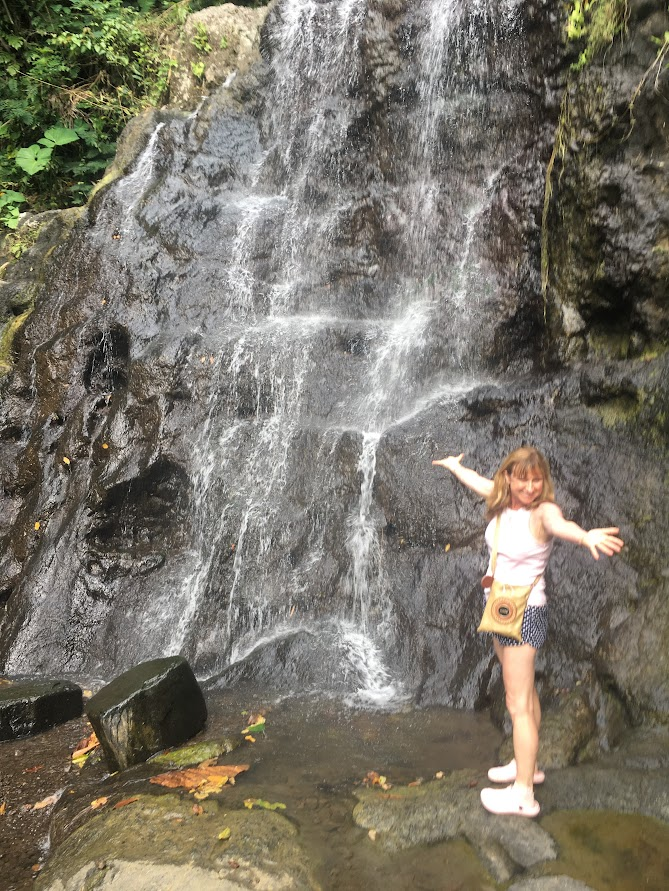
Three times in under an hour — and we were still stranded in Sanur, vehicularly and musically. Claire and I squeeze each other’s hand in silent, intimate acknowledgement. We’ll hear it twice more before we leave — drifting from waterfalls and restaurants, the song now a comical motif, an improbable Asian companion.
Listening to the song in the future, I’ll remember those lovely brothers and that captive drive along the coast of a small Indonesian island.
Music really does surround our tiny, receptive world.
Sitting outside this small bakery in the brisk and dazzling afternoon, I take in the view across to the Goolwa Shopping Centre. A key tenant is an especially attractive Foodland. Over-sized and ridiculous vehicles — ‘trucks’ in the US of A — crawl in and out of the car park.
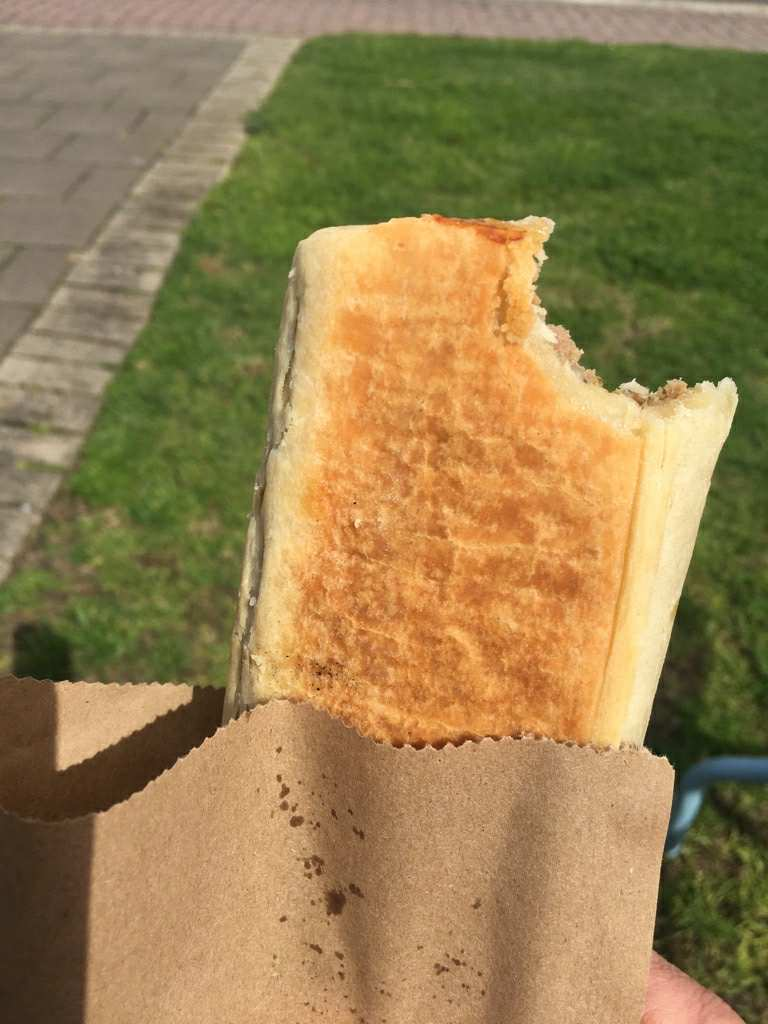
I study my sausage roll. Mum used to make sausage rolls — with help from my sister, Jill and me — and the best job was to make indentations on the pastry with a fork. I was always amazed how these little rows of bumps were still there when they’d come out of the oven. It’s virtuous to preserve a sense of wonder, even when beholding freshly baked, meat-encased foodstuffs.
Glancing at the commercial real estate to the south, I note it boasts a Smoke Mart. I consider swinging by but then decide against buying Dad a novelty glass bong for Father’s Day (this Sunday).
My roll is enormous and I’m immediately suspicious. Munch. Look up again at the Smoke Mart. Munch again. Tasty and surprising. Look at sausage roll gizzards.
Capsicum. Oregano. Pepper. The new holy trinity of additives.
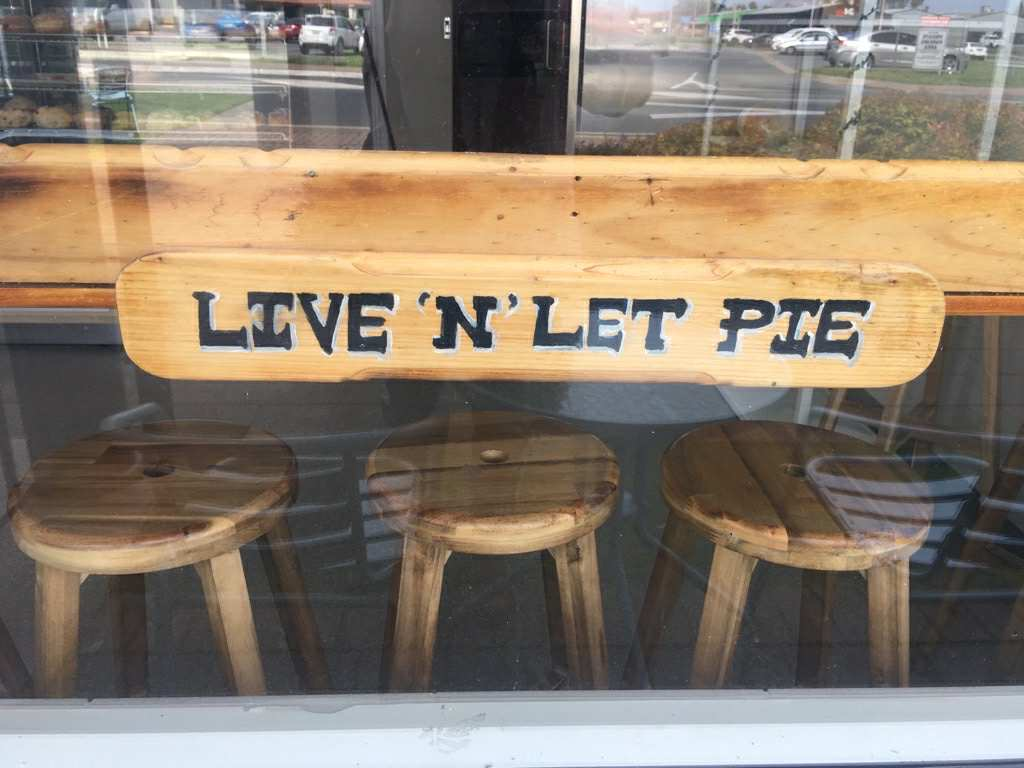
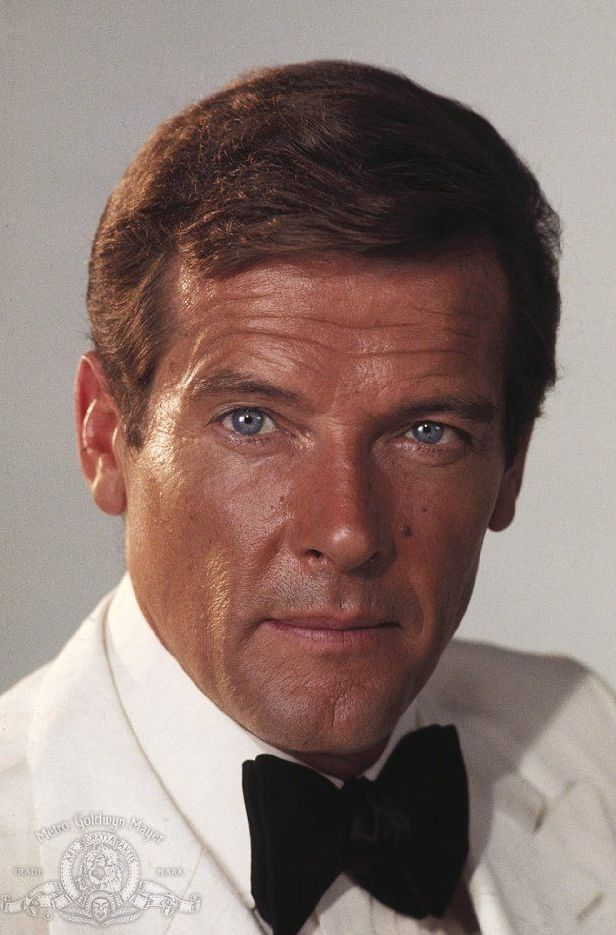
The bakery’s name is a pun on the theme song of Live and Let Die, the 1973 film and eighth in the Bond franchise, starring Roger Moore. Written and performed by Paul McCartney and Wings, there’s been five decades of controversy around this grammatical howler-
But in this ever-changing world in which we live in Makes you give in and cry
Yes, (at least) one too many inclusions of in. Redundancy city. Maddening. Did this bloke write ‘Hey Jude?’ Covering the song, other artists have repaired the lyric. Macca himself is unsure. This, during an interview-
He starts to sing to himself: “In this ever changing world. . . . ‘ It’s funny. There’s too many ‘ins.’ I’m not sure. I’d have to have actually look. I don’t think about the lyric when I sing it. I think it’s ‘in which we’re living.’ Or it could be ‘in which we live in.’ And that’s kind of, sort of, wronger but cuter. That’s kind of interesting. ‘In which we live in.’ I think it’s ‘In which we’re living.’
As I continued my lunch, I thought about this a bit more. The shopping centre was still there. I wondered how many glass bongs had been sold in Smoke Mart since I sat down with my engorged sausage roll.
There’s a dog bowl out the front of the bakery. I like this. Should you feed a sausage roll to a sausage dog?
Mancunian types, Oasis, have reformed and are touring. I think the Gallaghers are funny in a scowling way. Clearly influenced by the Beatles, one finally met Paul McCartney and asked what he thought of this, he replied, ‘It were fookin’ great. How amazing to meet your idol! I mean, Wings are my favourite fookin’ band.’
My sausage roll was highly satisfactory, and I considered if the Gallaghers eat them. Macca’s a vegetarian so probably not. Did Bond ever throw one at a villain and fell him? Unsure, I drove off past the shopping centre thinking of grammar, dogs, and post-Beatles careers.
I needed to clear my head. Father’s Day would be here soon.
The most magnetic pub in Norwood is The Colonist. Its exposed ceiling beams and ducts, and unplastered, aged walls give it a vintage aesthetic. Claire and I made the staccato crawl along Currie Street, through the parklands, and onto The Parade. Turning into the pub carpark, the golden light pushing from the windows into the darkening July evening set a welcoming tone, a hostelry hug.
I’d booked a table by the fireplace and spent the working afternoon congratulating myself. I chuckled as I imagined Claire by the crackling flames melting into her Chesterfield, nursing a pepperminty Coonawarra cabernet, and smiling at me with involuntary, eternal appreciation. However, proudly marching us into the fireplace room, we stop and grimace as it’s more like a shopping centre café with severe, unforgiving lighting and utilitarian tables. It had less appeal than the pool chemicals aisle at Bunnings.
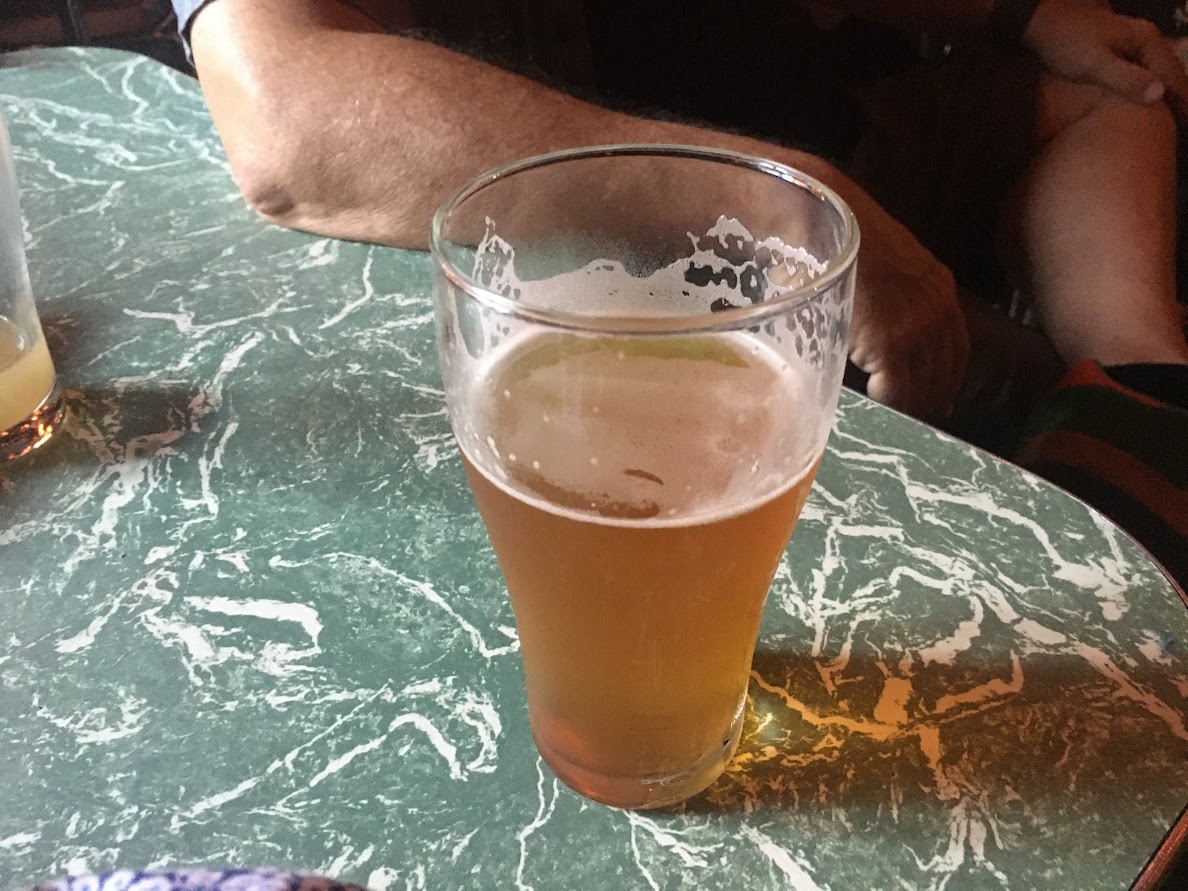
Stools were urgently pilfered and we claimed a spot at the bar. With white wine and a Pirate Life ale (R) in front of us, we unwound into our visit and dissected the surroundings. The absences were gladly met. No TVs, no thumping house music, no maddening distractions. Just a pub bursting with punters. Occasionally, it’s elevating to be slap in the middle of the bellowing din, to be among boisterous strangers, and relish their anonymous shouting and thrumming oomph. A young, beardy man offered us oysters from a tray. ‘No, thanks,’ we chorused, glaring at the cold globs of snot.
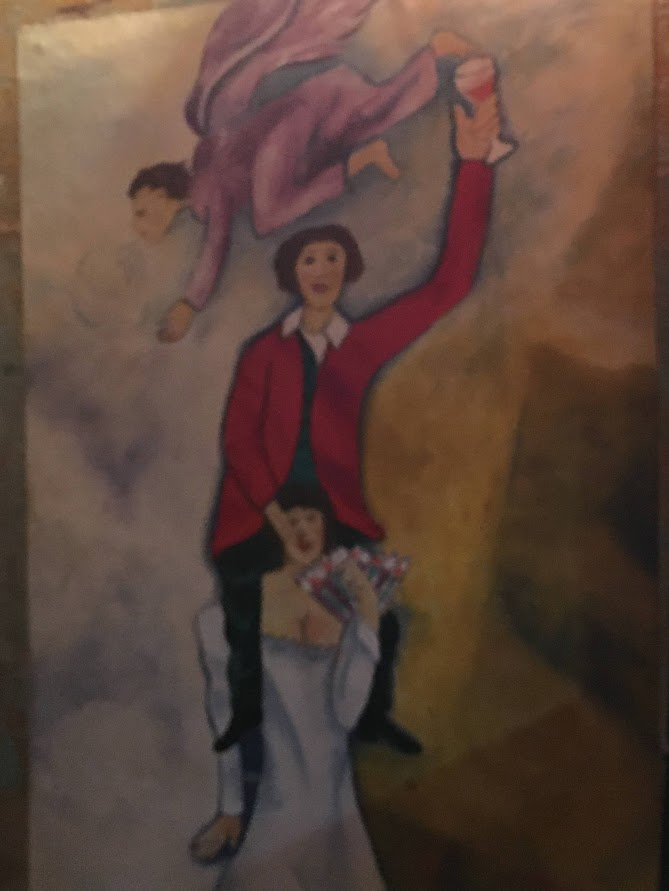
Contrasting with the naked women artworks decorating the pub innards was an interesting image. ‘See that picture on the far wall,’ I said pointing like a self-pleased museum tour guide, ‘that’s similar to a famous album cover.’ Claire surrendered to my mansplaining, powerless. ‘It’s like the album Goo by Sonic Youth.’ A great record, the cover art’s inspired by Maureen Hindley and David Smith, key witnesses in the 1966 Moors Murders trial involving a couple of (crazy) Mancunian serial killers. ‘Thanks for that!’ Claire could’ve chirped.
We returned to our endeavours which being a Friday approaching six o’clock meant our second and final (boozer) drinks. Mystery Pub issues a license for us (Claire) to be alcoholically adventurous — this monthly boldness finds expression in cocktails. The arrival of a concocted refreshment is an event — her Long Island Iced Tea comes with aromatic New York cool and dreamy Gatsby evocations. Claire takes a purposeful sip. Then another. Her assessment: blah.
A camel plops in the desert, the caravan moves on.
Zinging along Greenhill Road and homeward bound (I wish I was) when a deplorably monstrous truck — a ute, to you and me, Gladys — veers into our lane. On its whale-sized rear bumper were two stickers. One read: Pray for America. Neither Claire nor I could tell if this came with irony or sincerity for Friday night, as we all know, is not the time for considered subtextual appraisals.
The other was for Alabama’s Crimson Tide — the college football team Forrest Gump played for — not a sticker you often spot on Adelaide utes. The Crimson Tide is mentioned by 1970’s act Steely Dan on their Aja album in the song ‘Deacon Blues.’ It’s about elegant failure and I thought of my fireplace booking and Claire’s Long Island Iced Tea. The chorus goes
Learn to work the saxophone I, I’ll play just what I feel Drink Scotch whiskey all night long And die behind the wheel They got a name for the winners in the world I, I want a name when I lose They call Alabama the Crimson Tide Call me Deacon Blues.
Safely home in my wicker chair, beer in hand, Aja spun on the turntable. ‘Deacon Blues’ glided about the living room — to my delight, if not Claire’s. Mystery Pub had begun at The Colonist, but we’d detoured to far-flung Americana. This was intriguing and soaring.
1. I love cooking a barbeque on our veranda, but I’m forming a view that July evenings are too cold for this optimism.
2. I’m re-reading a book on the song ‘Wichita Lineman’ and still find it astonishing that it was written by Jimmy Webb when he was barely 22.
3. I would enjoy running on the Glenelg North beach but because of the recent storms there isn’t really one. The sea has reclaimed what was briefly ours.
4. This is a lovely billboard.
5. Has anybody ever had a dream that began at the very beginning, and not part way through the story?
6. I might buy a roll of film, take some photos, and get it developed. I almost hope one is accidentally of my shoes. I could use the honesty.
The Rolling Stones carry metaphorical wallop. Mick may love cricket, but I sometimes drag them—unlikeliest of guests—into footy. After all, sport and music can both be art.
Full forwards are Jagger, midfielders are Keef, and backmen, of course, are Charlie Watts behind his Gretsch set, vacant of expression and caressing his drums almost awkwardly, giving occasion for the melodies and vocals, allowing everybody else to happen.
Charlie’s first love was jazz, but he kept time for the planet’s greatest rock band. Was it his day job? Like SK Warne, the best ever leg-spinner, preferring deep down, to run around on a forward flank for St. Kilda?
Did both choose excellence over longing?
I wonder about Charlie in his Savile Row elegance, offering percussive minimalism to a Wembley crowd while his inner ear yearned for Miles Davis—and the other Charlie (Parker)—in their 1947 version of Out of Nowhere.
Like Charlie’s rearview of the band, football’s defenders monitor proceedings up the ground, eyes vigilant for imminent threat. They bear the dreadful burden of vision. There’s Mick—elastic, swaggering, now self-parodying—and here’s Keef on his 1954 Telecaster, summoning the spirit of Blind Willie Johnson, cloaked in his own phantoming smoke.
Kids love goals and a huge hanger—or specky, as we called them at school. Muddling through middle age and with retirement morphing in the fog, footy’s defensive acts increasingly appeal. I’ve never loved so much the redemption of a spoil or a smother.
Grit has succeeded glamour.
As we age, do we adjust from attack to protection, our crumbling biology shaping a third-act philosophy? Is there any footballing instant with higher psychological value than an intercept mark? Paul Kelly once described sport’s best theatre as danger converting unexpectedly to grace and, as always on matters liturgical, he’s right.
*
Showdown 57 had been pulsating. In the final quarter Port Adelaide was ferocious, generating a fully invasive twenty inside-fifties in as many minutes.
Emboldened and ravenous, they surge again—and from inside a tangle of smearing limbs, Finlayson flicks his leg and conjures a goal. With thirty-one minutes gone, the margin dwindled to a fraught four points.
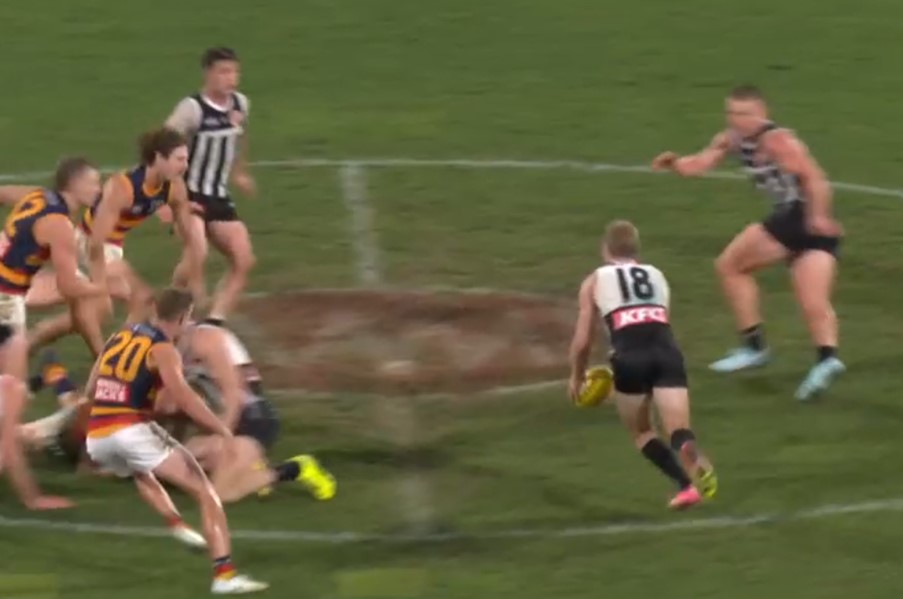
Centre bounce. Jason Horne-Francis snatches the ball and rolls to the outside. He is heir-apparent to the Dangerfield accolade: explosive. But he is also volatile—and this amplifies his peril.
Like a reddish comet, his drop punt slices across the night sky, then begins its return to earth in the forward arc.
Five games in two years at Collingwood. Five games in his first year at Adelaide. Mark Keane is from County Cork and was skilled at both Gaelic football and hurling— a game featuring amended jousting sticks— with the latter requiring substantial pluck.
He takes six marks tonight, and all attention lands on the last. Maybe moments late in a match acquire falsely enhanced acclaim, but sometimes in life and football, context subverts the text.
Keane’s eyes fixate on the ball with a purity of commitment. He crabs backward and across, almost akin to a country hall line-dancer—I can hear Far Away Eyes chugging along—but the Irishman is more slippery of hip.
His tenure as a backman requires obliviousness to ominous traffic, which can arrive like a freight train—fundamental to the mythic bluesmen so adored by Jagger and Richards. Up go his periscopic arms and—clunk—the Sherrin’s path is truncated. It might have been an uncontested interception, but the preceding imagination and gallantry offer Keane instant cult status.
With this the remaining 107 seconds unfold in a terse sequence of disposals and turnovers before Sam Berry kicks a behind on the siren.
Did Keane’s grab save the game? Or was it any of a hundred prior events?
*
It was a moment at which to gasp and then smile.
Just like hearing Get Off My Cloud and realising abruptly that while the melody and vocals are frantically urging, and the lyrics are buoyant fun—In the morning the parking tickets were just like flags stuck on my windscreen—Charlie’s drumming was always the deeper, mostly unheralded magic in the song.
Ultimately, whether it’s music or footy, some of the finest artists are those who don’t take centre stage—but make the centre hold.
Saturday afternoon and I’m home alone. Chores are in hand. Nothing on TV and the book I’m reading, the collected stories of cult American author, HP Lovecraft, is more medicinal than recreational, so it sits untouched by our bed.
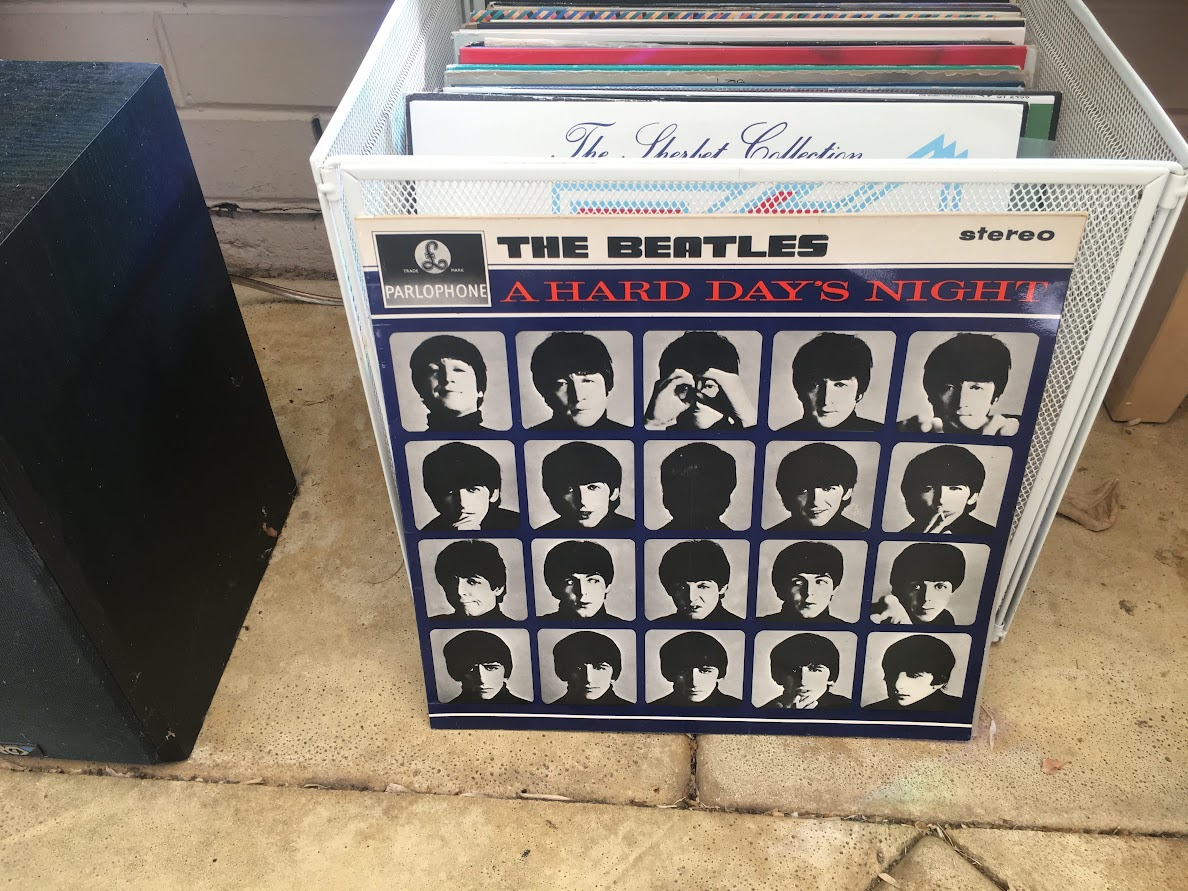
On Record Store Day (globally recognised on April 19th) I swung by Mr. V’s on Semaphore Road, and because one of the very best ways to invest half an hour is by listening to a Beatles’ album, I bought this. The music transports me to my childhood. It remains thrilling and urgent and while Paul is my favourite, I can understand why George Martin, their producer, commented that of all the great things he got to do with the Beatles, his absolute preference was mixing the vocals of John. As I type, the album’s on and it’s utterly joyous and innocent and compelling.
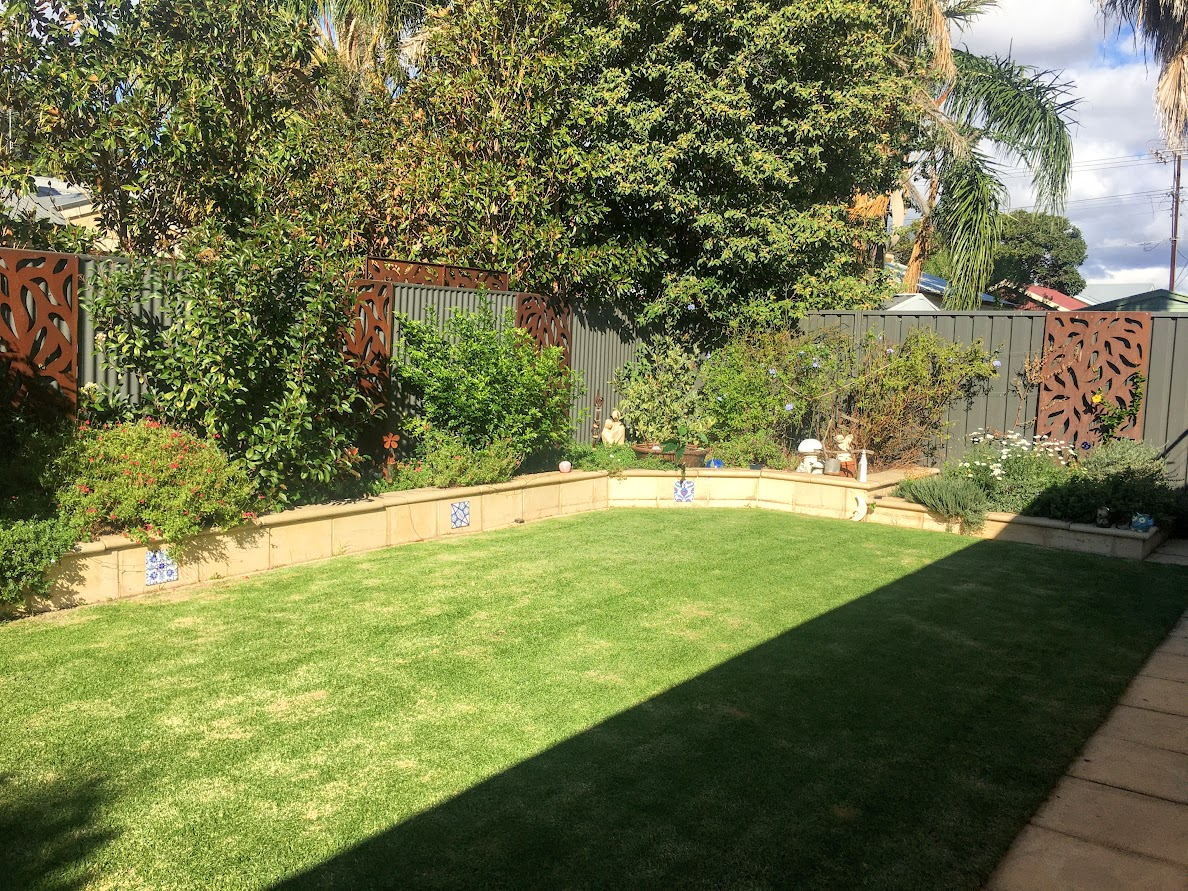
I love our backyard. And the time of peak admiration is, of course, in those first minutes after it’s been mowed on an autumnal afternoon. The breeze is coaxing the trees and shrubs towards folksy dance and there’s bursts of birdsong. I’m in debt to Claire who, with her artistic eye, designed and brought our garden to painterly life. Later, I may sit out here with a quiet ale and admire the view.
I purchased Glenelg Footy Club’s 2023 premiership jumper at Adelaide Oval during last year’s finals for tuppence and my appreciation of this simple item is twofold. Yes, the dual flags (nice win yesterday over Norwood in the Anzac Day grand final rematch with Lachie Hosie kicking eight goals) but the guernsey is my default running top. It’s frequently a conversation starter and when I’m on the beach in the morning a passerby will sometimes say, ‘Go Tigers’ as we puff by each other. I had it on this morning at the Patawalonga parkrun (my 110th, the 200th such local event and day number 729 of my current streak) and it was a fun 5k (24.49 which is decent for me). I’m grateful for footy and running.
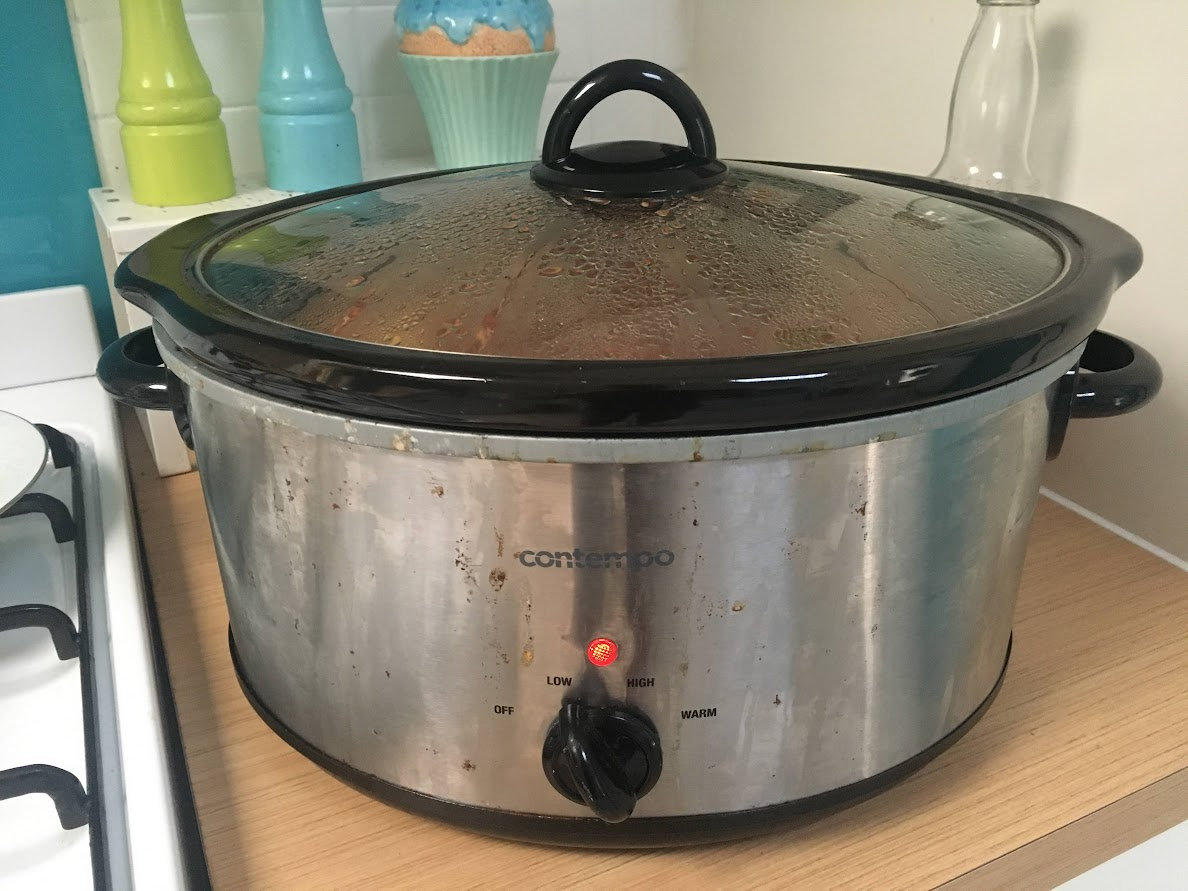
Dinner is slowly cooking in the slow cooker. Which is what the label promised, Mr Spock. It’s a beef casserole and I look forward to it. I assembled it late morning with the help of a Ball Park Music playlist. Can you remind me to throw in the beans around six o’clock? Thanks.
It’s a bit of a narrative but Claire has been in receipt of red wine. Needing some for the aforementioned dinner, I opened a bottle of the 2005, McLaren Vale. This was done with nervousness for I anticipated it might have aged as well as the K-Pop song, Gangnam Style.
How is it? It was a little cantankerous during those early minutes, but I commented to Claire that if I’d been trapped in a bottle for twenty years I would be too. I slopped a few generous glugs into the cooker and popping into the kitchen across the afternoon, both casserole and plonk are doing well.
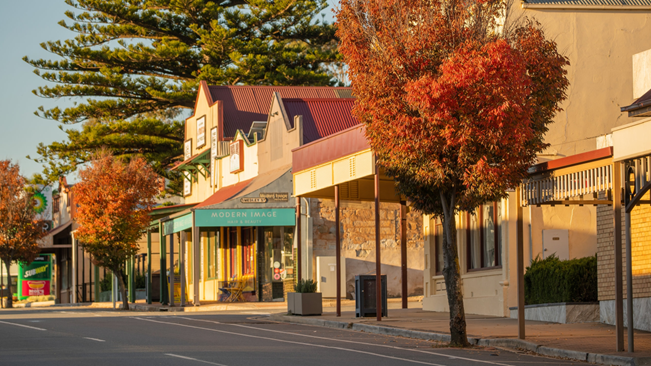
Gundry’s Hill is the natural place for it to commence with its views across our undulating town. There’s St Roses’ spire, a patchwork of roofs, and the silos standing quietly down near the road to Freeling. The vista is smeared green from the trees lining Clare Road, Mildred Street, and Hill Street which is home to the ancient playground and its old black steam train.
We’re now above Dutton Park and its fetching oval protected by those silent eucalypts. If we listen carefully, we can hear the Mickans chuckling and telling stories. It’s a short flight then to the Duck Pond and if it’s a weekend evening there might be half a dozen cars parked haphazardly on the southern bank, near Dermody Petroleum. There are teenagers draped all across the lawns. My friends. From the tape deck of a car, possibly a Gemini or a Kingswood, you hear this soulful song
Karma, karma, karma, karma, karma chameleon You come and go You come and go Loving would be easy if your colours were like my dreams Red, gold, and green Red, gold, and green
We then zip over to the swimming pool. On this hot afternoon we see dotted on the grass untidy groups of kids. Zoom in and they’re munching on Bush Biscuits or a Zooper Dooper before running to the diving board. From this they leap off aiming desperately and adolescently at the canteen, run long-sufferingly by Mrs. Chappell. They try to splash her by doing a storkie, arsey or a coffin. They’re tiresome but determined. The supervisor—an elderly Englishman—yells to the skinny boys, ‘Pack it in!’ They ignore him but he yells again. ‘Pack it in or you’ll have a rest for five minutes!’
A short journey and we pause over the Pizza Bar on the Main Street. Johnny Guzzo is the boss. Again, inside there’s some of the town’s youth and they’re huddled about the Formica tables. Some spill onto the footpath, weighted by black duffle coats and ripple boots. With P plates blutacked to their windows, assorted cars lined up outside. There’s a knot of motorbikes too.
Inside by the windows and next to the pinball machines, a mate’s trying for his best ever score on Frogger. He’s trying to cross the river on logs and—be careful—skip over on the backs of hopefully drowsy crocodiles. But he gets munched and the game’s over. He thumps the glass top of the arcade machine. Johnny’s throwing pizza dough up into ever widening circles and hears the racket. ‘Hey! Do that again and I kicka you out!’
It’s 1983 and for one group of kids, they’re in year 12. Seventeen is an age when much happens but you’re no longer a child and not yet an adult. It’s a fraught, fantastic time. Let’s zoom in and see who they are.
*
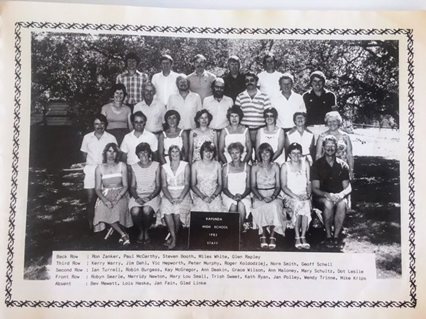
Here’s Kapunda High’s class of 1983. There’s only thirteen of us although this was boosted by the subsequent return of one Paul Masters, and arrival of Eriko, our Japanese exchange student. Then, of course, most of the fifty-odd who began with us in year 8 had left school for a job. Year 12 was matriculation which meant qualifying for university. It an innocent and wonderous time.
This photo was taken on the croquet lawn at the front of the school. I never saw any croquet but sitting on its grass under the autumn sun was calming and peaceable. And it’s such a picturesque setting that a few short decades later it was where the girl fourth from the left and I would be married. No other location presented itself.
There were only fifteen of us, but I thought us an unruly collective. All day long we laughed and yelled and interrupted each other. Thirty years on, talking in the footy club with Macca—our beloved History teacher Paul McCarthy—he told me we were, ‘bright and well-behaved. A really great group.’ In 1983 I sat in a corner next to Chrisso and Davo and we did much together.
Claire and Trish and I had long enjoyed our triangular friendship, and this continued. There were a couple of classmates with whom I barely exchanged words. I didn’t dislike them; we just had little in common and I hope they’re happy and well.
*
Our matric centre was at the front of the school just near the croquet lawn. It was down the cement steps and in Kidman’s bequeathed mansion, Eringa, it had been a servant’s bedroom. A tiny room, it could only fit ten or a dozen of us around the little student tables.
A blackboard hung to the side and an old gas heater sat above the mantle and we’d use it to toast sandwiches until we weren’t permitted. A corridor ran around two of the walls and our individual carrells were lined up there. How lucky that we had our own private desks? Much of our year was spent at these.
In that little classroom we’d conversations which influenced us. Mrs. Schultz, our gentle and wise English teacher, chaperoned us through The Grapes of Wrath with the Joads as they made their emblematic and weighty way from Oklahoma to California through the Mojave Desert.
I recall my terror as she and Trish talked at length about the novel’s symbolism, focusing upon the turtle crossing a highway and how it represented struggle, determination, and hope. Committed to making my own life difficult, I read many Steinbeck novels over the summer and loved them. But, of course, I didn’t finish the compulsory Grapes of Wrath, and generally only saw the turtle as a turtle.
Our Australian History teacher, Mr. Krips, escorted us through a study of our national identity and the apotheosis of the nomad tribe. I’d not encountered the word apotheosis before. It wasn’t used on the cricket, even by Richie Benaud or by Graham Kennedy on Blankety Blanks. It impressed me and I vowed to keep it in my vocabulary as I thought it could have future value. I swiftly forgot it.
Of equal value was the extra-curricular stuff we learnt from our teachers. The girl fourth from the left and Trish always had enthusiasm for curating our experiences and so set up communal diaries in big scrap books. Quickly becoming known as the Crap Books, these enjoyed daily entries, with some contributing more than others. Occasionally Kripsy did too. How great was he? Early in the year he noted the discovery of a musical gem.
Last night I saw Marvin Gaye on TV singing, ‘Sexual Healing’ which was terrific. What a voice! What a performance!
It is a great tune and now when I hear it I instantly think of Kripsy and that tiny, windowless classroom. I hear it with fondness for my classmates and teachers and that fleeting, singular time and place.
Get up, get up, get up, get up Wake up, wake up, wake up, wake up
Oh, baby now let’s get down tonight!
*
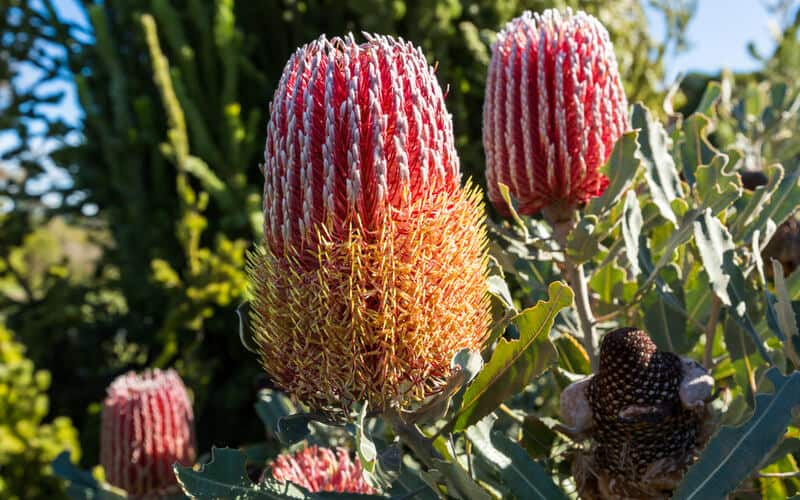
The Coorong is a distance from Kapunda, south of the mouth of the Murray. Until our matric year, school camps had been breezy and amusing affairs. More like holidays than educational experiences. As we had to study both a science and a humanities subject, I found myself in Biology and had to undertake a special personal project. For reasons which over time have only become more bleakly absurd, I was about to immerse myself in the heady, sparkling world of Banksias.
Yes, my teenaged fantasies were all becoming real. I would undertake a vegetation transect. It’s not, however, as glamorous as it sounds.
We stayed in rustic accommodation with Mr. Zanker and Miss Searle. Curiously, I would work with Mr. Zanker decades later at Marryatville High where I taught his daughter in year 12. In 1983, there were about eight of us in Biology and we drove down on Sunday. I recollect none of the journey.
It was cold and grey but one night by a shared metal sink I had a novel experience. One of my classmates, the girl fourth from the left, leant towards me, giggling, and announced, ‘Hey you. Listen to this!’ A brief subterranean rumble followed. We both collapsed into laughter. It was the first time I’d heard a girl fart.
This remains the clear highlight of that camp.
Monday morning was grim and wretched, and it began to rain. I was utterly alone in the middle of a forest of banksias. My task was to measure all sorts of variables like tree height, number of banksia flowers, distance between trees, and other things too hideously dull to itemise for you now.
Until then I think I was a kid who just got on with stuff. But this was new for it was an obligation in which I had zero interest. It was a necessity and there was no escape. I sat on the wet ground and my bum became damp. Three more days of this! I reckon it was the first time in my life I was truly bored. Even now I twitch if I see a Banksia. They’re for life, not just the Coorong.
It gave me a glimpse into the dark world of adulthood responsibility. I didn’t like it.
I’m about seven. We—Mum and Dad and my sister, Jill— were visiting people at their Yorke Peninsula shack. I don’t recall the afternoon’s crabbing but gathering later about a table in the childhood-hot evening. On it were long necks of Southwark while a black and white tele flickered against the fibro. The adults bashed the crimson crabs and busted open the tepid claws.
I could smell vinegar.
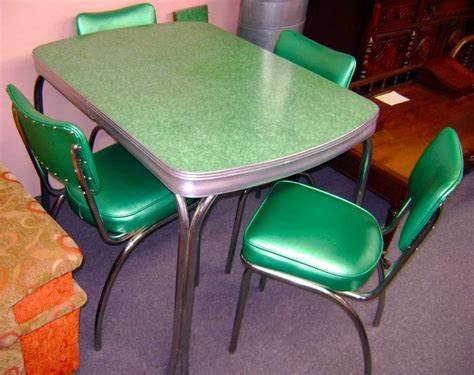
This table was Formica and from the 60’s—today doubtless worth a minor fortune with its chrome trim and retro mint top.
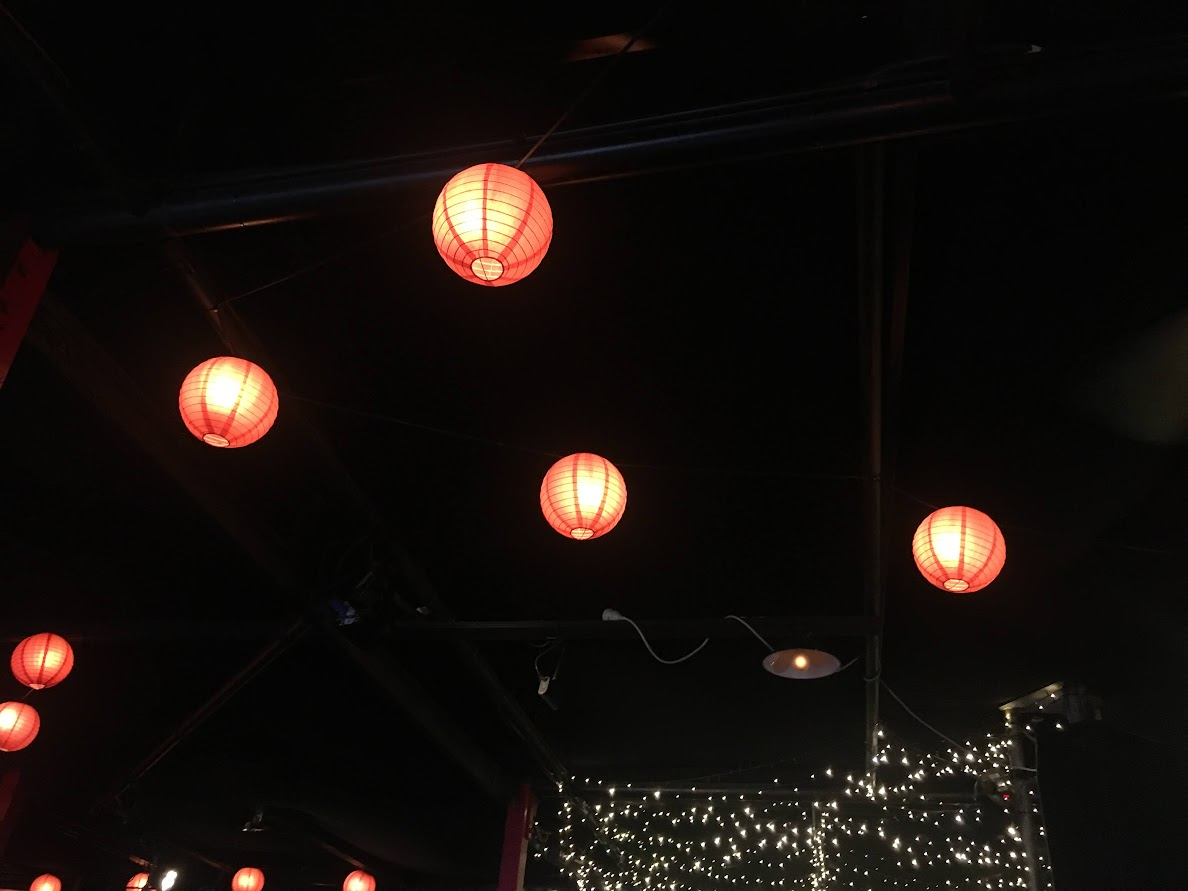
Just like the elegantly vintage tables now out the back of The Wheaty, Adelaide’s finest music pub. A large floor lamp’s on the side of the stage—turned off and quiet. Bulbous, orange lightshades dangle from the ceiling, evoking Disco Inferno and its eleven-minute polyester frenzy. Galvanised iron clads the northern wall. The space represents as a twilight Sunday backyard crossed with a 70’s lounge room.
I can almost smell fondue.
Pizza (pepperoni) from the food van and craft beers are our prelude. Their website boasts there’s, ‘no skinny lagers or low-carb blands.’
We’re here for Dave Graney and Clare Moore.
*
The funniest nominal group in music is at the end of this verse. Using the head noun: cowboy it employs pre-modifiers in an amusing string of adjectives. It’s central to Rock ‘n’ Roll Is Where I Hide—a narrative song that’s part stand-up routine, part wish fulfilment.
Anyway People started to talk Started to talk about this Legendary mysterious loudmouth invisible rock singer cowboy
*
I’m rereading Catcher in the Rye and tonight’s music conjures Salinger. Short stories in sonic form. Graney loves intertextuality—his song Warren Oates nods to Sam Peckinpah’s Bring Me the Head of Alfredo Garcia—and I make my own connections.
Holden Caulfield’s narration comes to mind
He wrote this terrific book of short stories, The Secret Goldfish, in case you never heard of him. The best one in it was “The Secret Goldfish.” It was about this little kid that wouldn’t let anybody look at his goldfish because he’d bought it with his own money. It killed me.
*
Irony works best on Thursdays.
Certainly not Mondays. Fittingly, we are at The Wheaty on a Thursday, Valentine’s Day eve. Our musical host, Dave Graney doesn’t weaponize irony, he seduces us with it.
How does his appearance amplify this? A dinner suit winking to the safari style. Moustache channelling the pencilled elegance of Clark Gable.
Completing the mythic persona, the hat.
Every so often his voice drifts to Sprechgesang— the German term for half-sung, half-spoken delivery. This elevates the irony.
Once, Graney woke up and immediately thought about how the American band Wilco can’t itself wonder vaguely about Wilco when he inescapably does. Is this American cultural hegemony? We then hear Wilco Got No Wilco.
Festival favourites – out of shape guys in denim Happy to be home – happy to be there Romans! Legionnaires! We saw the white sails
Between songs he muses, ‘I have many guitars.’ Dave then turns to his wife Clare, behind her drum kit, and says, ‘Clare’s playing her B drum kit. The A kit’s home in the studio.’
Turning to the bassist, he asks, ‘Is this your A bass?’ Then, pre-emptively, with a flourish that borders the reverential and the sardonic: ‘It’s his John Cougar Mellencamp bass.’
*
Black Statesman ‘73
Caprice.
Leaded.
The thrilling opening of Feelin’ Kinda Sporty is a triumph of nostalgic parochialism. It’s as Australian as Skyhooks. Or Gough. Or begrudging affection for the Gold Coast.
Is Graney applauding that this marque gulped leaded (super) petrol? I hope so. I bet he once drove a lumpen V8.
What a car.
*
Out the back of The Wheaty we have an evening of wry storytelling. But it’s also an invitation—to view our prickly world through Graney’s secluded and exceptional window.
His lyrics suggest imagist poetry which originated a century ago: lean, distilled, potent.
Its famed example is Ezra Pound’s In a Station of the Metro. This two-line couplet captures a scene of bustling commuters waiting on a train platform:
The apparition of these faces in the crowd
Petals on a wet, black bough
*
Tonight, there are no girl meets boy stories. But there’s affection of a different, uncommon kind. Commemorations of the minor and minuscule. We take excursions into Graney’s head and its sometimes lurid, always lush, jungle.
The second song of the encore is Night of the Wolverine, featuring this cinematic pan. Memoir or fiction? It doesn’t matter.
Free beer and chicken man, and hotel rooms Hired cars, alligator boots A scarf over the lampshade Black tape over the window
Graney’s music chaperones us to places humid and strange—where the ceiling fan’s revolving slowly, ice clinks in a frosty tumbler, and irony is a welcome, surprising seductress.
It’s a bright day and there’s optimism everywhere; ideal to begin the summer of Test cricket. The city by Corio Bay’s vibrant and cheerful people stream up and down the waterfront. I’m dining with eight chaps, and we’re all connected by the communal and effervescent Footy Almanac. Today’s lunch is all about conversation: a delightful jumble of 1970’s SANFL, Gough, and the far-flung places we’ve lived from Darwin to Tassie to England.
*
I love cricket. I love going to Adelaide Oval and feeling its captivating pull as I cross the Torrens footbridge. I love watching it on TV—especially when Tim Lane’s commenting. But cricket on the car radio is a unique joy. Following the Geelong lunch, I’m driving back to Point Lonsdale, and I poke at the hire car’s screen and get Australia v India on. The first session’s underway, and I’m eight again. Through the speakers flows the crowd noise with its comforting hum, the whip crack of willow on leather, even the aural assurance of the hyperventilating commentators with their, ‘Starc in, bowls… Big noise! There’s a shout…’
It’s as summery as slamming screen doors, fish and chips by the beach, and those ticking nights when it’s still thick and pizza-oven hot at midnight.
*
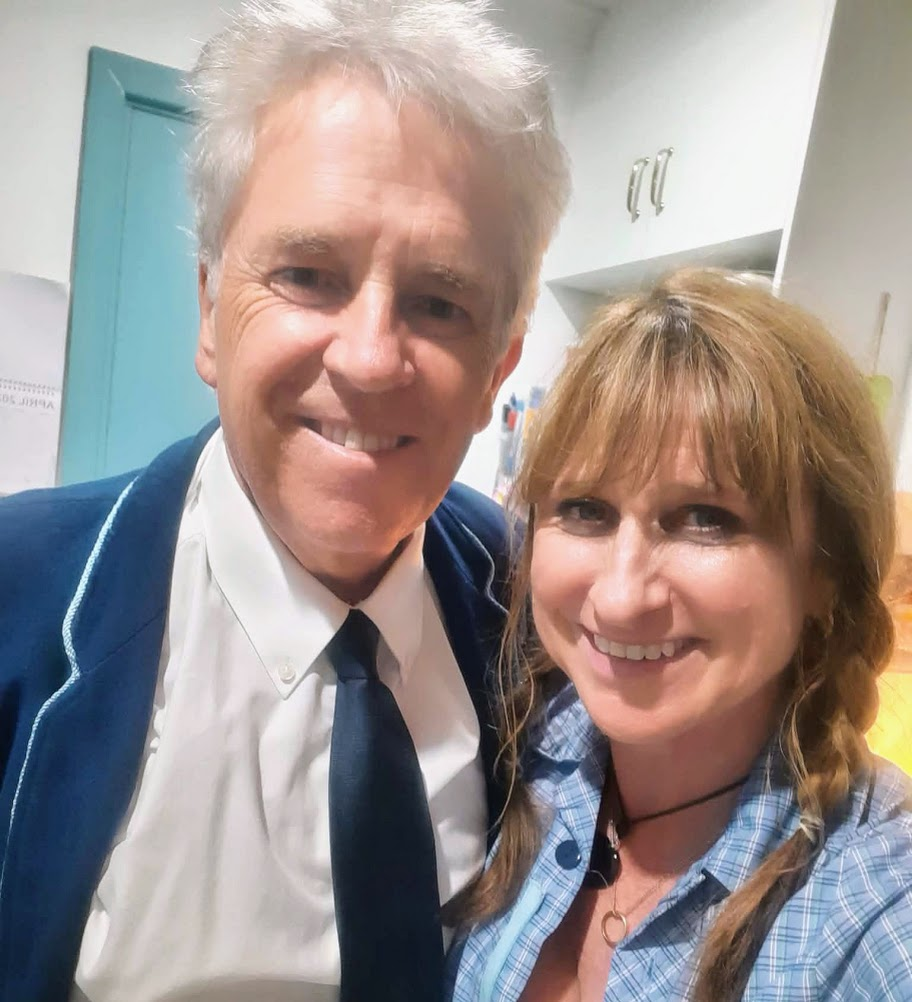
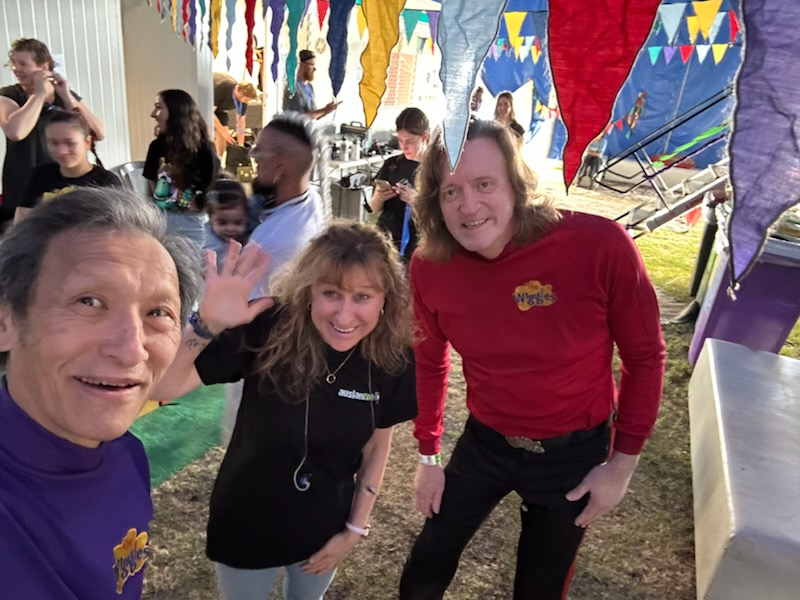
We’re here as Claire’s the Auslan interpreter for the Queenscliff Music Festival (the Auslan). Murray Wiggle and Jeff Wiggle are doing a DJ set. Claire gets a backstage photo and chats with them. Her brother Geoff knows both and decades ago they were all in a band. In the big tent young troubadour Jack Botts is playing his wistful guitar pop, and Murray’s just in front of me with his shoulders like a rangy country footballer. I imagine him somewhere like Angaston pulling in a few casual grabs at centre-half forward. As he takes in the music, there’s a ceaseless trickle of fans and he’s kind to all, smiling for a selfie, offering each a few minutes. It’s lovely to see.
*
Saturday morning and I’m in Portarlington for their park run. It’s a quarter to eight and the air is dense and unmoving. Gathering by a tree on a gravel path we’re alongside Port Phillip Bay and just under a hundred of us set off. Ambling along, I peer through the close murk and see the Melbourne CBD, a silhouette of grey and black and imposing quiet. There are dual hills to finish the course, but these are gentler than I’d heard. Making my way back to Point Lonsdale I listen to 3RRR and drive through Indented Head and St. Leonards. Both are daggy—unpretentious and a little outdated—but hugely appealing.
*
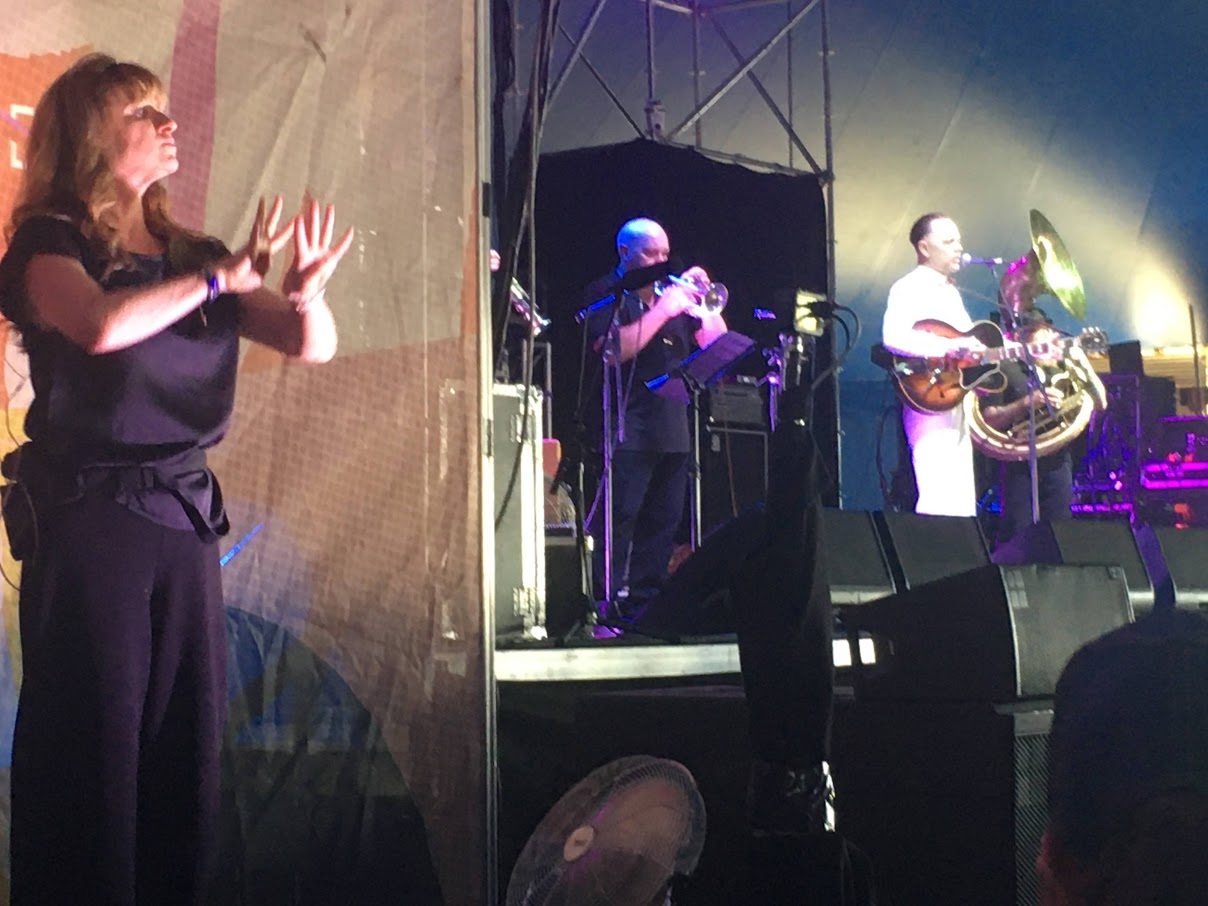
Watching Claire perform at the festival is a joy given her distinctive skill and focus. It’s mesmerising and humbling for I understand not a single sign. She interprets for CW Stoneking, a Katherine native who adopts a Southern persona complete with Mississippi drawl. He plays hypnotic blues music that could be a century old. Backstage, Claire asked him to explain one of his lyrics, and he replied, ‘I don’t know what it means.’ Sometimes, on stage when speaking between songs, he slips briefly, almost imperceptibly, back into his Territorian accent.
*
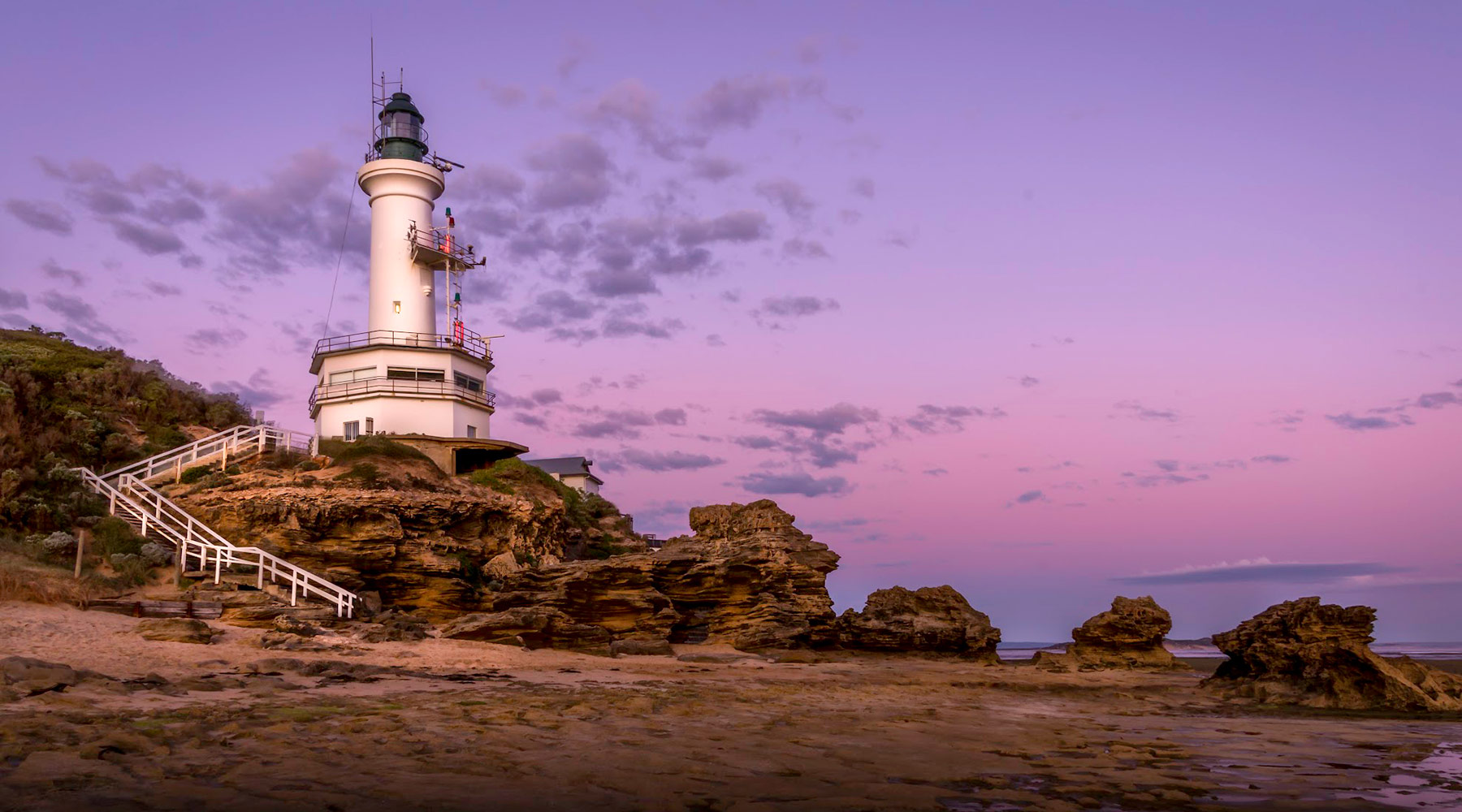
Other mornings in Point Lonsdale I run along the beach or through town. The town oval hugs the bay, and an underage cricket match is underway. The pitch is Gabba grass. Most of the players are in whites but the batsman’s in jeans. Nostalgia pricks at me as I pass. I also run west past the lighthouse and down onto the endless beach. I don’t usually run on the sand, instead preferring an esplanade but this morning’s forced path’s a revelation. Rather than being by the beach, and a spectator to the surf, I’m a participant. The waves are closer, their roar is louder and the air’s muggier. I’m now converted to sand running, immersed rather than observing, and it feels enlivening—physically and spiritually. Vast cargo ships pull themselves sluggishly in and out of the bay.
*
Monday, we zig and zag across the peninsula through towns like Clifton Springs and Wallington. It seems to function like the Fleurieu: a relaxed retreat for the neighbouring city folk. We take our lunch at the Rolling Pin bakery in Ocean Grove. My pie is massive and collapses on my plate, so I collect a knife and fork. Claire’s baked good is more cooperative. A PE teacher tramps in, local primary school polo shirt on, a Cleveland Cavaliers lanyard dangling, and a silver ring of keys jingling in his pocket.
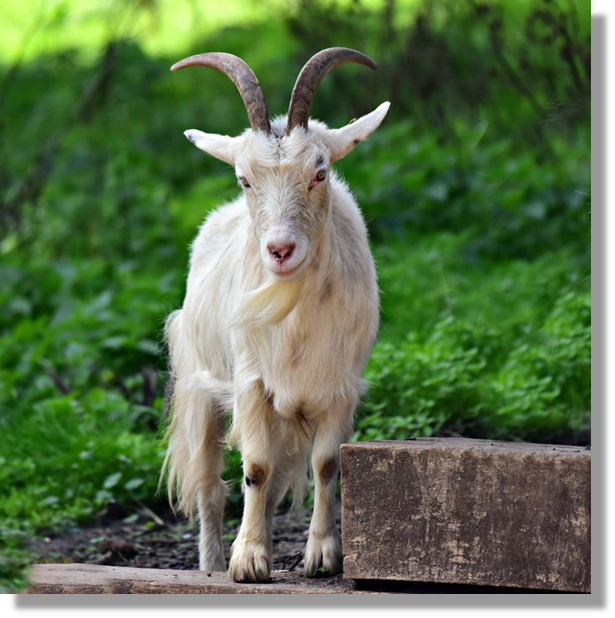
Jeff the goat lived in Tiger Mountain State Forest near Seattle. He had a long, white, wispy beard and he played a guitar and sang.
Well, sort of.
When Jeff strummed his guitar and sang the bears and the cougars and even the fish in the streams would flee. He was truly, utterly, completely awful and the noise was like someone had thrown a bicycle into a nasty crushing machine.
Twangy-bangy-bah-boo-burr-chomp-crunch! Jeff played it again. He liked the sound of it. ‘Gee, I’m so good,’ Jeff said to himself.
Twangy-bangy-bah-boo-burr-chomp-crunch! Right then, two bears, four cougars and even the slowest fish in the Tiger Mountain State Forest fled.
Suddenly, Jeff stopped playing his guitar. He cleared his goaty throat and his long, white, wispy beard drifted about in the breeze. Turning to his goat-sister Peggy he declared in a squeaky, goaty voice, “I am going to Seattle to be a famous guitarist!”
Peggy’s goaty eyes widened. “Oh, no Jeff. You can’t go! Your home is here in Tiger Mountain State Forest.” A tear ran down her goaty face towards her long, white, wispy beard. Peggy gulped, “I’ll miss you. Please stay here with me.”
Jeff reared up onto his back two legs and in his squeaky goat voice he shouted, “I am going to be a famous guitarist, and no one can stop me. Especially not you Peggy!”
And with a huff Jeff the Goat scrambled away, his hooves click-clacking on the rocks.
He did not look back at his sister Peggy. Her long, wispy, white beard was drenched with tears.
The air was fresh, and the sun sent down golden shafts of warm light as Jeff trotted along the track. In the distance he heard a bear growl and Jeff shouted to the sky, “You don’t worry me Mr Bear for I’m going to Seattle to be a famous guitarist!” He laughed and lifted his goaty hooves higher and faster. Fame and fortune would soon be his!
Goat-scurrying along Jeff stopped by a sign and read it aloud. ‘Poo Poo Point Hiking Trail!’ His beard danced in the crisp mountain breeze. ‘I’m going the right way if I’m on Poo Poo Point Hiking Trail. I’m close.’
Over the trees Jeff saw a shiny tower stretching towards the clouds. ‘Yes,’ he yelled, ‘The Seattle Space Needle! I’ll play my guitar and sing to celebrate.”
The noise was so horrid that two sparrows flew away. They didn’t stop until they landed on the North Pole. Jeff didn’t hear them flap away as he was smiling at his own song. He trotted on.
Friday night in Seattle and cars honked their horns, and the neon lights blinked and shone.
Jeff the goat’s long, white, wispy beard quivered with excitement for in precisely twenty-eight minutes he’d be on Seattle’s Got Talent! He could taste the sweet taste of fame and fortune in his goaty mouth.
A voice boomed out. ‘Ladies and gentlemen, all the way from Tiger Mountain State Forest, will you please give it up for Jeeeeeeeefffffffff the gooooooooaaaaaat!’
The curtains drew back. The lights burned into his beady, blinky, goaty eyes and Jeff knew he’d win.
Twangy-bangy-bah-boo-burr-chomp-crunch! Twangy-bangy-bah-boo-burr-chomp-crunch! Now, the crowd at Seattle’s Got Talent was generous and happy but even they had a limit. The windows exploded at the horrible noise.
Twangy-bangy-bah-boo-burr-chomp-crunch! The stage curtains blew away.
Twangy-bangy-bah-boo-burr-chomp-crunch! The lights went dark.
It was so truly, utterly, completely awful that the crowd couldn’t even boo. Jeff the guitar-playing goat was finished. He knew he wouldn’t enjoy fame and fortune.
Pushing open the back door of Seattle’s Got Talent, Jeff stepped into the drizzly alleyway.
‘Oh, Jeff,’ a goaty voice squeaked from beneath a streetlight. ‘Can I give you a hug?’
It was Peggy.
‘Oh, Peggy. I’m so sorry.’ Jeff put his hooves around his goat-sister. ‘I’ve made such a fool of myself, and I was horrible to you.’
Both their long, white, wispy beards were wet with rain and tears.
Peggy smiled at her brother. ‘It’s OK. Tiger Mountain State Forest and the bears, the cougars and even the fish have missed you. Let’s go home.’























 mickeytales