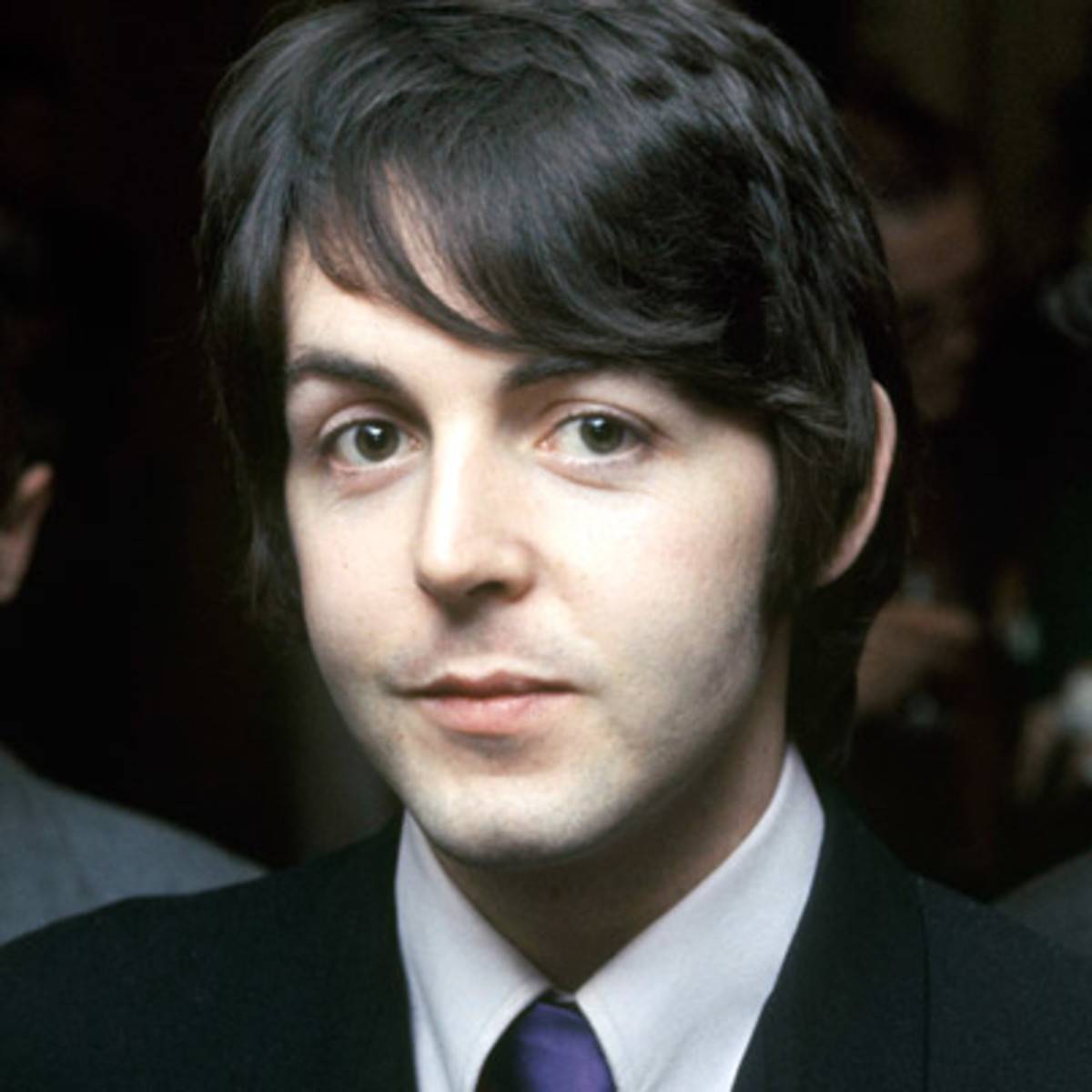
Scott Fitzgerald? Dylan? Richard Ford? These loom large. But, for me, the most significant cultural figure is Paul McCartney. I was reminded of this again last Sunday as I sat in a packed Prospect cinema watching the post-Beatles documentary, Man on the Run. It asks, what happens after you leave the most important band in the world?
When I was a boy, the Beatles were a blissful part of my life. Mum played music in our home. She had the ‘Love Me Do’ single, which she bought in 1962. I loved the cartoon series and especially the opening credits, when they tried to outrun mobs of screaming girls. During this ‘Can’t Buy Me Love’ played and it was the most exciting thing in my world. I understood little of their lyrics, but as I sat on the orange carpet in front of our boxy Pye television, their charismatic melodies sent something electric through me.
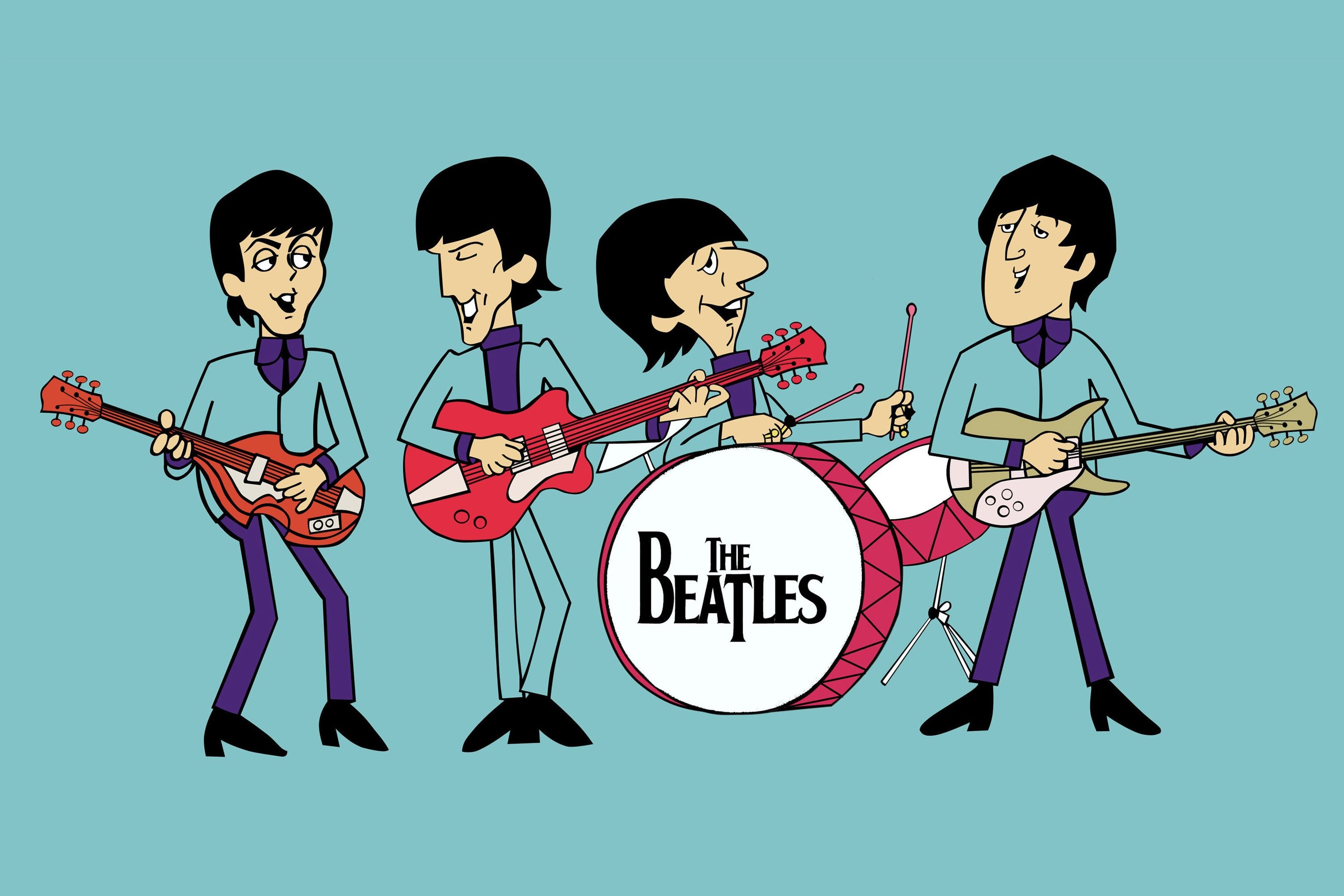
Paul is my favourite Beatle. It’s largely his endless optimism and sunny nature. Even at eighty-three, his hopefulness is his defining, irresistible trait.
*
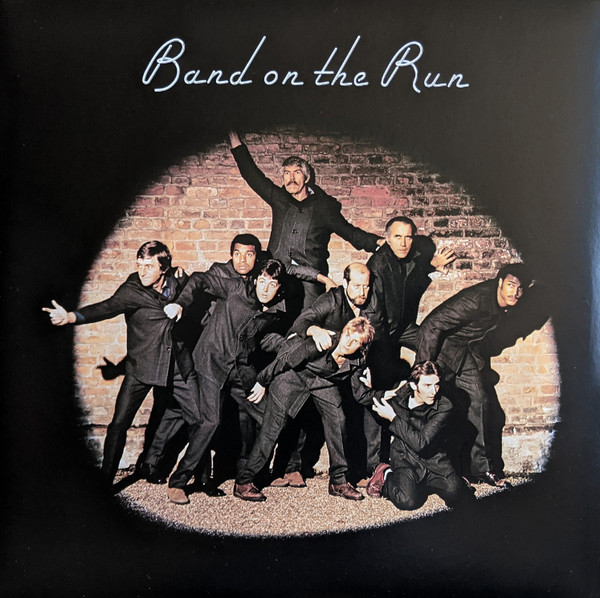
Following Paul through the 1970’s the film focusses upon his new band, Wings. Even without the Beatles, if he’d simply arrived in 1971, his catalogue would still be magnificent. Among my favourite ever musical moments is the soprano saxophone on ‘Listen to What the Man Said.’
Regardless of context or mood, I’m always uplifted by it. The saxophonist was Tom Scott and his very first take ended up on the song. With Claire’s consent, we included it on our wedding playlist. It’s golden light falling across a tropical beach.
Any time, any day
You can hear the people say
That love is blind
Well, I don’t know, but I say love is kind
*
It agitated many that Linda was in her husband’s group. A common view was that she couldn’t sing, play keyboards, or contribute much, at all. The film naturally slants towards McCartney’s opinion. Another reason that I hold him in such boundless affection is his reflections on this and love. He speaks glowingly of her talents and her skills as a wife, mother and artist. In the cinema dark I thought of Claire and shed a tear when he stated that from his wife, beyond all her other gifts, he ‘learnt so much.’
*
Lennon and McCartney were like brothers. Both lost their mothers young. They wrote bridges for each other. They argued ferociously. Reflecting upon their long partnership the surviving Beatle remarked how when things got out of hand, Lennon would sometimes take off his glasses, lay them on the table, smile across at him, and say, ‘Paul. It’s me, John.’
*
I’ve long believed that one of the very best ways to spend half an hour is by listening to a Beatles record. Another fine investment is to immerse yourself in the boyish wonder and brightness of Paul McCartney’s subsequent music. Fifty years later, sitting in my cinema seat, that optimism still feels like the most exciting thing in the world.
 mickeytales
I enjoyed this a great deal, Mickey. And I agree with you about McCartney’s significance as a cultural figure. Cheers, KD
LikeLiked by 1 person
Thanks, KD. I suspect the documentary’s very brief cinema run is over, but I recommend it. I’m unsure if he’s a brilliant lyricist, but his melodies and voice are such joys.
LikeLike
I always recall what Dylan said about McCartney in the early 2000s, words along the lines that Macca was the only contemporary music artist he was in awe of and that every time Paul opened his mouth a beautiful melody came out. From what I know, McCartney was equally in awe of Dylan (but, I suppose, not for Bob’s melodies but his words.)
LikeLiked by 1 person
KD – I’ll look that up! Found a Macca biography in our library but at 850 pages, I’ll leave it as a retirement read.
LikeLike