0

Mystery Pub: Permission to Pretend

The Rockford Hotel sits midships on Hindley Street. It’s across from the abandoned Rosemount pub, all sticky carpets and blurry memory, another CBD tombstone in the spreading cemetery of inner-city boozers. It’s a mere five-minute amble from Claire’s work, taking us past the contagion of convenience stores, and the sludgy waves of Friday afternoon traffic.

Inside is largely empty and thrillingly quiet. A bar should be either instantly familiar or agreeably alien. We claim some comfy, low chairs, the type popular in motel lobbies. These enhance the theatrical-stage ambiance.

It’s a space of glass and chrome; the kind that makes you feel more important than you actually are — surely the chief function of interior design; to abnormally elevate our self-esteem, if only for the briefest interval. This hermetically sealed allusion is strangely attractive; the air is scrubbed clean, belonging to a space shuttle.

With ale and wine purchased Claire and I submerge into our surrounds. At an adjacent table is a young man — he might be twenty — with calf tattoos and baggy shirt, sitting alone with a beer. He appears as if he belongs in a Macca’s or on a skateboard, click-clacking outside along the darkly stained footpath. I wonder if he’s a rapper, here for a gig at the neighbouring Hindley Street Music Hall. I say to Claire, ‘Is he staying in an upstairs room or like us, just here for a drink?’ We don’t ask him. Hotel bars give people permission to be somebody they prefer.
Pubs necessarily attract punters with no widescreen backstory but those in a venue with rooms attached possess broader narrative possibility. Are they in town for a conference or a nasty meeting? Or maybe clandestine pleasure? Have they just awoken from an ill-advised nap as they adjust from Dallas time?

Our mandatory hot chips appear instantly while despite the sparseness of the bar, Claire’s martini takes nearly twenty minutes to arrive. The staff have no urgency or investment. In that interval, martini aficionado James Bond could dispatch a handful of would-be assassins, take the Aston Martin for a zigzagging spin around Monte Carlo and then seduce his glamorous accomplice.
Then, the dry maraca burst of a martini being shaken clatters across the room. ‘That sounds promising,’ Claire says brightly. I handle the sarcasm in our marriage.

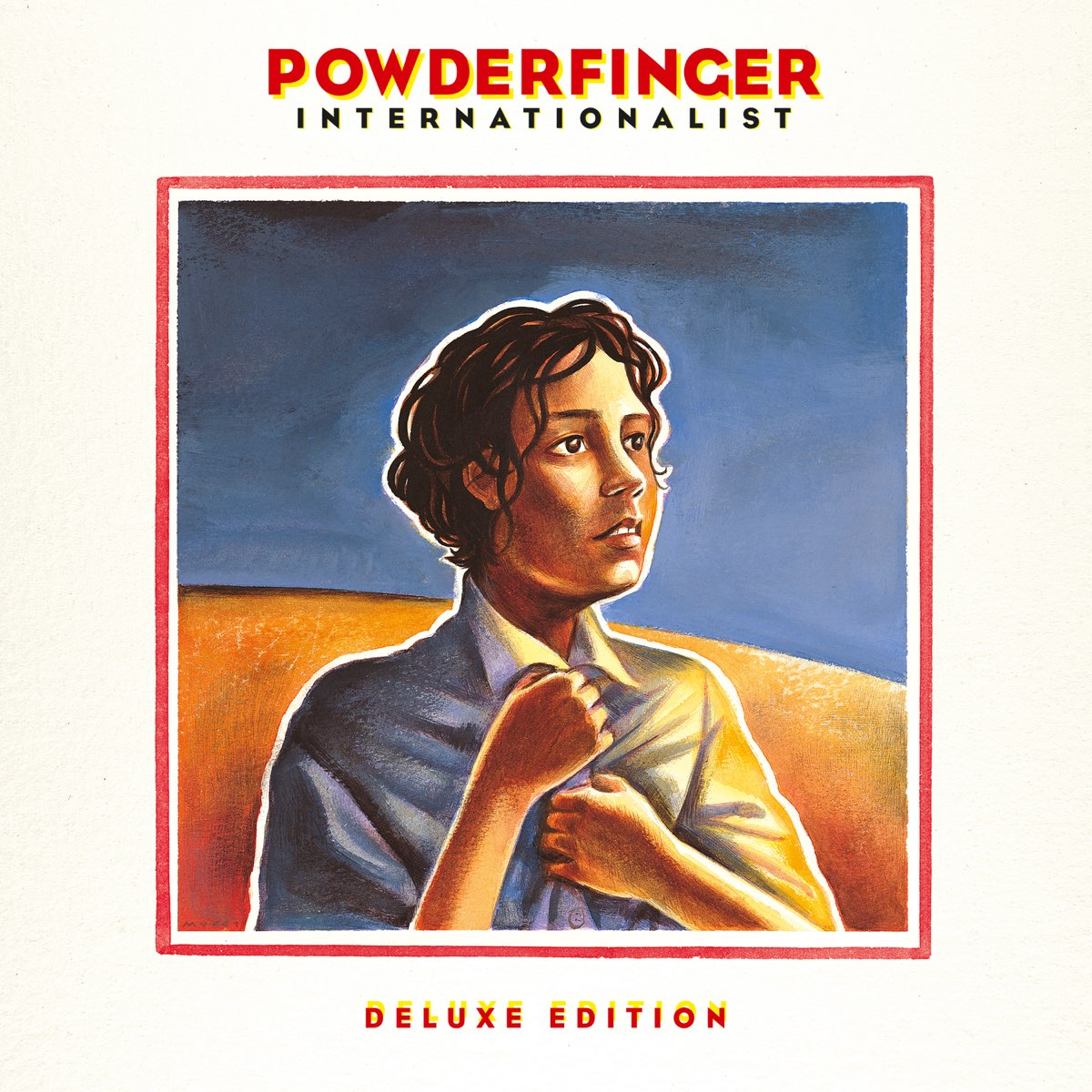
It’d been a restorative escape from the week and into the thoughts of each other, both considered and spontaneous — a shared refuge. Hindley Street is Adelaide’s most scandalous address — Powderfinger even opened The Internationalist with a song named for it. This trodden place keeps remaking itself, and Claire found an untainted nook in which we could fleetingly pause time.
0

Cricket by the Sea

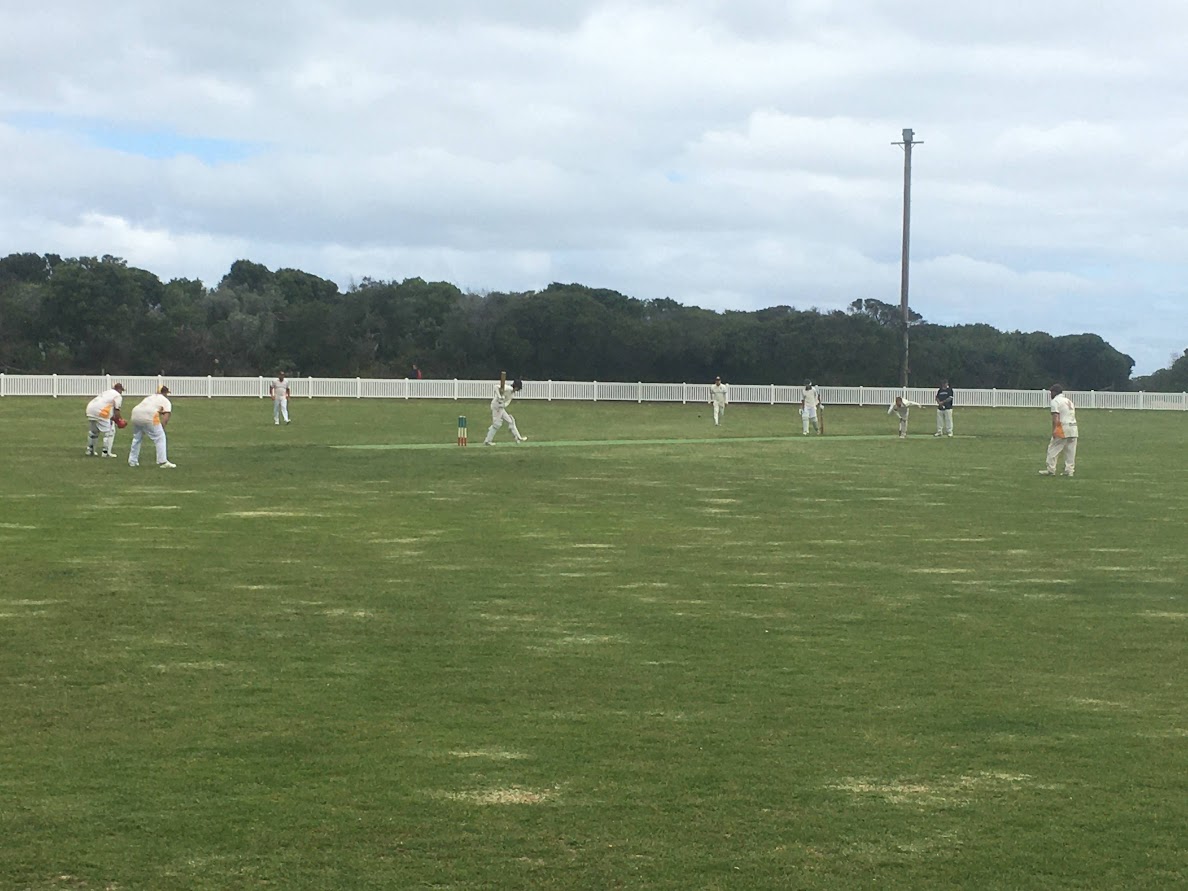
A white picket fence encircles Point Lonsdale Oval, lending the ground an idyllic English geometry. It’s Saturday afternoon and, lured by a cricket match, I drive in and park by the mid-wicket boundary. Snatching ten minutes to take in a genteel encounter — any venue and contest will do. The trend for picket fences is heartening; simple wooden slats bring an elegance to our increasingly coarse world. They also suggest quiet expectations of courteous behaviour for both players and spectators.

I love country cricket but understand many find it incomprehensible. As a sporting contest it is often ritualised rather than wild battle. To the uninitiated, nothing appears to be happening on the field, but in truth everything is transpiring with absorbing compulsion. It’s a psychological feast of anticipation and patience, punctuated by staccato bursts of movement — then lengthy, enigmatic lulls.

Bowling and fielding, characterised by a cheerful mellowness, suggest this is a B- or C-grade fixture, a suspicion confirmed by the participants — grey-haired and slower of limb. Of course, the chubbiest chap keeps wicket, and he’s unexpectedly spritely, crouching behind the stumps before bouncing in to scoop up the return throws. His nickname is surely Nugget.

The scrubby surrounds are unmistakably coastal Australia, and the scene reminds me of the one time I played cricket by the sea. This was at Elliston, after a Friday night at the Port Kenny pub with my Wudinna CC teammates. The next morning, a tinny putted out into the bay and we went fishing — Stink, Ning, Jock, Snook, Chess and me, crowded onto the tiny deck — during which the bird’s nest I made of my line earned me a new nickname: Tangles, in honour of the beloved Max Walker. Winning late in the day, I recall hearing the crashing surf in sonic contrast to the dusty breezes and magpie warbles of landlocked Kapunda.

Gazing again at those sharing the patchy grass and leisurely privilege, I think of the joyous belonging cricket clubs can gift their members. It’s only partly about what happens on the field; the spirited and forgettable exchanges at training and in the clubrooms matter just as much. Bumping into your teammate — the mechanic — outside the post office on a Tuesday lunch confirms this bond.

On Point Lonsdale Oval, the placid medium-pacer saunters in and overpitches just enough on a decent line. Seagulls dance on the salty air as the batsman steps into an off drive, but it rambles over the rough turf straight to a fielder and I hear the shout of, ‘No!’ This is representative of the even contest during my stay: no wickets or chances, but no boundaries either — just a handful of modest scoring shots. Was it dull? No. Utterly engrossing and healthily diverting.

Claire is shortly due on stage at the Queenscliff Music Festival, so after half a dozen overs I turn the key in the ignition. This brief cricket excursion has returned me, happily, to the languid Saturdays of my youth.

2

Five Sentences, in Reverse Chronological Order, about the Queen’s Head

Vamoosing from our front-bar nook, we carry the lamentable lettuce cups out with us and I then drop Claire at the Gov, where she’s interpreting for Josh Pyke, who — recalling what she told him at his gig in April — offers a heart-swelling shout-out about our wedding and the role played in it by his exquisite song Sew Your Name.

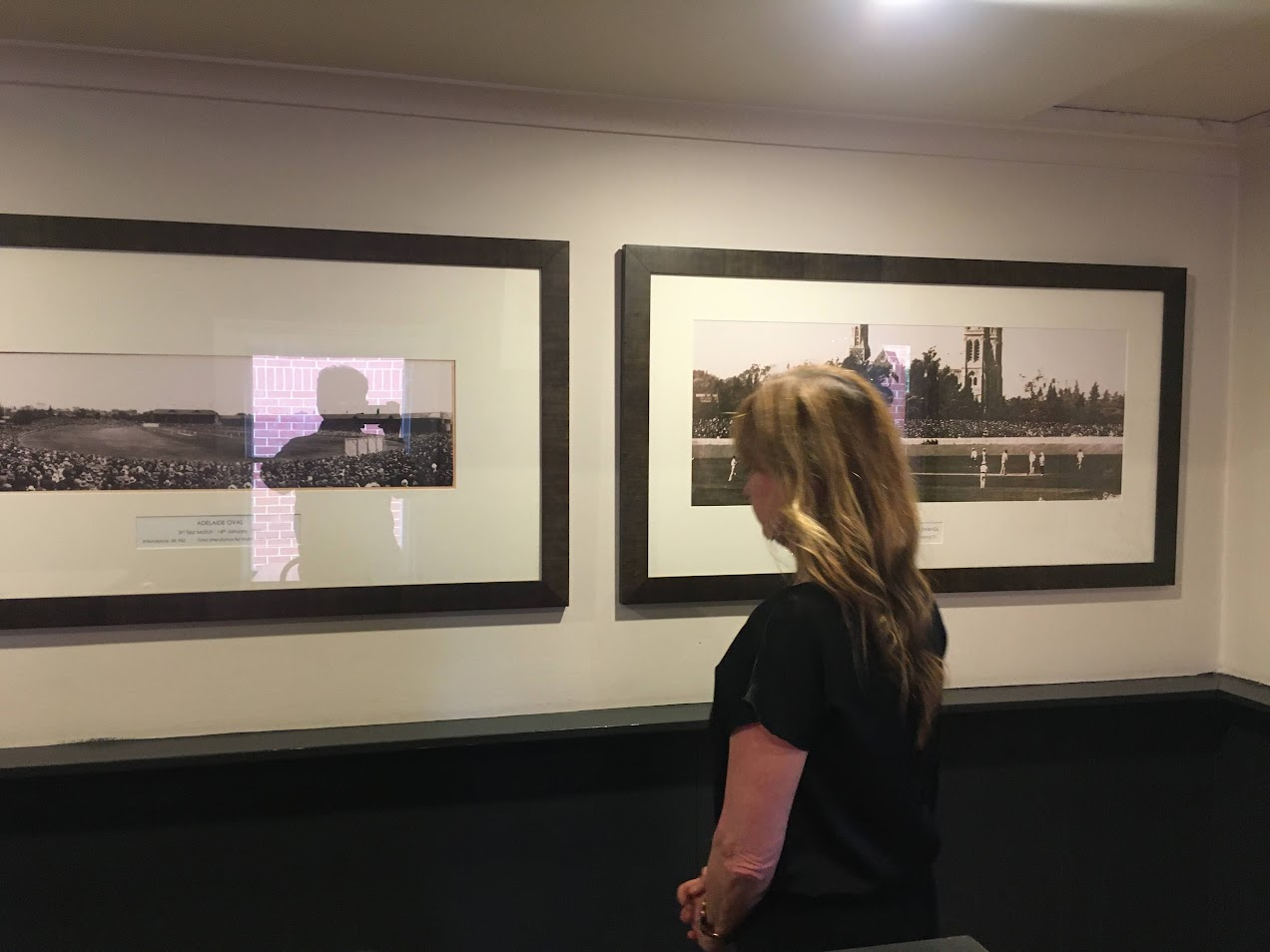
Pausing our celebration amidst the pubbish murmurings, Claire does a gallery walk around the bar studying the sepia Adelaide Oval Test-cricket photos, and as we speculate about life a century ago for these bowler-hatted, stern-faced types, I try to orient the oval for her by pointing at one grainy image and saying ‘That’s north,’ which proves unhelpful when she replies, allegedly, ‘You know I find compass references troublesome.’

Devolving ever deeper into late-capitalism, a telling symbol of this is that the only youngsters in pubs are often those pulling the beers; tonight is no exception, though our barkeep is convivial as we order a bowl of wedges — gladdening and homely in their aroma — and a delicious-sounding plate of lettuce cups.

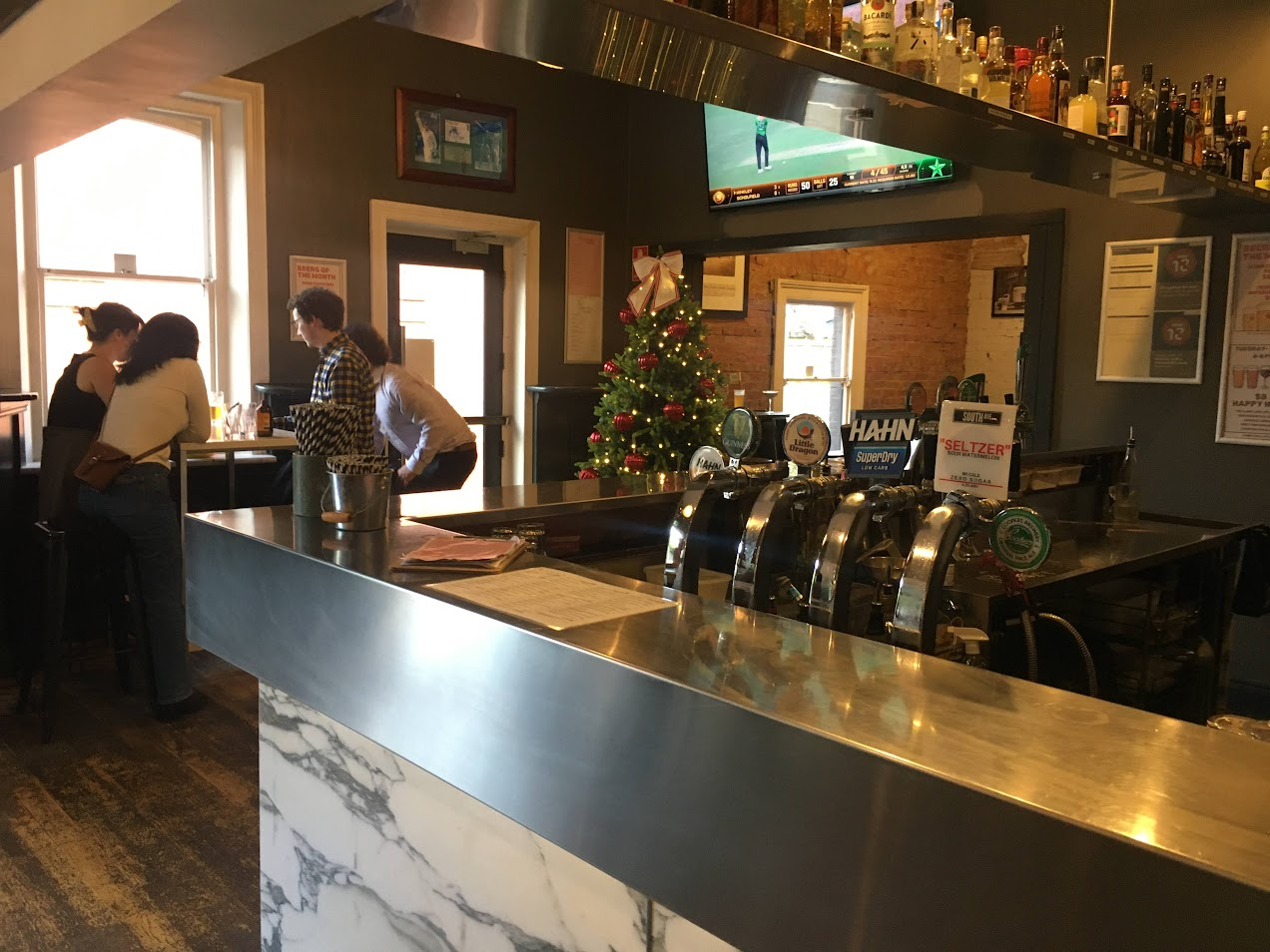
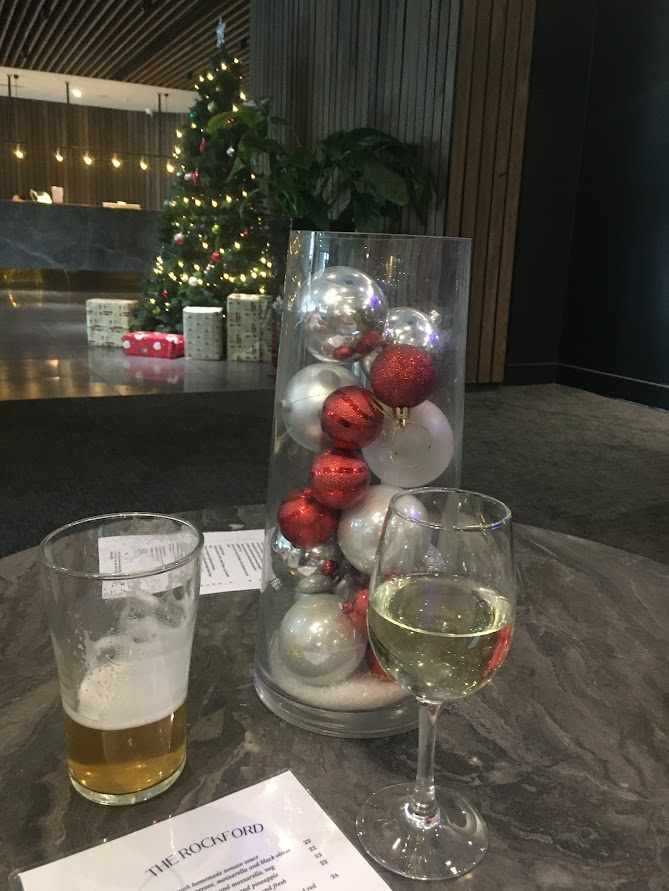
Returning bar-side, the aroma of deep-fried calamari wafting past our noses, we claim our second and final drinks — Claire’s now-established espresso martini and my Pale Ale — and linger over them at a secluded table beside the — is November 14 premature? — Christmas tree; before this, we’d opened our night with a white wine and a pint of Heineken, which I always forget is essentially European VB, though without its charismatic nose or middle-palate length.

Ambling through the brisk air into the Queen’s Head (my choice for this month) past a footpath table of chaps relaxed into their late-Friday residency, having parked our RAV4 on gently undulating, village-like Kermode Street after a ten-minute automotive crawl up Montefiore Hill — itself preceded by collecting Claire from the ghostly TAFE on Light Square — we begin the sixtieth edition of Mystery Pub.

2

As Childhood Slipped Away

You’re among the last of the 250-odd students to cross the stage. It’s the 2025 Brighton Secondary School valedictory event and I’m in Section E of the Adelaide Entertainment Centre. Adjusting my suit jacket, I browse about at the parents, siblings, and grandparents. Cologne pushes at me from a neighbouring dad. The jazz ensemble now hushes and we’re ready.

Our social contract is that we wait good-naturedly for our child to have their moment and be formally farewelled. I elect to clap each graduate while surveying their year 8 and year 12 photos, projected onto twin screens.

The sudden ruthless truth hit me this morning as I drove down Port Road, past the Entertainment Centre and saw the ceremony advertised on the colossal display. The height of the digital lettering was striking and the idea of you finishing school and entering the adult world became suddenly tangible and undeniable.

A long hour into the presentations and I’m impatient to see you. I repeatedly glance to the right of stage, hoping to spy you into the theatrical dark, searching for your blonde mop. But the unbroken procession of students persists.

Finally, your home group is announced. I can just see you in the wings: tall, cheerful, casual. Your turn approaches. An amplified voice says, ‘Alex Randall.’

I watch from Section E. Entering the stage, your long legs are relaxed and you’re respectfully laconic. I note that you’re purposeful but not panicked, in reaching centerstage. Years of drama productions have taught you to luxuriate in this, to add an extra beat. As a school student, it’s your final bow.

Now firmly under the spotlight, you arrive alongside the principal, Mr. Lunniss, and pause, beaming your easy smile. You almost look like you’ve just been told a small (Dad) joke and find it bemusing. Next to the angular, retiring educator, you establish your affable presence on the stage. There’s no arrogance in your stance, only a natural, infectious joy.

As you take your souvenirs — a navy-blue book and programme — my evening’s most poignant moment arrives. As your Dad, sitting in the vast auditorium, it sparks an inner welling and a hot tear for it shows heartening regard, and gratitude. It’s a hope-inspiring gesture, likely undetected by most in the audience, on this evening of goodbyes and celebrations.

You’ve told me you’ve no relationship with the principal and this is better than you being marched habitually into his office where he peers over his glasses and despairingly asks, ‘What have you done now, Randall?’ Instead, the reality is far more gracious. Beneath the arena lights I’m thrilled when Mr. Lunniss hands you the official gift of school stationery and you nod acknowledgment at him.

I instantly recognise this voluntarily offered thankfulness as a buoyant symbol. It’s gladdening. I wish for a dazzling adulthood in which you possess a sophisticated grasp of the silent machinery required to make life bend to your happy will.

Such was the equivalence that I could imagine you and the principal at a front bar: ‘Alex, your shout.’ It’s also, any witness would attest, a courteous transaction between two men — but with it away rushes the last of your childhood and in Section E, I’m an anonymous, hushed spectator.

The entire village has invested in you Alex, and some now watched on and could smile to themselves at the illuminating role they’d performed, the kindnesses they often extended, the gentle hands placed on your shoulder. It’s been an acutely elevating instance — a bright, cloudless dawn. A single, fleeting nod on a wide stage — and just like that, your school years are done.